
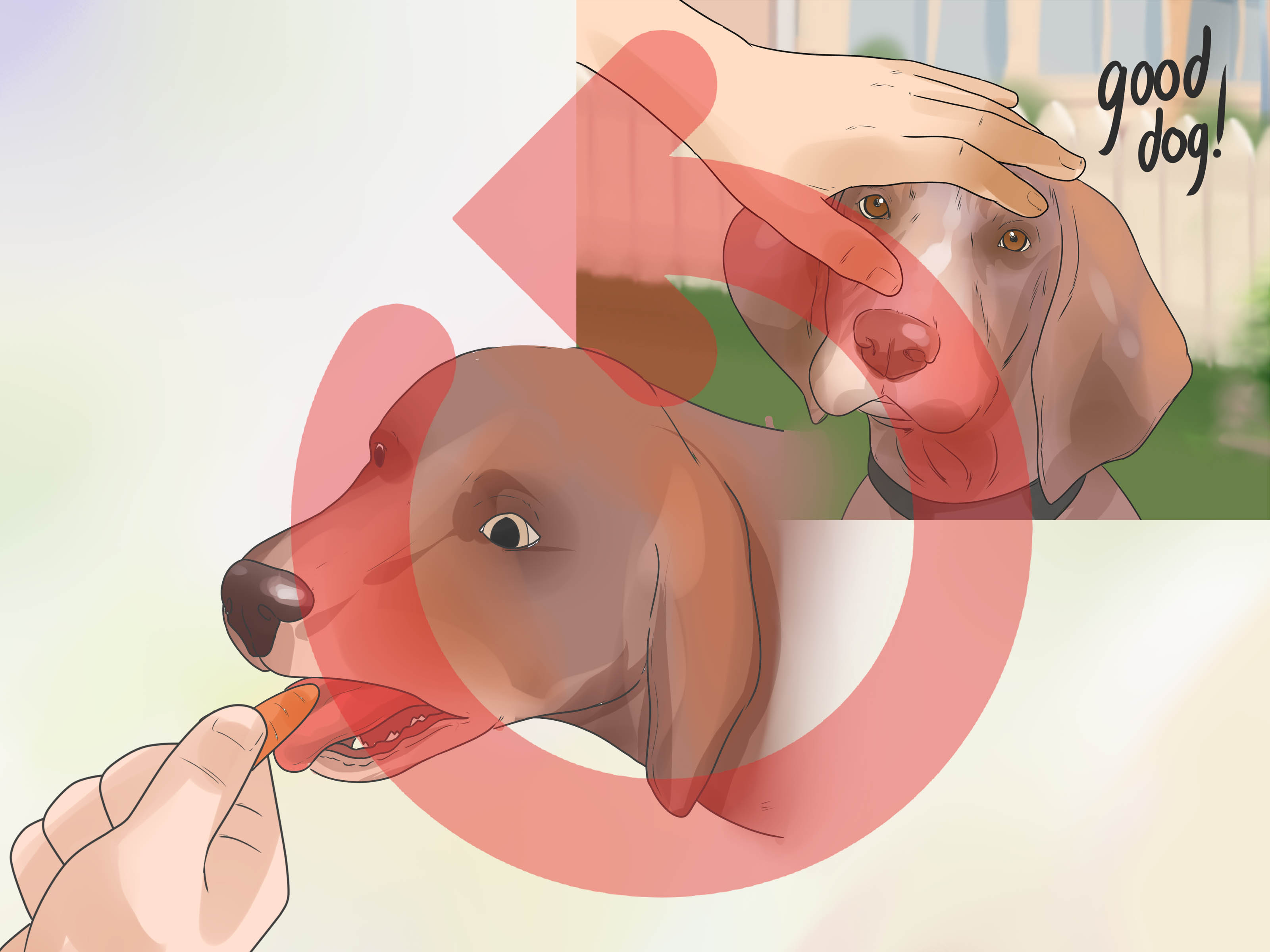
Training a German Shorthaired Pointer (GSP) is a lot like trying to coach a gifted athlete who also believes every squirrel is a personal invitation to the Olympics. They’re smart, fast, and wildly enthusiasticsometimes about the exact thing you didn’t ask for.
The good news: GSPs learn quickly and usually love having a job. The not-so-good news: if you don’t give them a job, they’ll assign themselves one (like “Interior Designer: Pillow Deconstruction Division”). This guide gives you a practical, fun, and field-tested 12-step plan to train your GSPwhether your goal is a polite family dog, a running buddy, or a bird dog with manners.
Quick Table of Contents
- Before You Start: The GSP Operating System
- Step 1: Build a Routine Your Dog Can Predict
- Step 2: Pick Rewards Your GSP Actually Cares About
- Step 3: Socialize Early (and Smart)
- Step 4: Crate Train for Calm, Safety, and Sanity
- Step 5: House Training Without Losing Your Mind
- Step 6: Name Game + Check-Ins (Your New Superpower)
- Step 7: Teach the “Big Five” Basics
- Step 8: Loose-Leash Walking (Without Arm Day)
- Step 9: Recall That Works When It Counts
- Step 10: Impulse Control for a High-Prey-Drive Dog
- Step 11: Channel the Athlete (Enrichment + Sports)
- Step 12: Hunting Foundations (Birds, Water, Gunfire, Quartering)
- Troubleshooting: Common GSP “Features”
- of Real-Life Experience
- Conclusion + SEO Tags (JSON)
Before You Start: The GSP Operating System
German Shorthaired Pointers are versatile sporting dogsbuilt for speed, endurance, scent work, and problem-solving. Translation: they’re brilliant… and busy. Training goes best when you accept three truths:
- A tired GSP is a trainable GSP. Plan for serious daily exercise plus mental work.
- Adolescence is real. Many GSPs hit a “selective hearing” phase that can last longer than your patience.
- Consistency beats intensity. Short sessions, repeated often, win the long game.
Think of training as building a lifestyle: exercise, structure, and clear communication. Your goal isn’t to “dominate” a GSP. Your goal is to become the most interesting thing in the environmentyes, even more interesting than the neighbor’s trash can.
Step 1: Build a Routine Your Dog Can Predict
Routine is your secret weapon. Dogs relax when they can predict lifeespecially high-drive dogs. Set fixed times (or at least a consistent order) for potty, meals, training, play, and downtime.
What to do
- Start your day with a potty break, then a short training session, then exercise.
- Use the same “flow” daily: potty → food → calm time → play/training → nap.
- Put boundaries in place early (gates, leashes indoors, closed doors). Freedom is earned.
A predictable routine prevents a lot of chaos behaviorslike “counter surfing” and “creative chewing.”
Step 2: Pick Rewards Your GSP Actually Cares About
Not all rewards are created equal. Some GSPs will do calculus for a piece of chicken. Others prefer a tug toy, a tennis ball, or the privilege of sprinting in circles like a tiny horse.
Reward menu ideas
- Food: pea-sized, high-value treats for new or hard skills.
- Toys: tug, retrieve, flirt pole (great for drivey dogs).
- Life rewards: “Go sniff,” “Go run,” “Go say hi” after good behavior.
Pro tip: rotate rewards to keep motivation high. If your dog gets bored, that’s not stubbornnessit’s feedback.
Step 3: Socialize Early (and Smart)
Socialization isn’t “let everyone pet the puppy.” It’s teaching your puppy that the world is safe, predictable, and not a reason to panic-sprint. Aim for calm exposure to people, dogs, surfaces, sounds, grooming, car rides, and environments.
Simple socialization checklist
- Different people (hats, beards, uniforms), at a comfortable distance.
- Gentle handling: paws, ears, mouth, collar grabs (paired with treats).
- Sounds at low volume: vacuum, blender, thunder recordings, city noise.
- New surfaces: tile, gravel, wet grass, wobble boards (slowly).
Keep sessions short, upbeat, and end before your puppy gets overwhelmed. You’re building confidence, not collecting Instagram moments.
Step 4: Crate Train for Calm, Safety, and Sanity
A crate isn’t dog jail. It’s a safe bedroom that helps with house training, travel, vet stays, and teaching an off-switch (a skill your GSP will pretend not to need).
Crate training done right
- Introduce the crate gradually; toss treats inside and let your dog choose to enter.
- Feed meals in the crate (door open at first).
- Build duration slowly: seconds → minutes → short naps.
- Give a stuffed food toy to create a positive association.
If your dog protests, go slower. The crate should predict calm and comfortnot a dramatic monologue.
Step 5: House Training Without Losing Your Mind
House training is mostly logistics. Your puppy can’t “hold it” very long at first, so your job is to prevent accidents and reward correct choices immediately.
A schedule that works
- Take your puppy out: first thing in the morning, last thing at night, after naps, after play, after eating/drinking.
- Use one consistent potty spot and a simple cue like “Go potty.”
- Reward the instant they finishoutside, not back inside.
- Supervise indoors or confine (crate/pen). Unsupervised puppies practice bad habits.
Accidents happen. Don’t punishclean thoroughly and tighten your management. House training is a math problem, not a moral failing.
Step 6: Name Game + Check-Ins (Your New Superpower)
Before you ask for “heel,” “whoa,” or anything fancy, teach two foundational habits: responding to their name and checking in with you.
The Name Game (60 seconds at a time)
- Say your dog’s name once.
- The moment they look at you: mark (“Yes!”) and reward.
- Repeat in different rooms, then outdoors, then around mild distractions.
Add “check-ins” on walks: whenever your dog glances back at you, reward. Pretty soon, your GSP starts acting like you’re relevantbecause you are.
Step 7: Teach the “Big Five” Basics
For a GSP, basic obedience isn’t about being fancy. It’s about safety and freedom. The five skills below cover most everyday life.
The Big Five
- Sit (default calm)
- Down (settle)
- Stay/Wait (impulse control)
- Leave it (don’t eat that mystery sidewalk snack)
- Place (go to bed/mat and chill)
Keep training sessions short and fun. Teach one skill at a time, get a few wins, then stop while your dog still wants more. You’re creating enthusiasm, not burnout.
Step 8: Loose-Leash Walking (Without Arm Day)
GSPs are athletic and scent-driven, so leash walking needs a plan. Your mission: teach your dog that staying near you makes good things happen, while pulling makes progress stop.
How to build loose-leash walking
- Pick a side (left or right) and reward your dog for being there.
- Walk at your dog’s pace sometimes and allow sniff breakssniffing is enrichment.
- If a trigger is coming (dog, kids running), calmly U-turn and create distance before your dog explodes into wiggles.
- Use equipment wisely: many owners prefer a front-clip harness for pullers.
Aim for “mostly loose” rather than robotic perfection. A pleasant walk beats a military parade.
Step 9: Recall That Works When It Counts
Recall (“come,” “here”) is your GSP’s life insurance policy. It’s also the command your dog will test the hardest, because the outdoors is basically a theme park made of smells.
Make recall a party
- Start indoors: call once, reward big, then release back to fun.
- Use a long line outside so your dog can’t practice ignoring you.
- Don’t repeat the cue. Say it once, then help your dog succeed.
- Practice “surprise jackpots”: sometimes recall earns a handful of treats or a favorite toy.
One of the best recall hacks: teach the behavior first, then add the word later. Your dog learns “run to my human” before you slap a label on it.
Step 10: Impulse Control for a High-Prey-Drive Dog
GSPs are wired to chase. You’re not training that instinct outyou’re building a pause button. The goal is: “I see it. I want it. I can wait.”
Impulse-control games
- Wait at doors: door opens only when your dog holds position.
- It’s Yer Choice: treat in your hand; reward only when your dog stops mugging your fist.
- Leave it → Look at me: dog disengages from distraction and checks in for payment.
- Place with distractions: teach relaxing while life happens.
For hunting homes, many trainers also teach “whoa” (stand still) laterafter your dog understands basics and can succeed.
Step 11: Channel the Athlete (Enrichment + Sports)
If your GSP is under-exercised, training feels like negotiating with a tornado. Many GSPs need a mix of intense exercise and mental work every day.
Great outlets for GSP energy
- Fetch with rules: sit before throw, drop on cue.
- Agility foundations: body awareness, jumping skills later (protect growing joints).
- Scent work: “Find it” games, hidden treats, beginner nose work classes.
- Puzzle feeders: let them “hunt” dinner with their brain.
The best part: these outlets don’t just tire your dogthey make your dog better at learning.
Step 12: Hunting Foundations (Birds, Water, Gunfire, Quartering)
Even if you never hunt, you’ll benefit from understanding your GSP’s instincts. For hunting homes, foundations should be slow, positive, and confidence-first.
Bird introduction
Start with controlled exposure where your dog can get excited without being pressured into “perfect behavior.” Drive first. Steadiness later.
Quartering (bird searching pattern)
Quartering teaches your dog to hunt back and forth in front of you instead of launching into the next county. Many handlers use a long lead during the adolescent window to build cooperation and field cues in low-distraction areas first.
Gunfire and loud-noise conditioning
Done correctly, gunfire becomes a predictor of fun (birds, retrieves). Done poorly, it can spook a sensitive dog. Start at a distance, keep the dog focused on the bird, and pair sound with excitement and reward. If you’re not sure, work with an experienced bird dog trainerthis is one place where “winging it” is an ambitious lifestyle choice.
Troubleshooting: Common GSP “Features”
Problem: My GSP ignores me outside
That’s not defianceit’s distraction plus history. Use a long line, lower the difficulty, and pay better. Also: exercise first. Asking a fresh GSP to focus outdoors is like asking a toddler to meditate in a candy aisle.
Problem: Chewing everything
Management fixes this fast: puppy-proof your space, use gates, supervise, and provide plenty of appropriate chew items. Chewing is normalyour job is to make the right choice easy and the wrong choice unavailable.
Problem: Pulling on leash
Teach loose-leash skills in short sessions, not during a 45-minute frustration march. Practice near home, reward position, and give structured sniff breaks so your dog isn’t trying to inhale the entire neighborhood in one drag.
Problem: The teenage phase hit and my dog forgot everything
Congratulationsyou own a dog. Adolescence is when you double down on consistency, reduce off-leash freedom, and reward good choices like you’re running a very small, very furry corporation.
Real-Life Experience: What Training a GSP Actually Feels Like (About )
Here’s the honest truth about German Shorthaired Pointer training: your progress rarely looks like a straight line. It looks like a scribble drawn by a caffeinated squirrel. One week your GSP nails “place” while you cook dinner, and you start imagining a peaceful future where you own nice furniture. The next week, your dog discovers that the trash can contains “vintage chicken aromas,” and suddenly you’re sprinting across the kitchen like you’re in an action movie.
The biggest shift for many owners is realizing that training isn’t just commandsit’s energy management. When my clients tell me “My GSP won’t listen,” I usually ask two questions: “How much did they run today?” and “How many reps of ignoring you have they already practiced?” A GSP who’s had a solid run plus a small brain game is often shockingly cooperative. A GSP with untouched energy is basically a four-legged opinion piece about freedom.
Another real-world lesson: short sessions beat heroic sessions. People love the idea of a 60-minute training marathon. GSPs love the idea of quitting at minute seven and inventing their own sport. Five minutes of focused repsthen a break tends to create faster results and a happier dog. It also keeps you from getting frustrated, which matters because your GSP can read your mood like it’s printed in bold font on your forehead.
Recall is where you learn humility. Inside, your dog rockets to you because you’re holding a treat. Outside, your dog discovers a smell from three days ago and decides it’s a historical site. The fix is boring but magical: a long line, hundreds of successful reps, and rewards that feel worth it. And here’s the weird partonce you stop turning “come” into the end of fun, your dog starts coming faster. Call, reward, then release them back to sniffing or play. That “go back to fun” moment teaches your GSP that checking in doesn’t ruin their life.
If you hunt with your GSP, you learn to protect their confidence like it’s a priceless artifact. Rushing bird introductions or trying to “steady” a young dog too early can create confusion. In the best setups, the puppy thinks birds are the greatest thing ever, and you’re the trustworthy guide who makes birds happen. That’s the relationship you want: your dog hunts with you, not despite you.
Finally, expect your GSP to become your mirror. If you’re consistent, calm, and clear, they improve fast. If you’re random, emotional, or “sure, jump on guests sometimes,” your dog will happily accept the job title of “Director of Mixed Messages.” Keep it simple, keep it upbeat, and remember: the goal isn’t perfection. The goal is a dog you trustand a life where you can own pillows again.
Conclusion
Training a German Shorthaired Pointer is equal parts strategy, repetition, and learning to laugh when your dog outsmarts you (because they will). Focus on routine, rewards, socialization, and rock-solid safety skills like recall and leash walking. Give your GSP an outlet for their driverunning, retrieving, scent work, or hunting foundations and you’ll get a dog who’s not just well-behaved, but genuinely fulfilled.














