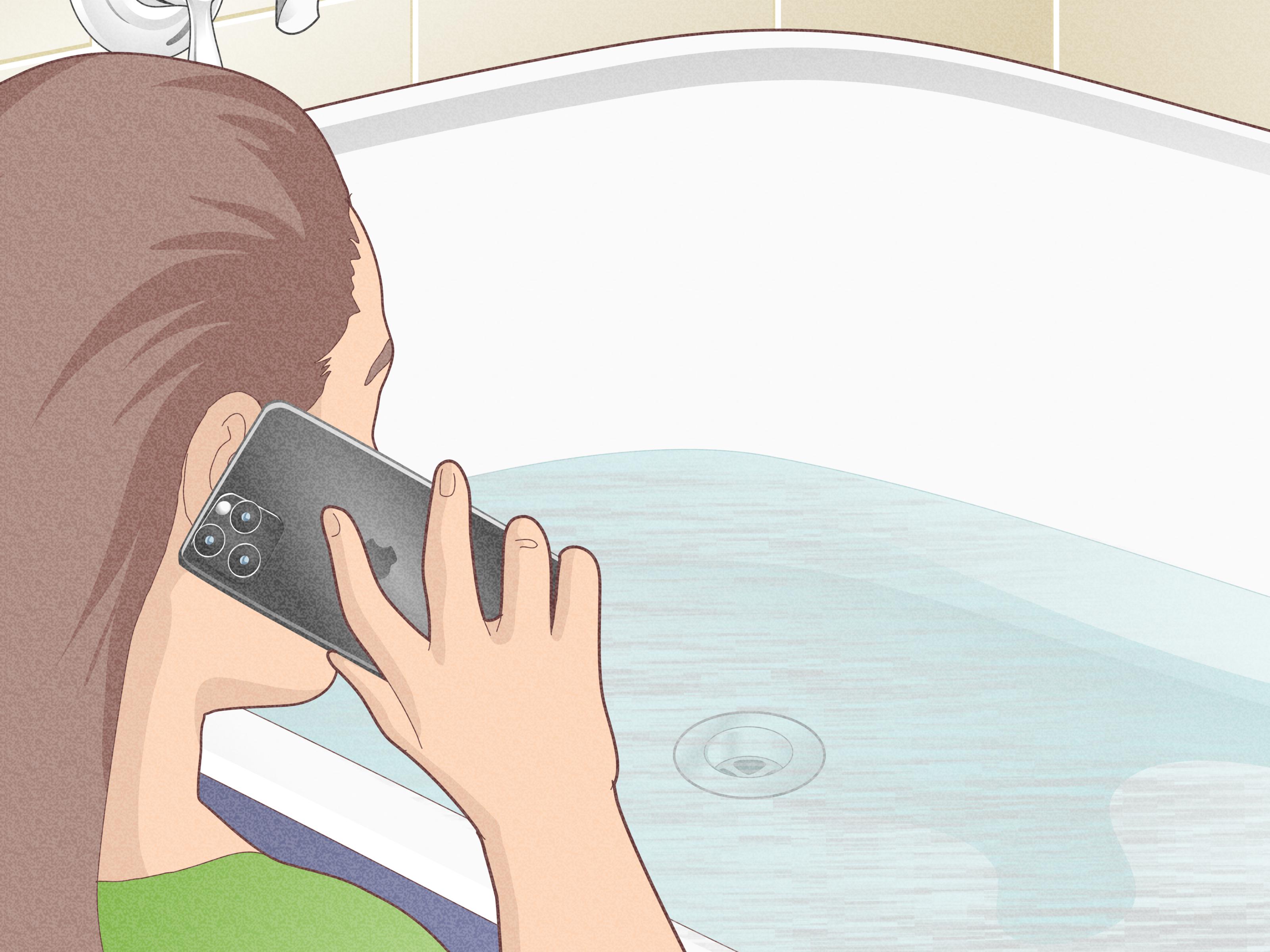
A bathtub that drains slowly can turn a five-minute shower into an unwanted foot-soaking session. The usual culprit is not a plumbing catastrophe but a stubborn mixture of hair, soap scum, body oils, and product residue. In other words, your drain has been quietly building a small, unpleasant sculpture.
Fortunately, most bathtub clogs can be cleared with basic tools and a little patience. This guide explains how to unclog a bathtub drain using 11 practical methods, beginning with gentle fixes and progressing to more serious clog-busting equipment.
Why Is Your Bathtub Drain Clogged?
Hair causes many bathtub clogs, but it rarely works alone. Strands catch on the stopper, drain crossbars, or rough areas inside the pipe. Soap scum and body oils then coat the hair, gradually creating a dense plug that restricts water flow.
Other possible causes include mineral deposits, a dirty trip-lever mechanism, small objects, excessive bath products, or a blockage farther down the plumbing system. If several fixtures are draining slowly at once, the problem may involve a branch line or main sewer line rather than the bathtub itself.
What You May Need
- Rubber gloves and safety glasses
- Bucket, old towels, and a trash bag
- Screwdriver and needle-nose pliers
- Flashlight
- Plastic barbed drain tool
- Cup-style plunger
- Hand-operated drain auger
- Baking soda and white vinegar
- Wet/dry vacuum, if available
Remove standing water before trying most methods. A cup or wet/dry vacuum works well. Leave a few inches of water only when using a plunger because water helps transmit pressure through the pipe.
How to Unclog a Bathtub Drain: 11 Methods
1. Remove the Stopper and Pull Out Visible Debris
Begin with the least glamorous but often most effective approach: remove the hair you can see. Put on gloves, open or remove the stopper, and inspect the drain with a flashlight.
Bathtubs may have toe-touch, lift-and-turn, push-pull, or trip-lever stoppers. Some lift out after being turned counterclockwise, while others have a small set screw. Trip-lever assemblies are usually accessed by removing the overflow plate below the faucet. If the stopper resists, identify its design before applying force; enthusiastic twisting can transform a simple clog into a drain-repair project.
Pull away visible hair with gloved fingers or needle-nose pliers. Clean the stopper thoroughly because hair and soap frequently collect around its shaft.
2. Use a Plastic Barbed Hair-Removal Tool
A flexible plastic drain stick is inexpensive, simple to use, and remarkably good at grabbing shallow hair clogs. Feed the barbed end slowly into the drain, rotate it slightly, and pull it straight out.
Be prepared: what returns may look like a prop rejected from a monster movie. Place the debris directly into a trash bag rather than rinsing it back down another drain. Repeat until the tool comes out mostly clean, then test the tub with warm water.
Do not force the strip past an obstruction or bend it sharply. Some lightweight tools can snap if pushed too aggressively. This method works best when the clog is near the drain opening.
3. Fish Out Hair With a Small Wire Hook
If you do not have a drain stick, make a narrow hook from stiff wire. A straightened wire hanger can work, although a thinner, smoother piece of wire is easier to control and less likely to scratch the tub.
Create a small hook with needle-nose pliers. Carefully lower it into the opening, rotate it, and lift debris upward. The goal is to retrieve the clog, not ram it deeper into the trap. Keep a firm grip on the wire so your homemade tool does not become a new member of the blockage.
Avoid scraping acrylic, porcelain, or the metal drain finish. Stop if the wire catches on the drain assembly and will not release with gentle movement.
4. Flush the Drain With Very Hot Water
Hot water can soften soap residue and wash away loose material after visible hair has been removed. Run the hottest tap water for several minutes or pour very hot water slowly into the drain in two or three stages.
Avoid pouring a rolling boil into a bathtub unless you know the drainpipe is metal and the tub manufacturer permits it. Extreme heat can soften some plastic piping, stress joints, or damage an acrylic surface. Very hot tap water is the safer default.
This method may improve a mildly slow bathtub drain, but water alone will not dissolve a compact hair plug. Think of it as a cleanup step or opening act, not the headlining performer.
5. Try Baking Soda and Vinegar
For a drain restricted by light soap film, remove the standing water and pour approximately one-half cup of baking soda into the opening. Follow it with one-half cup of white vinegar. Cover the drain with a stopper or damp cloth and wait about 15 minutes. Finish with very hot water.
The fizz can agitate loose residue, while the flushing water helps carry softened material away. However, baking soda and vinegar neutralize each other, so this household combination is not a magic hair-dissolving potion. It is most useful for minor buildup after physical debris has been removed.
Never use vinegar if bleach or a commercial drain cleaner may be present. Combining household chemicals can release dangerous gases or trigger a violent reaction.
6. Plunge the Bathtub Drain
A standard cup plunger can loosen a clog through alternating pressure and suction. Remove the stopper, then seal the bathtub’s overflow opening with a wet cloth. Without that seal, the plunger mostly moves air through the overflow and accomplishes the plumbing equivalent of vigorous arm exercises.
Add enough water to cover the plunger’s rubber cup. Center it over the drain and press down slowly to create a seal. Pump firmly 10 to 20 times without breaking contact, then lift the plunger and watch the water. Repeat two or three times if drainage improves.
Do not plunge a drain containing chemical cleaner. Splashing corrosive liquid can cause serious burns.
7. Use a Wet/Dry Vacuum
A wet/dry shop vacuum may pull out a soft clog located near the drain. It must be designed for liquid pickup; never use a standard household vacuum around standing water.
Set up the machine for wet operation according to its manual. Remove the stopper, seal the overflow opening, and place the vacuum hose over the drain. Wrap a damp rag around the hose to improve the seal. Apply suction in several short attempts, then inspect the vacuum canister for retrieved debris.
This technique works best on loose hair and sludge. Stop if you cannot create a secure seal or if the vacuum’s manufacturer does not approve the setup. As with plunging, never use suction after pouring chemical cleaner into the drain.
8. Clean the Overflow Plate and Trip-Lever Assembly
On tubs with a trip-lever stopper, the apparent pipe clog may actually be hair wrapped around the linkage or plunger behind the overflow plate. Place a towel over the drain so the screws cannot fall into it. Remove the plate, then gently withdraw the attached mechanism.
Clean off hair, soap, and mineral buildup. Check that the linkage moves freely, but avoid changing its adjustment unless the stopper was already malfunctioning. Reinsert the assembly in the same orientation and tighten the plate evenly.
Run water to test the drain. If flow is restored, congratulations: you have defeated a clog that was hiding in the wall while pretending to be mysterious.
9. Snake the Drain Through the Overflow Opening
A hand-operated drum auger is the strongest mechanical option most homeowners should attempt. For many bathtubs, the best access point is the overflow opening rather than the drain itself. This route provides a more direct path through the overflow tube and trap.
Remove the overflow plate and linkage. Feed a quarter-inch drain cable slowly into the opening while rotating the handle clockwise. When you meet resistance, do not shove. Continue turning while advancing gently so the tip can bore through or grab the clog.
Retract the cable gradually, clean off debris, and repeat if necessary. Flush with hot water after the line opens. Stop if the cable becomes stuck or the pipes are old, corroded, or known to be damaged. Powered augers can injure users and harm plumbing, so they are better left to trained professionals.
10. Apply an Enzyme-Based Drain Treatment
Enzyme or bacterial drain treatments digest certain organic materials gradually. They are better suited to a slow drain or preventive maintenance than a bathtub filled with motionless water.
Choose a product labeled for tubs and compatible with your plumbing or septic system. Follow the instructions exactly, including the required waiting period. Many treatments work best when the drain will not be used for several hours.
Enzymes act slowly and may not break through a thick hair mass, mineral deposit, or foreign object. Use them after removing physical debris or as part of a maintenance routine. Do not combine them with bleach, disinfectants, vinegar, or chemical drain openers because other substances may deactivate the treatment or create a safety hazard.
11. Use a Commercial Drain Opener Only as a Last Resort
A drain opener formulated for hair may clear some organic blockages, but strong chemical products require caution. Read the label to confirm that the cleaner is approved for bathtubs, your type of pipe, and any septic system you have.
Wear the recommended protective equipment, ventilate the bathroom, measure the product precisely, and keep children and pets away. Never mix brands or add bleach, vinegar, ammonia, or another cleaner. More product is not more effective; it may remain trapped above the clog and create a dangerous pool for anyone who works on the drain later.
If the labeled application fails, stop. Do not plunge, vacuum, or insert an auger into chemically treated water. Contact a plumber and disclose the product used.
When Should You Call a Plumber?
DIY bathtub drain cleaning makes sense when the blockage is limited to one fixture and responds to gentle mechanical methods. Professional help is the safer choice when:
- Several drains or toilets are backing up simultaneously.
- The toilet gurgles when the bathtub drains.
- Wastewater returns through the tub or shower.
- The drain repeatedly clogs soon after cleaning.
- You suspect a toy, jewelry item, or solid object is trapped.
- The auger will not advance or becomes stuck.
- Water is leaking below or behind the bathtub.
- The plumbing is old, corroded, or previously damaged.
Multiple slow fixtures can indicate a blocked branch drain, damaged pipe, venting problem, or main sewer obstruction. Continuing to pour products into one bathtub will not correct those larger issues.
How to Prevent Future Bathtub Clogs
Install a fine-mesh hair catcher and empty it after every few baths or showers. Clean the stopper weekly, especially in a household with long hair, pets, or frequent use of thick conditioners and bath oils.
Brush loose hair before showering, use product amounts recommended on the label, and avoid washing mop water, sand, plaster dust, or renovation debris into the tub. Flush the drain periodically with hot tap water. If you use an enzyme maintenance product, follow its schedule instead of improvising a chemical cocktail.
Most importantly, address slow drainage early. A tub that takes an extra minute to empty is easier to fix than one holding several inches of suspicious gray water.
Real-World DIY Experiences and Lessons
The following composite experiences reflect common situations homeowners encounter when unclogging bathtub drains. They illustrate why diagnosing the clog before choosing a tool usually saves time, mess, and colorful vocabulary.
The “It Cannot Possibly Be That Much Hair” Clog
One common scenario begins with a tub that drains normally for the first two minutes of a shower and then gradually fills around the user’s feet. Hot water and baking soda may produce a small improvement, but the problem returns the next day.
Removing the stopper often reveals the real issue: a compact collar of hair wrapped around the stopper shaft just below the visible opening. A plastic barbed tool may extract several dense clumps in one pass. Once the hair is physically removed and the line is flushed with hot tap water, the tub frequently drains at full speed again.
The lesson is simple: when hair is the likely culprit, retrieval beats chemistry. A drain treatment may loosen soap around the blockage, but it cannot reliably make a tightly woven hair plug disappear.
The Plunger That Initially Does Nothing
Another familiar experience involves ten minutes of plunging with no result. The rubber cup is centered correctly, and there is enough water in the tub, yet every push feels weak. The missing step is sealing the overflow opening.
Once a wet cloth is pressed firmly over the overflow, the plunger produces noticeably stronger resistance. After several controlled strokes, bubbles rise from the drain and the water begins to swirl away. The original effort was not useless; it was simply pushing air through the overflow instead of directing pressure toward the clog.
This example shows that technique matters as much as the tool. Creating a closed hydraulic path is what allows a cup plunger to work effectively on a bathtub.
The Clog Hiding Behind the Overflow Plate
A trip-lever tub may drain poorly even when the visible drain opening looks clean. Removing the overflow plate can expose a linkage coated with soap residue and tangled hair. Cleaning the assembly sometimes restores flow without requiring a snake.
If the line remains slow, the open overflow port provides convenient access for a hand auger. Feeding the cable through this opening is often easier than fighting the tight angle beneath the drain basket. The key is patience: rotate while advancing and withdraw the cable slowly so captured debris comes out instead of falling back into the trap.
This experience also reinforces the value of protecting small parts. Covering the drain with a towel before removing the overflow screws prevents the profoundly annoying event of dropping a screw into the pipe being repaired.
The Chemical Shortcut That Complicates Everything
A less successful scenario begins when several cleaners are poured into standing water one after another. The clog remains, but now the tub contains an unidentified corrosive mixture. Mechanical methods become dangerous because plunging or snaking could splash the liquid.
The correct next step is to stop experimenting, ventilate the room, keep everyone away, and follow the product’s safety instructions. If professional service is needed, the plumber must be told which products were used.
The practical lesson is that chemical drain opener should never be an impulsive first move. Starting with the stopper, a hair tool, or a plunger is usually safer and gives you more options if the first attempt fails.
The Clog That Is Not Really a Bathtub Clog
Sometimes the bathtub drains slowly while the nearby toilet gurgles and the bathroom sink also hesitates. Clearing hair from the tub may help slightly, but the symptoms return because the obstruction is farther downstream.
Recognizing this pattern prevents wasted effort. Multiple affected fixtures point toward a shared drain or sewer problem that requires professional diagnostic equipment. Knowing when to stop is part of successful DIY work; the goal is a clear drain, not an accidental audition for an emergency-plumbing commercial.
Conclusion
The best way to unclog a bathtub drain is to start with the simplest and safest solution. Remove the stopper, extract visible hair, and test the drain before escalating to a plunger, wet/dry vacuum, or hand auger. Hot water and baking soda with vinegar may help with light residue, but mechanical removal remains the most reliable response to hair clogs.
Use chemical products only as directed and never combine cleaners. If several fixtures are affected, wastewater backs up, or the clog keeps returning, call a licensed plumber. Once the tub flows freely, a basic hair catcher can prevent a repeat performanceand spare you from meeting another drain creature anytime soon.