
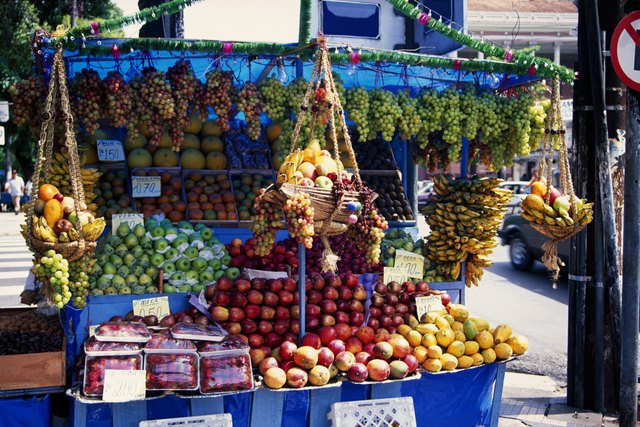
If you have ever sliced open a pawpaw and stared at its custardy yellow flesh, oversized black seeds, and mysterious tropical smell, you may have asked the obvious question: Is pawpaw poisonous, or did the forest just hand me pudding in a green wrapper? The answer is delightfully awkward, much like the fruit itself: pawpaw is edible, delicious, and native to North America, but not every part of it belongs in your mouth.
The ripe pulp of the American pawpaw, known scientifically as Asimina triloba, is widely enjoyed as a seasonal fruit. It tastes like banana, mango, melon, and vanilla custard had a meeting and forgot to invite ordinary apples. However, the seeds, skin, leaves, stems, bark, and unripe or poorly handled parts of the plant can cause trouble. In other words, pawpaw is not “poisonous” in the dramatic movie-villain sense, but it is a fruit that comes with rules. Ignore those rules and your stomach may file a formal complaint.
What Is Pawpaw?
Pawpaw is a small understory tree native to much of the eastern United States. It grows naturally in rich woodlands, along streams, in ravines, and in shady thickets. The fruit is often called American pawpaw, common pawpaw, prairie banana, Indiana banana, Kentucky banana, or poor man’s banana. Despite the nickname, it is not the same as papaya, which is sometimes called pawpaw in other countries. That naming confusion has probably caused more internet headaches than the fruit itself.
The American pawpaw belongs to the Annonaceae family, the same broad plant family as cherimoya, custard apple, soursop, and atemoya. That family connection matters because many annonaceous plants contain natural compounds called acetogenins. These compounds help the plant defend itself from insects and browsing animals, but they are also the reason people ask, “Are pawpaw seeds toxic?” and “Can pawpaw make you sick?”
Ripe pawpaw fruit is soft, fragrant, and highly perishable. It often ripens from late summer into early fall, depending on location and weather. A ripe fruit may yield gently to pressure, smell intensely fruity, or even drop from the tree. If it is rock-hard, green, bitter, or tastes like regret wrapped in banana perfume, it probably is not ready.
Is Pawpaw Poisonous?
The most accurate answer is: ripe pawpaw pulp is generally considered edible, but the skin, seeds, leaves, stems, bark, and some preparations can be irritating or toxic. Pawpaw is a “know what you are doing” fruit. It is not something to chew casually from leaf to seed like an apple.
The edible part is the soft, ripe inner pulp. This is the creamy flesh people scoop out and use in smoothies, ice cream, puddings, quick breads, custards, and sauces. The parts to avoid are the shiny dark seeds and the outer skin. Many reliable horticultural and extension sources recommend removing both before eating or processing pawpaw. That is not culinary snobbery; it is basic pawpaw manners.
Some people can eat ripe pawpaw pulp with no problem. Others report nausea, stomach discomfort, vomiting, diarrhea, or skin irritation after handling or eating the fruit. Individual sensitivity varies, which is why first-time eaters should treat pawpaw like a powerful new spice: start small, pay attention, and do not behave like you are competing in a woodland dessert Olympics.
Which Parts of Pawpaw Are Unsafe?
1. Pawpaw Seeds
Pawpaw seeds are large, smooth, dark, and tempting to curious people who enjoy making questionable decisions. Do not eat them. The seeds contain compounds that can irritate the digestive system, and chewing or blending them may increase exposure. A swallowed whole seed may pass through, but intentionally eating or grinding seeds is not recommended.
The seeds are also bitter. That bitterness is nature’s little pop-up warning: “Please stop.” If a pawpaw smoothie tastes unusually sharp, tannic, or unpleasant, one possible reason is that seed fragments or skin got mixed in. The safest move is to discard anything that tastes suspiciously bitter rather than trying to power through it like a heroic raccoon.
2. Pawpaw Skin
The skin of pawpaw fruit should not be eaten. It may cause stomach or intestinal discomfort, and some people develop skin irritation after handling the fruit. The skin can also add unpleasant bitterness to recipes. When processing pawpaw, scoop out the pulp and leave the peel behind. Scraping too aggressively near the skin can make the pulp taste off, especially in wild fruit.
3. Leaves, Stems, Bark, and Twigs
Pawpaw leaves, stems, bark, and twigs are not food. They contain stronger concentrations of defensive plant compounds than the ripe pulp and should not be used for casual teas, homemade extracts, or experimental “natural remedies.” This is especially important because pawpaw extracts have sometimes been marketed with bold health claims. Those claims are not the same as proof of safety or effectiveness.
4. Unripe Fruit
Unripe pawpaw is another no-thank-you zone. Firm, immature fruit may be unpleasantly bitter and harder on the stomach. Ripe pawpaw should be soft and aromatic. If you need a hammer, a motivational speech, or a negotiation strategy to open the fruit, it is not ready for dessert.
Why Can Pawpaw Cause Problems?
The main concern involves a group of natural plant chemicals called annonaceous acetogenins, including annonacin. These compounds are found in different parts of the pawpaw plant. Research has examined their potential biological effects, including insecticidal and cytotoxic activity. That sounds scientific because it is, but for everyday eaters the practical takeaway is simple: the plant’s defensive chemistry is real, and you should avoid the parts known to be more problematic.
Some medical references also warn against chronic or heavy consumption of pawpaw products because of concerns about annonacin and nerve toxicity. This does not mean that one spoonful of ripe pawpaw pulp is automatically dangerous. It means pawpaw should be eaten as an occasional seasonal fruit, not treated like a daily supplement, miracle cure, or smoothie base for the next decade.
Can You Eat Pawpaw Safely?
Yes, many people safely enjoy pawpaw by eating only the ripe pulp and avoiding the seeds and skin. The safest approach is simple:
- Choose fully ripe fruit that is soft and fragrant.
- Wash the outside before cutting.
- Slice the fruit open carefully.
- Scoop out the soft pulp.
- Remove and discard all seeds.
- Do not eat the skin.
- Try a small amount first if you are new to pawpaw.
People who are pregnant, nursing, managing neurological conditions, taking medications, or prone to food allergies should be especially cautious and ask a healthcare professional before eating pawpaw regularly or using pawpaw products. Children should eat only small amounts of properly prepared ripe pulp, and adults should supervise preparation because the seeds are easy to miss.
What Happens If You Eat Pawpaw Skin or Seeds?
Eating pawpaw skin or seeds may cause stomach pain, nausea, vomiting, diarrhea, or general digestive upset. Handling the fruit may also cause skin irritation in sensitive people. The reaction depends on the amount eaten, whether seeds were chewed or blended, the person’s sensitivity, and the condition of the fruit.
If someone eats a small accidental bit of skin or a swallowed whole seed, panic is usually not helpful. Monitor for symptoms and contact Poison Control or a medical professional if vomiting, significant pain, unusual symptoms, or concerns develop. If a child, pet, or someone with a health condition eats pawpaw seeds, skin, leaves, or plant parts, getting expert advice is the smart move.
Is Pawpaw Safe for Pets?
Pets are a special case. Dogs, cats, and other animals may react differently from humans, and seeds can also create choking or blockage risks depending on the animal’s size. While wildlife may eat pawpaw fruit, that does not mean household pets should be handed a pawpaw buffet. If a pet eats pawpaw seeds, skin, leaves, or a large amount of fruit, contact a veterinarian or pet poison hotline.
Does Cooking Pawpaw Remove the Risk?
Cooking pawpaw is popular in desserts, but it does not magically turn seeds and skin into safe ingredients. Always remove seeds and skin before cooking, freezing, or blending. Some pawpaw enthusiasts also report that cooked pawpaw can develop bitter or odd flavors, especially when heated too long or used in large quantities. Pawpaw has main-character energy, but it can become dramatic in the oven.
For best flavor and comfort, use ripe pulp in chilled or gently prepared recipes: smoothies, custards, ice cream, yogurt bowls, sauces, or no-bake desserts. If baking with pawpaw, start with a tested recipe and modest amounts. The fruit’s flavor is strong enough that you rarely need much.
How to Tell If a Pawpaw Is Ripe
A ripe pawpaw often gives slightly when pressed, similar to a ripe peach or avocado. The aroma becomes fruity and tropical. The skin may shift from green toward yellow-green or develop dark spots. Some ripe fruits fall naturally from the tree. A fallen pawpaw is not automatically perfect, though; check for mold, deep bruising, insects, or fermentation.
A good pawpaw smells sweet and tastes creamy. A questionable pawpaw may taste bitter, harsh, alcoholic, or unpleasantly musky. When in doubt, throw it out. No fruit is worth turning your evening into a digestive courtroom drama.
Pawpaw Allergy and Sensitivity
Even properly prepared ripe pawpaw pulp can bother some people. Reports include nausea, vomiting, diarrhea, and allergic-type reactions. The fruit is unusual, rich, and chemically complex. If you are trying pawpaw for the first time, eat one or two spoonfuls and wait. This is not the moment to recreate a pie-eating contest from a county fair.
Wear gloves when harvesting or processing if you have sensitive skin. If the sap, skin, or pulp causes itching, redness, burning, or rash, wash the area with soap and water and avoid further contact. People with a history of plant-related contact dermatitis should be extra careful.
Pawpaw vs. Papaya: Do Not Confuse Them
One major source of confusion is the word “pawpaw.” In the United States, pawpaw usually means Asimina triloba, the native North American fruit. In other parts of the world, “pawpaw” can mean papaya, or Carica papaya. These are completely different plants with different safety considerations, flavors, and culinary uses.
If an article says pawpaw seeds are used in a certain traditional way, check which pawpaw it means. Papaya seeds and American pawpaw seeds are not interchangeable. Botanical names may look fussy, but they prevent kitchen chaos.
Common Myths About Pawpaw Poisoning
Myth 1: Pawpaw Is Completely Poisonous
False. The ripe pulp is edible and enjoyed by many people. The safety issue is about plant parts, preparation, ripeness, quantity, and individual sensitivity.
Myth 2: If Wildlife Eats It, Humans Can Eat All of It
Not necessarily. Animals have different digestive systems and instincts. Also, many animals eat the pulp and leave seeds behind. Do not take dietary advice from raccoons. They have confidence, not credentials.
Myth 3: Natural Means Safe
Nope. Poison ivy is natural. So are lightning, mushrooms that look like snacks, and whatever smell comes from the back of a teenager’s gym bag. Pawpaw is natural and edible when used correctly, but “natural” does not mean “eat every part.”
Myth 4: Pawpaw Supplements Are the Same as Pawpaw Fruit
No. Concentrated extracts, capsules, and products made from twigs, bark, leaves, or other plant parts are different from eating occasional ripe pulp. Supplements may expose users to higher concentrations of active compounds and should not be used casually.
Best Practices for Preparing Pawpaw
To prepare pawpaw, rinse the fruit, slice it lengthwise, and gently open it. Scoop the pulp into a bowl and remove every seed. You can press the pulp through a sieve or food mill to separate seeds and fibers. Do not blend whole fruit. A blender can shatter seeds and mix bitter compounds into the pulp, which is both unpleasant and avoidable.
Use the pulp soon after ripening. Pawpaw has a short shelf life and bruises easily. Refrigeration can slow ripening for a short time, and clean pulp can be frozen for later use. Freeze only the seedless, skinless pulp in airtight containers. Label it clearly, unless you enjoy playing “mystery freezer archaeology” six months later.
Who Should Be Most Careful With Pawpaw?
Some people should take extra care or avoid pawpaw unless advised otherwise by a healthcare professional. This includes people who are pregnant, nursing, allergic to related fruits, sensitive to unusual fruits, managing neurological conditions, or considering pawpaw extracts for health purposes. Anyone who develops vomiting, severe stomach pain, rash, dizziness, or unusual symptoms after eating pawpaw should stop eating it and seek medical guidance.
Practical Experience Notes: What Eating Pawpaw Teaches You
People who try pawpaw for the first time often describe the experience as part treasure hunt, part science project, and part dessert surprise. Unlike apples, bananas, or supermarket peaches, pawpaws rarely arrive looking polished and predictable. They are soft, fragrant, sometimes blotchy, and often found during a narrow seasonal window. That alone teaches the first lesson: pawpaw is not convenience fruit. It is patience fruit.
A common beginner experience is picking pawpaw too early. The fruit may look large and promising, but if it is hard and lacks aroma, the flavor can be disappointing. Some first-timers bite into underripe pawpaw and wonder why anyone praises it. A ripe pawpaw, however, can be astonishingly creamy. It may taste like banana custard with hints of mango and melon. The difference between underripe and ripe is not subtle; it is the difference between “Why did I do this?” and “Where has this been all my life?”
Another experience many people report is learning to respect the seeds. Pawpaw seeds are large enough to notice, but they hide inside the pulp like glossy little speed bumps. When scooping the fruit, it is easy to get impatient and scrape too aggressively. That is when bits of seed coating or skin-adjacent pulp may sneak into the bowl and add bitterness. The best habit is to slow down, remove seeds by hand or with a spoon, and accept that pawpaw processing is slightly messy. The fruit is basically custard wearing hiking gear.
Some people also discover that less is more. Pawpaw has a rich flavor and texture, so a small serving can feel satisfying. Eating too much at once may lead to digestive discomfort, especially for beginners. The smartest first experience is a few spoonfuls of ripe pulp, not a giant smoothie, pie, and ice cream sampler in one sitting. Your taste buds may be adventurous, but your stomach prefers paperwork in triplicate.
For home cooks, pawpaw teaches gentle handling. Raw pulp shines in chilled desserts, yogurt, and smoothies when properly strained and seed-free. In baked goods, its flavor can become stronger, sweeter, or occasionally odd, depending on the recipe. Many cooks learn to pair it with vanilla, lemon, lime, coconut, or mild dairy to balance its tropical intensity. Pawpaw does not need to shout; it already walked into the kitchen wearing a banana-mango perfume cloud.
For foragers, the biggest lesson is identification and restraint. A responsible pawpaw experience starts with being completely sure of the plant, harvesting ripe fruit, leaving plenty for wildlife, and avoiding any fruit that is moldy, fermented, damaged, or questionable. Pawpaw patches are beloved by people, but also by animals, pollinators, and the ecosystem around them. Good foraging is not just “Can I eat this?” It is also “Should I take this, and how much?”
Finally, pawpaw teaches humility. It is edible, but not effortless. It is native, but not automatically harmless. It is delicious, but not for everyone. The people who enjoy it most are usually the ones who learn its quirks: ripe pulp only, no skin, no seeds, no leaves, no stems, and no heroic overconsumption. Follow those rules and pawpaw becomes one of America’s most fascinating seasonal fruits. Ignore them and the fruit may remind you, very personally, that nature has terms and conditions.
Conclusion: So, Is Pawpaw Poisonous?
Pawpaw is not poisonous when you eat the right part in the right way. The soft, ripe pulp of American pawpaw is edible and prized for its custard-like texture and tropical flavor. However, the seeds, skin, leaves, stems, bark, and unripe parts should not be eaten. Some people may also experience stomach upset or allergic reactions even from properly prepared pulp, so beginners should start with a small serving.
The safest rule is simple: enjoy ripe pawpaw pulp occasionally, remove every seed, avoid the skin, skip homemade medicinal experiments, and do not eat plant parts that reputable sources say to avoid. Pawpaw is a wonderful fruit, but it is not a free-for-all. Treat it with respect, and it can be a memorable seasonal treat rather than a cautionary tale told from the bathroom.
SEO Tags
Note: This article is for general educational and SEO publishing purposes only. It is not medical advice. If someone eats pawpaw seeds, skin, leaves, stems, or has symptoms after eating pawpaw, contact a medical professional or Poison Control for guidance.














