
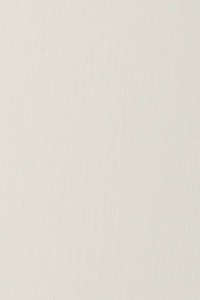
Kalklitir’s Limewash Powder in Palladio is what happens when an ordinary beige wall decides it would rather spend the summer in an Italian villa. Soft, warm, mineral-rich, and intentionally imperfect, this powdered lime paint creates the kind of layered finish that conventional flat paint triesand usually failsto imitate.
Palladio is a delicate light beige with restrained yellow undertones. It is neutral enough to work with many decorating styles, yet it has more life than a standard cream or off-white. As daylight moves across the wall, the surface can appear pale and airy in one moment, then warmer and more textured a few hours later. The color does not shout for attention. It quietly makes everything around it look more considered.
Unlike ready-mixed latex paint, Kalklitir limewash arrives as a dry powder. You add water, mix it into a thin mineral paint, and apply it with a broad limewash brush. The process is slightly more involved than opening a can and attacking the wall with a roller, but the reward is a matte, cloud-like finish with visible movement, tonal variation, and old-world character.
What Is Kalklitir Palladio Limewash Powder?
Kalklitir is a natural mineral paint brand known for producing lime-based wall finishes in powdered form. Palladio is one of its most versatile neutral colors, combining a light beige foundation with subtle warm undertones.
The powder is mixed with water before application. A 1-kilogram package is traditionally combined with approximately 1.7 liters of water, producing roughly 2 liters of usable lime paint. Coverage depends on the porosity of the wall, the application technique, and the amount absorbed by the surface. A prepared batch may cover approximately 16 to 24 square meters for one coat or around 8 to 12 square meters when applying the recommended two coats.
Those figures should be treated as planning estimates rather than sacred mathematical law. Highly absorbent plaster may drink more product, while a properly primed, consistent wall can provide more predictable coverage. Limewash has personality. Occasionally, that personality includes ignoring your spreadsheet.
Understanding the Palladio Color
A Warm Neutral Without the Yellow-Wall Problem
Palladio sits comfortably between cream, sand, light beige, and warm stone. Its soft yellow undertone helps prevent the color from feeling gray or sterile, but it is subtle enough that the room should not resemble a bowl of vanilla pudding.
In a north-facing room with cooler natural light, Palladio may read as a muted stone beige. In south-facing rooms, it can become warmer and more luminous. Under warm artificial lighting, its creamy undertones are likely to become more noticeable. This changing character is part of the attraction of limewash, but it also makes sampling essential.
Why the Finish Changes With the Light
Conventional paint creates a relatively uniform film across the surface. Limewash behaves differently. Its mineral particles, absorption pattern, brush movement, and natural variation influence how light is reflected. The result is a wall that appears softly mottled rather than mechanically solid.
The effect is usually most visible in side lighting, such as morning sun entering beside a window or the warm glow of a wall sconce in the evening. Instead of looking dirty or streaked, a successful application has a gentle, cloudy rhythm. It resembles aged plaster or limestone rather than a perfectly printed block of color.
Why Choose Powdered Limewash?
Compact Packaging and Less Water Weight
Most conventional paints are shipped with water already mixed into the formula. A powdered limewash product avoids transporting much of that water weight. The package is compact, easier to store before mixing, and prepared only when needed.
This does not automatically make every part of the product’s lifecycle perfect, but the powder format is an appealing idea for homeowners who prefer concentrated products and simpler packaging. It also makes Kalklitir noticeably different from the rows of heavy paint cans that seem determined to dislocate your shoulder before the decorating project even begins.
A Natural Mineral Appearance
Palladio is not designed to look like smooth acrylic wall paint. Its value lies in visible brushwork, subtle texture, and organic variation. The finished wall can complement natural materials such as oak, linen, wool, travertine, terracotta, rattan, handmade ceramics, and aged brass.
The mineral appearance also works well in modern interiors. A restrained room with simple furniture can feel cold when every surface is perfectly flat and flawless. Palladio adds depth without adding a busy pattern or dramatic color.
Breathability
Traditional lime-based finishes are valued for their vapor permeability. On compatible mineral surfaces, they allow moisture vapor to move through the wall rather than trapping it beneath a plastic-like coating. This characteristic has made limewash useful in historic masonry and plaster buildings for generations.
Breathability still depends on the full wall system. Applying a breathable finish over an unsuitable nonbreathable coating does not magically turn the entire assembly into a moisture-management superhero. Substrate condition, primer selection, previous paint layers, and environmental exposure all matter.
Where Palladio Works Best
Living Rooms
Palladio can soften a large living room without making it feel dark. Its warm neutral tone pairs naturally with cream upholstery, walnut furniture, black metal accents, earthy artwork, and pale oak flooring.
For the strongest effect, consider limewashing all main walls rather than treating one wall as a conventional accent. The continuous tonal movement can make the entire space feel more architectural and cohesive.
Bedrooms
The gentle, low-contrast character of Palladio is especially suitable for bedrooms. It creates warmth without introducing a stimulating or overly saturated color. Linen bedding, muted textiles, woven rugs, and warm bedside lighting can make the room feel calm and cocooning.
Applying the finish to both walls and ceiling can create an immersive effect, although ceilings require careful planning. Gravity has never respected interior design ambitions, and thin limewash can drip if the brush is overloaded.
Dining Rooms
In a dining room, Palladio provides a flattering backdrop for wood tables, ceramics, candles, artwork, and sculptural light fixtures. Evening illumination emphasizes the brushed mineral texture, giving the room a quietly dramatic atmosphere without relying on a dark wall color.
Entryways and Hallways
Limewash can bring life to transitional spaces that otherwise receive little decorating attention. However, entryways and narrow hallways are often touched, bumped, and brushed by bags, coats, children, pets, and mysterious household objects nobody remembers purchasing.
For these areas, consider whether a compatible protective topcoat is appropriate. Any sealer may deepen the color or change the ultra-matte appearance, so test the complete system before covering the entire space.
Bathrooms and Kitchens
Palladio can look beautiful in a powder room, well-ventilated bathroom, or kitchen away from direct splashes. It should not be treated as a substitute for waterproof tile, a shower membrane, or an easily scrubbed backsplash.
Areas exposed to grease, repeated water contact, steam, and aggressive cleaning may need additional protection. Check the manufacturer’s current recommendations for primers and topcoats before using limewash in demanding locations.
Surface Preparation for Kalklitir Limewash
A beautiful limewash finish begins long before the decorative brushwork. The surface should be sound, clean, dry, and consistent. Loose paint, dust, grease, adhesive residue, moisture damage, and unstable repairs can all interfere with the result.
Inspect the Wall
Check for peeling coatings, cracks, damp spots, glossy areas, stains, and poorly bonded patches. Repair the underlying cause of moisture before decorating. Limewash can help a compatible wall remain vapor-permeable, but it cannot repair a leaking pipe, defective roof, or chronically wet foundation.
Clean and Repair
Remove dust and surface contamination. Fill holes and cracks using materials appropriate for the wall. Sand obvious ridges where necessary, then remove the sanding dust.
Repairs often absorb paint differently from the surrounding surface. Without an appropriate primer, every filled nail hole may reappear like a tiny monument to your preparation work.
Use the Correct Primer
Raw, absorbent mineral surfaces and previously painted drywall require different preparation. Modern limewash systems commonly use a compatible primer or prep coat to create uniform absorption and provide enough texture for the lime finish to grip.
Do not assume that any leftover glossy primer in the garage will work. Verify compatibility with Kalklitir’s current instructions, particularly when painting over acrylic coatings, patched drywall, furniture, plasterboard, or mixed substrates.
Make a Large Sample
A tiny color chip cannot accurately demonstrate the movement of limewash. Prepare a sample board large enough to show two coats and the intended brush technique. Move it around the room and observe it in morning light, afternoon light, and artificial evening light.
This simple step is much cheaper than discovering that your dream warm beige becomes noticeably golden beneath every lamp in the house.
How to Mix Kalklitir Palladio
Follow the water ratio and mixing directions supplied with the specific package. Product instructions may change, and small sample sizes may use different measurements from a full 1-kilogram bag.
- Use a clean bucket large enough to mix without splashing.
- Add the measured amount of clean water.
- Gradually introduce the powder while stirring.
- Mix thoroughly until no dry pockets or lumps remain.
- Allow the mixture to rest if instructed by the manufacturer.
- Stir again before application and regularly while working.
Mineral pigments can settle, so periodic stirring helps maintain a consistent mixture. Scrape the bottom and sides of the bucket rather than merely waving the stir stick around the top with great confidence.
Wear suitable eye and skin protection while handling the dry powder and wet lime mixture. Lime-based materials are alkaline, and splashes should be avoided. Protect flooring, trim, hardware, glass, and adjacent surfaces before mixing or painting.
How to Apply Palladio Limewash
Use a Limewash Brush, Not a Roller
A broad limewash or masonry brush creates the characteristic movement of the finish. A roller tends to distribute the paint too uniformly and cannot produce the same hand-brushed pattern.
Choose a brush large enough to work efficiently but comfortable enough to control. Limewash application relies on repeated movement, so an unnecessarily heavy brush can turn a creative afternoon into an unexpected shoulder workout.
Work in Manageable Sections
Apply limewash in broad, overlapping strokes. Crosshatch, cloud-like, or loose X-shaped movements are commonly used to avoid rigid vertical bands. Maintain a wet edge and complete one wall or logical section without long interruptions.
Avoid outlining the entire room and filling the center later. Those dry edges may remain visible. Carefully brush near trim as you progress through each section.
Keep the Application Thin
Limewash is generally thinner and more translucent than ordinary wall paint. Do not overload the brush in an attempt to create full opacity immediately. Heavy application can cause drips, uneven drying, and a flatter, less refined result.
The first coat may look alarming while wet. It can appear transparent, irregular, or significantly darker than expected. Allow it to dry fully before judging the color or coverage.
Apply the Second Coat
Two coats are commonly recommended for Kalklitir limewash. The second coat adds body, depth, and more controlled tonal movement. Some projects may benefit from a third thin coat, but additional layers can reduce contrast and change the character of the finish.
Follow the manufacturer’s drying-time guidance. Temperature, humidity, ventilation, surface porosity, and coat thickness can affect how quickly the wall is ready for recoating.
Coverage, Quantity, and Project Planning
Measure the length and height of each wall, multiply those figures to calculate the area, and subtract large doors or windows. Then allow extra material for absorption, technique, spills, uneven surfaces, and future repairs.
For a room that falls close to the maximum estimated coverage of one package, buying additional powder from the same production batch may be sensible. Natural finishes can show minor variation, and running out midway through the final wall is not the dramatic ending your renovation deserves.
Mix enough material to maintain consistency across a full wall. When using multiple packages, combining the dry powders or mixed batches may help minimize slight color differences, provided this approach is compatible with the product instructions.
Care and Maintenance
Unsealed limewash should be treated more gently than scrub-resistant kitchen paint. Dust can usually be removed carefully with a soft, dry cloth or suitable duster. Avoid abrasive cleaners, harsh chemicals, and enthusiastic scrubbing.
Small marks may not disappear through spot cleaning. Local touch-ups can also remain visible because fresh brushwork and mineral absorption may differ from the original finish. In some cases, recoating a larger section or the entire wall produces a better result.
A compatible topcoat may improve resistance in busy spaces, but it can alter the color, sheen, texture, and breathability. Always test the sealer over the complete two-coat sample rather than assuming it will dry invisibly.
Advantages and Possible Drawbacks
Advantages
- Creates a distinctive matte, mineral finish.
- Adds visible depth without a bold pattern.
- Palladio coordinates with many warm and neutral palettes.
- Powdered packaging is compact before mixing.
- Compatible systems can remain breathable on mineral walls.
- Brush marks and variation make each application unique.
- Works in traditional, Mediterranean, Scandinavian, rustic, and modern interiors.
Possible Drawbacks
- Requires more preparation than ordinary wall paint.
- The finished appearance depends heavily on brush technique.
- Color and movement can vary with lighting and absorption.
- Unsealed walls may be vulnerable to marks and scrubbing.
- Spot repairs can remain visible.
- Wet lime materials require careful handling and protection.
- Perfectionists may need time to embrace intentional irregularity.
Who Should Choose Kalklitir Palladio?
Palladio is a strong choice for homeowners and designers who want a warm, understated neutral with more character than standard beige paint. It is particularly well suited to interiors featuring natural materials, handmade objects, soft textiles, vintage furniture, or sculptural modern pieces.
It may be less suitable for anyone expecting a perfectly uniform factory finish or a wall that can be scrubbed weekly with powerful household cleaner. Limewash is meant to look alive. Its tonal shifts, brush movement, and slight irregularities are the point, not evidence that the paint forgot to behave.
What the Palladio Limewash Experience Is Like in Practice
The first surprise during a Palladio project is usually the consistency. Once mixed, limewash can feel considerably thinner than standard interior paint. A homeowner accustomed to loading a roller with creamy latex may briefly wonder whether the bucket contains colored water. That reaction is normal. The thinness helps the material spread in translucent mineral layers rather than sitting on the wall as a thick plastic film.
The second surprise is how questionable the first coat can look. Wet sections may seem dark, patchy, striped, or wildly inconsistent. This is the moment when many first-time users begin mentally calculating the cost of repainting the room. Patience matters. As the coat dries, the lime lightens and the scattered brush marks begin to form a softer, more coherent surface.
Working methodically makes the experience much easier. Starting at the upper corner and moving across the wall in manageable sections helps maintain a wet edge. A loose crosshatch motion tends to create more natural movement than rows of disciplined vertical strokes. The goal is not to paint each square foot identically. It is to distribute variation evenly enough that no single patch steals the show.
Brush loading also becomes a skill. Too much material produces drips and heavy patches. Too little causes the brush to drag and creates dry, scratchy marks. After several minutes, most users develop a rhythm: dip, remove the excess, spread broadly, overlap the previous section, and step back occasionally to check the wall as a whole.
The second coat is where Palladio generally begins to justify the effort. The color gains substance, while the underlying movement remains visible. Areas that appeared unrelated after the first coat start connecting into a continuous stone-like field. The effect is especially satisfying near windows, where changing daylight reveals variations that were nearly invisible under work lights.
One practical lesson is to keep stirring. Powdered pigments and mineral solids naturally settle as the project continues. Forgetting to stir can result in the upper portion of the bucket becoming thinner while the lower portion grows stronger and denser. A quick but thorough stir at regular intervals helps prevent one wall from looking like Palladio and the next from looking like Palladio’s more dramatic cousin.
Another lesson involves expectations. Limewash rewards confidence but punishes overcorrection. Repeatedly brushing an area as it begins to set can create polished patches, harsh marks, or visible overlaps. It is often better to apply the coat consistently, leave it alone, and evaluate the wall only after it has dried.
Once finished, the room can feel noticeably different even though Palladio is not a bold color. Flat beige paint tends to retreat completely, while Palladio remains quietly present. The wall interacts with shadows, furniture, and daylight. Linen looks softer against it, wood appears warmer, and simple artwork gains a more dimensional background.
The finished surface may also change how imperfections are perceived. Minor variation becomes part of the decorative language, which can make an older home feel more authentic rather than poorly maintained. However, major wall damage, uneven repairs, and badly prepared patches will not automatically become charming. Limewash celebrates subtle irregularity, not structural chaos.
Overall, the Palladio experience is less like repainting a room and more like applying a hand-finished surface. It requires preparation, observation, and a willingness to let the material retain some individuality. For people who enjoy slow, tactile decorating projects, that involvement is part of the appeal. For those who want to finish three rooms before lunch using a roller attached to an extension pole, this may not be the most cooperative paint in the house.
Final Verdict
Kalklitir’s Limewash Powder in Palladio offers a refined balance of warmth, texture, and versatility. Its light beige color is easy to coordinate, while the mineral finish gives walls far more depth than conventional neutral paint.
The product requires thoughtful surface preparation, proper mixing, a broad limewash brush, and acceptance of natural variation. It is not the fastest route to a perfectly uniform wall. It is the better route for anyone seeking a soft, handmade surface that changes gently with the light and gives a room the quiet character of aged plaster.
Palladio proves that beige does not have to be boring. Sometimes it simply needs limestone, a large brush, and permission to be a little imperfect.












