
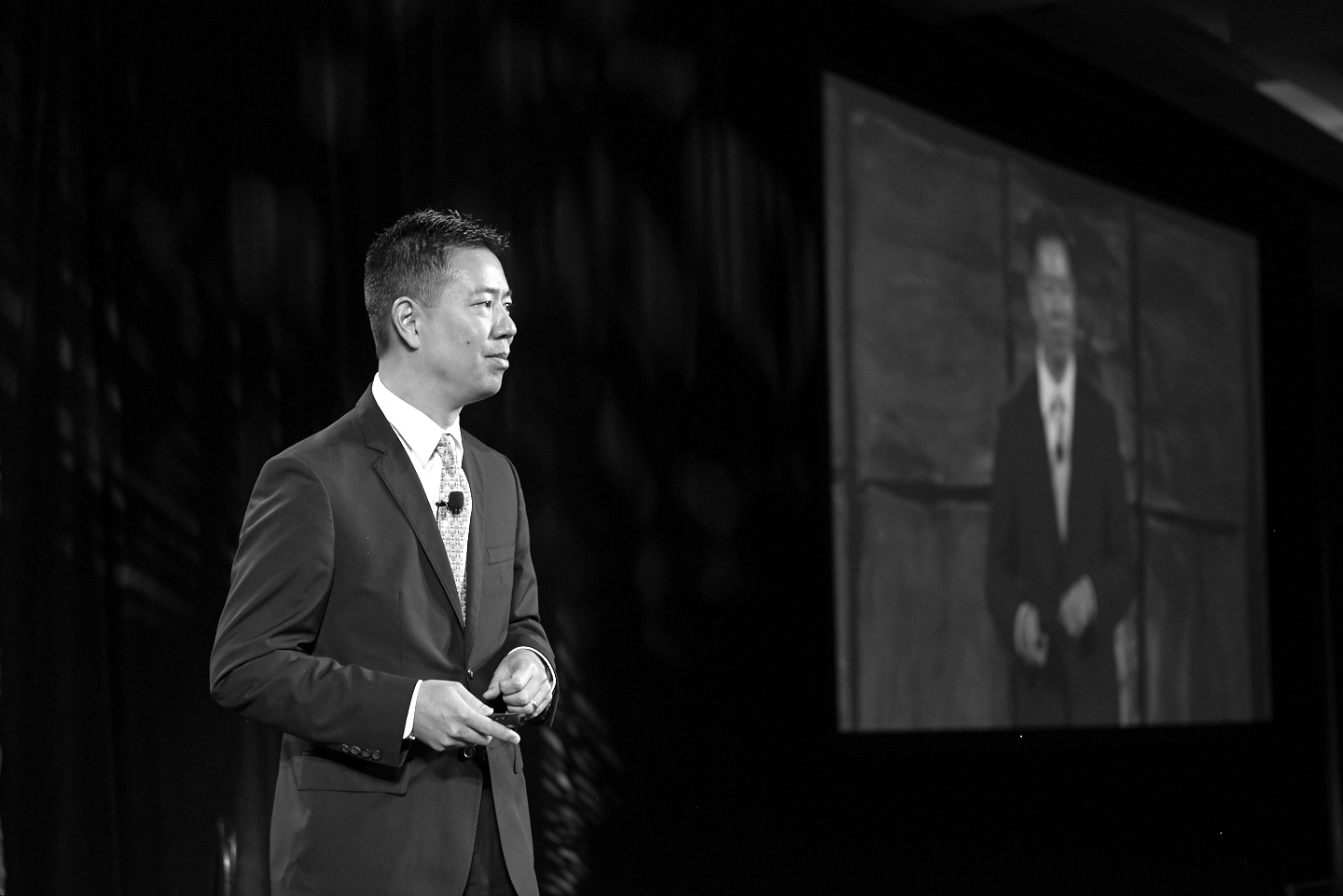
Spring 2019 was a pretty revealing moment for medical communication in America. Health care was already deep into the digital era, but many clinicians were still deciding whether social media was a useful tool, a professional headache, or the online equivalent of stepping barefoot onto a Lego. Into that moment stepped Kevin Pho, MD, founder of KevinMD, with a spring speaking slate that tied together three very different conference audiences: endocrinologists at AACE 2019, hospital and health system leaders at Becker’s Health IT + Clinical Leadership + Pharmacy Conference, and primary care clinicians at Pri-Med West.
That lineup mattered because it showed something larger than one doctor giving a few well-received talks. It showed that by 2019, the intersection of medicine and social media had moved from side conversation to main stage. Kevin Pho was no random commentator parachuting into health care with a ring light and a hot take. He was already a practicing internist, a longtime publisher, a national commentator, and a physician speaker whose signature topic focused on how social media could strengthen the doctor-patient relationship, shape public health conversation, define online reputation, and even push back against clinician burnout. In other words, he was not there to teach doctors how to post selfies with stethoscopes. He was there to argue that communication had become part of clinical relevance.
Why spring 2019 stood out
Kevin Pho publicly announced in March 2019 that he would keynote three conferences that spring: the 28th Annual Scientific & Clinical Congress of the American Association of Clinical Endocrinologists, Becker’s Health IT + Clinical Leadership + Pharmacy 2019, and Pri-Med West. On paper, that may look like a normal speaker update. In practice, it was a snapshot of how wide his message had traveled.
Consider the audiences. AACE focused on practicing endocrinologists and clinical education. Becker’s gathered hospital executives, clinical leaders, and digital health decision-makers. Pri-Med West centered on frontline primary care education. Those are not identical crowds. They care about overlapping issues, but they hear them through very different daily pressures. One audience worries about specialty care complexity, another about system-wide transformation, and another about practical patient communication in the exam room. The fact that KevinMD fit all three suggests that his theme was not trendy fluff. It was a cross-cutting issue with real staying power.
That also explains why the spring 2019 keynote run reads less like a victory lap and more like a case study in timing. By then, physicians were already dealing with online reviews, rating sites, public misinformation, compressed visit times, and a growing need to communicate beyond the walls of a clinic. If medicine had entered the group chat, Kevin Pho was one of the people explaining how not to embarrass yourself in it.
The first major stop: AACE 2019
The clearest documented spring appearance was at AACE 2019. AACE identified Kevin Pho as the keynote speaker for “Social Media and the Physician,” scheduled for Saturday, April 27, during the organization’s 28th Annual Scientific & Clinical Congress in Los Angeles. The event itself was designed to update endocrinologists on scientific advances, patient management, and practice issues, which makes the inclusion of a social media keynote especially telling.
Why would a specialty meeting devoted to endocrine care place social media on the keynote stage? Because by 2019, specialty expertise alone was not enough. Endocrinologists were already practicing in an environment where patients arrived with online research, questionable internet advice, and a growing habit of evaluating physicians digitally. A keynote on social media was not a detour from medicine. It was a discussion about how medicine was being seen, shared, and judged.
Kevin Pho’s own follow-up after the AACE talk gives the appearance extra credibility. He thanked AACE for the honor of keynoting and noted that the exhibit hall Q&A showed strong physician interest in navigating the health care-social media intersection. That matters because a good keynote does more than fill a ballroom and politely release people toward coffee. It creates questions. The AACE stop appears to have done exactly that.
It also fit Pho’s broader speaking framework. His published keynote themes include helping clinicians strengthen the doctor-patient relationship, define an online reputation, connect with mainstream media, and make their voices heard in the health reform conversation. For endocrinologists dealing with chronic disease education, complex treatment decisions, and patients who often live online between appointments, that message was not abstract. It was practical.
The second stop: Becker’s Health IT + Clinical Leadership + Pharmacy 2019
If AACE represented the specialty side of medicine, Becker’s represented the institutional side. Becker’s Hospital Review and PRWeb announced that Kevin Pho would keynote the Health IT + Clinical Leadership + Pharmacy Conference, held May 2 to 4, 2019, at the Swissotel in Chicago. The event positioned him alongside celebrity names Terry Bradshaw and Bobbi Brown, which sounds like the setup to an oddly specific airport bar joke, but it also reveals something meaningful: Becker’s believed Pho belonged in that top-tier keynote company.
This conference drew a leadership-heavy audience. Becker’s described more than 1,450 hospital attendees, including more than 200 C-suite and vice president-level attendees, and highlighted sessions on telehealth, artificial intelligence, clinical analytics, pharmacy, and organizational transformation. That is not the kind of event that invites a speaker just because he has a neat blog and decent microphone presence. It is a room built around strategy, operations, and systems thinking.
So why Kevin Pho? Because social media in health care is not only a physician issue. It is also a leadership issue. Hospitals and health systems operate in a world where reputation, trust, recruiting, patient communication, and crisis response increasingly unfold online. A physician who had spent years building a large medical publishing platform, shaping public conversation, and translating clinical issues for broad audiences was highly relevant to that room.
Becker’s also emphasized that the conference would address business and technology solutions, which helps explain the fit. Kevin Pho’s value was not that he was “good at the internet.” It was that he understood how communication, platform visibility, and physician voice affect the health care ecosystem. In a system increasingly influenced by digital behavior, the doctor who can explain public trust becomes as interesting as the executive who can explain data dashboards.
The third stop: Pri-Med West
The third appearance in Kevin Pho’s spring announcement was Pri-Med West, and that stop may have been the most quietly important of the three. Pri-Med’s faculty page lists Kevin Pho as a board-certified internist and founder of KevinMD, emphasizing his role as a leading physician voice in social media. Pri-Med West itself is designed for primary care clinicians, which means this appearance placed Pho’s message in front of the group that has to translate complexity into clarity all day, every day.
Primary care is where a huge portion of health misinformation meets the real world. Patients bring in viral claims, half-right headlines, social media fears, and miracle-cure nonsense with great enthusiasm and zero footnotes. A keynote at Pri-Med West, then, was not just about personal branding or online etiquette. It was about communication as a clinical skill.
There is also evidence that his Pri-Med style landed well. On Kevin Pho’s speaker site, an attendee reaction described him as “the best of Pri-Med,” calling the presentation marvelous, informative, and engaging. That kind of feedback tracks with the rest of his speaker testimonials, which repeatedly describe his talks as practical, energetic, and immediately useful rather than theoretical or self-congratulatory.
And that may explain why Pri-Med made sense in this spring run. Kevin Pho’s message was broad enough for executives and specialists, but concrete enough for the everyday rhythm of primary care. He was speaking to clinicians who needed tools, not digital philosophy. Primary care has very little patience for vague inspiration. If an idea cannot help in Tuesday afternoon clinic, it tends to die there. Pho’s continued fit with Pri-Med suggests his content crossed that test.
What Kevin Pho was really selling from the stage
Not products. Not hacks. Not “ten easy ways to go viral before lunch.” The core of Kevin Pho’s speaking message was that physicians and health professionals should use social media deliberately to improve health care communication. His published keynote themes point to several recurring ideas.
1. Physicians should not abandon the online conversation
That idea has aged well. The American Medical Association now frames social media as something physicians can use for personal and professional growth while maintaining ethical standards and a professional presence. Pri-Med has likewise argued that clinicians are already influencers in practice and increasingly need to meet patients where they are, including on social platforms. Kevin Pho was pushing that kind of thinking before it became more mainstream.
2. Online reputation is not optional
This was one of Pho’s signature themes, and it was not paranoia. Mayo Clinic reported that online physician reviews can affect perception in ways that do not always reflect rigorous patient satisfaction data, while still shaping how doctors are found and judged. In other words, the internet may not always be fair, but it is still on the jury. Kevin Pho’s focus on defining and protecting online reputation was ahead of the curve because it treated digital presence as part of professional reality.
3. Social media can amplify evidence-based medicine
That message fit the broader health environment in 2019. AHRQ’s digital health research archive reflects longstanding interest in how patients communicate health information through social and digital channels. Around the same time, media coverage of the “social media doctor” was showing that more physicians were using online platforms to fight misinformation, educate patients, and expand their public voice. Pho’s keynote circuit landed right in the middle of that shift.
4. Storytelling matters in health care
KevinMD was never just a news site. It became a platform where physicians, nurses, medical students, and patients could share experiences that were often missing from formal policy discussions. That storytelling dimension mattered to his speaking identity. His talks were designed not just to explain platforms, but to argue that health care stories deserve a public audience. That is one reason his message reached beyond one specialty or one conference niche.
Why these appearances mattered beyond the conference calendar
It is tempting to treat conference appearances as calendar filler with better lanyards. But KevinMD’s spring 2019 keynote slate marked something more interesting: institutional recognition that physician communication had become strategically important.
AACE elevated the issue inside a specialty conference. Becker’s put it in front of hospital leadership and digital health decision-makers. Pri-Med connected it to frontline clinicians. Together, those appearances showed that social media in medicine was no longer a side hobby for digitally adventurous doctors. It had become part of how health care organizations, specialists, and primary care clinicians thought about trust, communication, and influence.
That broader relevance also helps explain Kevin Pho’s continued visibility. HealthTech Magazine later included him on its 2019 list of must-follow health IT influencers and described KevinMD as a trusted source with millions of monthly page views. USA Today listed him among its opinion contributors, and speaker agencies continued to present him as a physician who could connect clinical credibility with public-facing communication. The spring 2019 keynote run now looks, in hindsight, like a concentrated expression of a role he had been building for years.
What attending these keynotes probably felt like: an experience-based reflection
Based on Pho’s own post-event comments, conference descriptions, and attendee testimonials, the spring 2019 keynote appearances likely had a very particular energy. They were probably not the kind of talks where people sat politely, checked email under the table, and waited for the phrase “in conclusion” like it was a rescue helicopter. The reactions suggest something more active: curiosity, surprise, a little discomfort, and a practical sense that the speaker was naming a reality many clinicians already felt but had not fully organized in their heads.
At AACE, for example, the reported exhibit hall Q&A after the keynote suggests an audience that wanted to keep going. That is usually a sign that the presentation reached beyond novelty. Endocrinologists likely heard their own daily frustrations reflected back to them: patients arriving with internet advice, the challenge of being both expert and explainer, and the pressure of maintaining authority in an environment where a viral post can outrun a careful consultation. Sitting in that room probably felt like hearing someone say, “No, you’re not imagining it. Communication really has changed, and yes, you are now practicing medicine in public.”
The Becker’s stop likely had a different texture. That crowd was stacked with leaders, executives, and clinical decision-makers. The atmosphere was probably more strategic, more systems-oriented, maybe even a little more polished in that “conference coffee is free but your time is not” way. In that setting, Kevin Pho’s message would have felt less like a tutorial and more like a warning label with good stage presence. Reputation, trust, and digital voice are not side issues for hospitals; they shape recruitment, patient perception, media response, and brand authority. For that audience, the keynote experience was probably about realizing that social media had moved from marketing department accessory to enterprise-level concern.
Pri-Med West, by contrast, was likely the most intimate in effect even if the room was busy. Primary care clinicians tend to listen through the filter of immediate usefulness. Can I apply this? Will this help me tomorrow? Am I about to learn something practical, or am I being professionally serenaded by buzzwords? The Pri-Med audience feedback on Pho’s speaker page suggests he passed that test. Attendees seem to have experienced the talk as engaging, funny, and informative rather than abstract. That matters. Primary care clinicians are not looking for digital mysticism. They want tools that can help them educate patients, handle misinformation, and understand how their names and voices live online when they are not in the exam room.
Across all three appearances, the common experience was probably recognition. Recognition that social media was not merely entertainment. Recognition that patients were forming opinions before appointments even began. Recognition that physician voice mattered outside journals and conference halls. And maybe, for at least some attendees, recognition that being online did not have to mean becoming performative or unprofessional. It could mean becoming clearer, more visible, and more useful. That is likely why this spring run still feels interesting years later. It captured a moment when medicine was not just adopting new tools. It was renegotiating how authority, trust, and human connection worked in a digital public square.
Conclusion
KevinMD’s spring 2019 keynote appearances were significant not simply because Kevin Pho booked three notable conferences. They mattered because those appearances mapped the growing importance of physician voice across specialty care, health system leadership, and primary care education. AACE showed the issue had reached clinical specialists. Becker’s showed it mattered to institutions. Pri-Med West showed it belonged in the daily toolkit of frontline clinicians.
What united the run was Kevin Pho’s central argument: social media had become part of health care whether doctors liked it or not, so the smarter move was to engage with it ethically, strategically, and humanely. In 2019, that message was timely. In many ways, it now looks downright obvious, which is usually what happens when an idea wins.
If spring 2019 proved anything, it is this: the physician who understands both medicine and communication is no longer a niche figure. He is a preview of where modern health care has been heading all along.












