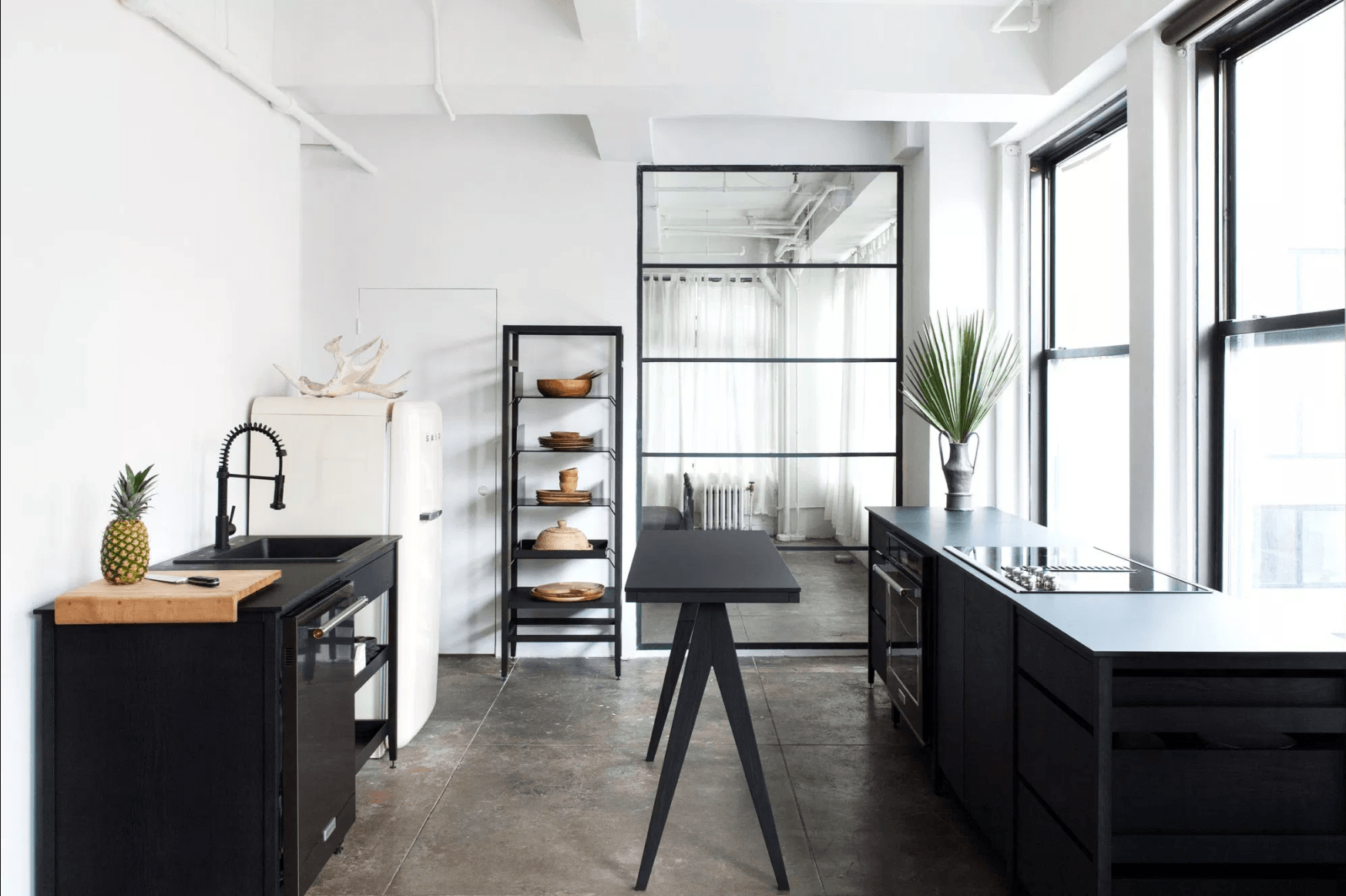
Some kitchens are designed to keep fingerprints off the refrigerator. This one seems designed to collect stories, wine rings, flower stems, andhelping” while standing directly in front of the silverware drawer.
Set in Manhattan’s Flower District, the kitchen at Witness Apartment was created as more than a place to cook. The West 30th Street apartment served as a rentable creative space for events, shoots, workshops, weddings, and dinner productions. Its renovation replaced conventional cabinetry with furniture-like modules, turning the room into a flexible stage for food, design, and conversation.
The result is a memorable black-and-white kitchen with portable storage, statement lighting, and enough visual confidence to make a bowl of lemons look professionally represented. Its most useful lesson, however, is simple: an entertaining kitchen should adapt to people, not force people to adapt to it.
A Manhattan Kitchen That Behaves Like a Good Host
A good host creates structure without making guests feel managed. This kitchen performs the architectural version of that trick. Cooking equipment is clearly organized, tableware remains visible, and freestanding components can be rearranged for different occasions. A chef-led tasting, a floral workshop, and a relaxed supper for eight do not require identical layouts, so the furniture does not pretend they do.
From Built-In Cabinetry to Movable Architecture
The redesigned room used Coquo’s modular kitchen furniture in midnight-black stained oak and powder-coated metal. A freestanding island provided preparation space and a gathering point. Separate drawer units, appliance surrounds, a sink base, and tall storage cabinets completed the kitchen without producing the heavy, wall-to-wall effect of traditional millwork.
This approach is especially useful in New York, where every square foot is expected to perform several jobs and possibly freelance on weekends. Individual pieces can be moved, replaced, or reused as the room changes. Durable oak and metal construction also allow the kitchen to age more like furniture than a temporary installation. A scratch becomes patina rather than an emergency meeting.
A Monochrome Palette With One Bright Surprise
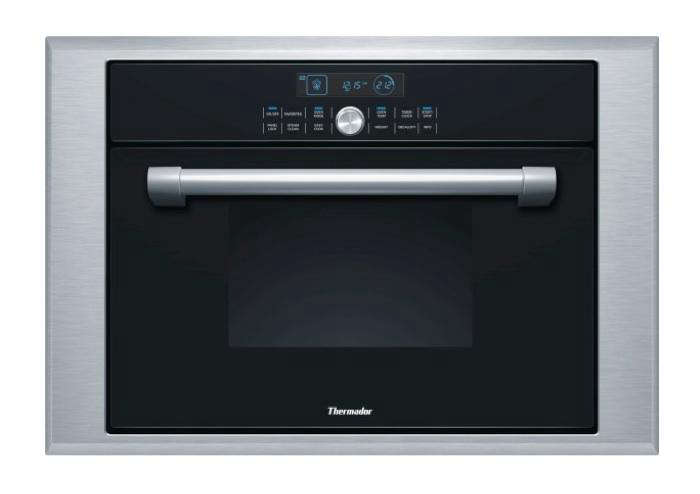
Black kitchens can become severe when every object appears to be attending a very serious architecture conference. Here, the darkness is interrupted by a white retro-style Smeg refrigerator, pale flooring, glass cabinet doors, and light tableware. Black stainless KitchenAid appliances reinforce the tonal scheme, while the rounded refrigerator acts like a sculptural guest: bright, nostalgic, and impossible to ignore.
Why the Flower District Is More Than a Pretty Address
The setting gives the kitchen an atmosphere that cannot be recreated by ordering a fern online and calling it urban botany. Manhattan’s Flower District grew around the wholesale floral trade, with important businesses operating along and near West 28th Street since the 1890s. The neighborhood remains associated with early-morning deliveries, bundles of cut flowers, leafy plants, and sidewalks that briefly resemble mobile gardens.
That working-market energy makes flowers feel less like precious decorations and more like creative material. A nearby event kitchen can build a centerpiece around whatever looks exceptional that morning instead of following a rigid mood board created months earlier. The neighborhood also creates a productive contrast: natural abundance outside, disciplined monochrome inside.
Flowers as Flexible Interior Design
For home entertaining, the lesson is practical. Keep permanent finishes restrained, then use seasonal flowers to change the room. Spring can bring branches and tulips; summer welcomes dahlias or loose garden roses; fall suits berries, fruit, and seed heads; winter needs only evergreens or one dramatic branch.
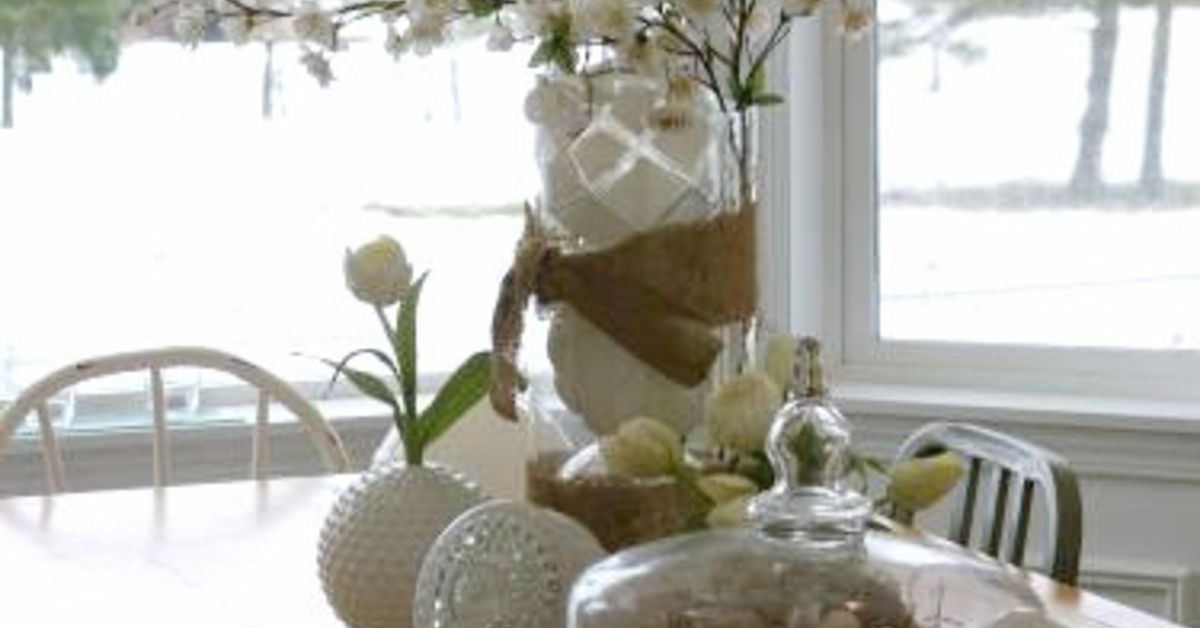
Arrangements should support conversation, not conduct surveillance over the table. Low clusters or single stems in several small vessels create rhythm without blocking faces. Dark ceramic containers can echo black cabinetry, allowing the flowers to command attention while the vases quietly handle logistics.
The Details That Make This a Dinner Party Kitchen
1. A Central Surface for Work and Conversation
An island is useful, but an island that blocks circulation is merely a countertop with boundary issues. In an entertaining kitchen, guests should be able to approach without obstructing the refrigerator, oven, sink, or main preparation lane. Modern planning guidance increasingly considers activity centers and task zones, an approach well suited to parties where drinks, plating, cooking, and cleanup happen simultaneously.
2. Storage That Explains Itself
Glass-fronted cabinets keep dishes and serving pieces visible. Guests, caterers, and visiting cooks can locate what they need without opening every door. The visual risk is clutter, so repetition helps: stack similar plates, group glassware, and organize wooden boards by size. A party kitchen need not look empty; it needs to look intentional.
3. Lighting That Changes With the Evening
Lee Broom’s graphic Optical pendants bring theater to the dining area, but a working kitchen also needs ambient, task, and accent light. Dimmers are particularly valuable. Bright illumination is welcome while the host checks whether dinner is cooked. It becomes less charming once guests sit down and realize the room has the ambience of a dental examination.
4. A Dining Table With Personality
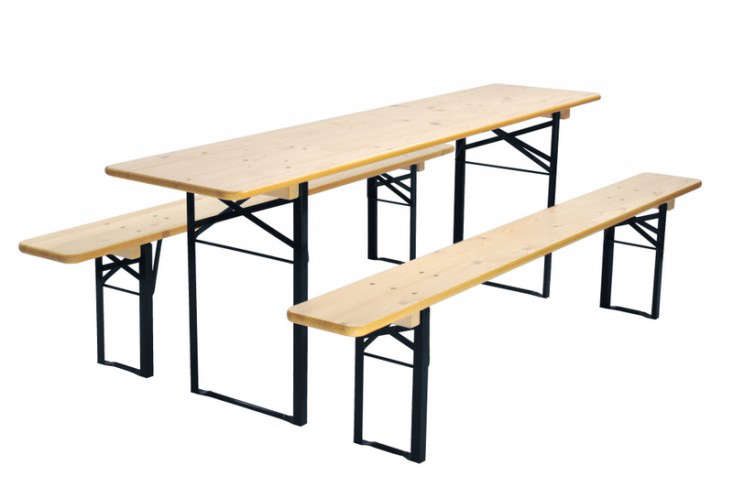
The apartment’s two-tone tiled table was a do-it-yourself statement rather than a polite background object. Tile offers durability, heat resistance, and easy cleanup while giving a simple table graphic presence. More importantly, the table establishes a destination. It tells guests when the evening is shifting from hovering near the appetizers to sharing a proper meal.
How to Recreate the Look at Home
The design can be translated into an apartment, loft, or suburban kitchen without copying every product. The goal is to borrow the principles that make the room useful.
Begin With One Dark Anchor
Choose black or charcoal for the island, lower cabinets, appliances, or a freestanding hutch. In a small room, keeping the darkest finish below eye level can preserve openness. Matte surfaces tend to feel softer than high gloss, although no finish has yet been invented that completely defeats flour.
Add Warm Wood and a Pale Counterpoint
Oak, walnut, butcher block, woven baskets, and wooden boards prevent black surfaces from feeling flat. Then add one bright object with a clear silhouette: a white refrigerator, cream pendant, pale artwork, or collection of glazed ceramics. Contrast creates the editorial sharpness seen in the Witness kitchen.
Use Furniture Instead of Filling Every Wall
A freestanding cabinet can store dishes, linens, and bar supplies while making the kitchen feel collected. A rolling table can operate as an island during preparation and move aside for larger gatherings. Even a narrow console can become a beverage station, keeping guests away from the main cooking zone.
Let Tableware Help Decorate
Visible tableware works best when two or three materials repeat. Restaurant-style white plates, colored glass, vintage flatware, black ceramics, and natural wood form an easy foundation. Food and flowers can supply the color, meaning the host does not need napkins that match the radishes at a molecular level.
Designing the Party Around the Kitchen
A beautiful kitchen is not automatically hospitable. The menu must allow the host to participate. Food editors repeatedly recommend make-ahead components for good reason: a braise, baked pasta, room-temperature vegetable dish, composed salad, or prepared dessert prevents the evening from becoming stove-side crisis management.
Family-style service fits this space particularly well. Shared platters reduce last-minute plating, encourage interaction, and look generous on a graphic table. For a compact urban gathering, six to eight guests creates energy while allowing one conversation and avoiding the need to rent chairs from a conference center.
A Flower District-Inspired Menu
- Welcome drink: a batched citrus spritz with rosemary or basil.
- Starter: whipped ricotta with roasted grapes, herbs, and grilled bread.
- Main: slow-roasted salmon, braised chicken, or mushroom lasagna.
- Sides: a crunchy salad and roasted vegetables served warm or at room temperature.
- Dessert: olive oil cake with seasonal fruit and softly whipped cream.
The menu need not contain edible flowers in every course; that path quickly makes dinner feel catered by a meadow. Instead, repeat colors or herbs between the food and arrangements. Burgundy dahlias can sit near roasted grapes, green branches can accompany an herb-heavy meal, and pale blossoms can frame a citrus dessert.
What the Design Gets Right
The room balances drama with clarity. Modular pieces respond to changing uses, dark finishes frame flowers and food, visible storage speeds setup, and the table makes dining feel like an event. The tradeoffs are manageable: dark surfaces can show dust, open storage needs editing, statement lights must preserve sightlines, and freestanding units require careful measurement and safe installation.
The larger lesson is that flexibility must be planned. Movable furniture works only when electrical service, plumbing, ventilation, storage, and circulation support it. “Modular” is not a magical spell that makes building codes or dishwasher hoses disappear.
Conclusion: A Kitchen Made for Gathering
The Flower District kitchen remains compelling because it refuses to choose between practical and theatrical. Its furniture-like modules provide adaptability; black finishes create depth; the white refrigerator adds wit; accessible storage supports quick setup; and the tiled table invites guests to sit down and stay.
Most homes do not need to transform from photo studio to wedding venue before lunch. They do benefit from the same priorities: clear work zones, movable support pieces, layered lighting, a separate drinks station, and a table that encourages face-to-face conversation. Add flowers, prepare most of the food ahead, and the kitchen can do what the best kitchens have always donemake people want to gather.
Experience: Hosting a Flower District-Inspired Dinner Party
To understand how this type of kitchen performs, imagine a realistic six-person dinner built around its design principles. The day begins in the Flower District, early enough that the sidewalks still belong mostly to wholesalers, carts, bundled branches, and determined buyers carrying foliage twice their own height. Instead of demanding pink peonies in the wrong season, the host chooses what looks freshest: rust-colored amaranth, green hydrangeas, and a few twisting branches.
Back in the kitchen, the restrained palette immediately proves useful. The arrangement does not compete with decorative tile or patterned cabinets. Three low clusters go into dark vessels, leaving open sightlines across the table. Extra stems land in tiny containers near the drinks station and sink. The effect feels abundant without becoming a floral barricade.
By late afternoon, the value of zones becomes obvious. A console away from the main work area holds glasses, sparkling water, wine, ice, citrus, and a batched spritz. The island remains available for slicing bread and assembling salad. Dinnerware is visible behind glass doors, so a friend who arrives early can set the table without opening every cabinet and discovering the host’s emergency snack inventory.
The menu is deliberately forgiving: whipped ricotta is already chilled, chicken was braised earlier, vegetables can be served warm, and cake waits under a cover. Only the salad needs dressing and the main dish needs reheating. This leaves time to lower the lights, change the playlist, wipe the island, and hide the one pan that has somehow become emotionally complicated.
When guests arrive, they gather around the drinks station rather than clustering between the sink and oven. The freestanding island becomes a landing place for appetizers, handbags, and conversational elbows. Because the kitchen is open, the host can finish dinner without leaving the group, but the dining table remains visually distinct. Once the platters move there, everyone follows.
Family-style serving changes the mood. Guests pass chicken, vegetables, bread, and salad, creating small exchanges that keep the table connected. Low flowers allow eye contact, while the tiled surface needs only plain napkins and simple plates. Nothing feels underdecorated because the table itself carries the pattern.
After dinner, dessert stays at the table while coffee and tea are prepared nearby. Cups, plates, and serving pieces are easy to find. Cleanup is visiblethe kitchen is part of the roombut organized storage keeps it from dominating the scene. One guest stacks plates, another gathers glasses, and the host stores leftovers without abandoning the conversation.
The lasting impression is not that the kitchen looked perfect. It is that the space allowed the evening to move naturally. Preparation, arrival, dinner, dessert, and cleanup each had a place. Flowers created occasion; modular furniture provided flexibility; and make-ahead food protected the host’s time. That is the true luxury of an entertaining kitchen: not a flawless photograph, but a night the host actually gets to enjoy.
Note: This article treats the 2018 Witness Apartment kitchen as a design case study. Event availability, product models, finishes, and pricing may have changed since the original installation.