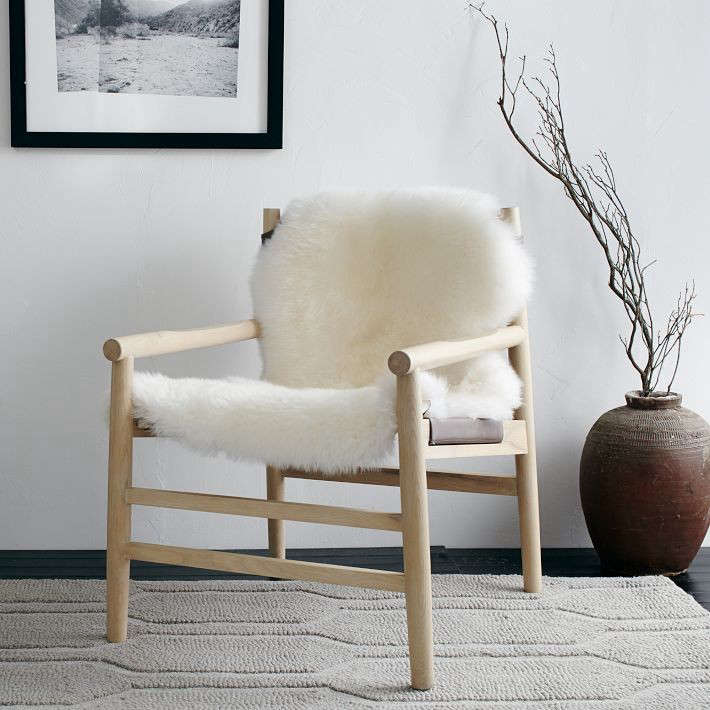
A leather + fur sling chair is the furniture equivalent of a great leather jacket worn with something unexpectee to make a room feel like someone with excellent taste actually lives there. A simple wood or metal frame holds a suspended leather seat, while a fur, sheepskin, shearling, or faux-fur layer brings warmth to the otherwise sleek silhouette.
It is a combination that works because the materials do different jobs. Leather adds visual weight, durability, and a sense of history. Fur softens the lines, adds a cozy touch, and prevents the chair from looking like it belongs exclusively in a stylish airport lounge. Together, they create a relaxed accent chair that can fit into rustic cabins, modern apartments, Scandinavian interiors, eclectic reading nooks, and even a slightly dramatic bedroom corner.
Note: In this guide, “fur” may refer to genuine sheepskin, shearling, or a high-quality faux-fur layer. The best choice depends on your budget, values, household, and willingness to explain to your cat that the chair is not a new pet.
hat Is a Leather + Fur Sling Chair?
A sling chair uses a suspended seat rather than a heavily upholstered cushion. The seat material stretches between the sides of the frame, creating a gentle cradle for the body. Traditional versions may use canvas, woven fabric, or leather. Modern interpretations often pair solid oak, walnut, steel, or powder-coated metal with a leather sling.
The “fur” element is usually not permanently attached. Instead, it may be a sheepskin draped over the seat, a faux-fur throw folded across the back, or a removable fur cushion. This makes the chair more flexible than it first appears. On warmer days, remove the fur and enjoy the clean lines of the leather. When temperatures drop, add the sheepskin back and suddenly the chair looks ready for a mountain lodge photo shoot.
Many people use the phrase leather fur chair to describe several related looks: a leather butterfly chair topped with sheepskin, a wooden sling lounge chair with a faux-fur throw, or a leather armchair styled with a long-haired fur accent. The exact frame can vary, but the design logic stays the same: natural materials, visible texture, and a comfortably informal seat.
The Sling Chair’s Design Appeal
Sling chairs are visually lighter than bulky recliners or overstuffed club chairs. The exposed frame allows light to move around the furniture, which can make a compact room feel less crowded. A low, angled seat also signals relaxation. It quietly tells guests, “Please sit down, stay awhile, and perhaps discuss your most questionable online purchase.”
Leather is especially well suited to the sling format because it can develop a patina as it ages. Minor creases, softening, and changes in tone are part of the material’s personality rather than automatic signs of failure. A quality leather sling can gradually conform to the way it is used, making the chair feel more personal over time.
hy Leather and Fur Work So Well Together
The appeal of a leather + fur sling chair comes from contrast. Leather is smooth, firm, and often slightly cool to the touch. Fur or faux fur is soft, fluffy, and visually warm. One material looks disciplined; the other looks like it has excellent weekend plans. Pairing them creates dimension without requiring a room full of decorative clutter.
This contrast also helps the chair fit into multiple interior styles. In a Scandinavian room, a caramel leather sling chair with ivory sheepskin feels clean, warm, and natural. In a mid-century modern space, dark brown leather paired with black metal and a charcoal faux-fur throw creates a moodier, more tailored look. In a bohemian home, a tan leather chair can be layered with patterned cushions, woven baskets, and a vintage rug.
Texture matters especially in neutral interiors. A room with white walls, beige upholstery, pale wood, and linen curtains can look peaceful, but it can also look like a very expensive bowl of oatmeal. A leather sling chair introduces depth through color and material, while fur adds softness that keeps the leather from feeling too severe.
Real Fur, Sheepskin, or Faux Fur?
Genuine sheepskin has a natural variation in texture, density, and color. It can make a room feel organic and luxurious, especially when paired with full-grain or top-grain leather. However, it typically requires more careful maintenance and may not suit every buyer’s ethical preferences.
Faux fur is often easier to replace, more budget-friendly, and available in many colors and pile lengths. A realistic ivory faux-fur throw can create nearly the same visual effect as sheepskin without committing to a permanent material decision. It is also a practical choice for homes with children, pets, frequent snackers, or anyone who has ever balanced coffee on an armrest and believed in destiny.
ow to Choose the Right Leather + Fur Sling Chair
Buying this type of chair is not only about finding one that photographs well. A beautiful chair that leaves your knees near your ears after ten minutes is sculpture, not seating. Before choosing a leather sling chair, think about comfort, material quality, scale, frame construction, and how the chair will be used in real life.
Start with the Frame
A sling chair’s frame does more work than it appears to. Look for solid wood, hardwood veneer over a strong structure, tubular steel, or powder-coated metal. Solid oak, walnut, and ash are popular choices because they bring warmth and visible grain. Metal frames feel more industrial and can create a sharper, more modern silhouette.
Check the joinery or hardware closely. A leather sling seat places tension on the frame, so the chair should feel stable when you sit, shift, and stand. It should not wobble, squeak loudly, or perform a small interpretive dance every time someone changes position.
Understand Leather Types
Leather labels can sound like a secret code invented by furniture salespeople after a long lunch. In simple terms, ask what material you are actually buying. Full-grain and top-grain leather are generally considered more durable, natural-looking choices than bonded leather or low-grade corrected leather.
Full-grain leather keeps more of the hide’s natural character, including small marks and tonal variation. Top-grain leather is usually more refined and may have a smoother finish. Both can work beautifully for a sling chair. The key is to choose a leather that feels substantial, not paper-thin, plasticky, or suspiciously shiny.
A vegetable-tanned leather sling may deepen in color and develop a more lived-in look over time. A protected leather finish can be easier to maintain if the chair will live in a busy family room. There is no single “best” option; there is only the best option for how you actually live.
Pay Attention to Seat Height and Recline
Most sling chairs sit lower than standard dining or desk chairs. That relaxed position is part of their appeal, but it may not work for everyone. If the chair is intended for a reading nook, consider whether the seat height allows you to stand up comfortably. If it will be used mostly for lounging, a deeper, lower profile may be perfect.
Try to picture the chair in action. Will it be used for thirty-minute reading sessions, quick conversations, late-night scrolling, or long Sunday afternoons with a blanket and a book you have renewed from the library three times? The more time you expect to spend in it, the more important comfort becomes.
Styling Ideas for a Leather + Fur Sling Chair
A leather + fur sling chair can anchor a room, but it should not be forced to carry the entire decorating burden alone. Give it supporting pieces that make the chair feel intentional rather than stranded in a corner like a stylish introvert at a party.
Create a Reading Nook
Place the chair beside a floor lamp, a small side table, and a low-pile area rug. Add one lumbar pillow in wool, linen, or cotton for support. The best reading nook does not need a dozen accessories. It needs good light, a surface for a drink, and a chair that makes you forget your phone exists for at least seven minutes.
A warm brown leather sling chair looks especially good with a brass floor lamp, oak side table, and cream-colored fur throw. For a more modern look, choose black leather, a slim black metal lamp, and a charcoal or ivory faux-fur accent.
Use It to Balance a Sofa
In a living room with a large upholstered sofa, a sling chair offers contrast. The sofa provides softness and volume, while the sling chair introduces structure and negative space. Position the chair at an angle toward the sofa rather than pressing it against the wall. This makes the room feel more conversational and helps define a seating zone.
Use a rug large enough to visually connect the chair to the rest of the furniture. A leather chair floating alone on bare flooring can look like it missed its flight. Even a modest wool rug or vintage-style flatweave can give it a sense of belonging.
Layer Textures, Not Too Many Colors
Leather and fur already create strong visual texture, so keep the surrounding palette simple. Warm neutrals such as camel, cream, rust, charcoal, olive, and deep brown work particularly well. Add interest with linen curtains, boucle cushions, woven baskets, ceramic lamps, or a natural-fiber rug.
For a bolder look, use the chair as a dark accent in a pale room. A black leather sling chair with white faux fur can create a striking contrast against soft gray walls and light oak floors. In a darker room, a cognac leather chair and caramel sheepskin can make the space feel layered rather than gloomy.
eather + Fur Sling Chair Care Guide
The good news is that this chair does not require a ceremonial cleaning ritual under a full moon. The bad news is that leather and fur do not appreciate random household sprays, harsh chemicals, or panic-cleaning after a spill. Gentle, regular care is the better strategy.
Leather Care Basics
Dust the leather regularly with a soft, dry microfiber cloth. Vacuum carefully around seams and under the sling if debris collects there. Blot spills immediately with a clean cloth instead of rubbing. Excess moisture, aggressive scrubbing, and heat can cause unnecessary damage.
Avoid bleach, ammonia, acetone, alcohol-based cleaners, abrasive pads, furniture polish, and mystery products from the back of the utility cabinet. Use a leather cleaner or conditioner only when the manufacturer recommends it, and test any product in a hidden area first. Keep the chair out of prolonged direct sunlight and away from heat sources when possible.
Fur and Faux-Fur Care
For a removable sheepskin or faux-fur layer, shake it outdoors occasionally to remove loose dust. A light brush with a wide-tooth comb or soft brush can help restore the pile. Follow the item’s care label before washing or using spot cleaners, especially with genuine sheepskin.
For everyday maintenance, a light vacuum with a low-suction upholstery attachment can help remove dust and pet hair. Avoid soaking fur accents or drying them with high heat unless the manufacturer specifically says it is safe. Faux fur may be more forgiving than genuine sheepskin, but it still deserves a calmer approach than “throw it in the machine and hope.”
s a Leather + Fur Sling Chair Worth It?
For many homes, yes. A leather + fur sling chair is more than an extra seat. It can become a visual focal point, a favorite reading spot, a transition piece between different furniture styles, or the chair everyone wants when the room is full.
It is especially worthwhile when you want a lounge chair with personality but do not want the visual bulk of a recliner. The exposed frame keeps the design airy, the leather brings lasting character, and the fur layer gives you the freedom to change the mood with the season.
The best version is not necessarily the most expensive one. It is the chair with a stable frame, comfortable proportions, quality leather, and a fur or faux-fur layer that suits your lifestyle. Buy it because you can imagine using it, not because it looked impressive in a photograph with a suspiciously perfect bowl of lemons beside it.
Living With a Leather + Fur Sling Chair: The Experience
The real charm of a leather + fur sling chair becomes clear after it has lived in a room for a while. At first, it may feel like an accent piece: beautiful, slightly special, perhaps too nice for everyday use. Then one quiet evening, someone sits in it with a book, a mug of tea, and a blanket. After that, the chair stops being decor. It becomes territory.
In the morning, the chair can serve as a calm landing place while you put on shoes, check the weather, or stare into the middle distance before the first meeting of the day. The leather feels structured and grounded, while the fur layer keeps the seat from feeling cold or severe. It is the kind of chair that makes a simple moment feel more intentional, even when the actual task is looking for your keys under a pile of mail.
By afternoon, the sling chair often changes roles. It may become a quick spot for a phone call, a place to read while laundry spins, or a surprisingly good seat for watching a child build a blanket fort that slowly expands into half the living room. The low, easy posture makes it feel less formal than a dining chair and less demanding than a large sofa. You can sit in it briefly without feeling committed to a three-hour lounge session.
At night, the fur layer earns its keep. A sheepskin or faux-fur throw changes the chair from visually handsome to genuinely inviting. Under a floor lamp, the texture catches soft light and makes the whole corner feel warmer. It can turn an otherwise ordinary room into a space that encourages slower habits: reading, journaling, listening to music, or pretending you are the sort of person who always finishes novels before buying new ones.
The chair also changes with use. Leather tends to relax slightly and show gentle creasing, especially where people lean back or rest an arm. That evolution is part of the experience. A good leather sling chair should not look frozen in time forever; it should look better because it has been used. The marks become evidence of normal life rather than flaws to fear.
For households with pets, the experience can be more complicated but still manageable. Cats may decide the fur is a luxury bed designed exclusively for them. Dogs may treat the chair as a lookout post. A removable faux-fur layer is often the practical compromise because it can be shaken out, brushed, or replaced when it has survived one too many enthusiastic naps.
Guests notice this kind of chair because it looks different from standard upholstered seating. Some will ask where it came from. Others will sit down, pause, and give the small approving nod that means the chair has passed the comfort test. That reaction is part of its value. It is a piece that looks designed, but it does not need to feel precious.
Ultimately, the best experience is not about having the most photogenic chair in the room. It is about creating a place that feels good to use. A leather + fur sling chair offers structure without stiffness, softness without clutter, and style without taking itself too seriously. It is the rare furniture piece that can look like a design statement while still inviting you to put your feet up.
Conclusion
A leather + fur sling chair is a smart choice for anyone who wants comfort, texture, and character without adding bulky furniture to a room. Choose a durable frame, quality leather, and a removable fur or faux-fur accent that suits your household. Style it with warm lighting, a practical side table, and a rug that grounds the seating area. Then use it often. The best furniture earns its beauty through everyday life.