
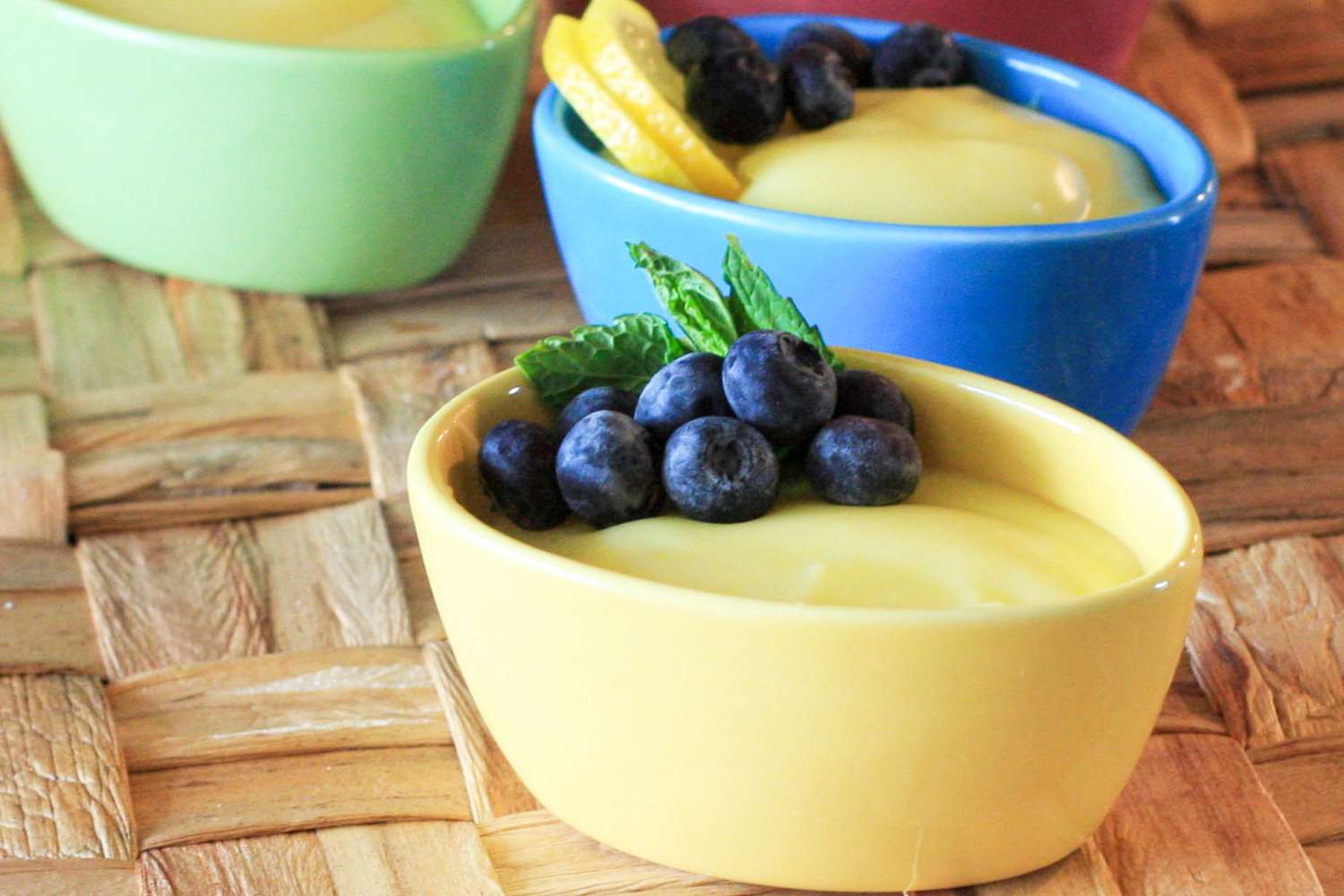
Some desserts whisper. Lemon pudding sings. It’s bright, silky, nostalgic, and just dramatic enough to make people think you own at least three linen aprons and a citrus grove.
The good news? You can make an excellent homemade lemon pudding with basic ingredients, one saucepan, and the willingness to whisk like you mean it.
This guide is an in-depth, modern, foolproof take on the classic lemon pudding recipedesigned for real home kitchens, not fantasy kitchens with twelve burners and zero dirty dishes.
You’ll get ingredient strategy, step-by-step instructions, troubleshooting, flavor variations, and serving ideas that make this dessert feel brand-new every time.
If your past pudding attempts turned into lemon soup, rubbery custard, or a mysterious bowl of citrus regret, you’re in the right place.
We’re making creamy lemon pudding with balanced sweetness, bright flavor, and a texture so smooth it could host a podcast.
What Makes This Lemon Pudding Recipe Work
1) It uses layered lemon flavor, not just lemon juice
Great lemon pudding tastes vivid because it combines fresh lemon juice for acidity and lemon zest for aromatic oils.
Juice gives the punch; zest gives the perfume. If you skip zest, the pudding can taste flat. If you skip juice, it tastes sweet but dull.
2) It balances thickening agents for a silky set
Cornstarch gives the pudding body and stability, while egg yolks add richness and that classic custardy feel.
This combo is forgiving, smooth, and less fussy than yolk-only custards. Think of cornstarch as structure and yolks as luxury.
3) It cooks hot enough to thicken, but not so hard it curdles
Controlled heat is everything. You’ll whisk continuously, bring the mixture up to a gentle boil to activate the starch, then pull it off the heat before overcooking.
It’s less “chef magic” and more “whisk discipline.”
4) It chills with surface protection
Pressing plastic wrap directly onto the pudding surface prevents a skin from forming. If you like pudding skin, that’s between you and your childhood memoriesskip the wrap.
Editorial Synthesis Notes (No Links)
This recipe style reflects common ground across trusted U.S. cooking sources: stovetop lemon puddings, old-fashioned cornstarch-based formulas, and pudding-cake traditions.
Methods repeatedly emphasize fresh lemon, controlled heat, and either starch-only or starch-plus-egg thickening for reliable results.
U.S. sources synthesized: Allrecipes, Food Network, Taste of Home, Epicurious, King Arthur Baking, Betty Crocker, Southern Living, Martha Stewart, The Spruce Eats, Delish, FDA, USDA.
For food safety, egg-containing dishes are generally cooked thoroughly to safe internal standards.
Ingredients for the Best Homemade Lemon Pudding
Base recipe (serves 6)
- 2 1/2 cups whole milk (600 ml)
- 1/2 cup granulated sugar (100 g)
- 1/4 cup cornstarch (32 g)
- 1/4 teaspoon fine sea salt
- 3 large egg yolks
- 2 tablespoons unsalted butter
- 2 teaspoons finely grated lemon zest (from about 2 lemons)
- 1/2 cup fresh lemon juice (120 ml), strained
- 1 teaspoon vanilla extract (optional)
Optional toppings
- Soft whipped cream
- Crushed shortbread cookies or graham crackers
- Fresh berries
- Toasted coconut
- Thin candied lemon slices
Ingredient analysis and smart swaps
Milk: Whole milk gives fuller body. 2% works, but texture is slightly leaner. Non-dairy milk can work, though flavor and set may vary.
Sugar: Start at 1/2 cup for balanced tartness. Prefer extra zing? Drop to 1/3 cup. Serving kids or sweet-tooth adults? Go up to 2/3 cup.
Cornstarch: The key to stable pudding texture. Too little gives runny pudding; too much makes it pasty.
Egg yolks: Add color, richness, and that nostalgic pudding mouthfeel.
Lemon juice and zest: Use fresh lemons. Bottled juice can taste harsh and one-dimensional.
Step-by-Step Lemon Pudding Recipe
Step 1: Build the cold base
In a medium saucepan (off heat), whisk sugar, cornstarch, and salt. Add about 1/2 cup of the milk and whisk until smooth with no dry pockets.
This mini-slurry prevents lumps before heat enters the chat.
Step 2: Add the rest of the dairy and yolks
Whisk in remaining milk, then egg yolks, until fully combined. Keep heat off while mixing.
You want a smooth, pale yellow liquidno streaks of yolk.
Step 3: Cook with constant whisking
Set the saucepan over medium heat. Whisk continuously, especially around the corners and bottom.
Around 6 to 9 minutes, it will steam, thicken, and begin to bubble slowly.
Once small bubbles appear across the surface, keep whisking for 45 to 60 seconds more.
This short boil helps fully activate starch and gives a clean, spoon-coating set.
Step 4: Finish with butter, zest, and lemon juice
Remove from heat. Whisk in butter until glossy. Add lemon zest, lemon juice, and vanilla (if using).
Taste. Want brighter flavor? Add 1 to 2 more teaspoons lemon juice.
Step 5: Strain for ultra-smooth texture
Optional but excellent: pass pudding through a fine mesh strainer into a bowl.
This catches stray zest clumps or tiny cooked egg bits and gives bakery-level smoothness.
Step 6: Portion and chill
Divide into ramekins or jars. Press plastic wrap directly onto the surface. Chill at least 2 hours, preferably 4.
Serve cold with whipped cream and extra zest.
Troubleshooting Your Lemon Pudding
Problem: My pudding is too thin
Most likely causes: not enough cook time, low heat, or the mixture never reached a brief boil.
Fix: return to saucepan, whisk over medium heat until bubbling gently for about 1 minute.
If still thin, whisk 1 teaspoon cornstarch with 1 tablespoon cold milk and add it in, then recook briefly.
Problem: My pudding is lumpy
Cause: dry cornstarch pockets or overcooked yolk bits.
Fix: blend briefly with an immersion blender (off heat), then strain through a fine mesh sieve.
Problem: It tastes too sharp
Lemons vary wildly in acidity. Whisk in 1 to 2 tablespoons sweetened whipped cream or 1 tablespoon sugar dissolved in 1 tablespoon warm milk.
Problem: It tastes too sweet
Add 1 to 2 teaspoons fresh lemon juice and a pinch of salt. Salt won’t make it salty; it wakes up the citrus.
Problem: A skin formed on top
That’s normal when exposed to air. You can stir it in for rustic texture, remove it, or prevent it next time by pressing wrap directly on the surface.
Flavor Variations for This Easy Lemon Dessert
Lemon Vanilla Bean Pudding
Swap vanilla extract for the seeds of 1/2 vanilla bean (or 1 teaspoon vanilla paste).
The flavor becomes softer and more aromatic.
Lemon-Coconut Pudding
Replace 1/2 cup milk with canned light coconut milk and top with toasted coconut chips.
It tastes like vacation in a spoon.
Lemon Berry Parfaits
Layer lemon pudding with macerated strawberries or blueberries and crushed cookies in clear glasses.
This is ideal for parties because it looks fancy and secretly takes very little effort.
Lemon Pudding Pie Cups
Spoon chilled pudding into mini graham crusts, top with whipped cream, and finish with zest.
It’s like lemon pie’s easier cousin who always arrives on time.
Old-Fashioned Lemon Pudding Style
Add 1 tablespoon butter extra and reduce lemon juice slightly for a more classic, mellow profile.
Serve warm instead of chilled for pure comfort-food energy.
Serving, Storage, and Make-Ahead Tips
Serving temperature
Best served chilled but not icy-cold. Let it sit 5 minutes at room temperature before serving for fuller aroma.
How long it keeps
Refrigerated in covered containers: up to 3 days for best texture and flavor.
Can you freeze lemon pudding?
Not ideal. Freezing can separate texture and turn smooth pudding grainy after thawing.
Make-ahead party plan
Make pudding the day before, portion into jars, and top just before serving.
Crunchy toppings should always go on at the last moment.
Conclusion
A truly good lemon pudding recipe should taste bright, creamy, and cleannot overly sweet, not aggressively tart, and definitely not floury or gluey.
With the method above, you get a dependable texture, fresh citrus flavor, and enough flexibility to make it your own.
Whether you serve it in elegant glass cups for guests or eat it straight from the mixing bowl while pretending you’re “just testing consistency,” this dessert earns repeat status.
It’s simple, practical, and quietly impressivethe kind of recipe that moves from “new try” to “family classic” after one successful batch.
Kitchen Experience Journal: of Real Lemon Pudding Lessons
My first lemon pudding looked confident in the pot and confused in the fridge. I rushed the cook, skipped the full boil, and called it “rustic” when it turned out pourable.
That batch taught me the first big truth: pudding is about patience, not complexity. Once I started whisking steadily and waiting for that gentle bubbling stage, the texture transformed from lemonade-adjacent to spoon-standing silky.
The second lesson came from lemons themselves. Not all lemons are equal. Some are floral and sweet; others are punchy little acid grenades.
I once used extra-juicy lemons and followed my usual amount without tasting at the end. The result was bright, yes, but so tart it made everyone blink in unison.
Now I add most of the juice, then taste and adjust in teaspoons. That tiny pause makes the dessert feel intentionally balanced instead of aggressively citrus.
The third lesson: zest matters more than people think. When I forgot zest one afternoon, the pudding still had acidity, but the flavor felt narrow.
Once I added fine zest in later batches, the aroma bloomed immediately. It went from “nice” to “wow, what is that?”
If juice is the volume knob, zest is the stereo quality.
I also learned that straining is not a sign of failureit’s a professional move. In one batch, I got distracted by a phone call and let the mixture sit over heat a bit too long.
Tiny egg flecks appeared. I strained it, chilled it, topped with whipped cream, and nobody suspected a thing.
Home cooking gets easier when you stop aiming for perfection and start building rescue skills.
For gatherings, I’ve tested multiple serving formats: ramekins for dinner parties, small jars for picnics, and parfait glasses layered with berries for birthdays.
The jar version travels best. The parfait version wins photos. The plain ramekin version wins late-night fridge raids.
I once ran an informal family “pudding panel” with three versions: classic, extra-tart, and coconut-lemon.
Classic won for broad appeal, extra-tart won with the citrus fanatics, and coconut-lemon got the “surprisingly addictive” award from people who claimed they were “not dessert people.”
The takeaway was useful: keep the base recipe steady, customize the finish.
Another practical discovery: whipped cream changes everything. Even a small spoonful softens acidity and makes the pudding feel luxurious.
Crushed shortbread adds contrast and keeps each bite interesting. Texture is the silent hero in simple desserts.
I’ve made lemon pudding in calm Sunday mode and in chaotic weekday mode with dishes everywhere and exactly one clean whisk.
It still works, which is maybe the highest compliment I can give a recipe.
It’s forgiving, affordable, and adaptable. And when done right, it tastes like sunshine with structure.
If you’re new to pudding, trust the process: whisk steadily, watch for the boil, taste before chilling, and adjust with intention.
If you’re experienced, treat this as a strong base for your own signature spin.
Either way, lemon pudding rewards attention with comfortand that’s the best kind of kitchen deal.














