
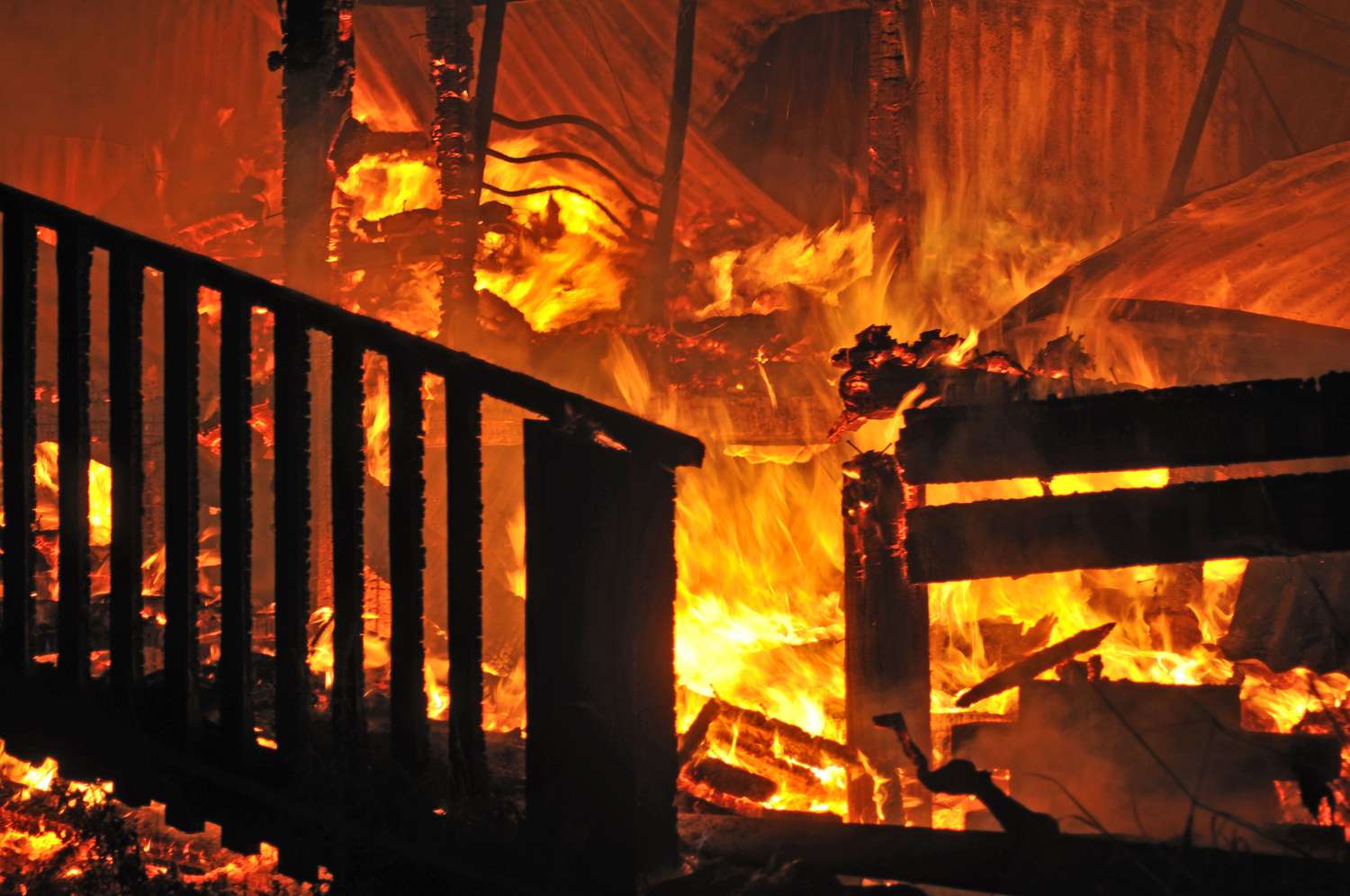
If insurance language had a talent for causing confusion at dinner parties, “liability coverage for damage to rented premises” would win a trophy and then misplace the receipt. It sounds simple, but it actually lives in two different worlds. In personal renters insurance, liability coverage may help when you accidentally damage someone else’s property or a guest gets hurt and you are legally responsible. In commercial insurance, the phrase “damage to premises rented to you” usually refers to a narrower part of general liability coverage for businesses that lease space.
That distinction matters. A renter in an apartment, a coffee shop tenant in a strip mall, and a startup renting a short-term event space are all dealing with “rented premises,” but their insurance may respond very differently when something goes wrong. One overflowing bathtub, one candle left too close to curtains, or one office microwave that decides to audition as a flamethrower can turn a normal day into a very expensive lesson.
This guide breaks down what liability coverage for damage to rented premises usually means, what it commonly covers, what it often excludes, and how to think about limits without needing a dictionary, a law degree, and a stress ball. We will also walk through real-world examples so you can understand where coverage may help and where policyholders often discover a gap the hard way.
What Does “Liability Coverage for Damage to Rented Premises” Actually Mean?
At its core, this phrase is about responsibility. If you rent a space and you accidentally cause damage, the question is whether your insurance will pay for the repairs, legal defense, or settlement. The answer depends on the type of policy, the cause of the damage, and the exact policy wording.
For residential renters
In a standard renters insurance policy, personal liability coverage may help if you are found legally responsible for damage to someone else’s property or for bodily injury to another person. That can include damage you cause to a neighboring apartment, damage that spreads beyond your unit, or, in some policies, damage to your own rental unit when the landlord holds you liable. The key phrase here is legally responsible. Insurance is not a magic wand for every scuff, stain, or questionable attempt at indoor grilling.
For commercial tenants
In business insurance, “damage to premises rented to you” is usually a specific part of a commercial general liability or business owners policy. It is often called fire legal liability, though modern policies may handle it with more nuance than that old nickname suggests. This coverage is narrower than many business owners assume. It is not a substitute for full commercial property insurance, and it is definitely not a permission slip to say, “Well, we do deep-fry near paper decorations, but we have insurance.” That is not a strategy. That is a plot twist.
How It Works in Renters Insurance
Renters insurance usually has four main pillars: personal property coverage, liability coverage, medical payments to others, and loss of use. Liability coverage is the piece most relevant when your actions lead to damage or injury. Think of it as financial backup when a mistake becomes a claim.
Common examples
Imagine you leave the bathtub running and water leaks into the apartment below. Or your child throws a ball indoors and breaks a neighbor’s window. Or you accidentally start a small kitchen fire that damages cabinets, walls, and part of the unit next door. In situations like these, your renters liability coverage may help pay for repairs, legal costs, and possibly settlements, up to your policy limits, if you are legally liable.
But here is the important catch: renters insurance is not designed to cover normal wear and tear, neglect, or every type of damage to the unit itself. A landlord is usually responsible for the building and structural insurance, while a tenant is responsible for damage caused by the tenant’s negligence or actions. That means the landlord’s policy and the tenant’s policy may both be involved in a claim, with insurers later sorting out who ultimately pays what.
What renters often misunderstand
The biggest myth is that the landlord’s insurance covers everything. It usually does not. The landlord’s policy primarily protects the building and the owner’s interests. It generally does not cover the tenant’s belongings, and it may not absorb tenant-caused damage without the insurer trying to recover costs from the tenant. In other words, if you cause the loss, you may still be the one getting the bill.
Another common misunderstanding is assuming that if damage happens inside your own rental unit, your policy automatically pays. Sometimes yes, sometimes no, and sometimes only if the damage fits the liability language and you are legally responsible. Policy wording matters a lot here. One insurer may describe coverage more broadly, while another may be tighter around the facts of the loss.
How It Works in Commercial Insurance
For businesses, this topic gets more technical and more expensive. A leased office, salon suite, restaurant, studio, or retail bay all create exposure for accidental damage to the landlord’s property. Commercial general liability insurance addresses certain third-party claims, but the “damage to premises rented to you” part is often a limited carve-back to an exclusion.
Why business tenants get tripped up
Many business owners assume their general liability policy covers any damage they cause to leased space. Not exactly. In many standard forms, damage to property you rent or occupy is excluded, with a limited exception for certain damage to rented premises. Historically, that exception focused on fire damage to premises rented to the insured. Some policies also address short-term occupancy differently, such as damage regardless of cause when the insured occupies a space for seven days or less.
That means the coverage may be much narrower than the words sound. If your leased office suffers fire damage because an employee overloaded a space heater circuit, the coverage may respond. If the same office suffers non-fire water damage because someone left a sink running overnight, the answer may be less friendly unless the policy wording broadens the protection or another coverage applies.
This is not the same as commercial property insurance
Commercial property insurance protects property interests, such as business personal property, tenant improvements and betterments, and sometimes specific interests in the leased space. General liability is about liability to others. Confusing these two is one of the fastest ways for a business tenant to discover they insured the wrong thing beautifully.
A business with expensive build-outs, customized fixtures, or lease obligations should not rely only on the rented-premises liability limit. That limit is often lower than the total exposure and may apply only in narrow circumstances. If your restaurant spends heavily on kitchen improvements or your retail store installs custom shelving and lighting, broader property coverage may be just as important as liability coverage.
What Liability Coverage Commonly Covers
Although policy language varies, liability coverage for damage to rented premises often comes into play in these situations:
Accidental fire damage
This is the classic example. A candle tips over in an apartment. A toaster oven mutinies in a break room. A grease flare-up scorches walls in a leased restaurant. Fire-related losses are the most commonly discussed trigger, especially in commercial policies.
Smoke or explosion-related damage
Some policies or carrier descriptions also refer to smoke, explosion, or similar accidental damage that flows from the same kind of incident. The exact treatment depends on the policy form and insurer language.
Water damage caused by negligence
In residential settings, liability coverage may help when water damage spreads to another unit or to someone else’s property and you are legally responsible. Think overflowing tubs, washing machine mishaps, or plumbing fixtures you failed to shut off properly. This is one reason renters liability coverage matters even when your sofa is not in danger.
Legal defense costs
People often focus on repair bills, but lawsuits have a way of making everything more expensive and less pleasant. Liability coverage may help pay legal defense costs when a landlord, neighbor, or injured guest brings a claim. Even when the facts are messy, defense costs can be a major benefit.
What It Usually Does Not Cover
This is where the fine print starts doing cardio.
Wear and tear
Faded carpet, chipped paint from everyday use, loose handles, and aging appliances are generally not liability claims. They are usually maintenance or lease-condition issues.
Intentional damage
If someone punches holes in the wall because the Wi-Fi went down during a game update, that is not the kind of accidental loss insurers like to celebrate with payment.
Your own business property or tenant improvements under the wrong policy
Commercial liability coverage is not a replacement for insuring your own property interests. If the damage involves your equipment, inventory, furniture, or improvements you paid for, you may need commercial property coverage instead.
Flood and earthquake damage
Standard renters policies usually exclude flood and earthquake damage unless you buy separate coverage or endorsements. So if a natural disaster is the cause, standard liability coverage is often not the hero of the story.
Damage beyond policy limits
This sounds obvious, but it causes real problems. If you carry a low liability limit and cause a high-dollar loss, insurance may only cover up to the limit, leaving you to pay the rest. That is a bad time to discover you chose limits the way people choose snacks: quickly and with irrational confidence.
Real-World Claim Scenarios
The apartment bathtub disaster
A tenant starts a bath, gets distracted by a phone call, and water overflows into the unit below. The downstairs neighbor claims damage to ceilings, flooring, and furniture. The tenant’s renters liability coverage may help if the tenant is legally responsible. The landlord’s policy may handle building repairs first and then seek recovery from the tenant or the tenant’s insurer.
The candle that got ambitious
A candle ignites curtains in a rented townhouse. The fire damages part of the unit and smoke affects adjacent units. Liability coverage may help with third-party property damage and legal defense. The tenant’s personal belongings would fall under personal property coverage if the loss is otherwise covered.
The leased storefront fire
A boutique rents one unit in a multi-tenant building. An electrical issue connected to the tenant’s display equipment causes a fire that damages the leased suite. The business may have coverage under the “damage to premises rented to you” portion of its liability policy for damage to the part it rents, subject to the policy limit and wording. Damage to other areas of the building or other tenants’ property may be treated under broader liability provisions, depending on the facts and exclusions.
The short-term event space problem
A business rents an event venue for a weekend product launch. During setup, a lighting rig falls and damages the premises. Policies sometimes treat premises occupied for seven days or less differently than long-term leased premises. That can create coverage where a business owner might not expect it, or limit it in ways that still require careful review.
How Much Coverage Do You Need?
There is no perfect universal number, but there are smarter ways to choose than pointing at a dropdown menu and hoping destiny is kind.
For renters
Think about the cost of a serious water damage claim, a guest injury lawsuit, or damage that spreads into neighboring units. Many renters start with $100,000 in liability coverage, but higher limits may be appropriate depending on the building, your assets, pets, and your comfort with risk. An umbrella policy may also be worth considering if you want broader personal liability protection.
For businesses
Match the limit to the actual exposure in the leased space, the value of the portion you occupy, the nature of your operations, and any lease requirements. A small office has a different profile from a bakery, salon, or restaurant. If the lease requires specific limits for fire legal liability or damage to rented premises, do not assume your standard policy already matches that requirement. Verify it.
Smart Ways to Avoid Coverage Gaps
Read the lease before the claim happens
Lease language may make you responsible for certain types of damage even if insurance coverage is limited. Insurance and contracts are related, but they are not identical twins.
Ask how your policy handles damage to the unit itself
Residential renters should ask whether liability coverage can respond when the landlord claims for damage to the rented unit. Business tenants should ask whether coverage applies only to fire, how short-term occupancy is treated, and what limit applies.
Do not confuse liability with property coverage
If you rent commercial space, you may need both. If you rent an apartment, remember that renters insurance protects your belongings and liability, while the landlord insures the building.
Document everything
Photos, videos, inventory lists, lease copies, and incident reports make claims less painful. They also reduce the chances of a dispute turning into a memory contest, which is never fun and rarely accurate.
Experience-Based Lessons From Real Life
People usually learn about liability coverage for damage to rented premises in one of two ways: by asking smart questions early, or by meeting a claims adjuster under deeply annoying circumstances. The second route is much more popular than it should be.
One common experience involves renters who genuinely believe the landlord’s policy will handle everything. Then a small mistake turns into a large repair bill. A tenant leaves a candle burning, a curtain catches, and suddenly the issue is not just “my room smells like smoke.” It becomes a claim involving the landlord, the building insurer, maybe the fire department, and sometimes neighboring tenants. The renter discovers that liability coverage is not just an abstract line on a declarations page. It can be the difference between manageable stress and financial whiplash.
Another very common experience is water damage. It sounds less dramatic than fire, but it can be just as messy. A sink overflows overnight. A portable washer leaks. A fish tank cracks at the worst possible moment, which feels unfair to both the tenant and the fish. Water travels, and it does not respect apartment boundaries. Tenants are often shocked by how quickly one mistake turns into claims for drywall, flooring, paint, and damaged property in another unit. People remember that lesson for a long time, mostly because the ceiling downstairs remembers it too.
Business tenants often go through a different education. They assume general liability means “damage I cause is covered.” Then they learn that “damage to premises rented to you” may be narrower than expected. A business owner renting a retail space may find that the policy responds well to one type of loss but not another. Fire? Maybe yes. Certain non-fire damage? Maybe not, or not in the way they expected. That is why experienced brokers and risk managers spend so much time on lease review, policy wording, and limits. It is not because they enjoy suspense. It is because they know how expensive assumptions can be.
There is also the experience of discovering the limit is too low. This happens when people buy coverage based on price alone, not exposure. A low premium feels satisfying right up until a claim exceeds the available limit. Then the savings suddenly look less like a victory and more like a coupon used at the wrong store. Renters and businesses alike benefit from asking one simple question: “If the worst reasonable accident happened here, would this limit feel enough?”
Perhaps the most useful lesson from real claims is that insurance works best when paired with prevention. Smoke detectors, water alarms, safe wiring, documented maintenance, and careful use of appliances are not glamorous. No one posts, “Just upgraded my shutoff valve strategy” with the same energy as a new couch photo. But those boring habits reduce the chances of needing to argue about coverage in the first place.
In the end, the experience most policyholders wish they had is simple: understanding their coverage before the emergency, not during it. That is the real value of learning this topic now. Insurance is much easier to read when your ceiling is still attached.
Final Thoughts
Liability coverage for damage to rented premises is one of those insurance concepts that sounds broader than it often is. For residential renters, it usually connects to personal liability when you accidentally damage someone else’s property or cause injury and are legally responsible. For commercial tenants, it is often a narrower part of general liability coverage that may focus heavily on fire damage and specific leased-premises situations.
The bottom line is simple: do not assume your landlord’s policy protects you, do not assume a liability policy protects every kind of damage, and do not assume a small limit will be enough just because the monthly premium looks friendly. Ask questions, review your lease, match your limits to real exposure, and make sure your policy fits the space you rent and the risks you actually create there.














