
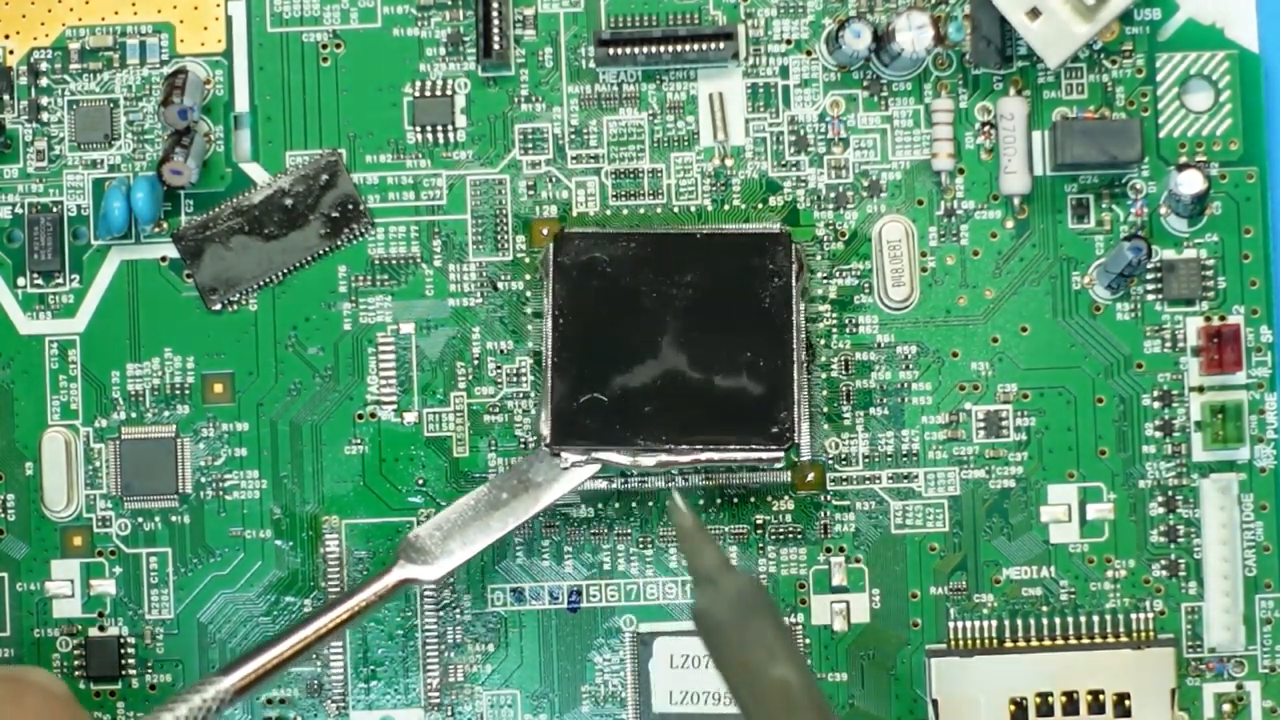
If desoldering has ever made you question your career choices, your hobbies, and possibly your relationship with copper pads, you are not alone. Few things are more annoying than trying to remove a stubborn component while the solder cools just fast enough to mock you. One second it is liquid, the next second it is a metallic hostage situation.
That is where bismuth enters the chat.
In the electronics world, bismuth-based low-temperature alloys have earned a loyal following because they can make desoldering dramatically easier. They are not magic, and they are definitely not a free pass to ignore technique, but they can lower the working temperature, extend the time a joint stays molten, and reduce the risk of roasting a printed circuit board into sadness. For hobbyists, repair techs, and anyone who has ever fought a fine-pitch IC with a standard iron and a prayer, that is a big deal.
This article breaks down what bismuth actually does, why it helps during desoldering, where it shines, where it can bite back, and how to use it intelligently. Because the goal is not just to get the part off the board. The goal is to get the part off the board without turning the board into modern art.
What Bismuth Is Really Doing for You
Bismuth by itself is a brittle metal, but when it is blended into solder alloys, it can significantly lower the melting point. That is the whole trick and the whole appeal. Traditional tin-lead solder melts around the familiar 183°C range, while common tin-bismuth low-temperature alloys melt around 138°C. Some specialized removal alloys go even lower and are designed specifically to stay molten long enough to help lift multi-pin components cleanly.
In plain English, bismuth helps create solder that softens sooner and stays workable longer. That means less heat stress on pads, less time parked on the joint, and less chance of cooking nearby plastic connectors, delicate laminates, or temperature-sensitive components.
During desoldering, this matters because the real enemy is not just solder. It is timing. Standard solder can re-solidify before you have finished heating all the leads on a chip, all the anchor tabs on a shield can, or all the pins on a connector. Bismuth-based removal alloy changes that rhythm. Once mixed into the existing solder, it lowers the overall melting behavior of the joint and gives you a bigger working window. Suddenly the job feels less like whack-a-mole and more like actual electronics repair.
Why Bismuth Makes Desoldering Easier
1. It Lowers the Heat Burden
Heat is necessary, but excess heat is where damage begins. Pads lift. Adhesives weaken. Plastic softens. Nearby components absorb stress they did not volunteer for. A lower-melting alloy lets you get to a removable state faster and with less total thermal abuse.
That does not mean you should use a cold iron and hope for the best. It means you can work more efficiently. Good desoldering is not about brute-force temperature; it is about fast, controlled heat transfer. Bismuth helps by reducing how much thermal energy the joint needs before it cooperates.
2. It Buys You Time on Multi-Lead Parts
Anyone who has removed a SOIC, QFP, or small shielded module knows the pain: you melt one side, move to the next, and the first side freezes out of spite. Low-temp removal alloy is beloved because it stays molten longer than ordinary solder. That extra working time is the difference between gently lifting a component and accidentally inventing a new pad-removal technique.
For surface-mount removal, that longer liquid phase is the secret sauce. You are no longer sprinting against the cooling curve. You can guide the part off more evenly, with less twisting, prying, or panicked muttering.
3. It Can Be Gentler on Older or Fragile Boards
Not every board is fresh from the factory. Some are old, oxidized, repaired before, or made with materials that do not love repeated high-heat excursions. Vintage gear, low-cost consumer electronics, and heavily reworked boards are especially vulnerable. Bismuth-based desoldering methods can reduce the punishment those boards take, which is often the difference between a successful repair and a repair story that starts with, “Well, it was working before I touched it.”
Where Bismuth-Based Desoldering Really Shines
Bismuth is especially handy in a few common situations:
Fine-Pitch Surface-Mount ICs
When pins are close together and pads are easy to lift, a low-temp removal alloy can make the job dramatically safer. Instead of overheating one side while chasing the other, you can keep the whole row workable and remove the part more smoothly.
Connectors with Lots of Pins
Connectors are often annoying because they combine multiple solder joints with plastic bodies that hate prolonged heat. Bismuth lowers the stress on both fronts. You still need patience, but you need less heat heroism.
Grounded Tabs and Heat-Hungry Pads
Large copper pours and grounded pads can suck heat away like tiny thermal black holes. Low-temp alloy will not repeal the laws of physics, but it can shift them in your favor enough to make removal practical.
Rework on Sensitive Assemblies
If the board has adjacent components, delicate laminates, or a general “please do not cook me” vibe, reducing the heat load is a smart move.
The Fine Print: Bismuth Is Helpful, Not Holy
Now for the grown-up section.
Bismuth-based alloys are excellent for desoldering and certain low-temperature assembly tasks, but they are not universally ideal as final joint material. Traditional tin-bismuth systems can be more brittle than conventional solders. That means they are often less appealing in applications that will see repeated flexing, drop shock, or heavy mechanical strain.
In other words, bismuth is great at helping you remove a component. It is not always the metal you want to leave behind in large amounts if the board will live a rough life. After removal, many technicians wick away the low-temp alloy residue, refresh the pads, and then solder the replacement component with the appropriate final-use alloy.
There is also one big compatibility warning: do not casually mix bismuth-containing alloys with lead-bearing solder and assume everything will be fine. That combination can create a very low-melting phase, which is exactly the kind of sentence you never want associated with a finished electronic product. If you are working on older leaded assemblies, be deliberate. Know what solder is already there, and do not treat all silver-gray metal as one happy family.
A Smarter Workflow for Using Bismuth in Desoldering
The best results usually come from process, not drama. A solid workflow looks like this:
Start with Flux
Flux improves wetting, helps heat move efficiently, and makes solder behave like it actually wants to participate. Skipping flux is a classic way to make easy jobs weirdly hard.
Add the Low-Temp Alloy Generously
Do not be timid. The point is to mix the removal alloy into the existing solder so the whole joint becomes easier to work with. A stingy amount often creates a half-improved joint, which is like bringing one paddle to a kayaking trip.
Keep the Component Moving Only When Fully Molten
This is crucial. If the part does not move easily, the solder is not fully melted. Forcing it is how pads lift, barrels tear, and confidence evaporates. Gentle removal beats aggressive persuasion every time.
Clean the Pads After Removal
Once the part is off, use braid or another appropriate cleanup method to remove excess alloy and flatten the pads. The cleaner the land pattern, the easier the replacement goes. This is not glamorous, but neither is redoing the job because the new part sat crooked.
Re-Tin Intelligently
If the final assembly should use a standard solder system, refresh the pads accordingly. Think of the bismuth alloy as a useful temporary ally during rework, not necessarily your forever roommate.
Desoldering Tools Still Matter
Bismuth helps, but tools still make or break the job. Desoldering braid, pumps, heated vacuum tools, hot air, and the right tip geometry all matter. In fact, a good tip shape and proper contact area can reduce the need to crank temperature higher than necessary.
A common mistake is assuming a tiny tip is always safer. It often is not. A tip that is too small transfers heat poorly, which can keep you on the joint longer and do more harm overall. The goal is efficient heat transfer with control, not a heroic struggle using a needle-sized tip against a joint the size of a postage stamp.
Likewise, large or thermally massive joints may benefit from preheating rather than just increasing tool temperature forever. Smarter thermal management usually beats hotter desperation.
Safety, Fumes, and Other Excellent Reasons Not to Hover Over the Joint Like a Dragon
Desoldering may feel small-scale, but it still involves hot metals, flux fumes, and potentially hazardous residues. Ventilation matters. Local exhaust is even better. If you are reworking older boards, lead contamination may also be part of the picture, which makes cleanliness and exposure control even more important.
Also, keep your expectations realistic. Lower-temperature alloy does not make the process risk-free. Tools are still hot. Solder can still splatter. Boards can still be damaged if you rush, pry, or overheat. Bismuth is a helper, not a hall pass.
When You Should Probably Reach for Bismuth First
If your job involves removing a stubborn surface-mount part, rescuing a fragile PCB, or reducing heat stress on a sensitive assembly, bismuth-based low-temp alloy deserves a place near the front of the toolbox. It is especially useful when the problem is not just melting solder, but keeping enough of it molten at once to remove the component cleanly.
For many people, the first time they use a proper low-temp removal alloy is a tiny revelation. The board does not fight as hard. The component comes off with less drama. The pads survive. The whole experience feels suspiciously professional.
That is the real lesson in minding your own bismuth: sometimes the smartest repair move is not more heat, more force, or more stubbornness. Sometimes it is choosing a better alloy and letting metallurgy do some of the heavy lifting.
Bench Notes: What This Looks Like in Real Life
On a real workbench, bismuth-based desoldering usually becomes a favorite after one very specific kind of battle: the kind where a part simply refuses to come off without taking half the neighborhood with it. Maybe it is an old SOIC on a board that has already seen one repair too many. Maybe it is a USB connector anchored to ground-heavy pads that laugh at your iron. Maybe it is a fine-pitch chip sitting on a cheap PCB whose pads look like they were attached with optimism rather than adhesive. In those moments, low-temp alloy starts to feel less like a specialty consumable and more like an emotional support metal.
A familiar experience goes like this: the first pass with ordinary solder and wick feels clumsy and slow. You heat one side, then the next, and the first side solidifies before you can do anything useful. You tell yourself you just need a little more temperature. Then a little more. Then a little more prayer. Eventually the board starts smelling expensive. That is usually the moment when bismuth earns its keep.
Once the low-temperature alloy is added and mixed into the original solder, the whole job changes personality. The joint becomes softer, calmer, more cooperative. Instead of a stop-and-go fight, it becomes a controlled removal. Multi-pin packages can be nudged free instead of yanked. Connectors stop acting like they are welded to the board by ancient curses. Even cleanup tends to feel more predictable because you are not chasing hardened blobs that froze the second you looked away.
There is also a confidence factor that people do not talk about enough. Good desoldering is partly technical skill, but it is also rhythm. When you are not panicking about the solder re-freezing instantly, your hands get steadier, your decisions get better, and you stop making the kind of rushed mistakes that lead to lifted pads and embarrassing silence. The process feels deliberate instead of frantic.
That said, experience also teaches restraint. Anyone who uses bismuth-based alloy for a while learns that it is not a permanent shortcut for every job. It is fantastic for removal, cleanup, and reducing thermal stress, but it still demands respect. Leave too much odd alloy behind, mix carelessly with the wrong existing solder, or treat brittle low-temp joints like they belong in rugged hardware, and you can create a different class of problem. The smart move is usually to use bismuth where it shines, then restore the board with the right final solder system for the application.
So the practical takeaway from the bench is simple: bismuth does not replace skill, but it rewards it. It gives you more time, more control, and more margin for error on jobs that otherwise feel annoyingly unforgiving. And on the day it saves a fragile board from overheating, it stops being a clever trick and starts being part of your standard repair strategy.
Conclusion
If desoldering has ever felt like trying to unbake a cake with a soldering iron, bismuth offers a smarter path. By lowering the effective melting behavior of the joint, extending working time, and reducing thermal stress, bismuth-based removal alloys can make difficult rework far more manageable. The key is to use them with good technique, good cleanup habits, and a clear understanding of their limits. Mind your own bismuth, and your boards may thank you by keeping their pads exactly where they belong.












