
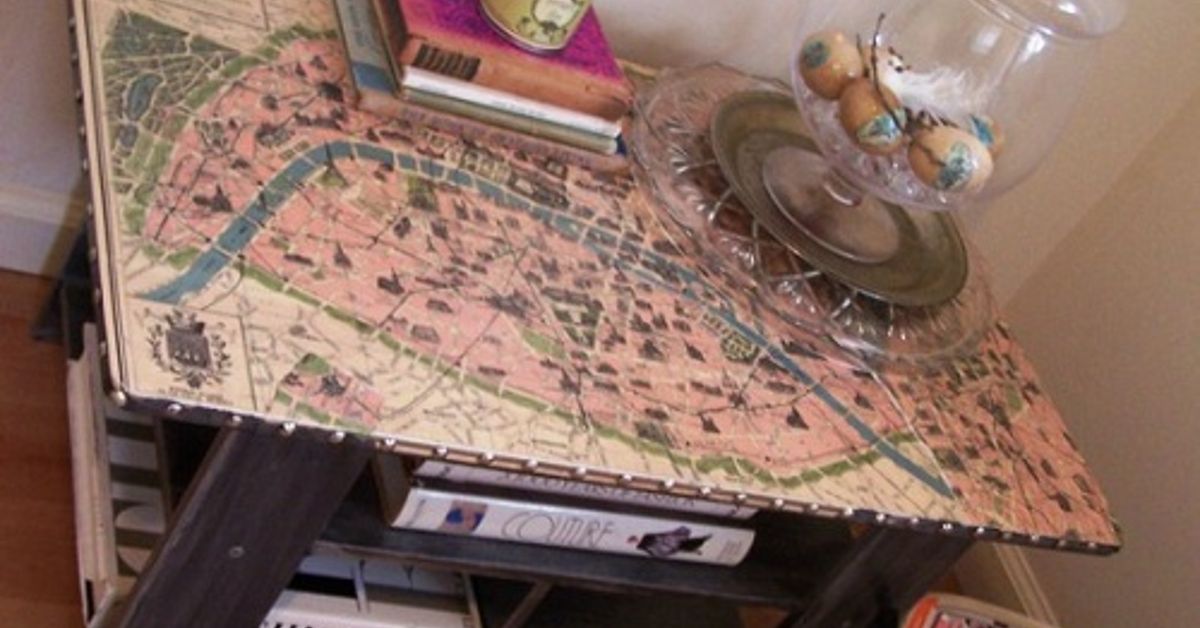
Your MDF coffee table is having an identity crisis. Right now it’s giving “starter apartment furniture section, aisle 12.” But with the right prep, paint strategy, and a few Parisian-chic tricks (think: soft neutrals, subtle aging, and a touch of gilded glamour), you can turn it into an accent table that looks like it knows what a croissant iswithout actually judging you for eating one over the sink.
This guide walks you through a durable, furniture-grade makeover that respects MDF’s quirks, upgrades the proportions (optional but powerful), and finishes with that effortless “I found this in a little shop” vibe. Spoiler: you made it.
Why MDF is both a blessing and a drama queen
MDF (medium-density fiberboard) is smooth, affordable, and wonderfully predictable on flat faceswhich is why so many budget coffee tables are made from it. The plot twist is the edges: cut MDF edges are porous and “thirsty,” meaning they can drink primer and paint like it’s happy hour. If you paint without sealing, you often get roughness, swelling (“fuzz”), or that forever-splotchy look that makes you question your life choices.
The good news: MDF takes paint beautifully when you treat it like MDF (not solid wood pretending to be MDF). Your goal is simple: seal, prime, smooth, paint, protect. Do that, and your table will look like it costs more than your last three streaming subscriptions combined.
Parisian chic in one paragraph (so you don’t accidentally make “French farmhouse”)
Parisian chic is less “theme” and more “confidence.” It leans on elevated neutrals, classic shapes, layered textures, and a mix of old and newlike a modern lamp next to something that looks suspiciously antique. Signature touches include warm stone or marble accents, ornate details (molding, fluting, curves), and a bit of muted shine: aged brass, gilt frames, or softly glowing gold.
Your accent table should feel curated, not costume-y. Translation: one or two special details (gilded edges, a faux-marble top, fluted legs, or delicate trim) beats throwing the entire Eiffel Tower souvenir shop at it.
Plan the transformation: coffee table vs. accent table proportions
If you want the piece to function as a true accent/side table, height matters. Coffee tables usually sit lower (often near sofa cushion height), while side tables typically rise closer to the sofa arm or seat height. You can keep your current table and style it as an “accent coffee table,” or you can do a quick proportion upgrade.
Option A: Keep the base, upgrade the look (fastest)
- Best for: minimal tools, minimal chaos.
- What changes: finish, details, styling.
- Result: a Parisian-chic coffee table that reads like an accent piece.
Option B: Swap the legs (most dramatic per dollar)
- Best for: turning “coffee table” into “side table” energy.
- What changes: height + silhouette (tapered wood legs, petite turned legs, or slim metal legs).
- Result: instant “designer proportions,” especially with a smaller top.
Option C: Resize the top (advanced, but doable)
- Best for: oversized coffee tables that overwhelm a room.
- What changes: footprint (e.g., trim to a smaller rectangle or soften corners).
- Result: a true accent table that fits anywhere.
If you’re unsure, pick Option A or B. Most makeovers fail not because the paint was wrong, but because the project quietly turned into “I am now building furniture.” Keep your glow-up within your patience budget.
Tools and materials (a realistic shopping list)
Prep and repair
- Fine-grit sandpaper (180–220) + sanding block
- Wood filler or lightweight spackle (for dents)
- Vacuum + microfiber cloth (dust is not “rustic charm”)
- Degreaser or mild cleaner (especially if it lived near snacks)
Edge sealing + priming (the “don’t skip this” category)
- Edge sealer: wood glue (PVA) thinned with a touch of water, or a dedicated MDF sealer
- Primer: shellac-based or oil-based primer (great for MDF edges) OR a high-adhesion bonding primer
Paint and finish
- Furniture paint (acrylic-alkyd enamel, cabinet/trim paint, or chalk-style paint)
- Topcoat: water-based polycrylic/polyurethane for durability (optional but recommended for tabletops)
- Detail finish: gilding wax or metallic rub (for “French glow”)
Nice-to-have upgrades
- Decorative molding or appliqués (to fake expensive curves)
- New legs + mounting plates (if doing Option B)
- Small stencil (for subtle Parisian patterning)
Safety note: MDF dust is fine and floats everywhere like it pays rent. Sand with a mask/respirator, and work in a ventilated areaespecially if you use shellac or oil-based primer.
Step-by-step: MDF coffee table makeover that actually lasts
1) Take it apart (only as much as you need)
Remove hardware, feet pads, and anything that’s easy to detach. If you’re swapping legs, remove the base now. Keep screws in a cup so you don’t perform the ancient ritual known as “crawling on the floor whispering why.”
2) Clean like you mean it
Paint hates grease. Even “clean-looking” furniture can have invisible oils from hands, furniture polish, or the time someone ate pizza while “being careful.” Wipe everything down and let it dry fully.
3) Fix dents and seams (the secret to a high-end finish)
MDF furniture often has seams at corners or around a wrapped edge. Fill dents, gaps, and swollen spots with wood filler. Let it dry, then sand smooth. This is where “budget table” becomes “custom piece.”
4) Sand lightly (you’re not sculpting a statue)
Use 180–220 grit to scuff the surface, especially if it has a slick factory finish. You’re creating tooth for primer and paintnot removing layers like an archaeologist discovering IKEA’s past.
5) Seal MDF edges (your future self will thank you)
Focus on edges and any cut areas. A thin coat of wood glue (PVA) works well as an edge sealer; apply, let dry, then sand lightly. You can also use an MDF sealer or a shellac-based primer directly on edges. The goal is a smooth, non-porous edge so paint doesn’t sink in and turn fuzzy.
6) Prime strategically (don’t turn this into a five-coat saga)
Prime the entire piece, but give extra love to edges. Shellac- or oil-based primers are popular for MDF because they seal quickly and reduce swelling. If you’re using a strong stain blocker primer, follow the label for dry and recoat times. When dry, sand lightly with fine grit to knock down any texture, then remove dust completely.
7) Choose your paint system (and why it matters)
You have three common routes, and each gives a slightly different “Parisian chic accent table” vibe:
- Acrylic-alkyd enamel / cabinet & trim paint: smoother, harder finish; great for tabletops and high-touch pieces.
- Chalk-style paint: dreamy matte look and easy distressing; usually needs a protective topcoat for real-life use (especially around drinks).
- Furniture paint systems: some lines are designed to be durable with minimal fuss; still, MDF edges benefit from proper sealing.
8) Paint in thin coats (thick coats are where brush marks go to thrive)
Apply two thin coats rather than one heavy one. Roll large flat areas with a small foam roller, then “tip off” with a brush for a smoother finish. Let each coat dry fully, then sand very lightly if you feel grit or texture. This is how you get that sleek, boutique finish instead of “I painted this at 11 p.m. with pure emotion.”
9) Add one Parisian-chic detail (pick your star of the show)
This is where your table stops being “painted furniture” and starts being “accent.” Choose one of these:
Detail idea #1: Subtle gilded edges (easy glamour)
Once paint is fully dry, use a small brush or soft cloth to apply a tiny amount of gilding wax to corners, beveled edges, or decorative trim. Less is more: you want a whisper of gold, not “Midas in a hurry.”
Detail idea #2: Faux marble top (Paris apartment energy)
For a marble-inspired top, start with a warm white base. Then use a soft gray (and maybe a hint of taupe) to create wispy veins with a feathered brush or sponge. Blur with a slightly damp sponge for realism. Seal well, because marble vibes are charming, but rings from iced coffee are not.
Detail idea #3: Molding “frame” (instant classic architecture)
Add thin molding to the apron or tabletop edge to mimic French paneling. Paint it the same color for a subtle, tailored lookor paint the base one shade deeper for contrast.
10) Protect the finish (especially if it’s becoming a drink table)
Tabletops live a rough life. A clear topcoat adds scratch and spill resistance. If you used a water-based paint, a water-based clear coat (like a polycrylic) is a common choice because it dries clear. Apply thin coats, sand lightly between coats if needed, and let the piece cure before heavy use. “Dry to the touch” is not the same as “ready for a houseplant that leaks.”
Turning it into a true accent table: quick upgrades that change everything
Leg swap cheat code
If your coffee table is low, swapping to taller legs can instantly move it into side-table territory. Choose a leg style that reads Parisian: slim tapered wood legs, petite turned legs, or delicate metal legs in an aged brass tone. Keep the silhouette lightParisian chic rarely looks bulky.
Make the footprint feel intentional
If the top is large, style it like a curated vignette instead of a landing pad. Use a tray to “contain” items, add one vertical element (a small lamp or vase), and one sculptural object. A stack of books is classic, but choose covers that don’t scream “textbook trauma.”
Common MDF makeover mistakes (and how to dodge them)
- Skipping edge sealing: leads to fuzzy, uneven edges. Seal first, sand smooth, then prime.
- Painting over dust: dust turns into texture. Vacuum + wipe every time you sand.
- Rushing dry times: soft paint dents easily. Dry is good; cured is better.
- Over-distressing: Parisian chic is subtle aging, not “dragged behind a scooter.”
- No protection on a tabletop: if it holds drinks, add a protective topcoat.
FAQ: quick answers before you Google at midnight
Do I have to prime MDF?
If you want a smooth, durable finishyes. Priming helps seal the surface, unify texture, and improve adhesion. Edges, especially, benefit from a sealing/priming step.
Can I use chalk paint on MDF?
You can, and it’s great for a velvety Parisian look. Just treat MDF edges properly and consider a clear topcoat for tabletops and high-traffic use.
How do I keep the finish from looking “crafty”?
Two things: (1) flawless prep (fill + sand + dust removal), and (2) restraint in the decorative details. Choose one signature elementgilded trim, faux marble, or elegant moldingthen stop while you’re winning.
Conclusion: your table’s new passport says “Parisian chic”
A MDF coffee table can absolutely become a Parisian chic accent tableif you respect the material. Seal the edges, prime smart, paint in thin coats, then add one elevated detail that makes the piece feel collected, not just coated. Whether you keep it coffee-table height or swap the legs to turn it into a true side table, the end result should feel polished, calm, and a little bit glamorouslike an apartment where someone owns matching wine glasses on purpose.
Extra: of real-world “what it’s like” after the makeover
The first experience most DIYers have after transforming an MDF coffee table into a Parisian chic accent table is a sudden urge to redecorate everything else. It’s not vanity; it’s physics. Once one item looks expensive, the rest of the room starts acting like it didn’t get the memo. The sofa throws shade. The lamp becomes self-conscious. You’ll find yourself moving the table three inches to the left, stepping back, then moving it back again like you’re negotiating with a very polite ghost.
Day one is usually the “is it dry-dry?” phase. You’ll hover. You’ll lightly tap an underside corner like a safecracker. You’ll tell yourself you’re just checking, but you’re really bonding. This is also when you notice the magic of a sealed and sanded MDF finish: the surface looks calmer, smoother, more grown-up. If you did a soft neutral color, the whole piece starts reflecting light differentlymore “French apartment morning” and less “dorm move-in weekend.”
By week one, you start learning how the table wants to be used. If it became a true accent table (taller legs, smaller footprint), it naturally migrates next to a chair or sofa corner and becomes the “set down your life” stationcoffee, book, keys, that one lip balm you can’t stop losing. This is where the topcoat decision pays off. A protected surface takes real life in stride: condensation rings, quick wipe-downs, the occasional “oops” moment. Without protection, you may find yourself using coasters with the intensity of a museum curator.
The most satisfying experience, honestly, is the detail work settling in. Gilding wax looks a little bright at first and then relaxes once you live with itespecially if you kept it subtle on edges and corners. It catches light when you walk by, which gives that understated luxury feeling Parisian style is known for. If you did faux marble, you’ll notice something funny: guests treat it like it’s real. They lean in. They tap lightly. They ask, “Where did you get this?” and you get to decide whether to tell the truth immediately or enjoy five seconds of mystery first.
There are also the practical lessons you only learn after: MDF edges behave best when they were sealed patiently, not “good enough” sealed. If you ever see a spot getting rough or dented (it happens), it’s rarely a disaster it’s usually a quick sand-and-touch-up situation. And you’ll start recognizing a new design habit: Parisian chic isn’t about matching sets; it’s about balance. Your transformed table can look stunning next to a modern sofa because it provides contrastsoft curves, warm metallic hints, classic color. That mix is the whole point.
The final experience is the quiet flex: you’ll catch the table in the background of photos and think, “That looks legitimately stylish.” Not “pretty good for DIY.” Just stylish. And that’s when you realize this makeover wasn’t only about furnitureit was about learning how to create a finish that looks intentional, durable, and a little bit French, even if the closest you’ve been to Paris lately is the “French Roast” aisle.














