
Note: This article is written for web publication and is based on publicly reported facts about motorcycle-riding dogs, senior dog care, pet travel safety, and real-life stories of dogs who became road-trip celebrities.
A Birthday With Wind in the Fur
Some dogs celebrate their birthdays with a squeaky toy, a pupcake, and a nap so dramatic it deserves its own documentary. Then there are motorcycle dogsthe four-legged legends who prefer their candles served with a side of engine rumble and open-road adventure.
The title “Motorcycle Dog Celebrates 11th Birthday On The Road!” sounds like the beginning of a feel-good movie, and honestly, it should be. At 11 years old, a motorcycle-loving dog is no longer just a cute passenger. He is a senior statesman of the sidewalk, a helmet-wearing ambassador of joy, and the kind of pup who makes strangers reach for their phones faster than someone spotting a celebrity at a gas station.
One real-life example that captured global attention is Bogie, an 11-year-old mixed-breed dog from the Philippines who became famous for riding with his owner, Gilbert Delos Reyes. Bogie has been seen wearing a custom helmet, sunglasses, and a small jacket while cruising through towns, mountain roads, and beach routes. His look says “Easy Rider,” but his heart says “good boy with excellent balance.”
Stories like Bogie’s are why motorcycle dogs fascinate people. They combine three things the internet never gets tired of: dogs, adventure, and outfits that make us question why our own wardrobe is so boring. But behind the charm is a bigger story about companionship, trust, responsible pet travel, and the special bond between a rider and a dog who seems happiest when the journey keeps going.
Meet the Motorcycle Dog Who Stole the Road
Bogie’s story is the kind of tale that makes even non-bikers smile. According to reports, his owner brought him home when he was just a tiny pup, and the dog quickly became part of daily life around the motorcycle shop. Before long, Bogie was not just hanging around bikes; he was drawn to them. When the engine started, he reportedly became excited and ready to ride.
By the time Bogie reached 11, he had become a local celebrity. People recognized him for his signature look: protective eyewear, a specially made helmet with space for his ears, and a road-ready attitude that could make a leather-jacketed movie hero feel underdressed. He was not merely sitting still for a photo. He had become part of a moving friendship, a familiar face in traffic, and a reminder that joy sometimes arrives on two wheels and four paws.
His adventures have included mountain routes and beach trips, and his presence has brought attention to his owner’s shop. Customers have stopped by not only for motorcycles but also for photos, greetings, and the irresistible chance to meet a dog who looks like he has better weekend plans than most humans.
And while the image is undeniably funny, the emotional appeal is what sticks. For his owner, Bogie is more than a mascot. He is family. That is the real engine behind the story. The bike may provide the sound, but the bond provides the power.
Why People Love Motorcycle Dogs
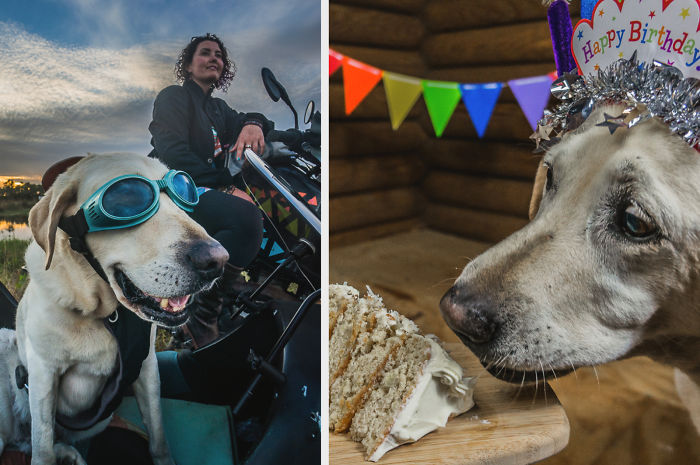
Motorcycle dogs create instant happiness because they break the rules of what we expect to see. A dog in a car? Normal. A dog in a stroller? Cute. A dog in a sidecar wearing goggles like a tiny retired stunt pilot? That is a full public event.
In the United States, sidecar dogs have long had their own little fan club. Documentaries and news features have followed owners who travel with dogs in sidecars, carriers, and custom-built setups. Some riders say their dogs love the air, the scenery, and the attention. Others say the trips are less about speed and more about togetherness.
That makes sense. Dogs are social animals. Many of them love being included, whether that means walking to the mailbox like it is a military mission or joining a carefully planned road trip. For a dog that enjoys travel, the changing smells, sounds, and sights can be deeply enriching. Every stop becomes a sniff buffet. Every new town is a fresh chapter. Every rest break is a chance to investigate one very important bush.
For humans, motorcycle dogs represent freedom with a wagging tail. They remind us that adventure does not always need to be grand, expensive, or perfectly scheduled. Sometimes it is simply an afternoon ride, a safe route, a happy dog, and the kind of birthday memory no store-bought card could match.
Eleven Years Old: A Senior Pup With Main Character Energy
An 11-year-old dog is often considered a senior, though aging depends heavily on breed, size, genetics, health, activity level, and overall care. Smaller dogs may stay spry longer, while larger breeds tend to reach senior status earlier. Either way, the 11th birthday is a milestone worth celebrating with extra tenderness.
Senior dogs may still love adventure, but they need thoughtful adjustments. Their joints can be stiffer. Their stamina may be lower. Their hearing, vision, digestion, and temperature tolerance may change. A younger dog may bounce into a trip like a furry cannonball, while an older dog might prefer shorter outings, softer bedding, more breaks, and a schedule that does not treat rest as an optional hobby.
That is why the best motorcycle dog birthday is not about proving toughness. It is about honoring the dog’s comfort. A senior motorcycle dog does not need a marathon route to be legendary. A slow, safe, familiar ride with plenty of water, shade, and rest can be more meaningful than a long trip packed with stress.
Think of it as the canine version of a dignified birthday cruise. The dog gets the breeze, the bonding, the attention, and the heroic photos. The humans get the memory. Everyone wins, especially if snacks are involved.
Safety Comes Before the Birthday Parade
As adorable as motorcycle dogs are, this topic needs a responsible pause. Dogs should never be forced into motorcycle travel. Not every dog likes loud engines, wind, vibration, traffic, crowds, or protective gear. Some dogs may appear excited but actually feel stressed. Others may be too old, too anxious, too young, too large, too small, or too medically fragile for this kind of activity.
Veterinary guidance matters. Before taking any dog on an unusual travel activity, especially a senior dog, owners should consider a health check. Arthritis, heart disease, breathing issues, anxiety, balance problems, or heat sensitivity can make motorcycle riding uncomfortable or unsafe.
Proper equipment also matters. Dogs seen riding safely in sidecars or carriers usually have secure setups, eye protection, weather protection, and a way to remain contained. A loose dog on a motorcycle is not cute; it is dangerous. The goal should never be viral attention. The goal should be the dog’s welfare.
Road laws can also vary by location. Some places have specific rules about animal transport, and even when a practice is technically allowed, it may not be wise. A responsible owner checks local regulations, avoids unsafe routes, watches the dog’s body language, and chooses comfort over showmanship every time.
What Makes a Dog a Good Travel Companion?
A great travel dog is not simply brave. He is comfortable, calm, healthy, and willing. The best canine road companions are usually introduced to travel gradually. They become familiar with equipment, sounds, and short outings before longer trips are even considered. They are not thrown into a noisy situation and expected to act like a professional biker with paws.
Good motorcycle dog stories often have one thing in common: the dog appears to enjoy the routine. In Bogie’s case, reports describe a dog who became excited when the motorcycle engine started. Other famous riding dogs have been known to hop into sidecars or carriers willingly. That choice matters. A dog’s enthusiasm is not a decorative detail; it is the heart of ethical pet adventure.
Owners should also understand stress signals. Panting that is not related to heat, trembling, pinned ears, attempts to escape, whining, drooling, rigid posture, or refusal to approach the bike can all mean the dog is uncomfortable. A birthday ride should never become a birthday ordeal.
The safest mindset is simple: the dog decides the vibe. If he is relaxed, healthy, properly protected, and clearly happy, the outing may be enjoyable. If he is not, the best birthday plan might be a walk, a backyard picnic, or a couch session with a new chew toy and the dignity of not being dressed like a tiny road warrior.
The Secret Ingredient: Trust
The most beautiful part of a motorcycle dog story is not the helmet. It is the trust. A dog who travels with a human in any setting depends completely on that person’s decisions. The dog cannot read traffic patterns, check the weather forecast, inspect equipment, or say, “Excuse me, but my hips would prefer a shorter route today.”
That means the human must become the dog’s advocate. The rider must think ahead, prepare supplies, monitor heat, plan rest stops, avoid dangerous conditions, and end the ride when the dog has had enough. The human may enjoy the road, but the dog’s comfort should steer the day.
When that trust is handled well, the result can be wonderful. A dog gets to explore the world with his favorite person. A person gets to share a passion with a beloved companion. Strangers get a moment of surprise and happiness. The world gets a little softer around the edges.
That is why a motorcycle dog celebrating an 11th birthday on the road feels so special. It is not just a novelty. It is a moving picture of loyalty, aging, adventure, and the quiet promise between a pet and an owner: wherever we go, we go togethersafely, thoughtfully, and preferably with treats.
How to Celebrate a Motorcycle Dog’s 11th Birthday
A road-themed birthday for a senior dog does not need to be complicated. In fact, the best celebration is often simple. Start with the dog’s comfort. Choose a familiar route, avoid extreme heat, skip heavy traffic, and keep the trip short enough that the dog finishes happy rather than exhausted.
A birthday stop can make the day memorable. Think of a quiet park, a pet-friendly café patio, a scenic overlook, or a calm beach area where dogs are allowed. Bring water, a collapsible bowl, waste bags, the dog’s regular food, any medications, and a favorite blanket. If the dog has a sensitive stomach, do not suddenly introduce a mountain of rich birthday snacks just because the camera is rolling.
For photos, prioritize safety over drama. A stationary motorcycle photo with the dog in gear can be adorable without requiring risky movement. Add a birthday bandana, a small sign, or a dog-safe treat, and suddenly the image has enough charm to power a small town.
Most importantly, celebrate the years. Eleven years with a dog is a treasure. It is thousands of greetings at the door, countless muddy paw prints, mysterious missing socks, and the kind of companionship that turns ordinary days into stories. A motorcycle ride may be the theme, but love is the actual party.
Experiences From the Road: Lessons a Motorcycle Dog Teaches Us
Spend enough time reading about motorcycle dogs, sidecar dogs, and road-tripping pups, and one theme keeps popping up: the journey changes people as much as it delights dogs. Owners often describe their pets as conversation starters, mood lifters, and tiny ambassadors of friendliness. A dog in riding goggles can turn a gas station into a meet-and-greet, a parking lot into a photo session, and a normal errand into the best thing someone saw all week.
That is one of the biggest experiences connected to motorcycle dogs: they slow people down in a good way. Riders may love distance, speed, and the meditative rhythm of the road, but dogs add a different pace. You stop more often. You check water. You look for shade. You notice parks, quiet corners, and safe places to stretch. The dog turns the ride from a route into a relationship.
Senior dogs make that lesson even stronger. An 11-year-old pup reminds us that adventure does not always mean pushing farther. Sometimes it means adapting. Maybe the ride is shorter than it used to be. Maybe the dog needs a softer resting place or a longer break. Maybe the most exciting part of the trip is not the destination but the fact that an old friend is still there, ears lifted, nose working, ready to enjoy the world in his own slower, wiser way.
People who travel with dogs often learn to pack with intention. The practical list grows quickly: water, food, leash, medications, cleaning supplies, a first-aid kit, identification, vaccination records, and familiar comfort items. But the emotional list matters too: patience, flexibility, and humility. Dogs do not care about completing the perfect itinerary. They care about feeling safe, staying near their person, and investigating smells that humans rudely ignore.
There is also a community experience. Bikers are sometimes unfairly judged by their loud engines and leather gear, but many motorcycle dog stories reveal a warm, generous culture. People wave. Children smile. Other riders ask questions. Pet lovers swap advice. A dog on the road can soften assumptions and create instant common ground. Suddenly the conversation is not about horsepower; it is about paw power.
Of course, the best experience is the private one: the rider glancing back to see a calm, content dog; the dog leaning into a familiar routine; the shared quiet after the engine stops. Those moments do not need a viral post. They are valuable because they belong to the pair who lived them.
That is why “Motorcycle Dog Celebrates 11th Birthday On The Road!” works as more than a headline. It captures a feeling. It tells us that age does not erase adventure, that companionship can make the world brighter, and that a birthday does not need balloons when the guest of honor already has goggles, a wagging tail, and a road full of stories.
Conclusion: A Senior Dog, A Motorcycle, and A Memory Worth Keeping
A motorcycle dog turning 11 is more than a cute internet moment. It is a celebration of loyalty, responsible adventure, and the bond between a person and a pet who has shared years of ordinary days and extraordinary rides. Whether inspired by Bogie, sidecar dogs, or other road-loving pups, the message is the same: the best adventures are built on trust.
If a dog truly enjoys travel, is healthy enough for it, and is protected with the right setup, a road-themed birthday can be unforgettable. But the dog’s comfort must always come first. No photo, headline, or crowd reaction is worth risking a pet’s safety. The real win is not proving that a dog can ride. The real win is giving a beloved senior companion a happy, safe, tail-wagging day.














