
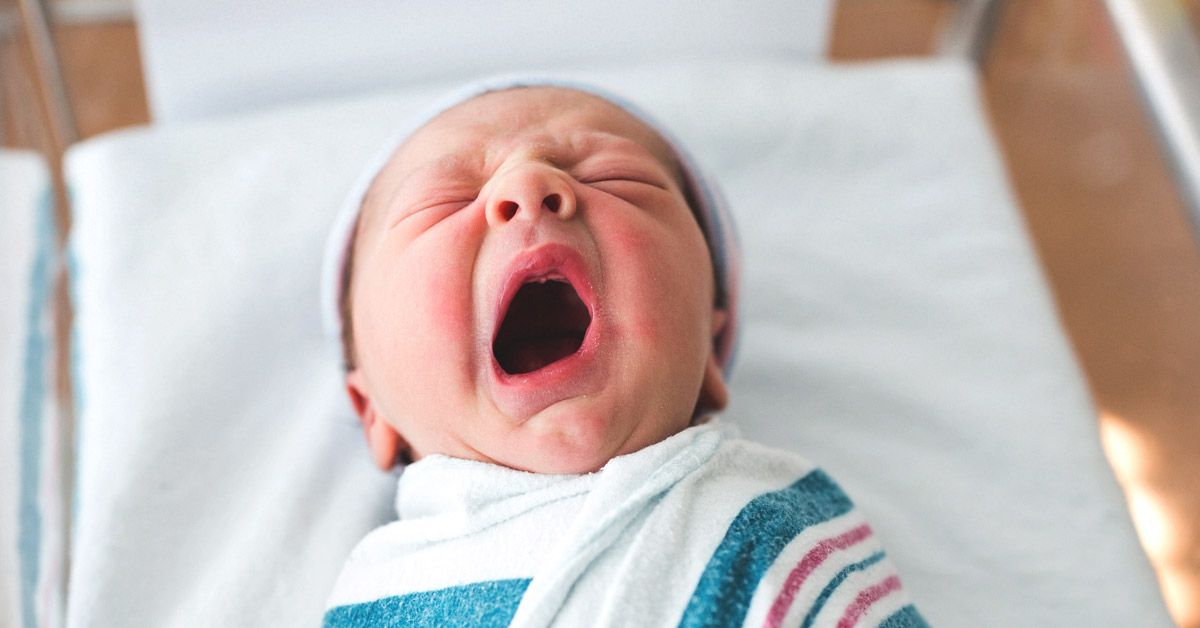
Few sounds can launch a new parent across the room faster than a tiny newborn sneeze. One minute your baby is peacefully sleeping like a warm little burrito, and the nextachoo! Suddenly, you are wondering whether this is a cold, an allergy, a mysterious dust invasion, or proof that your baby has inherited your dramatic flair.
The good news: newborn sneezing is very often normal. Babies sneeze to clear their tiny nasal passages, adjust to the outside world, and remove irritants such as dust, milk, mucus, or dry air. A sneeze by itself is usually not a medical emergency. In fact, for many newborns, sneezing is less “I am sick” and more “My nose is learning how to be a nose.”
Still, newborns are delicate, and colds or respiratory infections can become serious more quickly in very young babies. The trick is learning what sneezing means when it appears alone, and what it may mean when it comes with fever, cough, poor feeding, breathing trouble, or unusual sleepiness.
This guide explains why newborns sneeze, how to tell normal sneezing from a cold, what else might be causing it, how to safely help a stuffy baby, and when to call the pediatrician.
Why Do Newborns Sneeze So Much?
Newborns have small noses, narrow nasal passages, and very little experience with the wild atmosphere of planet Earth. After months in the womb, they suddenly meet air, dust, laundry detergent scents, pet dander, milk dribbles, blankets, burp cloth fuzz, and maybe Uncle Steve’s enthusiastic cologne. Their noses have opinions.
Sneezing is a natural reflex that helps clear the nose. Since newborns breathe mostly through their noses, keeping those nasal passages open matters. A baby who sneezes several times a day may simply be doing routine maintenancelike a tiny biological air filter with cheeks.
Common normal reasons for newborn sneezing
Newborn sneezing may happen because of:
- Leftover fluid or mucus from birth
- Dust, lint, or pet hair in the air
- Dry indoor air
- Milk or saliva near the nasal passages
- Normal newborn reflexes
- Minor nasal congestion without illness
- Exposure to smoke, perfume, cleaning sprays, or strong odors
If your newborn is sneezing but breathing comfortably, feeding well, sleeping normally, and has no fever, the sneezing is usually not a sign of a cold. It is more likely part of normal newborn behavior.
Is Newborn Sneezing a Sign of a Cold?
It can bebut sneezing alone is not enough to diagnose a cold. A common cold in babies usually comes with a cluster of symptoms. The first signs are often a stuffy or runny nose. Mucus may start clear, then become thicker, cloudy, yellow, or green as the illness changes. That color shift can be alarming, but it does not automatically mean a bacterial infection or that antibiotics are needed.
A newborn with a cold may also have coughing, fussiness, trouble sleeping, reduced appetite, or a fever. Colds are caused by viruses, and babies are especially vulnerable because their immune systems are still developing. Unfortunately, newborns do not come with a “skip cold season” setting.
Signs your newborn may have a cold
Newborn sneezing may be related to a cold if it appears with:
- Runny or stuffy nose
- Cough
- Fever
- Watery eyes
- Hoarse cry
- More fussiness than usual
- Trouble sleeping
- Feeding less than normal
- Thicker nasal mucus
For older children, a cold is often just a cranky week with tissues. For newborns, it deserves closer attention. Babies under 3 months should be treated cautiously because early symptoms can be subtle, and small babies can have more trouble feeding or breathing when congested.
Normal Sneezing vs. Cold Symptoms: How to Tell the Difference
Here is the practical parent test: look at the whole baby, not just the sneeze. One sneeze does not tell the full story. Ten sneezes may still be normal if your baby is otherwise bright-eyed, eating well, and breathing comfortably.
Likely normal newborn sneezing
Sneezing is more likely normal when:
- Your baby has no fever
- Breathing looks easy and quiet
- Feeding is normal
- Diapers are normal
- Your baby wakes and responds normally
- There is no persistent cough
- Sneezing happens after feeding, waking, or exposure to dry air
More likely a cold or infection
Sneezing may point to illness when it comes with:
- Fever of 100.4°F (38°C) or higher in a baby under 3 months
- Cough that worsens
- Fast breathing or labored breathing
- Ribs pulling in with breaths
- Poor feeding
- Fewer wet diapers
- Extreme sleepiness or unusual limpness
- Blue or gray color around lips or face
- Symptoms that keep getting worse instead of slowly improving
If your newborn has a fever, especially under 3 months old, call your pediatrician right away. Do not try to “wait it out” with a brand-new baby and a true fever. Newborns like to keep parents humble, but fever is one area where caution wins.
Could It Be RSV, Flu, COVID-19, or Another Respiratory Virus?
Many respiratory viruses can begin with symptoms that look like a cold: runny nose, sneezing, cough, congestion, and decreased feeding. RSV, flu, COVID-19, and other viral infections can be mild in some babies but more serious in young infants.
RSV is especially important because it may start gently and become worse a few days later. In infants, early signs can include runny nose, eating or drinking less, and cough. As it progresses, some babies may develop wheezing or difficulty breathing.
Call your baby’s healthcare provider if your newborn has cold symptoms and is under 3 months old, or if you notice breathing trouble, poor feeding, dehydration signs, or unusual sleepiness. If your baby is struggling to breathe, turning blue or gray, or cannot stay awake, seek emergency care immediately.
Could Newborn Sneezing Be Allergies?
Parents often wonder if sneezing means allergies. In newborns, true seasonal allergies are less common than in older children because allergies usually require repeated exposure over time. A 2-week-old baby is unlikely to be offended by spring pollen on a personal levelat least not yet.
However, newborns can react to environmental irritants. This may look like sneezing, mild congestion, watery eyes, or general discomfort. Irritants are not the same as allergies, but they can still make a baby’s nose cranky.
Common irritants that can make newborns sneeze
- Cigarette smoke or vaping aerosols
- Perfumes and scented lotions
- Strong cleaning products
- Air fresheners
- Dust
- Pet dander
- Dry air
- Powdery products
Keeping your newborn’s air clean and simple can help. Skip smoke exposure, avoid spraying fragrances nearby, wash baby items with gentle detergent, and keep the room comfortably humidnot rainforest humid, just “nose-friendly.”
Could Sneezing Be from Dry Air or Congestion?
Yes. Dry air can irritate the nose and make sneezing more frequent. This is especially common in winter or in homes with air conditioning or heating. Newborn nasal passages are tiny, so even a little dryness or mucus can sound dramatic. A baby may snort, squeak, grunt, or sneeze while still being perfectly fine.
Congestion can also happen after feeding. Milk can sometimes come up slightly or collect near the back of the nose, triggering sneezing. This does not always mean reflux disease or infection. Babies are messy little milk engineers, and not every system is fully calibrated yet.
How to Safely Help a Sneezing or Congested Newborn
If your newborn is sneezing but otherwise well, you may not need to do anything. Babies do not require a full spa treatment for every sneeze. But if congestion is making feeding or sleep harder, gentle care can help.
Use saline drops carefully
Saline drops can loosen mucus in the nose. Use only products made for infants and follow your pediatrician’s instructions or the product label. Saline is not a cold cure, but it can make mucus easier to clear.
Try gentle suction
A bulb syringe or nasal aspirator may help if mucus is blocking the nose. Be gentle and avoid overusing suction, because too much suctioning can irritate the nasal lining and make congestion worse. The goal is “clear enough to feed,” not “professionally polished nostrils.”
Use a cool-mist humidifier
A cool-mist humidifier can help ease dry air. Clean it regularly according to the manufacturer’s directions so it does not become a tiny fog machine for germs or mold.
Keep feeding comfortable
If your baby is congested, feeding may take extra patience. You can pause for burps, keep the baby slightly upright during feeds, and clear the nose gently before feeding if needed. Call your pediatrician if congestion keeps your newborn from nursing or taking a bottle.
Avoid smoke and strong scents
Smoke exposure increases respiratory irritation and illness risk. Keep your baby away from cigarette smoke, vaping aerosols, fireplaces that produce indoor smoke, strong perfumes, and heavy cleaning fumes.
What Not to Do for Newborn Sneezing
Newborn care sometimes involves doing less, not more. The internet may offer 47 creative “remedies,” many of which should be placed gently in the trash next to expired coupons.
Do not give over-the-counter cold medicine
Do not give cough or cold medicines to infants unless a healthcare professional specifically tells you to. The FDA does not recommend over-the-counter cough and cold medicines for children younger than 2 because they can cause serious side effects. Many products are also labeled not for use in children under 4.
Do not use adult decongestants
Adult cold medicines are not safe for newborns. Tiny bodies process medicine differently, and dosing mistakes can be dangerous.
Do not use honey
Honey should not be given to babies under 12 months because of the risk of infant botulism. This includes honey in teas, syrups, or homemade remedies.
Do not prop up the crib mattress
Keep sleep safe. Babies should sleep on their backs on a firm, flat surface without loose blankets, pillows, or positioners. Raising the mattress or using sleep positioners is not a safe solution for congestion.
When to Call the Pediatrician
Call your baby’s healthcare provider if your newborn is under 3 months old and has signs of illness, especially fever or feeding changes. With newborns, it is better to call and be told, “Keep watching,” than to ignore a symptom that needs care.
Call right away if your newborn has:
- A rectal temperature of 100.4°F (38°C) or higher
- Trouble breathing
- Fast breathing or ribs pulling in
- Blue, gray, or pale color around lips or face
- Wheezing or grunting with breathing
- Poor feeding or refusing feeds
- Fewer wet diapers than usual
- Repeated vomiting
- Extreme sleepiness, weakness, or difficulty waking
- Symptoms that worsen after seeming to improve
Also call if nasal congestion prevents your newborn from nursing or taking a bottle. Babies need steady fluid intake, and congestion can make feeding frustrating for them.
How Long Does a Newborn Cold Last?
A baby cold can last about 10 to 14 days, and symptoms often peak around the second or third day. Some lingering congestion may hang around longer, especially if the air is dry or the baby catches another virus soon after. Because life with a newborn apparently needed bonus challenges.
Most colds are viral, so antibiotics do not help unless there is a bacterial complication diagnosed by a healthcare professional. Treatment usually focuses on comfort, feeding, hydration, and monitoring.
How to Reduce the Chance of Colds in Newborns
You cannot place your baby in a bubble, and even if you could, someone would still ask to kiss the bubble. But you can reduce exposure to germs and irritants.
Practical prevention tips
- Wash hands before touching the baby
- Ask sick visitors to wait until they are well
- Avoid crowded indoor places during peak respiratory virus season when possible
- Keep the baby away from smoke and strong fumes
- Clean frequently touched surfaces
- Keep up with recommended vaccines for household members
- Follow your pediatrician’s guidance for newborn checkups
It is perfectly reasonable to set boundaries with visitors. “Please wash your hands” is not rude. It is basic newborn diplomacy.
Real-Life Parent Experience: The Sneezing Spiral
Many new parents remember the first time their newborn sneezed repeatedly. It usually happens at 2:00 a.m., because babies enjoy suspense. The baby sneezes once. Then twice. Then makes a tiny snuffling sound. Suddenly, one parent is searching “newborn sneezing normal?” while the other is holding a phone flashlight near the crib like a detective in a very small crime drama.
The most helpful lesson from experienced parents is this: do not judge the situation by sound alone. Newborns are noisy. They sneeze, grunt, squeak, hiccup, sigh, and produce nasal sounds that make them seem like tiny woodland creatures. A baby can sound congested and still be breathing normally, feeding well, and doing just fine.
One common experience is sneezing after feeding. A baby may nurse or take a bottle, then sneeze several times as milk residue or saliva irritates the nose. Parents may panic, only to notice that the baby immediately relaxes and wants more milk. In that situation, the sneeze is usually just a clearing reflex, not a cold. A gentle burp, a calm pause, and keeping the baby slightly upright for a little while may be enough.
Another common scenario happens during seasonal changes. The house gets dry, the heat turns on, and suddenly the newborn sneezes more. Parents may think a cold is coming, but the baby has no fever, no cough, and normal diapers. A clean cool-mist humidifier and reducing irritants may help. The baby’s nose is tiny, and dry air can make it complain loudly.
Parents also learn that mucus can look scarier than it is. Clear mucus is common with irritation or a cold. Thicker mucus can happen as a cold progresses. Even yellow or green mucus does not automatically mean antibiotics are needed. The baby’s overall condition matters more: breathing, feeding, temperature, alertness, and hydration.
A useful habit is keeping a simple symptom log. Write down when sneezing started, whether there is cough, what the temperature is, how feeding is going, and how many wet diapers your baby has. This helps you avoid relying on panic math, where three sneezes plus one snort equals “we are moving into the pediatrician’s office.” It also gives the doctor useful information if you call.
Experienced parents often say they became calmer once they learned the red flags. Sneezing alone? Usually okay. Sneezing with easy breathing and good feeding? Usually okay. Sneezing with fever in a baby under 3 months, trouble breathing, poor feeding, or unusual sleepiness? Time to call right away.
The emotional side matters too. Newborn sneezing can make parents feel helpless because the baby is so small. But safe, simple care is powerful: clean air, handwashing, gentle saline if needed, careful suction, steady feeding, and knowing when to seek help. You do not need to fix every sneeze. Sometimes your job is simply to observe, comfort, and resist the urge to turn the nursery into a medical command center.
In other words, newborn sneezing is often just newborn life. It is the sound of a tiny nose clearing itself, a reflex doing its job, and a baby adjusting to the world one dramatic little “achoo” at a time.
Conclusion: So, Is Newborn Sneezing a Cold or Something Else?
Newborn sneezing is usually normal, especially when your baby has no fever, feeds well, breathes comfortably, and acts like their usual tiny self. Sneezing helps clear the nose of mucus, dust, milk, and everyday irritants. It can also happen because of dry air or mild congestion.
However, sneezing can be part of a cold or another respiratory infection when it appears with runny nose, cough, fever, poor feeding, unusual sleepiness, or breathing problems. For babies under 3 months, illness symptoms deserve extra caution. Call your pediatrician if you are unsure, and call right away for fever, breathing trouble, poor feeding, or signs of dehydration.
The best approach is calm observation plus safe care. Keep the air clean, avoid smoke and strong scents, use saline or gentle suction only when needed, and skip over-the-counter cough and cold medicines unless your healthcare provider says otherwise.
Your newborn’s sneeze may sound enormous coming from such a small person, but most of the time, it is simply a normal reflex. Tiny baby, tiny nose, big drama. Welcome to parenthood.














