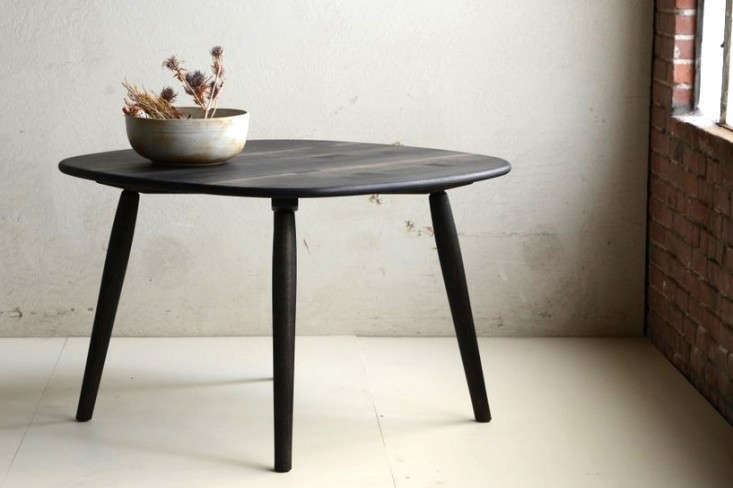
Some tables are just tables. They hold plates, collect mail, and silently judge your life choices. The Nomad Table by Jacob May Furniture does all the practical table things, surebut it also solves a very modern problem: how to own a beautiful, heirloom-worthy wood table when your address may change more often than your streaming passwords.
In a market crowded with flimsy “temporary” furniture and impossibly heavy forever-pieces, the Nomad Table lands in the sweet spot. It’s crafted with solid wood, refined joinery, and a design language that feels calm and architectural. At the same time, it’s intentionally engineered to be disassembled, packed flat, and reassembled repeatedly. Translation: it looks like grown-up furniture and behaves like smart furniture.
This article takes an in-depth look at what makes the Nomad Table stand out, who it’s best for, what to consider before buying, how to style and maintain it, and why it continues to attract attention from design editors and furniture enthusiasts. If you’ve ever wanted a table that can survive both dinner parties and moving day, you’re in the right place.
Why the Nomad Table Matters in Today’s Furniture Market
The modern home has changed. People move between apartments, cities, and life stages more often. But many premium furniture pieces are still designed as if they’ll never leave the room they were delivered to. That mismatch is exactly where the Jacob May Nomad Table becomes interesting.
Jacob May’s Nomad concept is built around a simple but powerful idea: create a portable dining table that doesn’t look like a compromise. Instead of leaning into disposable flat-pack furniture aesthetics, the Nomad line aims for something warmer and more enduringcloser to an heirloom than a stopgap.
In practical terms, the Nomad Table is designed to break down, pack flat, and reassemble with a single included tool. That alone is a major quality-of-life upgrade for renters, frequent movers, and anyone who has ever tried to rotate a full-size dining table through a narrow staircase while whispering, “This is fine.”
What Is the Nomad Table by Jacob May Furniture?
The Nomad Table is part of Jacob May Design’s broader Nomad Collection, a group of tables and seating pieces developed with the same philosophy: elegant form, durable construction, and modular practicality. The dining table is the centerpiece of that collection and the piece most people mean when they say “Nomad Table.”
Core design idea
The table bridges two categories that usually don’t mix well: flat-pack convenience and heirloom-level craftsmanship. Jacob May explicitly positions the rectangular Nomad dining table as a response to that gap, pairing a light, Scandinavian-modern-inspired silhouette with substantial solid-wood components and traditional-looking joinery details.
Construction philosophy
One of the strongest selling points is that the table is not merely “easy to assemble.” It’s designed to be reassembled many times. That distinction matters. Plenty of furniture can survive one setup; fewer pieces are engineered for multiple moves without degrading. The Nomad line emphasizes durable hardware and a build logic that supports repeat disassembly and setup over years of ownership.
Materials and finish feel
The Nomad Table is associated with solid hardwood construction, hand-rubbed oil finishes, and natural-looking tones that develop character over time. In plain English: this is the kind of table that tends to look better as it’s actually usedassuming you care for it properly and don’t host a “let’s carve our initials into the table” party.
Design Language: Why It Looks So Good (Without Trying Too Hard)
The best furniture design often feels obvious in hindsight. The Nomad Table has that quality. It avoids flashy styling gimmicks and instead focuses on proportion, joinery expression, and material presence. The result is a piece that can sit comfortably in several interiors:
- Scandinavian-inspired spaces with soft neutrals and clean lines
- Organic modern interiors with natural textures and warm woods
- California casual homes with ceramics, linen, and mixed vintage accents
- Contemporary apartments where one strong wood piece anchors the room
The table’s portability story is modern, but visually it reads as timeless. That’s a smart move. Furniture trends come and go (goodbye, all-gray everything), but proportion and craftsmanship age more gracefully.
Design publications and style-focused outlets have repeatedly highlighted the Nomad line for exactly this blend of utility and refinement. It’s often described in ways that emphasize craftsmanship first and portability second, which is arguably the biggest compliment a “move-friendly” table can receive.
Key Features That Make the Nomad Table Stand Out
1) Break-down, flat-pack capability
This is the headliner. The Nomad Table is designed to be disassembled and packed flat, making moving, storage, or room transitions dramatically easier than with a conventional one-piece dining table. For urban living, that’s not a nice-to-haveit’s a survival tool.
2) Single-tool assembly system
Jacob May’s Nomad pieces are known for using a single assembly tool, stored directly on the furniture under a leather flap/pocket detail. It’s one of those small engineering touches that feels luxurious because it solves an annoying real-world problem: losing the one thing you need on move-in day.
3) Joinery-meets-hardware approach
The Nomad line blends antique-style joinery references with modern hardware. That combination is a major reason the furniture reads as substantial rather than temporary. It doesn’t pretend hardware doesn’t exist; it integrates it into a durable, repeatable assembly strategy.
4) Solid wood presence with hand-rubbed finish
The hand-rubbed oil finish contributes to the tactile feel and the “lived-in, not worn-out” aging process many wood lovers want. Over time, normal use can create patina rather than pure damageassuming the table is treated like furniture and not a chemistry lab.
5) Multiple sizes and finish options
The Nomad dining table has been offered in multiple sizes and finish/material options through Heath Ceramics, making it easier to match both room scale and personal style. That flexibility helps the piece work in compact city dining areas as well as larger open-plan homes.
Who Should Buy the Nomad Table?
Best fit: People who move, but hate “moving furniture” aesthetics
If you relocate every few years and still care deeply about your interior, the Nomad Table makes a lot of sense. It delivers the logistical benefits of flat-pack design without the visual penalties many people associate with that category.
Great fit: Design-conscious families
A dining table is one of the hardest-working surfaces in a home. Meals, homework, laptop sessions, birthday cakes, and occasional existential staring contests all happen here. A table with durable construction and an oil-finished wood surface can be a strong choice for people who want a beautiful object that can actually be used.
Strong fit: Long-term buyers who value total cost of ownership
Premium furniture can feel expensive up front. But if a table survives multiple moves, adapts to new homes, and still looks good a decade later, the long-term value equation starts to look different. The Nomad Table is not a “cheap table” play; it’s a “buy better, buy fewer times” play.
Maybe not ideal for: People who want zero maintenance wood
Natural wood furniture with oil finishes rewards care. If you want a surface that can be ignored forever, drenched in spills, cleaned with harsh chemicals, and still look showroom-perfect, that’s not a realistic expectation for most high-quality wood tables.
How the Nomad Table Compares to Typical Flat-Pack Furniture
Let’s be honest: the phrase “flat-pack” often triggers a mental image of particleboard, mystery fasteners, and an instruction booklet written by a poet under pressure. The Nomad Table sits in a different category entirely.
- Material quality: solid hardwood presence vs. lower-cost sheet goods in many mass-market options
- Visual longevity: timeless design cues vs. trend-chasing forms
- Reassembly durability: engineered repeat use vs. “assemble once and pray” construction
- Aging behavior: patina and character vs. chipped laminate or blown edges
- Emotional value: a piece you keep and move with vs. a piece you replace when life changes
That doesn’t mean every buyer needs this level of craftsmanship. But for the person who has outgrown disposable furniture and still needs flexibility, the Nomad Table occupies a very compelling niche.
Styling Ideas for the Nomad Table
Minimalist setup
Pair the table with simple wood or upholstered dining chairs, a low-profile pendant light, and matte ceramics. Let the wood grain do the talking. The Nomad Table already has enough visual interest through material and joinery.
Layered California-modern setup
Add a textured rug, mixed chairs (wood + upholstered), a sculptural bowl, and linen curtains. This works especially well if you want the table to feel warm and collected rather than hyper-matched.
Family-friendly practical setup
Use placemats, coasters, and felt pads on decorative objects. Keep a soft cloth nearby for quick wipe-downs. Beautiful furniture and real life can coexist; they just need a little teamwork.
Care and Maintenance Tips for a Long Life
Because the Nomad Table emphasizes wood craftsmanship and hand-rubbed finishes, thoughtful care matters. The good news: “thoughtful” does not mean “high drama.”
Daily and weekly care
- Wipe spills promptly (especially water, wine, coffee, and citrus).
- Use a soft, slightly damp cloth for cleaning, then dry the surface.
- Avoid soaking the surface or letting liquid sit.
- Use coasters, trivets, and placemats to reduce heat and moisture damage.
Environmental care
Solid wood responds to humidity and temperature shifts. Keeping indoor conditions reasonably stable can help reduce seasonal movement stress and preserve finish performance over time. Also avoid placing the table too close to heat vents, prolonged direct sun, or moisture-prone zones.
Finish and patina expectations
Oil-finished wood tends to develop character. Small changes in sheen and tone are often part of the charm, not a defect. If you prefer a “museum untouched” look, you may need to be more proactive with protective habits. If you like furniture that records your life in subtle ways, the Nomad approach is deeply satisfying.
Buying Considerations Before You Commit
Measure your roomand your pathways
Yes, the table breaks down. That helps a lot. But you should still choose the right size for the room’s everyday function, circulation paths, and number of seats. A table that fits physically but crowds movement will age you faster than the table itself.
Think in life stages, not just current apartment dimensions
One of the Nomad Table’s biggest advantages is adaptability. If you expect to move into a larger space later, a size choice can be strategic. Conversely, if you’re in a long-term compact apartment, a smaller footprint may make daily life more enjoyable than “future-proofing” too aggressively.
Budget for care, not just purchase
High-quality wood furniture rewards simple maintenance tools and habits. That doesn’t mean expensive upkeep, but it does mean planning for coasters, placemats, and occasional finish-friendly care products. Think of it as routine maintenance, not a side quest.
Why the Nomad Table Still Gets Attention Years Later
Many products get buzz because they are new. The Nomad Table by Jacob May Furniture is notable because it has continued to feel relevant. The core problem it solveshow to own meaningful furniture in a mobile lifestylehas only become more common.
It also helps that the design avoids trend fatigue. The Nomad Table doesn’t scream a specific year of the internet. It reads as thoughtful woodworking first, clever engineering second, which is exactly why it still appears in conversations about modern heirloom furniture and durable design.
Conclusion
The Nomad Table by Jacob May Furniture is one of those rare pieces that manages to be practical, beautiful, and genuinely well-considered at the same time. It’s not just a dining table with a portability gimmick. It’s a carefully engineered answer to modern livingespecially for people who move, evolve, and still want their home to feel grounded.
If your goal is to buy one table that can travel through multiple homes without looking temporary, the Nomad Table deserves serious attention. It brings together solid-wood craftsmanship, thoughtful assembly design, and a timeless aesthetic that can grow with you. In other words: it’s the opposite of “good enough for now.”
Experience Notes: Living With a Nomad-Style Table (Composite Scenarios)
The most useful way to understand the Nomad Table is to imagine how it behaves over time, not just how it looks on day one. In one common scenario, a couple buys the table for a small city apartment where the dining area doubles as a workspace. During the week, it holds laptops, notebooks, and a giant mug that should probably be replaced. On weekends, it turns into a dinner setup with candles, ceramics, and a last-minute grocery-store bouquet. What stands out in this kind of use is not just the appearance, but the emotional stability of having one serious piece in an otherwise shifting living situation.
Another recurring experience is the moving-day payoff. With many premium tables, relocation is the moment the romance ends. People realize they’ve purchased a beautiful object and a logistical nightmare. With a Nomad-style design, disassembly changes that story. The process is still workthis is furniture, not teleportationbut it’s controlled, predictable, and much less chaotic than wrestling a fully assembled table through stairwells. Owners who move even once or twice often describe that feature as the point where the purchase “clicks.”
There’s also the lived-in surface experience. Wood tables with hand-rubbed finishes tend to invite a healthier relationship with use. You become careful, yes, but not precious. A coaster becomes habit. A placemat becomes common sense. A quick wipe after dinner becomes part of the routine. Over time, tiny shifts in sheen and tone can make the table feel more personal rather than less perfect. It stops looking like a showroom object and starts looking like the center of a home.
Families often notice another benefit: the table can evolve stylistically without being replaced. Swap chairs, change a rug, repaint the room, move across townthe table still works. In one phase it may look minimalist and quiet; in another, layered and colorful. Good wood furniture acts like a design anchor. The Nomad Table’s simple lines make it easy to restyle around, which is a big advantage if your taste changes faster than your furniture budget.
Finally, there’s the less glamorous but very real satisfaction of owning something thoughtfully engineered. The hidden tool storage, repeatable assembly, and sturdy construction details all reduce friction in everyday life. That may sound small, but the best furniture improvements usually are. They don’t announce themselves every day; they quietly make your home easier to live in. And when a table can do that while still looking excellent in the middle of the room, it earns its place.