
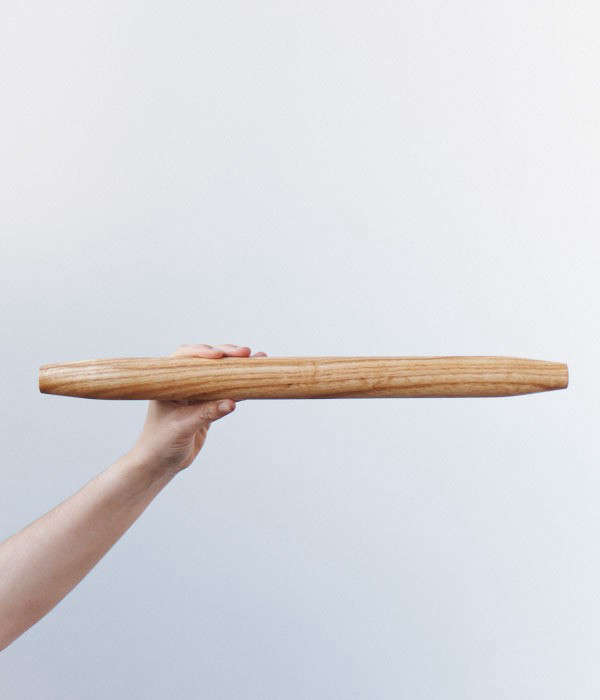
Some kitchen tools arrive with Bluetooth, digital timers, blinking lights, and enough buttons to make you wonder whether you are baking cookies or launching a small satellite. Then there is the rolling pin: a humble cylinder of wood that quietly says, “Relax. I’ve got the pie crust.” Among these simple tools, the Oak Fine Rolling Pin stands out for its classic beauty, sturdy feel, and old-school charm. It is the kind of baking tool that looks good on a countertop, works hard on dough, and never asks to be updated.
An oak rolling pin is more than a piece of wood shaped into a kitchen utensil. It is a bridge between craftsmanship and comfort. Oak is known for strength, density, and distinctive grain, which makes it a favorite in furniture, flooring, cabinetry, and decorative kitchenware. When used thoughtfully in a rolling pin, oak gives bakers a tool that feels substantial in the hand and handsome enough to leave on display. It has that “farmhouse bakery meets serious pastry ambition” energy.
Still, a fine oak rolling pin deserves a careful look. Not every wood behaves the same around flour, butter, moisture, and dough. Maple and beech are often the standard choices for professional rolling pins because they have tight, smooth grain. Oak has a more pronounced grain pattern, so quality matters. A well-made oak fine rolling pin should be properly sanded, smoothly finished, food-safe, and easy to maintain. When those details are right, it can be a durable, beautiful, and practical baking companion.
What Is an Oak Fine Rolling Pin?
An Oak Fine Rolling Pin is a rolling pin made from oak wood, usually designed for rolling pastry, cookie dough, pizza dough, pasta sheets, fondant, biscuits, tortillas, and other flat doughs. The word “fine” usually suggests a higher level of finishing: smooth sanding, balanced weight, comfortable shaping, and attention to detail. In other words, this is not a random stick that wandered into the kitchen and found employment.
Oak rolling pins can come in several styles. Some are straight dowel pins with no handles. Others are traditional American-style pins with side handles. Some may be French-style rolling pins, tapered at the ends for better control. The right version depends on how you bake. A cookie maker may love a straight pin for even sheets. A pie baker may prefer a tapered pin for turning dough into a neat circle. A pizza lover may want something long, simple, and strong enough to convince stubborn dough to cooperate.
Why Oak Makes an Interesting Rolling Pin Material
Oak is a hardwood, and that matters. Hardwood rolling pins tend to be durable, resistant to dents, and satisfying to use. Oak is also naturally dense and strong, which gives the rolling pin a reassuring weight. That weight can help flatten dough with less force from your wrists. Instead of wrestling dough like it insulted your grandmother, you can let the tool do part of the work.
The most recognizable feature of oak is its grain. Oak has a bold, visible pattern that many people find warm and attractive. On a rolling pin, that grain can make each piece feel unique. A fine oak rolling pin often looks more decorative than plain, pale wooden pins. It can fit beautifully in rustic, farmhouse, cottage, Scandinavian, or traditional American kitchens.
However, oak’s grain is also the reason buyers should choose carefully. Oak is more open-grained than maple, which means a poor-quality finish can trap flour or moisture more easily. A high-quality oak rolling pin should feel silky, not rough. It should not have deep pores, splinters, unfinished cracks, or sticky coatings. The surface should be smooth enough to roll dough cleanly while still holding a whisper-thin dusting of flour.
Oak vs. Maple, Beech, Marble, and Stainless Steel
Oak vs. Maple
Maple is one of the most popular woods for rolling pins because it is hard, smooth, and relatively tight-grained. It is a practical workhorse. Oak is usually chosen more for its visual character and traditional appeal. If maple is the reliable honor student, oak is the charming one with great hair and a slightly more complicated personality.
Oak vs. Beech
Beech is another common rolling pin wood. It is typically smooth, durable, and affordable. Oak can feel more premium when crafted well because of its striking grain and heavier feel. Beech may be easier to maintain for everyday heavy use, while oak may appeal more to bakers who want a tool that feels handcrafted and display-worthy.
Oak vs. Marble
Marble rolling pins stay cool, which can help with buttery pastry dough. They are also heavy, smooth, and elegant. But marble can be slippery, breakable, and sometimes too heavy for delicate control. Oak offers a warmer feel, better grip, and less countertop drama. Drop a wooden pin and you may get a dent. Drop a marble pin and your floor may start writing its will.
Oak vs. Stainless Steel
Stainless steel rolling pins are modern, easy to clean, and often chillable. They are useful for pastry work, especially in warm kitchens. Oak, on the other hand, gives more tactile feedback. Many bakers prefer wood because it feels connected to the dough. You can sense thickness, pressure, and resistance more naturally.
Best Uses for an Oak Fine Rolling Pin
A quality oak fine rolling pin can handle a wide range of baking projects. It is especially useful for recipes where steady pressure and control matter. For pie crust, the rolling pin should help spread dough from the center outward without tearing the butter-speckled layers. For cookie dough, it should create an even sheet that bakes consistently. For pizza dough, it can help shape a base quickly, though many pizza purists prefer hand-stretching for better texture.
It also works well for biscuits, shortbread, cracker dough, flatbreads, dumpling wrappers, and fondant. If the pin is long and straight, it can be especially helpful for wide sheets of dough. If it is tapered, it may shine with round doughs like pie crusts and tart shells.
For very sticky doughs, oak requires a light touch. Dust the pin with flour, but do not bury the dough in flour like it is a snowstorm in February. Too much flour can toughen pastry and dry out cookies. A lightly floured surface, chilled dough, and confident rolling technique usually solve most sticking problems.
How to Choose the Best Oak Fine Rolling Pin
1. Check the Surface Smoothness
The first thing to inspect is the surface. Run your hand along the rolling pin. It should feel smooth from end to end. A fine rolling pin should not snag a towel, scratch your palm, or feel gritty. If the grain is too open or rough, dough may stick in the tiny spaces.
2. Look for Food-Safe Finishing
Any rolling pin used with food should have a food-safe finish. Many wooden pins are unfinished or treated with mineral oil, beeswax, or another food-safe conditioner. Avoid rolling pins with unknown varnishes, strong chemical smells, or decorative finishes that are not intended for direct food contact.
3. Consider the Shape
A straight dowel rolling pin is simple and versatile. It is great for cookies, pastry sheets, crackers, and doughs where even thickness matters. A French tapered rolling pin gives excellent control and is often loved by pie bakers because it can pivot easily. A handled rolling pin feels familiar to many American home bakers and can be comfortable for beginners.
4. Think About Weight
Oak is naturally sturdy, so an oak rolling pin may feel heavier than some other wooden options. A little weight is helpful. Too much weight can crush delicate dough or tire your hands. The best pin feels balanced, not like a medieval training device.
5. Match the Size to Your Baking Style
Shorter pins are easier to store and control. Longer pins are better for large batches, wide pastry sheets, and serious cookie production. If you bake mostly pies, a medium-length tapered oak pin may be perfect. If you bake holiday cookies for everyone you have ever met, including your mail carrier, a longer straight pin may be your friend.
How to Use an Oak Rolling Pin Like a Better Baker
Start with chilled dough when making pastry, cookies, or biscuits. Cold dough is easier to roll and less likely to stick. Lightly flour the work surface and the rolling pin. Place the dough in the center and roll outward, turning the dough occasionally to keep it even. Do not press aggressively from one edge to another. That can create thin spots, cracks, and pastry resentment.
For pie crust, begin in the center and roll away from you, then return to the center and roll toward you. Rotate the dough a quarter turn every few passes. This helps maintain a round shape and prevents sticking. If the dough begins to soften, pause and chill it. Butter-based dough needs cool confidence, not sweaty panic.
For cookies, use guide sticks or thickness rings if precision matters. A straight oak rolling pin is excellent for this because it can glide across guides evenly. For pizza or flatbread, apply moderate pressure and roll from the center outward. Let elastic dough rest for a few minutes if it keeps shrinking back. Dough, like people, sometimes needs a moment.
How to Clean an Oak Fine Rolling Pin
Cleaning a wooden rolling pin is simple, but it requires restraint. Do not soak it in water. Do not put it in the dishwasher. Do not scrub it with harsh soap like you are punishing it for crimes against pastry. Wood can absorb water, swell, crack, or dry unevenly when treated badly.
After use, scrape off stuck dough with a bench scraper or the dull edge of a spatula. Wipe the rolling pin with a slightly damp cloth. If necessary, use a tiny amount of mild soap, then wipe again with clean water and dry immediately. Stand it upright or place it where air can circulate until fully dry.
If flour or dough gets into the grain, use a dry brush or coarse cloth after the pin has dried. The goal is to clean without soaking. A fine oak rolling pin will reward gentle care with years of service.
How to Condition an Oak Rolling Pin
Wood needs occasional conditioning. Food-safe mineral oil and beeswax-based wood conditioners are common choices. Apply a small amount to the clean, dry rolling pin, rub it in evenly, let it sit for a while, and wipe away excess. The pin should feel smooth, not greasy.
Do not use vegetable oil, olive oil, or other cooking oils for long-term conditioning. These oils can turn rancid and create unpleasant odors. A rolling pin should smell like fresh dough and possibility, not like forgotten salad dressing.
How often should you condition it? That depends on use and climate. If the wood looks dry, feels rough, or loses its soft sheen, it may be time. For many home bakers, conditioning every few months is enough. In very dry climates or busy kitchens, it may need attention more often.
Common Mistakes to Avoid
The first mistake is soaking the rolling pin. Water is not a spa day for wood. The second mistake is using too much flour. Flour prevents sticking, but too much can change dough texture. The third mistake is pressing too hard. A rolling pin should guide dough, not flatten it into submission.
Another mistake is storing the pin near heat. Keep it away from ovens, radiators, sunny windows, and damp sinks. Extreme heat and moisture can cause wood to warp or crack. Store it in a drawer, crock, wall rack, or on a clean shelf. If it is attractive enough, display it proudly. A fine oak rolling pin has earned its countertop moment.
Is an Oak Fine Rolling Pin Worth It?
An oak fine rolling pin is worth considering if you value beauty, durability, and a traditional baking feel. It may not be the most common professional choice, but it can be excellent when properly made. The key is craftsmanship. Choose a smooth, food-safe, well-balanced pin from a maker who understands kitchen tools, not just decorative woodwork.
For everyday bakers, oak offers a pleasing combination of function and style. It can roll pie dough, cookie dough, pastry, and flatbread with ease. It also brings warmth to the kitchen. Unlike plastic gadgets that disappear into drawers, a fine wooden rolling pin feels personal. It may become one of those tools you reach for without thinking, then one day realize you have used for years.
Real Kitchen Experience: Living With an Oak Fine Rolling Pin
The first time you use an oak fine rolling pin, you notice the weight. It does not feel flimsy or nervous. It sits in your hands with quiet confidence, like it has rolled out dough in a previous life and is not impressed by your store-bought puff pastry. That little bit of heft can be helpful, especially with chilled pie crust or sugar cookie dough. You do not have to push as hard. The pin carries itself across the dough, and your job is simply to steer.
In a typical home kitchen, the oak rolling pin quickly becomes part of the baking rhythm. You dust the counter, flour the pin, place the dough down, and begin from the center. At first, you may use too much pressure. Most people do. The dough gets thinner at the edges, thicker in the middle, and suddenly your pie crust looks like a map of a country nobody can pronounce. After a few sessions, the pin teaches you. Lighter pressure works better. Rotating the dough matters. Chilling the dough saves everyone’s emotional health.
One of the best experiences with an oak rolling pin is making cutout cookies. A straight, smooth oak pin can roll dough into a satisfyingly even sheet, especially if you use thickness guides. The dough feels controlled under the wood. Cookie cutters press cleanly. The scraps roll again without drama. During holiday baking, when the kitchen smells like vanilla and cinnamon and someone is definitely stealing dough from the corner, the oak pin feels like a proper heirloom tool.
Pie dough is where the relationship gets more serious. Butter pastry is sensitive. It needs cold temperatures, quick handling, and enough flour to prevent sticking without turning the crust dusty. A fine oak rolling pin gives good feedback. You can feel when the dough is too firm, too soft, or beginning to stick. A metal or marble pin can be useful, but wood has a communication style that many bakers appreciate. It tells you what is happening without needing a screen, app, or subscription plan.
Cleaning becomes part of the ritual too. After rolling, you scrape away bits of dough, wipe the pin, dry it, and put it aside. Every so often, you rub in a little food-safe mineral oil or beeswax conditioner. The oak grain deepens slightly, and the pin looks refreshed. It is a small act of maintenance, but it feels satisfying. In a world where many things are disposable, caring for a wooden tool feels pleasantly old-fashioned.
The main lesson from using an oak fine rolling pin is this: it rewards calm baking. It does not fix rushed dough, warm butter, or a counter buried under flour like a winter storm. But it makes good technique feel easier. It brings beauty to an ordinary task. It turns rolling dough from a chore into a small kitchen ceremony. And when the pie comes out golden or the cookies bake evenly, you may find yourself giving the rolling pin a tiny nod of respect. Don’t worry. The pin will keep your secret.
Conclusion
The Oak Fine Rolling Pin is a classic kitchen tool with personality, strength, and visual warmth. It may not be the default choice for every professional baker, but a well-crafted oak pin can be a joy to use. Its dense hardwood body offers steady pressure, its grain gives it character, and its timeless design makes it just as attractive on display as it is useful on baking day.
For the best results, choose a smooth, food-safe, balanced oak rolling pin and care for it properly. Keep it dry, clean it gently, condition it occasionally, and use it with chilled dough and a light dusting of flour. Do that, and this simple wooden tool can become one of the most dependable pieces in your kitchen. No batteries, no drama, no Wi-Fijust oak, dough, and the quiet thrill of a crust rolled right.














