Every Olympics delivers at least one plot twist that feels like it was cooked up by a screenwriter running on espresso and pure chaos. Paris 2024 gave us plenty of those moments, but one of the most unexpectedly delightful involved Flavor Flav, Team USA water polo, and a TikTok that made the internet collectively say, “Wait… why is this actually awesome?”
What started as a celebrity-sports crossover quickly turned into something bigger. The story was not just about a famous rapper cheering from the stands in a custom water polo cap and giant clock. It was about visibility, support, women’s sports, Olympic hustle, and the strange magic of social media when it shines a spotlight on athletes who deserve way more attention than they usually get. By the time fans were calling Flavor Flav a “class act,” this was no longer just a quirky viral moment. It had become one of the feel-good Olympic stories of the summer.
And honestly, that reaction makes sense. Because beneath the memes, the gold-medal dreams, and the very internet-friendly visuals of Flavor Flav looking like the world’s most enthusiastic poolside uncle, there was something real happening: a celebrity with reach used his fame to amplify a powerhouse program that had long been excellent, but not always properly celebrated.
How This Olympic Story Started
The roots of the viral moment go back to a much less glamorous issue: money. U.S. women’s water polo captain Maggie Steffens spoke openly about how many Olympic athletes in less-hyped sports have to stretch every dollar, juggle jobs, and find creative ways to support elite training. That message struck a nerve, because it reminded people of an inconvenient truth: Olympic glory looks dazzling on TV, but the path to it is often funded with side gigs, sacrifices, and more ramen-level budgeting than fans realize.
Enter Flavor Flav.
What could have remained a quick social media interaction turned into real support. He didn’t just toss out a “good luck” comment and vanish into celebrity mist. He leaned in. He backed the team, embraced the role of hype man, and helped turn a niche-sport conversation into a mainstream one. Later, that support became formalized in a sponsorship agreement that extended beyond a one-off gesture. Suddenly, water polo had a megaphone, and it came with a clock necklace.
That contrast helped the story take off. On one side, you had one of the most decorated dynasties in Olympic team sports: the U.S. women’s water polo team, which arrived in Paris chasing a fourth straight gold medal. On the other side, you had Flavor Flav, a hip-hop icon famous for being loud, funny, and impossible to ignore. It sounded random. It looked random. But the more people saw the dynamic, the more it felt refreshingly sincere.
Why the TikTok Went Viral
The TikTok that fueled the fan reaction worked because it hit the sweet spot of modern Olympic content: genuine, weird in a good way, and easy to root for. Flavor Flav was not acting like someone who had been handed a corporate script titled How to Seem Interested in Water Polo in 30 Seconds or Less. He looked genuinely thrilled. That mattered.
Online audiences are pretty good at sniffing out fake enthusiasm. They know when a celebrity appearance feels transactional, obligatory, or about 87% more focused on the camera than the athletes. This didn’t land that way. The clip and the surrounding buzz conveyed something more authentic: a fan who was all in, even if he was an unlikely one.
That authenticity is exactly why comments started rolling in calling him a “class act.” Fans were not simply reacting to a funny celebrity cameo. They were responding to visible effort. He showed up. He watched. He promoted the team. He used his platform to make people care about a sport many casual viewers only remember every four years. In internet terms, that is rare. In sports terms, it is valuable.
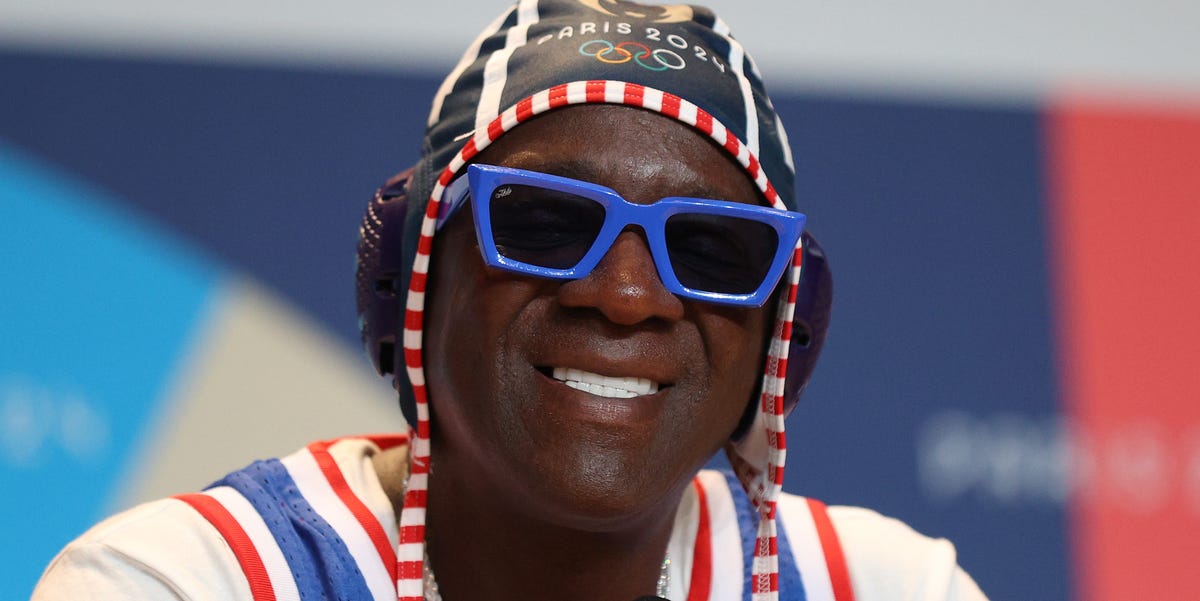
And let’s be honest: the visual package did not hurt. Flavor Flav in patriotic gear, cheering for water polo like the fate of the universe depended on a counterattack? That is content. The Olympics thrive on spectacle, and he brought it without stealing the story away from the athletes themselves. That balance is tricky. He managed it.
Why Fans Saw Him as a “Class Act”
He Put Real Support Behind the Hype
Plenty of people post support online. Much fewer attach actual resources to it. That is one reason the phrase “class act” stuck. Fans saw that this was not empty cheerleading. It had substance. He stepped into a conversation about the financial realities of elite competition and responded with tangible backing.
That kind of action stands out because Olympic coverage often focuses on medals, records, and inspirational montages while skipping over the nuts and bolts of how athletes survive between podium moments. Sponsorship in major sports can be massive. In smaller sports, it can be patchy, inconsistent, or simply not there. So when someone with fame decides to help close that gap, people notice.
He Helped Water Polo Feel Bigger
U.S. women’s water polo did not need help being elite. The team already had the medals, the talent, and the résumé. What it needed was broader mainstream attention. Flavor Flav did not create the team’s credibility. He helped broadcast it.
That distinction is important. The viral moment worked because the athletes were already extraordinary. He just made more viewers stop scrolling long enough to learn their names, understand their dominance, and maybe watch a full match instead of saying, “I think water polo is the one where everybody looks like they are trying to drown gracefully.”
Once the spotlight arrived, the team’s story became easier for mainstream audiences to grasp. This was a dynasty. This was not a random underdog tale. This was one of America’s most successful Olympic programs, and yet it still needed louder support. That tension made the story stick.
He Brought Joy Without Making It About Himself
Another reason fans responded warmly is that Flavor Flav’s presence felt additive, not invasive. He brought energy, humor, and recognizable celebrity spark, but the story still pointed back to the athletes. He was cheering them on, not overshadowing them.
That sounds simple, but it is not. Olympic attention can get hijacked fast. A celebrity can easily become the headline while the sport becomes set dressing. Here, the better version happened: the celebrity became the bridge. His personality pulled people in, and the team’s excellence kept them interested.
What the Viral Moment Says About Women’s Sports
This story landed because it touched a larger conversation that has been growing for years: women’s sports are attracting bigger audiences, more investment, and more cultural momentum, but the support still does not flow evenly. Some stars and leagues are breaking through in major ways. Others are still fighting for visibility despite world-class results.
Water polo is a perfect example. The U.S. women’s team has been one of the most accomplished groups in Olympic competition, yet it does not command the same everyday attention as higher-profile sports. That is not a talent problem. It is an exposure problem.
Flavor Flav’s involvement highlighted that imbalance in a way that felt fun instead of lecture-heavy. People came for the novelty, but many stayed for the message. If a globally recognizable entertainer could realize these athletes deserved more support, why had so many sports fans ignored them for so long?
That is one reason the story traveled so well. It combined entertainment and equity in a way that did not feel forced. It gave viewers an easy entry point into a serious issue: many elite athletes in less-commercial sports are doing extraordinary work with far less money and far less visibility than the public assumes.
The Paris Effect: More Than a Meme
Paris 2024 was full of celebrity moments, but this one had unusual staying power because it kept evolving. Flavor Flav was not just there for one day, one photo op, or one ironic cameo. He became part of the atmosphere around Team USA water polo. He was present in the stands, active in the conversation, and clearly invested in the program’s journey.
That broader presence helped convert curiosity into fandom. Casual viewers who may have arrived for the novelty of the crossover started learning about players, matches, and the team’s Olympic history. Some fans even joked that they had never paid attention to water polo before and now felt fully recruited into the cause. That is how viral sports moments work at their best: they turn spectators into participants.
The timing also helped. The Olympics are one of the few global events where niche sports can suddenly break through to mainstream audiences. The public is already primed to discover something new. Add an unexpected cultural figure, a compelling under-told story, and a short-form video ready for social sharing, and you have the perfect recipe for a viral moment.
Even after the initial buzz, the story kept resonating because it symbolized something bigger than a single clip. It represented what happens when attention, generosity, and timing all line up. That does not solve every structural issue facing Olympic athletes, of course. But it can change the conversation. Sometimes that is where bigger shifts begin.
The Bigger Picture for Team USA Water Polo
The viral TikTok and fan reaction were just one chapter in a larger Olympic story. The U.S. women entered Paris with enormous expectations, pursuing a historic fourth straight Olympic gold medal. That quest alone made them worth watching. Flavor Flav’s support simply helped more people notice the pressure, talent, and legacy already attached to the team.
And even though the women did not finish the Games the way many expected, their visibility in Paris still mattered. The men’s team also drew attention and later earned a bronze medal, proving that the increased spotlight on USA Water Polo extended beyond one viral clip. That matters for the future of the sport, especially heading toward Los Angeles 2028, when American audiences may be even more ready to embrace sports that used to live on the sidelines of mainstream discussion.
In that sense, the “class act” label was not just praise for being nice. It was recognition that Flavor Flav helped move the needle. He added excitement, yes, but he also helped elevate a conversation about who gets seen, who gets funded, and why some of the country’s best athletes still need a louder amplifier.
Experiences Related to the Topic: What This Moment Felt Like for Fans, Athletes, and Casual Viewers
One reason this story hit so hard is that it felt familiar in a very human way. A lot of sports fans know the experience of discovering a team late and then becoming irrationally attached about five minutes later. You watch one clip. You laugh. You get curious. Then suddenly you are googling water polo rules, pretending you always understood exclusions and power plays, and yelling at the screen like you have season tickets. That was the Flavor Flav effect for a lot of people.
For casual Olympic viewers, the experience was especially fun because it made water polo feel accessible. The sport can look intimidating if you are new to it. Everyone is moving at once, the ball seems to teleport, and somehow the players are performing elite-level combat choreography while treading water. Having a celebrity openly marvel at how hard the sport is gave new fans permission to say, “Okay, I do not fully understand this, but I respect it now.”
For long-time supporters of women’s sports, the moment likely felt validating. There is a special kind of frustration in watching dominant athletes get less attention than they deserve year after year. So seeing the team receive buzz, cameras, celebrity support, and viral traction probably felt overdue. Not because the athletes needed celebrity approval to matter, but because the attention proved that the audience was there once people were invited to look.
For the athletes themselves, moments like this can change the emotional texture of a tournament. Elite competitors are trained to focus, block out distractions, and stay locked in. But support still matters. Feeling seen matters. Knowing that people outside your sport are paying attention can bring a different kind of energy to the experience. It can make the biggest stage feel even bigger.
There is also something deeply relatable about the surprise of it all. Nobody had “Flavor Flav becomes the internet’s favorite water polo ambassador” at the top of their Olympic bingo card. That unpredictability is part of what makes the Games so compelling. The Olympics are not just about scores and medals. They are about collisions between worlds that would never normally meet: swimmers and celebrities, first ladies and rappers, niche sports and mainstream fandom.
And then there is the social media side of the experience, which cannot be ignored. Viral moments now shape how many fans remember the Olympics. In earlier eras, you might have caught a memorable broadcast segment and talked about it the next day. Now, a 20-second post can turn into a national conversation before your coffee gets cold. That speed can be messy, but in this case it was mostly joyful. It spread enthusiasm. It spread curiosity. It spread the idea that supporting athletes loudly and sincerely is actually pretty cool.
Most of all, the experience around this story reminded people that sports fandom does not have to be cynical to be compelling. Sometimes a good story is just a good story. A famous guy saw a great team needed more backing, stepped up, and made more people care. The internet, for once, did not turn that into pure chaos. It turned it into applause. In 2024, that may have been the most surprising Olympic result of all.
Conclusion
Flavor Flav’s viral water polo TikTok was funny on the surface, but the real reason it resonated ran deeper. Fans called him a “class act” because he did more than post, pose, or borrow Olympic shine. He supported athletes in a meaningful way, helped spotlight one of America’s most decorated teams, and made a traditionally overlooked sport feel urgent, entertaining, and worth following.
That is why this story stuck. It was charming, yes. It was weird in the best possible Olympic way, absolutely. But it was also a reminder that visibility can change everything. When the right person uses their platform with sincerity, the result can be bigger than a viral video. It can be a gateway to new fans, new conversations, and a little more respect for athletes who have earned it many times over.