
Note: This article is for educational purposes only and should not replace medical advice from a licensed healthcare professional.
Osteoporosis is often called a “silent disease,” which sounds almost polite until you realize what it means: your bones can quietly lose strength for years without sending a dramatic warning text. No flashing lights. No theme music. Sometimes the first clue is a fracture from a small fall, a sudden backache from a spinal compression fracture, or the unsettling discovery that you are not shrinking because of bad posture alone.
In simple terms, osteoporosis is a condition in which bones become less dense, weaker, and more likely to break. Healthy bone is living tissue. It is constantly being broken down and rebuilt, like a home renovation project that never ends. When the body removes old bone faster than it creates new bone, bone mass drops. Over time, the internal structure becomes thinner and more fragile, increasing the risk of fractures in the hip, spine, wrist, ribs, and other bones.
The good news is that osteoporosis is not an automatic part of aging, and it is not hopeless. With early screening, smart nutrition, safe exercise, fall prevention, and medical treatment when needed, many people can slow bone loss, reduce fracture risk, and keep living active lives. Let’s break down the causes, risk factors, diagnosis, and treatment options in a clear, practical waywith less medical fog and more “what do I actually do with this information?”
What Is Osteoporosis?
Osteoporosis literally means “porous bone.” Imagine the inside of healthy bone as a strong honeycomb. In osteoporosis, the spaces in that honeycomb become larger, and the supporting structure becomes thinner. The bone may look normal from the outside, but inside, it has lost strength.
This matters because bone strength is not just about density. It also involves bone quality, architecture, mineral content, and how well the body repairs tiny areas of damage. A person with osteoporosis may break a bone after a fall from standing height, a minor bump, or even a routine movement such as bending or lifting. These are often called fragility fractures.
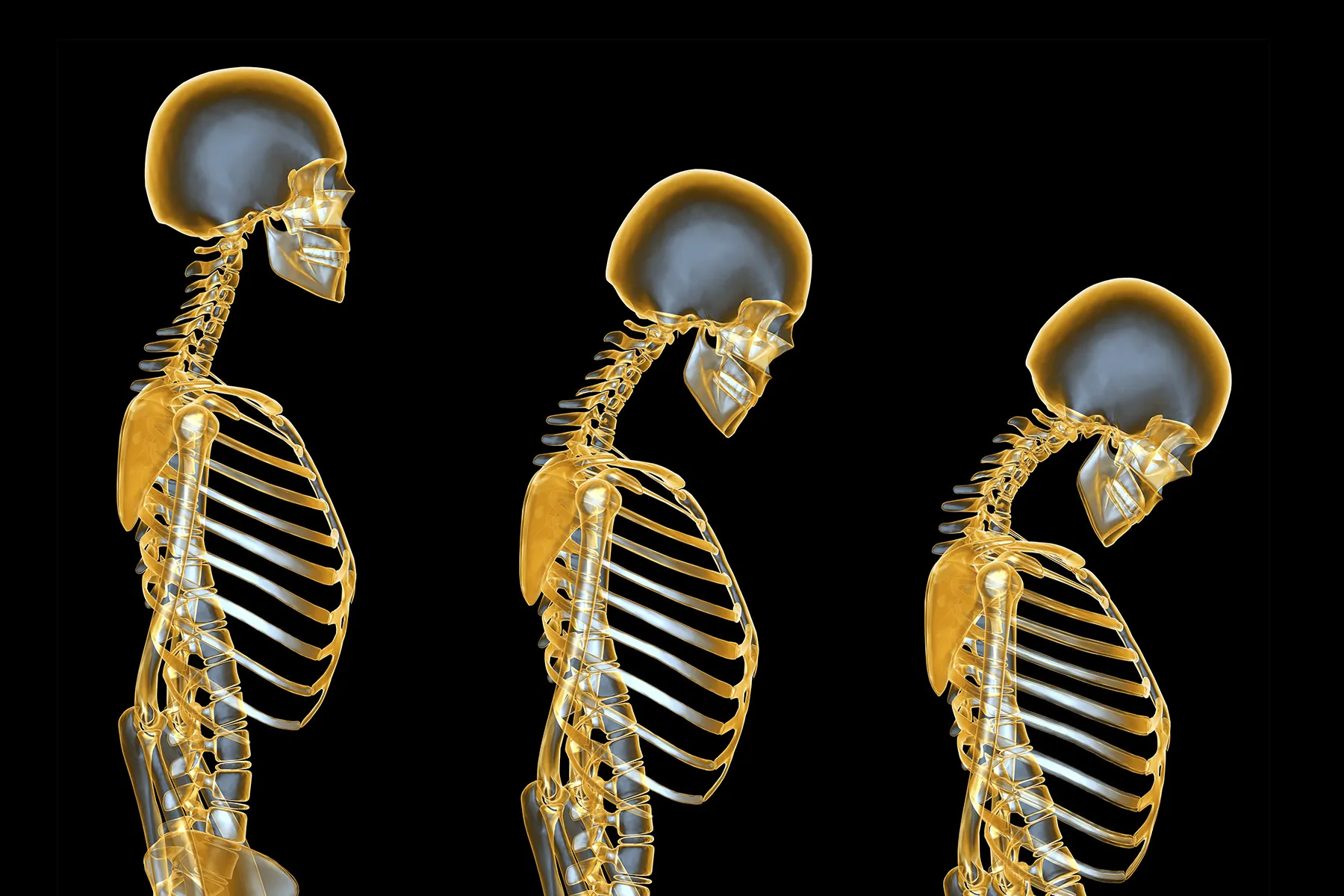
Hip and spine fractures are especially serious. A hip fracture can lead to surgery, loss of independence, and long recovery. Spine fractures can cause height loss, curved posture, chronic pain, and reduced mobility. That is why osteoporosis treatment focuses not only on improving bone density but also on preventing fractures before they happen.
Main Causes of Osteoporosis
1. Aging and Natural Bone Loss
Bone mass usually peaks in early adulthood. After that, the body gradually loses bone over time. This does not mean everyone will develop osteoporosis, but aging shifts the balance. Bone rebuilding slows, and bone breakdown may outpace replacement. The result is lower bone density and higher fracture risk.
Think of it like a savings account. During childhood, teen years, and young adulthood, the body deposits bone mass. Later in life, withdrawals become more common. The more bone “savings” you built early, the more reserve you may have. But even people who built strong bones can develop osteoporosis if enough risk factors pile up.
2. Hormonal Changes
Hormones play a major role in bone health. Estrogen helps protect bone density, so the drop in estrogen after menopause can speed bone loss. This is one reason osteoporosis is more common in postmenopausal women.
Men can also develop osteoporosis, especially when testosterone levels are low due to certain medical conditions or treatments. Thyroid hormone problems, overactive parathyroid glands, and disorders affecting cortisol can also weaken bones. In short: bones listen closely to hormones, even when the rest of us are pretending not to.
3. Low Calcium and Vitamin D Intake
Calcium is a key mineral in bones, and vitamin D helps the body absorb calcium. If the diet is consistently low in calcium, the body may pull calcium from bones to keep blood levels stable. Over time, that can contribute to bone loss.
Vitamin D deficiency can make the problem worse because even a calcium-rich diet may not help enough if the body cannot absorb calcium properly. Food sources, fortified products, safe sun exposure, and supplements may all play a role depending on age, diet, medical history, and lab results.
4. Medical Conditions
Several health conditions can increase osteoporosis risk. These include rheumatoid arthritis, celiac disease, inflammatory bowel disease, chronic kidney disease, thyroid disease, diabetes, multiple myeloma, and conditions that affect nutrient absorption. Eating disorders and long periods without menstrual periods can also reduce bone density.
The connection is not always obvious. For example, a person with celiac disease may not absorb calcium and vitamin D well. Someone with rheumatoid arthritis may have inflammation, reduced activity, and medication exposure that all affect bone health. Osteoporosis often arrives as part of a larger medical puzzle, not as a lonely villain wearing a cape.
5. Medications That Affect Bone
Some medications can weaken bones when used long term or at high doses. The classic example is glucocorticoids, such as prednisone. These drugs can be necessary and even life-saving, but they may reduce bone formation and increase fracture risk.
Other medicines may also affect bone health, including certain anti-seizure drugs, aromatase inhibitors used in breast cancer treatment, androgen deprivation therapy for prostate cancer, some acid-reducing drugs when used long term, and certain medications that increase fall risk through dizziness or sedation. Anyone taking long-term medication should ask a healthcare provider whether bone protection should be part of the plan.
Risk Factors for Osteoporosis
Risk factors do not guarantee osteoporosis, but they raise the odds. Some can be changed, while others are part of your biography and cannot be edited, no matter how persuasive you are.
Risk Factors You Cannot Control
- Age: Risk increases as people get older.
- Sex: Women, especially after menopause, have higher risk.
- Family history: A parent with osteoporosis or hip fracture raises concern.
- Body frame: Smaller body size may mean less bone mass to draw from with age.
- Previous fracture: A broken bone after age 50 can be a major warning sign.
- Race and ethnicity: White and Asian women are often listed among higher-risk groups, though osteoporosis can affect anyone.
Risk Factors You Can Influence
- Smoking: Tobacco use is linked with weaker bones and higher fracture risk.
- Heavy alcohol use: Excessive alcohol can interfere with bone formation and increase falls.
- Low physical activity: Bones respond to weight-bearing movement and strength training.
- Poor nutrition: Low calcium, low vitamin D, low protein, and very restrictive dieting can harm bone health.
- Fall hazards: Loose rugs, poor lighting, weak muscles, and vision problems increase fracture risk.
The most important point is that osteoporosis risk is cumulative. One risk factor may be manageable. Five risk factors deserve attention. A thin, inactive, postmenopausal woman with a parent who fractured a hip and a long history of steroid use should not wait for a dramatic “bone announcement.” She should talk with a clinician about screening.
Symptoms: Why Osteoporosis Is Often Missed
Osteoporosis usually has no symptoms in the early stages. You cannot feel your bone density dropping. There is no “low bone battery” icon blinking on your forehead. That is why screening matters.
When symptoms do appear, they may include back pain, height loss, stooped posture, or a bone that breaks more easily than expected. Spine compression fractures can happen gradually and may be mistaken for ordinary back problems. A wrist fracture after a minor fall may also be a clue that bones need evaluation.
Any fracture from a low-impact event should raise the question: “Was this just bad luck, or are the bones weaker than they should be?” That question can change the entire prevention strategy.
How Osteoporosis Is Diagnosed
Bone Density Testing With DXA
The most common test for osteoporosis is a DXA scan, also called a DEXA scan. It is a low-dose X-ray test that measures bone mineral density, usually at the hip and spine. The result is often reported as a T-score.
- Normal bone density: T-score of -1.0 or higher.
- Osteopenia: T-score between -1.0 and -2.5, meaning low bone mass but not osteoporosis.
- Osteoporosis: T-score of -2.5 or lower.
Osteopenia does not always mean medication is needed, but it does mean fracture risk should be taken seriously. Two people with the same T-score may have different risks depending on age, previous fractures, family history, smoking, medications, and fall risk.
FRAX and Fracture Risk
Healthcare providers may use a tool called FRAX to estimate a person’s 10-year risk of hip fracture and major osteoporotic fracture. FRAX combines bone density with clinical risk factors. It helps guide treatment decisions, especially for people with osteopenia.
For example, one person with osteopenia may only need lifestyle changes and monitoring, while another person with osteopenia plus a previous fracture, steroid use, and high fall risk may need medication. Bone care is not one-size-fits-all. It is more like tailoring a suit, except the suit is your skeleton and the tailor has a medical degree.
Lab Tests and Medical Review
Doctors may order blood or urine tests to look for causes of bone loss. These may include vitamin D level, calcium level, kidney function, thyroid function, parathyroid hormone, blood counts, and markers related to inflammation or bone turnover. The goal is to find correctable problems and avoid missing another condition that is quietly weakening bone.
A careful medication review is also important. If a drug is contributing to bone loss or falls, the clinician may adjust the dose, change the medication, or add bone-protective treatment.
Who Should Be Screened?
Screening recommendations vary slightly by organization, but a common approach is to screen women age 65 and older with DXA. Postmenopausal women younger than 65 may also need screening if they have risk factors that increase fracture risk.
Men are not immune to osteoporosis. Many clinicians consider screening men age 70 and older, or younger men with risk factors such as long-term steroid use, low testosterone, prior fragility fracture, heavy alcohol use, smoking, or certain chronic diseases. Anyone who has a low-trauma fracture should ask whether osteoporosis testing is appropriate.
Osteoporosis Treatment Options
Nutrition: Calcium, Vitamin D, and Protein
Bone-friendly nutrition starts with enough calcium, vitamin D, and protein. Adults commonly need about 1,000 to 1,200 mg of calcium per day depending on age and sex. Food sources include dairy products, fortified plant milks, fortified orange juice, canned fish with bones, tofu made with calcium, leafy greens, and some beans.
Vitamin D needs vary, but many adults require 600 to 800 IU daily, and some people need more under medical supervision if levels are low. Because too much calcium or vitamin D can cause problems, supplements should be used thoughtfully, not like candy with a medical costume.
Protein also matters. Bones are not made of minerals alone; they need a protein framework. Older adults, people recovering from fractures, and those with poor appetite may need special attention to adequate protein intake.
Exercise: Make Bones Work, Safely
Exercise helps bones, muscles, balance, and confidence. Weight-bearing activities such as walking, stair climbing, dancing, and low-impact aerobics can support bone health. Strength training helps build muscle that protects joints and reduces falls. Balance exercises, such as tai chi or supervised balance work, may reduce fall risk.
People with osteoporosis should be careful with high-impact activities or movements that involve repeated forward bending and twisting of the spine, especially if they have had spine fractures. A physical therapist can design a safe program. The goal is not to train like an action movie hero. The goal is to stay strong, steady, and fracture-free.
Fall Prevention
Preventing falls is just as important as improving bone density. A stronger bone is helpful, but avoiding the crash is even better. Practical steps include removing loose rugs, improving lighting, installing grab bars, wearing supportive shoes, checking vision, reviewing medications that cause dizziness, and building leg strength.
For older adults, a home safety review can be surprisingly powerful. Many fractures begin with everyday hazards: a slippery bathroom floor, a poorly placed cord, a pet underfoot, or a midnight walk in the dark. Bones appreciate good lighting more than you might think.
Medications for Osteoporosis
When fracture risk is high, medication may be recommended. The most commonly used first-line drugs are bisphosphonates, such as alendronate, risedronate, ibandronate, and zoledronic acid. These medications slow bone breakdown and can reduce fracture risk.
Other options include denosumab, which slows bone resorption; teriparatide and abaloparatide, which help build new bone; and romosozumab, which both increases bone formation and decreases bone breakdown. Hormone-related therapies may be considered for selected patients, but they are not right for everyone.
The best medication depends on fracture risk, age, kidney function, previous fractures, digestive issues, other medical conditions, cost, convenience, and patient preference. Some medicines are pills. Others are injections or infusions. Some are used for a limited time and then followed by another medication to maintain gains.
Monitoring Treatment
Osteoporosis treatment is not “take one pill and call the skeleton fixed.” Providers may repeat DXA scans after a period of treatment, monitor vitamin D and calcium when needed, review side effects, and reassess fracture risk. If a person has a fracture while taking medication, the treatment plan may need to change.
Adherence matters. A medication cannot help if it is forgotten in the cabinet next to expired cough drops from 2018. People should ask questions about how to take medications correctly, what side effects to watch for, and when to follow up.
Living With Osteoporosis: Practical Daily Tips
Living with osteoporosis does not mean wrapping yourself in bubble wrap and refusing to move. In fact, safe movement is part of treatment. The goal is to become more aware, not more afraid.
- Keep walkways clear and clutter-free.
- Use night lights in hallways and bathrooms.
- Choose shoes with good traction.
- Practice posture-friendly lifting: bend at the hips and knees, not the upper back.
- Ask a clinician before starting intense exercise if you have spine fractures or severe osteoporosis.
- Take medications exactly as directed.
- Schedule dental and medical checkups when recommended, especially before certain long-term treatments.
Small habits matter because osteoporosis care is a long game. A daily walk, a safer bathroom, consistent medication, and enough protein at breakfast may not feel dramatic. But over months and years, these choices can help reduce risk.
Common Myths About Osteoporosis
Myth 1: Only Older Women Get Osteoporosis
Older women are at higher risk, but men can develop osteoporosis too. Younger adults may also be affected if they have certain medical conditions, eating disorders, hormone problems, or long-term medication exposure.
Myth 2: If You Drink Milk, You Are Fully Protected
Calcium helps, but bone health is bigger than one beverage. Vitamin D, protein, exercise, hormones, medications, genetics, and fall risk all matter. Milk is not a magic force field.
Myth 3: Osteoporosis Always Causes Pain
Osteoporosis itself may not hurt until a fracture occurs. That is why screening and prevention are essential.
Myth 4: Exercise Is Too Dangerous
The wrong exercise may be risky for some people, but the right exercise is often protective. Strength, balance, and posture training can reduce falls and support independence.
Experience-Based Section: Real-Life Lessons From Osteoporosis Care
One of the most common experiences people describe after an osteoporosis diagnosis is surprise. They often say, “But I feel fine.” That reaction makes sense. Osteoporosis usually does not announce itself with daily symptoms. A person may work, travel, cook, garden, babysit grandchildren, or play pickleball with suspicious enthusiasm and still have low bone density. The diagnosis can feel like discovering termites in a house that looked perfectly sturdy from the street.
A practical lesson from many patients is that the first weeks after diagnosis are often emotionally louder than medically dangerous. People may suddenly become afraid to move, lift groceries, or walk outside. That fear is understandable, but it can backfire. Too much inactivity weakens muscles, worsens balance, and may increase fall risk. The better approach is guided confidence: learn which movements are safe, which ones need modification, and how to build strength gradually.
Another real-world experience is confusion about calcium. Some people immediately buy the biggest supplement bottle they can find, as if they are trying to build a marble statue internally. But more is not always better. Many people can get a meaningful amount of calcium from food, then use supplements only to fill gaps. A simple food diary for a few days can be eye-opening. Someone may discover they are getting enough calcium already, or they may realize their “calcium plan” consists mostly of coffee and optimism.
Vitamin D brings its own plot twist. People who eat well may still have low vitamin D levels, especially if they get little sun exposure, have darker skin, are older, have absorption problems, or take certain medications. Testing can help personalize the plan. Guessing is less useful, and megadosing without medical guidance is not a smart shortcut.
Medication decisions are another major experience. Some patients worry about rare side effects and hesitate to start treatment. That concern deserves respectful discussion, not dismissal. At the same time, untreated high-risk osteoporosis can lead to fractures that change daily life dramatically. The best conversations compare realistic risks: the risk of medication side effects versus the risk of hip, spine, or wrist fracture. A good clinician explains the reason for the recommendation, how long treatment may last, and what monitoring will look like.
Family support can make a surprising difference. A spouse, adult child, or friend can help remove fall hazards, join walks, remind someone about appointments, or make strength training less boring. Lifestyle changes stick better when they are not treated like punishment. A bone-friendly dinner, a daily walk, and a safer home can become normal routines rather than a medical boot camp.
The biggest lesson is this: osteoporosis care is not one heroic action. It is a collection of steady choices. Get screened when appropriate. Understand your personal risk factors. Eat enough calcium, vitamin D, and protein. Move safely. Prevent falls. Take medication if your fracture risk calls for it. Follow up. Ask questions. Your bones may be quiet, but they are not passive. With the right plan, they can remain stronger, safer, and far more dependable than their silent reputation suggests.
Conclusion
Osteoporosis is common, serious, and often silentbut it is also manageable. The condition develops when bone loss outpaces bone rebuilding, leaving bones weaker and more likely to fracture. Age, menopause, family history, low body weight, poor nutrition, smoking, heavy alcohol use, inactivity, certain diseases, and long-term medications can all contribute to risk.
Diagnosis usually begins with a DXA bone density scan and may include fracture risk tools, lab testing, and a careful review of medical history. Treatment often combines nutrition, vitamin D, weight-bearing and strengthening exercise, fall prevention, and medication for people at higher fracture risk. The best plan is personalized because bones, like people, have their own history.
If there is one takeaway, it is this: do not wait for a fracture to start caring about bone health. Osteoporosis prevention and treatment work best when they begin early, stay consistent, and focus on the real goalnot just better test numbers, but fewer fractures and a more active life.














