
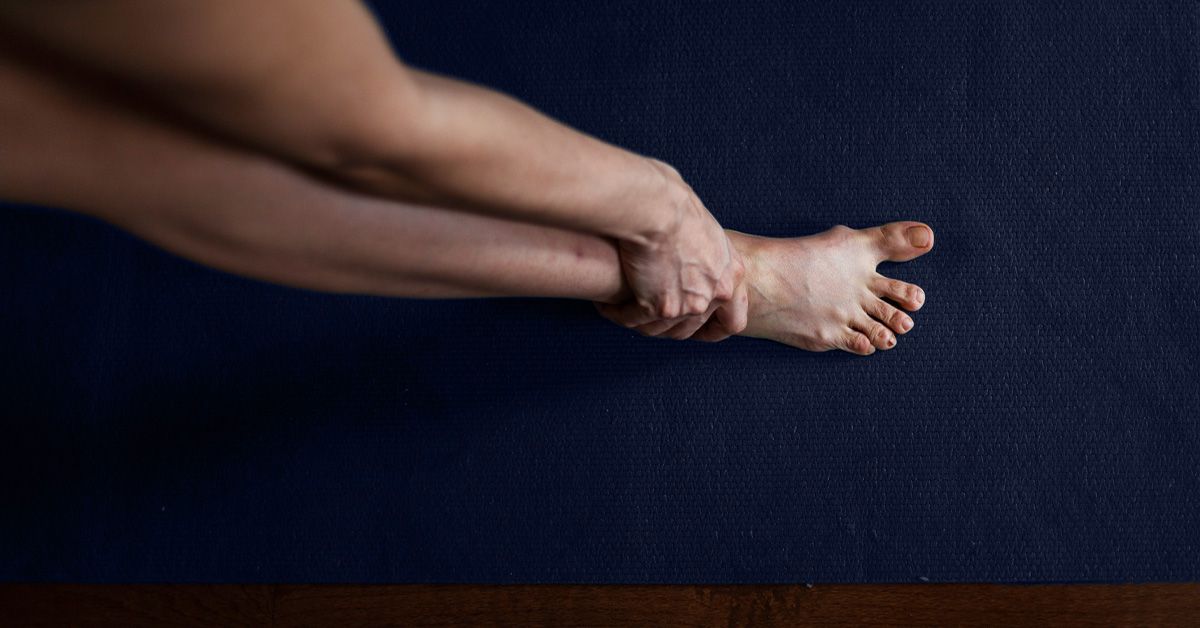
Outer foot pain has a special talent for being both tiny and dramatic. One minute you are walking normally, minding your own business, and the next your foot is acting like it has filed a formal complaint with upper management. Pain on the outside of the foot, also called lateral foot pain, can feel sharp, dull, burning, achy, stiff, or like a tiny pebble is hiding in your shoe even when your shoe is innocent.
The tricky part is that outer foot pain is not one single condition. It is a symptom with several possible causes, from simple shoe irritation to tendon inflammation, ankle sprains, stress fractures, cuboid syndrome, arthritis, nerve irritation, or a tailor’s bunion near the pinkie toe. Some causes improve with rest, ice, better footwear, and stretching. Others need medical evaluation, imaging, a walking boot, physical therapy, or, rarely, surgery.
This guide explains the most common causes of pain on the outside of the foot, how to recognize warning signs, and what treatments usually help. It is written for readers who want clear information without needing a medical dictionary, a flashlight, and three cups of coffee.
What Is Outer Foot Pain?
Outer foot pain refers to discomfort along the lateral side of the foot, from the outside of the heel and ankle to the pinkie toe. This area includes bones, tendons, ligaments, joints, nerves, muscles, and soft tissue. Because so many structures share a small space, the same symptom can come from very different problems.
For example, pain behind the outside ankle may point toward peroneal tendonitis. Pain near the base of the fifth metatarsal, the long bone leading to the pinkie toe, may suggest a fracture or stress injury. Pain in the middle outside edge of the foot may involve the cuboid bone. Pain at the pinkie-toe joint may be a tailor’s bunion. In other words, location matters.
Common Symptoms That Come With Outer Foot Pain
Outer foot pain may appear suddenly after an injury or slowly after repeated stress. Common symptoms include tenderness, swelling, bruising, stiffness, pain while walking, pain during exercise, soreness after standing, or discomfort that gets worse in narrow shoes. Some people also notice clicking, popping, numbness, tingling, or a feeling that the foot is unstable.
A helpful clue is timing. Pain that starts during a run and fades with rest may suggest overuse. Pain that appears after rolling your ankle may suggest a sprain or fracture. Pain that burns or tingles may involve a nerve. Pain that grows worse over weeks should not be ignored, especially if it changes how you walk.
Main Causes of Outer Foot Pain
1. Peroneal Tendonitis
Peroneal tendonitis is one of the classic causes of pain along the outside of the foot and ankle. The peroneal tendons run behind the outer ankle and help stabilize the foot when you walk, run, or move side to side. When these tendons become irritated from overuse, poor footwear, sudden training changes, or an ankle injury, pain can show up along the lateral foot.
People with peroneal tendonitis often feel pain behind or below the outside ankle. The area may be tender, swollen, or sore after activity. Runners, dancers, hikers, basketball players, and anyone who recently increased workouts may be more likely to develop it. Your foot is not being “lazy”; the tendon is simply tired of doing overtime without a lunch break.
Treatment usually starts with rest from painful activity, ice, supportive shoes, anti-inflammatory medicine if appropriate, and physical therapy. A clinician may recommend ankle bracing, orthotics, or a temporary walking boot if symptoms are more severe. Strengthening the lower leg and improving ankle stability are important for preventing repeat flare-ups.
2. Fifth Metatarsal Fracture or Jones Fracture
The fifth metatarsal is the long bone on the outside of the foot that connects to the pinkie toe. It can fracture after twisting the foot, landing awkwardly, or repeating high-impact movement. A Jones fracture occurs in a specific area near the base of this bone and is known for healing more slowly because of limited blood supply.
Symptoms may include sharp outer foot pain, swelling, bruising, tenderness over the bone, and trouble bearing weight. A stress fracture may begin as mild soreness and gradually become more painful with activity. A sudden fracture may cause immediate pain and difficulty walking.
Do not try to “walk it off” if you have strong pain over the outside bone of the foot after an injury. That motivational phrase belongs on a gym poster, not in fracture care. Treatment may involve an X-ray, boot, cast, crutches, activity restriction, and follow-up imaging. Some Jones fractures or displaced fractures may require surgery, especially in athletes or active people.
3. Cuboid Syndrome
Cuboid syndrome happens when the cuboid bone, located on the outside middle part of the foot, becomes slightly misaligned or irritated. It can occur after an ankle sprain, repetitive stress, or unusual foot mechanics. The pain may feel deep, achy, or sharp along the outer midfoot and may worsen when pushing off the foot.
Because cuboid syndrome can mimic a sprain or tendon injury, it is sometimes overlooked. People may say, “It feels like something is out of place,” which is not a bad description. Treatment may include rest, taping, padding, orthotics, manual therapy from a trained clinician, and rehabilitation exercises. A proper diagnosis matters because forcing activity too soon can keep the irritation going.
4. Ankle Sprain
A lateral ankle sprain occurs when the ankle rolls outward and stretches or tears ligaments on the outside of the ankle. Since the foot and ankle work as a team, pain may spread into the outer foot. Sprains are common in sports, running on uneven ground, stepping off a curb, or losing an argument with a staircase.
Mild sprains may improve with rest, ice, compression, elevation, and gradual movement. More serious sprains can cause swelling, bruising, instability, and trouble walking. Medical evaluation is wise if you cannot bear weight, the swelling is significant, or the pain is directly over a bone.
Rehab is important. Once pain decreases, balance exercises, calf strengthening, ankle range-of-motion work, and sport-specific training can lower the risk of repeat sprains. Returning too soon may lead to chronic ankle instability, which is exactly as annoying as it sounds.
5. Tailor’s Bunion, Also Called a Bunionette
A tailor’s bunion is a painful bony bump near the base of the pinkie toe. It can make the outside front part of the foot sore, red, swollen, or irritated, especially in narrow shoes. The name comes from old sitting postures associated with tailors, but you do not need to sew a single button to get one.
Common triggers include inherited foot structure, pressure from tight shoes, high heels, pointed toe boxes, or abnormal foot mechanics. Treatment usually focuses on reducing pressure. Wider shoes, padding, toe spacers, orthotics, ice, and anti-inflammatory medicine may help. If the bunionette makes walking difficult and conservative care fails, surgery may be discussed.
6. Stress Fractures From Overuse
A stress fracture is a tiny crack in a bone caused by repeated load. In the foot, this can happen when training increases too quickly, shoes are worn out, surfaces change, or the body does not get enough recovery. Long-distance running, jumping sports, military training, and long shifts on hard floors can all contribute.
Stress fracture pain often starts gradually. At first, it may appear only during exercise. Later, it may hurt during daily walking or even at rest. Swelling and pinpoint tenderness over the bone are common warning signs. Treatment usually requires reducing or stopping the activity that caused it, wearing protective footwear or a boot, and returning gradually after healing.
7. Arthritis in the Foot or Ankle
Arthritis can affect joints in the foot and ankle, including joints that contribute to pain on the lateral side. Symptoms may include stiffness, swelling, aching, reduced motion, and pain that worsens after activity or after long periods of standing. Arthritis pain can be sneaky: it may not shout, but it complains steadily.
Treatment depends on the joint involved and the severity. Supportive shoes, orthotics, weight management when relevant, physical therapy, anti-inflammatory medication, bracing, and injections may help. Severe arthritis that limits daily life may require surgical consultation.
8. Tarsal Coalition
Tarsal coalition is an abnormal connection between two or more bones in the foot. It often develops before birth but may not cause symptoms until later childhood, the teen years, or early adulthood. It can create stiffness, flatfoot, frequent ankle sprains, and pain around the foot or ankle, sometimes including the outer side.
Treatment is only needed when symptoms appear. Options may include rest from high-impact activity, orthotics, a boot or cast, physical therapy, and medication for pain or inflammation. Surgery may be considered if symptoms are severe or persistent.
9. Nerve Irritation
Nerve irritation can cause burning, tingling, numbness, or electric-like pain along the foot. Tight shoes, swelling, injury, diabetes-related nerve problems, or compression near the ankle can contribute. Nerve symptoms deserve attention because they may point to a problem beyond a simple muscle strain.
Changing footwear, reducing pressure, managing swelling, and treating the underlying cause can help. If numbness or tingling persists, a medical professional should evaluate it.
When Should You See a Doctor?
Some outer foot pain improves with a few days of smart self-care. However, you should seek medical evaluation if pain follows a major injury, you cannot bear weight, swelling or bruising is significant, pain is worsening, the foot looks deformed, numbness or tingling persists, or there is redness, warmth, fever, or an open wound.
You should also be cautious if you have diabetes, circulation problems, osteoporosis, immune system issues, or a history of foot ulcers. In these cases, even a small foot problem can become more serious. Feet are useful. Keeping them on your good side is a life strategy.
How Outer Foot Pain Is Diagnosed
A clinician will usually ask when the pain started, where it hurts, what activities make it worse, what shoes you wear, and whether there was an injury. They may examine your gait, ankle motion, foot alignment, swelling, tenderness, and strength.
Imaging may be needed. X-rays can detect many fractures, arthritis changes, and bone alignment issues. MRI or ultrasound may be used for tendon injuries, stress fractures that do not show clearly on X-ray, or soft-tissue problems. CT scans may help in complex bone conditions such as tarsal coalition or certain fractures.
At-Home Treatment for Mild Outer Foot Pain
Rest, But Do Not Become a Couch Statue
Rest from painful activities is often the first step. This does not always mean doing absolutely nothing. It may mean switching from running to swimming, cycling, or upper-body workouts while the foot calms down. If walking hurts, reduce unnecessary steps and consider medical advice about support or immobilization.
Ice and Elevation
Ice can help with pain and swelling after activity or injury. Wrap the ice pack in a towel and use it for short sessions. Elevating the foot above heart level may reduce swelling. Your foot may not send a thank-you card, but it may stop throbbing.
Supportive Shoes
Shoes matter more than most people want to admit. Worn-out sneakers, narrow toe boxes, unsupportive sandals, and high heels can aggravate outer foot pain. Look for shoes with enough width, cushioning, arch support, and stability for your activity. If the shoe bends like a taco, your foot may be doing more work than it signed up for.
Over-the-Counter Pain Relief
Nonprescription pain relievers may help some people, but they are not right for everyone. People with kidney disease, stomach ulcers, blood thinner use, certain heart conditions, pregnancy, or other medical concerns should ask a clinician or pharmacist before using anti-inflammatory medication.
Gentle Stretching and Mobility
Gentle calf stretching, ankle circles, towel stretches, and foot mobility work may help when pain is related to tightness or mild tendon irritation. However, sharp pain during exercise is a stop sign, not a challenge. Stretching should feel controlled, not like a medieval negotiation.
Medical Treatments for Outer Foot Pain
Medical treatment depends on the cause. A tendon problem may need physical therapy and temporary bracing. A fracture may need a boot, cast, crutches, or surgery. Cuboid syndrome may respond to taping, manipulation by a trained provider, and orthotic support. Arthritis may require long-term shoe changes, injections, medication, or surgical planning.
Physical therapy often focuses on restoring range of motion, strengthening the foot and ankle, improving balance, and correcting movement patterns. Orthotics may help redistribute pressure. A walking boot may calm inflammation or protect healing tissue. Surgery is generally reserved for cases such as unstable fractures, severe deformity, tendon tears, or pain that does not improve with conservative care.
How to Prevent Outer Foot Pain
Prevention starts with gradual changes. Increase running mileage, workout intensity, or standing time slowly. Replace worn-out shoes. Warm up before sports. Strengthen calves, ankles, hips, and feet. Practice balance exercises if you have had ankle sprains. Avoid narrow shoes that squeeze the forefoot, especially if you already have a bunionette or callus near the pinkie toe.
Pay attention to early pain. A small warning ache is often easier to fix than a full-blown injury. Your body usually whispers before it yells; unfortunately, many people respond only when the foot starts using a megaphone.
Practical Experiences: What Outer Foot Pain Often Feels Like in Real Life
One common experience is the “new runner surprise.” A person buys fresh motivation, downloads a training app, and jumps from almost no running to five days a week. During the first week, everything feels heroic. By week three, the outside of the foot starts to ache during runs. At first, it disappears with rest. Then it lingers during walks. This pattern can happen with tendon irritation or stress injury. The lesson is simple: cardiovascular enthusiasm can improve faster than bones and tendons adapt. Gradual training is not boring; it is injury prevention wearing sensible shoes.
Another familiar story is the “I only rolled my ankle a little” situation. Someone steps on uneven pavement, the ankle turns, and there is quick pain on the outside of the ankle and foot. They limp for a day, then return to normal activity because life is busy and laundry does not fold itself. Two weeks later, the outside of the foot still hurts. This can happen when a sprain is more serious than it first seemed, or when the injury also affects nearby tendons or bones. If walking remains painful or swelling persists, evaluation is smart.
There is also the “cute shoes, questionable engineering” experience. A person wears narrow dress shoes or heels for an event and later feels pain near the pinkie toe joint. The area may look red or rubbed, and a small bump may become more noticeable. This often points toward pressure irritation or a tailor’s bunion. The practical fix is not glamorous, but it works: wider shoes, padding, and reducing pressure. Fashion should not require your fifth toe to live in a studio apartment.
Some people describe outer midfoot pain as feeling like a small bone is “stuck” or “out of place,” especially after an ankle sprain or a long walk on uneven ground. That type of story may fit cuboid irritation, although a clinician should confirm the diagnosis. The experience can be frustrating because the pain may not look dramatic from the outside. No giant bruise, no movie-level injury scene, just a foot that refuses to cooperate. Taping, support, and targeted treatment often matter more than simply waiting.
For people who stand all day, outer foot pain may build slowly. Nurses, teachers, retail workers, restaurant staff, warehouse workers, and anyone who spends hours on hard floors may notice soreness by the end of the day. In these cases, footwear, cushioning, arch support, and recovery routines can make a major difference. Rotating shoes, using supportive inserts, stretching calves, and taking brief sitting breaks can reduce repeated stress.
A useful personal rule is to track three things: location, timing, and trend. Where exactly is the pain? When does it appear? Is it improving, staying the same, or getting worse? Pain that steadily improves with rest and better shoes is usually less concerning. Pain that worsens, causes limping, wakes you at night, or limits weight-bearing deserves medical attention. Feet are not dramatic for no reason. Sometimes they are simply asking for better support; sometimes they are asking for an X-ray.
Conclusion
Outer foot pain can come from many causes, including peroneal tendonitis, fifth metatarsal fractures, stress fractures, cuboid syndrome, ankle sprains, tailor’s bunions, arthritis, nerve irritation, and tarsal coalition. The best treatment depends on the exact source of pain. Mild irritation may improve with rest, ice, supportive shoes, and gradual stretching. More serious pain may require imaging, a boot, physical therapy, orthotics, injections, or surgery.
The smartest move is to listen early. If pain is mild, reduce the activity that triggered it and improve support. If pain is sharp, worsening, swollen, or makes walking difficult, get checked. Your feet carry your entire life around. They deserve better than being ignored until they stage a tiny but very effective rebellion.














