
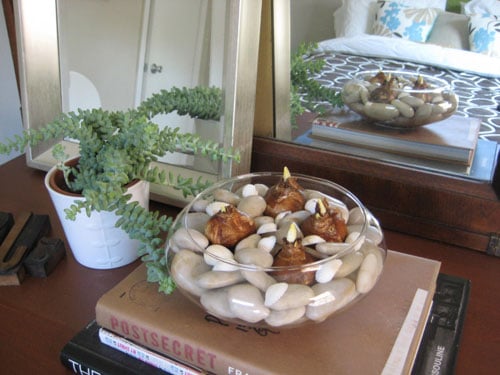
If the holiday season had an official “I tried, but not too hard” flower, it would absolutely be the paperwhite. These elegant white blooms look like they belong in a designer catalog, smell like winter cheer in a vase, and somehow manage to grow beautifully even for people who have accidentally killed a succulent. That is not judgment. That is simply horticultural honesty.
Paperwhites, a type of narcissus, are among the easiest bulbs to force indoors. They do not need a long cold period like tulips, hyacinths, or many daffodils. Give them a shallow container, a little water, some stones or potting mix, and bright light, and they will usually reward you with fragrant blooms in about four to six weeks. In other words, they are the rare holiday project that looks fancy but does not require a spreadsheet, a greenhouse, or emotional support from a garden club.
Even better, planting paperwhites makes a thoughtful holiday gift. Instead of handing someone another scented candle called “Snowy Cashmere Fireside Cookie,” you can give them a living arrangement that grows, blooms, and brightens the darkest days of the year. Paperwhite bulbs are inexpensive, easy to customize, and perfect for hosts, teachers, neighbors, coworkers, grandparents, and that one friend who says they do not want anything but secretly loves charming little surprises.
What Are Paperwhites?
Paperwhites are indoor-friendly narcissus bulbs known for clusters of small, star-shaped white flowers and a powerful fragrance. Their botanical relatives include daffodils and jonquils, but paperwhites are especially popular for winter indoor growing because they bloom quickly and do not need chilling before planting.
Most paperwhites sold for holiday forcing are varieties of Narcissus papyraceus or related narcissus types. The most common variety you will see in garden centers is often “Ziva,” a reliable bloomer with bright white flowers and strong fragrance. Other varieties may have softer scents, creamier petals, or slightly different bloom times, but all share the same winning personality: low effort, high reward.
Why Paperwhites Make Such Great Holiday Gifts
Paperwhites hit the sweet spot between beautiful, affordable, and personal. A planted bowl of paperwhites looks like something from a boutique florist, yet the supplies are simple: bulbs, a container, pebbles or potting mix, water, and maybe a ribbon if you are feeling festive.
They Feel Personal Without Being Complicated
A paperwhite gift says, “I thought about you,” without requiring you to knit a scarf, bake twelve kinds of cookies, or learn calligraphy. You can choose a container that matches the recipient’s style: a sleek glass bowl for a minimalist, a vintage teacup for a cottagecore enthusiast, a ceramic pot for a classic gardener, or a mason jar for someone who owns more plaid than legally necessary.
They Bloom During the Darkest Season
Winter can feel a little gray, especially after the holiday lights come down and everyone realizes January still exists. Paperwhites bring fresh green growth and snowy flowers indoors when gardens are resting. They are a reminder that beauty does not take the winter off; it just moves to the windowsill.
They Are Budget-Friendly
Paperwhite bulbs are typically inexpensive, especially when purchased in multipacks. You can make several gifts at once by planting three to five bulbs in each small container. Add decorative gravel, preserved moss, a ribbon, and a care tag, and suddenly your “easy little bulb project” looks like it came from a fancy garden shop where everything is labeled in handwritten chalk.
When to Plant Paperwhites for Holiday Blooms
Timing matters if you want blooms by a specific holiday. Paperwhites usually flower about four to six weeks after planting, depending on bulb variety, indoor temperature, and light levels. For Thanksgiving blooms, plant in early to mid-October. For Christmas or Hanukkah flowers, start in early to mid-November. For New Year’s blooms, plant around late November or early December.
If you are planting them as gifts, you have two good options. You can plant the bulbs a few weeks before giving so the recipient receives a container already showing green shoots. Or you can package dormant bulbs with a container and instructions, turning the gift into a simple DIY growing kit. Both options work beautifully. One says, “Here are flowers soon.” The other says, “Here is a tiny garden adventure.”
Supplies You Need to Plant Paperwhites
Paperwhites do not ask for much. They are not divas. They are not demanding houseplants that need filtered water, imported moss, and a pep talk every morning. To plant paperwhites indoors, gather the following supplies:
- Paperwhite bulbs
- A shallow bowl, vase, jar, or pot
- Clean pebbles, gravel, marbles, glass stones, or well-draining potting mix
- Water
- Optional decorative moss
- Optional stakes, twigs, ribbon, or twine for support
- A small care card if giving as a gift
Choose large, firm bulbs with no soft spots, mold, or strong unpleasant odor. Bigger bulbs often produce more flower stems, so do not be afraid to pick the plump ones. This is one of the few times in life when “chunky bulb energy” is exactly what you want.
How to Plant Paperwhites in Water and Pebbles
The classic way to grow paperwhites is in a shallow container with stones and water. This method is clean, decorative, and perfect for gift arrangements because the roots become part of the display.
Step 1: Choose a Container
Select a container that is at least three to four inches deep. Glass bowls, ceramic dishes, low vases, and wide jars all work well. The container does not need drainage holes if you are growing paperwhites in water and pebbles, but it should be sturdy enough to support tall stems later.
Step 2: Add Pebbles or Stones
Place one to two inches of clean pebbles, gravel, marbles, or decorative stones in the bottom. This layer anchors the bulbs and gives roots something to grip. If you are using decorative glass stones, rinse them first to remove dust.
Step 3: Set the Bulbs Pointed Side Up
Nestle the bulbs into the stones with the pointed tips facing upward. The bulbs can sit close together, but they should not be squashed. A crowded grouping looks lush and gift-worthy, especially once the leaves and flower stems emerge.
Step 4: Add Water Carefully
Add water until it reaches just below the base of the bulbs. The bottom of each bulb should barely touch the moisture, but the bulb itself should not sit underwater. Too much water can cause rot, and rotten bulbs are not festive unless your holiday theme is “swamp sadness.”
Step 5: Place in Bright, Cool Light
Set the container in a bright spot away from hot drafts, radiators, and blasting heat vents. A cool room encourages stronger, shorter stems. Once roots develop and shoots begin to grow, rotate the container every few days so the stems grow evenly instead of leaning dramatically toward the window like tiny green theater actors.
How to Plant Paperwhites in Soil
Paperwhites also grow well in potting mix. Soil planting is a good choice if you want a more traditional potted look or if you are gifting to someone who prefers easy watering without watching a water line every day.
Step 1: Pick a Pot With Drainage
Choose a pot that is about three to five inches deep and has drainage holes. Paperwhites like moisture, but they do not want soggy feet. A pot with drainage helps prevent bulb rot.
Step 2: Add Potting Mix
Fill the pot partway with a well-draining potting mix. Set the bulbs on top with the pointed ends upward, then add more mix around them. Leave the top third of each bulb exposed. This keeps the arrangement neat and helps you monitor growth.
Step 3: Water Thoroughly
Water after planting so the soil is evenly moist. After that, keep the soil lightly moist but not soggy. If the pot sits in a saucer, empty excess water so the roots are not standing in a puddle.
How to Care for Paperwhites After Planting
Paperwhite care is refreshingly simple, which is why these bulbs are beloved by beginners and busy holiday hosts alike. The most important things are water, light, temperature, and support.
Keep the Water Level Consistent
For pebble-grown paperwhites, check the water level every few days. Keep it just below the bulb base. The roots should reach the water, but the bulb should not be submerged. For soil-grown paperwhites, water when the top of the mix begins to feel slightly dry.
Give Them Bright Light
Paperwhites grow best in bright, indirect light at first. Once shoots appear, a sunny window can help them develop strong growth. However, when the flowers open, moving the container away from direct sun can help the blooms last longer.
Keep Them Cool for Stronger Stems
Warm rooms make paperwhites grow quickly, but they can also encourage tall, floppy stems. A cooler room, especially at night, helps the plants stay more compact. If your paperwhites start stretching, move them to a brighter and cooler location.
Stake or Tie the Stems
Paperwhites can grow 12 to 20 inches tall indoors, and sometimes they flop. This is normal. Use bamboo stakes, decorative twigs, curly willow branches, or a loose ribbon to support the stems. A simple piece of twine around the leaves can look rustic and intentional, as if you planned it all along.
The Clever Trick for Shorter, Sturdier Paperwhites
Paperwhites are famous for growing fast and occasionally toppling over like overexcited party guests. One popular method for keeping them shorter is to use a diluted alcohol solution after the roots have developed and the shoots are a few inches tall.
The idea is simple: start the bulbs with plain water. Once roots are growing and the green shoots are established, replace the water with a very diluted solution made from hard liquor and water. For 80-proof liquor, such as vodka, a common ratio is one part liquor to seven parts water. Do not use beer or wine because the sugars can cause problems. Also, do not make the solution stronger than recommended, because too much alcohol can damage the bulbs.
This trick is optional. If you prefer not to use it, no problem. Bright light, cooler temperatures, and gentle support will still help your paperwhites look lovely.
Creative Paperwhite Gift Ideas
The magic of paperwhites as holiday gifts is that they are easy to personalize. You can make them elegant, rustic, whimsical, modern, or cheerfully over-the-top. Holiday decorating has room for all personalities, including “understated winter garden” and “I found glitter and made decisions.”
1. The Classic Glass Bowl Gift
Plant three to five bulbs in a clear glass bowl filled with white pebbles or river stones. Finish with a velvet ribbon around the container. This look is clean, timeless, and perfect for a host gift.
2. The Vintage Teacup Paperwhite
Use a thrifted teacup or small ceramic bowl for one bulb. Add tiny stones, moss, and a handwritten tag. This is charming for teachers, neighbors, and friends who love cozy details.
3. The Mason Jar Growing Kit
Layer stones in a wide-mouth mason jar, add one or two bulbs, and tie instructions to the lid with twine. This makes a great budget-friendly batch gift when you need several presents.
4. The Woodland Holiday Arrangement
Plant bulbs in a shallow ceramic dish and top with preserved moss, pinecones, small ornaments, or birch twigs. Keep decorations above the water line so nothing gets soggy or moldy.
5. The Office Desk Brightener
Choose a compact container and plant one or two bulbs. Add a simple care card that says, “Bright light, water below the bulb, enjoy the blooms.” It is a cheerful gift for coworkers without being too personal.
What to Write on a Paperwhite Care Card
A care card makes your gift feel polished and helps the recipient succeed. Keep it short and friendly. Here is an easy version:
Paperwhite Care: Place in bright light. Keep water just below the bulb base, not covering the bulb. Rotate every few days. Blooms usually appear in four to six weeks. If stems get tall, tie loosely with ribbon or support with twigs.
You can also add a safety note if the recipient has pets or small children. Paperwhite bulbs and plant parts are toxic if eaten, especially the bulbs, so they should be kept out of reach of curious cats, dogs, and toddlers.
Common Paperwhite Problems and Easy Fixes
Problem: The Bulbs Are Getting Mushy
The bulbs may be sitting in too much water. Pour off excess water and keep the level just below the bulb base. If a bulb is soft, smelly, or moldy, remove it so it does not affect the others.
Problem: The Stems Are Too Tall and Floppy
Move the container to a cooler, brighter spot. Rotate it regularly and add support with stakes, twigs, ribbon, or twine. Next time, start the bulbs in a cooler room to slow growth.
Problem: The Flowers Smell Too Strong
Paperwhite fragrance is famous, but not everyone loves it. Some people find it sweet and floral; others think it is a bit much. Place the arrangement in a larger room, entryway, or kitchen instead of a small bedroom or bathroom. You can also choose lower-fragrance varieties if scent sensitivity is a concern.
Problem: The Bulbs Are Not Blooming
They may need more time, brighter light, or a warmer spot after roots have developed. Check that the bulbs are firm and that the roots have access to moisture. Healthy bulbs usually grow reliably, but weak or dried-out bulbs may underperform.
Can You Save Paperwhite Bulbs After They Bloom?
Paperwhites forced indoors often use up a lot of energy producing winter flowers. In many cases, they are treated as seasonal bulbs and composted after blooming. If you live in a warm climate where paperwhites can grow outdoors, you may be able to plant them in the garden after the flowers fade. Let the foliage yellow naturally before removing it, because the leaves help feed the bulb.
For most indoor holiday growers, though, it is perfectly acceptable to enjoy the show and then say goodbye. Not every plant needs to become a lifelong responsibility. Sometimes a flower is allowed to be a beautiful seasonal guest.
Why Paperwhites Are Perfect for Beginner Gardeners
Paperwhites offer nearly instant gardening satisfaction. You can see roots forming within days, green shoots soon after, and blooms within weeks. That quick progress makes them especially fun for children, new gardeners, and anyone who likes visible results. They are also a great introduction to bulb forcing, the process of encouraging bulbs to bloom indoors outside their normal outdoor schedule.
Unlike many indoor plants, paperwhites do not need fertilizer, pruning, repotting, misting, or complicated maintenance. They arrive with most of the energy they need already stored inside the bulb. Your job is simply to provide moisture, light, and a container that does not let them fall over during their big performance.
My Experience Planting Paperwhites for Holiday Gifts
The first time I planted paperwhites as holiday gifts, I made the classic beginner mistake: I assumed anything involving flowers would be delicate, fussy, and possibly judgmental. I pictured myself hovering over the bulbs with a measuring cup, whispering encouragement, and apologizing for the indoor humidity. Instead, the bulbs behaved like cheerful little overachievers. Within a few days, roots were pressing into the pebbles. Within a week, green shoots were reaching up. By the time the holiday gathering arrived, the containers looked like I had planned everything with professional-level confidence. I had not. The paperwhites did most of the work, which is exactly why I respect them.
One of my favorite ways to gift paperwhites is to plant them in mismatched containers. A small white ceramic bowl looks elegant. A clear jar feels simple and modern. A thrifted mug adds personality. I once used a shallow blue-and-white dish that looked ordinary on the shelf but became surprisingly beautiful once filled with stones, bulbs, and moss. The lesson: paperwhites are excellent at making humble containers look intentional. They are basically the holiday stylists of the bulb world.
I also learned that timing makes the gift more exciting. If you give completely dormant bulbs, the recipient gets the fun of watching the entire process. If you give bulbs with two or three inches of green growth, the gift feels alive immediately and promises flowers soon. For host gifts, I prefer the second option because it looks more finished. For kids, families, or plant-curious friends, I like giving the bulbs at the beginning so they can watch the roots grow day by day.
Another experience worth sharing: paperwhites can become tall. Very tall. One year, I placed a bowl in a warm room near a window, admired the speedy growth, and then watched the stems lean like they were trying to escape the container. The flowers were still lovely, but the whole arrangement had a “holiday parade after a strong wind” look. Now I either keep them in a cooler location or add decorative twigs early. A few small branches tucked into the stones provide support and make the arrangement look woodland-inspired instead of rescued at the last minute.
The fragrance is another practical detail. Some people adore the scent of paperwhites. Others find it intense. When giving them as gifts, I avoid placing too many bulbs in a tiny container unless I know the recipient loves fragrant flowers. Three bulbs in a small bowl can perfume a room nicely; a dozen bulbs in a studio apartment may announce themselves with the confidence of a brass band. If the gift is for someone scent-sensitive, I choose fewer bulbs or suggest placing the arrangement in an entryway, kitchen, or larger living area.
Paperwhites have become one of my favorite holiday gifts because they feel generous without being expensive. They last longer than cut flowers, require less care than a houseplant, and bring a little drama to winter windowsills. They are also wonderfully forgiving. Even when the stems flop, a ribbon fixes it. Even when the container is simple, moss dresses it up. Even when you start a little late, the green shoots still bring charm before the flowers open.
Most of all, planting paperwhites turns gift-giving into a small act of optimism. You hand someone a bowl of bulbs, stones, and water, and tucked inside is the promise that something beautiful is about to happen. That is a pretty lovely message for the holidays.
Conclusion
Planting paperwhites is one of the easiest ways to bring fresh flowers indoors during the holiday season. These fast-growing bulbs do not need chilling, bloom in just a few weeks, and look beautiful in everything from glass bowls to vintage mugs. With simple care, bright light, and the right water level, paperwhites reward even beginner gardeners with fragrant white blooms.
As gifts, they are thoughtful, affordable, and easy to personalize. You can plant them ahead of time for an almost-ready floral display or package them as a charming DIY kit. Add a care card, a ribbon, and a little moss, and you have a holiday present that feels handmade without requiring a glue gun marathon.
Whether you are decorating your own home or surprising someone else, paperwhites deliver winter beauty with very little fuss. They are proof that holiday magic does not have to be complicated. Sometimes it starts with a bulb, a bowl, and just enough water.














