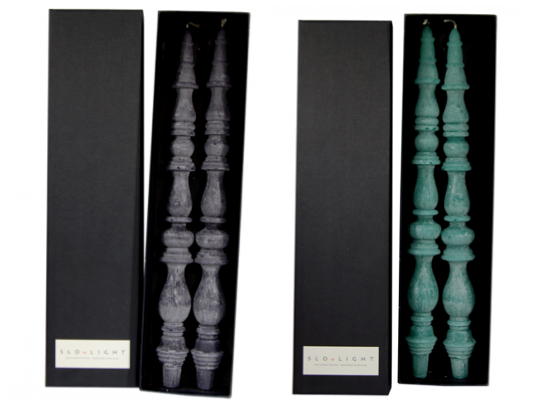
Some candles sit politely in the background. Pompeuse shaped candles appear to have entered the room wearing velvet, carrying a candelabra, and expecting everyone to admire their profile.
With elongated proportions, ornamental curves, and an unmistakably Baroque personality, these sculpted candles occupy the charming territory between useful lighting and miniature decorative art. They can illuminate a dinner table, add height to a mantel, or remain completely unlit while looking more interesting than half the objects in the average display cabinet.
The name originally referred to an expressive candle design from Belgian brand Slowlight. Today, it also serves as a useful reference point for shoppers searching for ornate taper candles, Baroque candles, sculptural candlesticks, and dramatic decorative candles with a similarly elaborate silhouette.
What Are Pompeuse Shaped Candles?
Pompeuse shaped candles are tall decorative tapers distinguished by their carved-looking contours. Instead of forming a plain, smooth column, the wax expands and contracts through a sequence of rounded sections, narrow waists, ridges, and ornamental flourishes.
The overall shape resembles the turned stem of an antique candlestick, a carved furniture leg, or an architectural column that has enjoyed one too many desserts. Because the candle itself looks like a decorative object, even a simple holder can produce an elaborate display.
The Original Slowlight Design
Archival product descriptions identify Pompeuse as a Slowlight design manufactured by an experienced candle company in Bruges, Belgium. The candles were handmade, sold as coordinating pairs, and presented as a meeting point between art and candle.
Archived listings showed colors including black, blue, green, pink, red, and white. A faded pink version was especially memorable because its romantic color amplified the old-world silhouette. The reported burn time was approximately 20 hours, although actual performance can vary with wick condition, drafts, room temperature, and holder placement.
Original retail availability appears limited today, so vintage examples may surface through resale shops, estate sellers, or online marketplaces. Similar Baroque-style taper candles are also made by contemporary candle studios, although their dimensions, wax formulas, and burn behavior may differ.
Why the Name Fits
Pompeuse is the feminine French form of an adjective associated with magnificence, ceremony, grandeur, and, in some contexts, excessive formality. That makes it an almost suspiciously perfect name for a candle that refuses to be a plain cylinder.
The design is ornate without becoming impossible to use. It brings theatrical detail to an ordinary candlestick while remaining narrow enough to work as a taper. In other words, it is pompous in the most useful way.
Why Sculptural Candles Became So Popular
Candles were once evaluated mainly by practical questions: Does the wick light? How long does the wax last? Will the candle drip onto the tablecloth that only comes out twice a year?
Contemporary home decor has added another question: Does the candle look good when nobody is burning it?
Sculptural candles answer with an enthusiastic yes. Twisted tapers, bubble cubes, torso candles, shell shapes, food-inspired designs, and architectural pillars have transformed wax into a decorative medium. Their appeal reflects a broader interest in playful objects that combine function, craftsmanship, and visual surprise.
Pompeuse shaped candles fit naturally into this movement, but their historical personality distinguishes them from softer, minimalist forms. A bubble candle feels modern and cheerful. A Pompeuse-style candle feels as though it knows where the secret passage is.
Decoration With a Sense of Humor
Ornate candles offer an easy way to introduce drama without redecorating an entire room. A pair can make a plain table feel ceremonial, yet the wax construction prevents the arrangement from becoming too serious.
The effect is especially useful in neutral interiors. Sculptural candles introduce texture, rhythm, and height while occupying very little space. When chosen in an unexpected color, they also provide a controlled splash of personality without requiring a permanent commitment to bright upholstery.
How to Style Pompeuse Shaped Candles
The candles already contain considerable visual detail, so successful styling usually depends on giving them enough breathing room. They do not need twelve competing ornaments, three garlands, and a decorative peacock supervising from behind.
1. Create a Symmetrical Dining Table
Place one Pompeuse candle near each end of a dining table to frame the centerpiece. Low flowers, fruit, or a shallow bowl can occupy the middle without blocking conversation.
For formal dinners, choose matching candles and holders. For a more relaxed table, use the same candle color in slightly different vintage candlesticks. The repeated wax shape will connect the arrangement even when the metal finishes do not match.
2. Add Height to a Mantel
A mantel is an ideal location for sculptural taper candles because it naturally supports objects at different elevations. Pair the candles with a mirror, artwork, small vase, or framed photograph.
Avoid placing every item at the same height. Let the candles provide the vertical lines while shorter objects create visual balance. Odd-numbered groupings often feel casual, while a matching pair creates a more architectural effect.
3. Use Them as Shelf Sculpture
Unlit Pompeuse shaped candles can function like wax figurines. Display them beside art books, pottery, or a small framed print. A dark candle against a pale wall creates striking contrast, while cream or blush wax softens shelves filled with wood and metal.
Leave space around detailed candles so their silhouette remains visible. Crowding them between unrelated accessories turns their curves into visual static.
4. Build a Color Story
Color determines whether the candles feel romantic, playful, Gothic, or contemporary.
- White or ivory: elegant, bridal, traditional, and easy to combine with nearly any holder.
- Faded pink: romantic and softly theatrical, especially with aged brass or silver.
- Black or anthracite: dramatic, modern, and particularly effective in minimalist rooms.
- Green: rich and botanical, especially alongside wood, stone, or antique brass.
- Red: festive and confident, suitable for holiday tables or maximalist interiors.
- Blue: unexpected but versatile, particularly with white ceramics or polished metal.
5. Mix Baroque and Modern Elements
Placing ornate candles in equally ornate holders creates unapologetic historical drama. That approach can work beautifully, but contrast often feels fresher.
Try a Pompeuse-style taper in a plain black holder, a simple glass base, or a clean-lined silver candlestick. The modern support allows the decorative wax to become the focal point. Conversely, placing a pale candle in an elaborate vintage holder creates a romantic layered look.
Choosing the Right Candle Holders
A tall sculptural taper needs a holder that is stable, heat resistant, and properly sized. Decorative enthusiasm should never defeat basic physics.
Check the diameter of the candle base before purchasing a holder. The candle should sit upright without wobbling. Forcing an oversized base into a narrow socket may crack the wax, while a loose fit increases the risk of leaning or tipping.
Holder Materials That Work Well
- Brass: warm, classic, and especially complementary to pink, green, ivory, and black wax.
- Silver or chrome: cooler and more contemporary, creating contrast with the historical shape.
- Ceramic: available in playful and minimalist forms, but the base should be broad enough for stability.
- Glass: visually light and useful when the candle itself should command attention.
- Stone: substantial and stable, making it appropriate for unusually tall tapers.
A candle-fitting adhesive made specifically for tapers can help secure a slightly loose base. Soft wax candle fitters are another option. Avoid improvised materials that may ignite, melt unpredictably, or prevent the candle from sitting securely.
Can Pompeuse Shaped Candles Be Burned?
Yes, a properly manufactured Pompeuse candle is intended to function as a candle rather than merely imitate one. However, an intricate wax profile may melt differently from a smooth taper.
Raised sections, deep curves, and variations in diameter can produce uneven runoff as the flame moves downward. The candle may develop beautiful wax trails, or it may decide that your polished table requires an abstract wax installation. A heat-resistant drip plate is therefore a wise addition.
Essential Candle Safety
- Read and follow the manufacturer’s burn instructions.
- Trim the wick to approximately one-quarter inch before lighting.
- Use a sturdy holder that cannot tip easily.
- Place the holder on a stable, heat-resistant, uncluttered surface.
- Keep the flame at least 12 inches from curtains, flowers, paper, and other combustible materials.
- Keep burning candles away from drafts, fans, vents, children, and pets.
- Separate multiple burning candles by at least three inches.
- Never leave a burning candle unattended.
- Extinguish a taper before the flame approaches the holder.
- Allow wax and holders to cool before touching or moving them.
Decorative Versus Functional Use
Some owners never light sculptural candles because they prefer to preserve the original shape. There is no rule requiring a decorative candle to fulfill its fiery destiny.
Collectors may display an original or discontinued design permanently and use simpler tapers when actual candlelight is desired. Homes with active children, curious cats, limited surfaces, or frequent drafts may benefit from pairing the decorative candles with flameless lighting elsewhere in the room.
How to Care for Sculpted Wax
Detailed candles tend to collect dust in their grooves. Fortunately, cleaning them does not require a restoration laboratory.
Use a soft, clean makeup brush or artist’s brush to remove dust from carved sections. A dry microfiber cloth works well on smoother areas, but press gently to avoid polishing one patch more than another.
Store candles in a cool, dry location away from direct sunlight. Excessive heat can soften the wax and cause tall candles to lean, while prolonged sunlight may fade the color. Long tapers are generally best stored flat with protective wrapping that does not stick to the surface.
Avoid freezing candles. Very cold wax can become brittle and may crack when handled. Do not wash sculptural candles under hot water, and never clean them while they are warm from burning.
What to Look for When Buying Pompeuse-Style Candles
Because the original Slowlight design may not be readily available, shoppers often encounter vintage examples, reproductions, or loosely inspired Baroque taper candles. Examine each listing carefully.
Confirm the Dimensions
Product photos can make a candle look smaller or larger than it is. Check the height and base diameter, then compare those measurements with the intended holder and display location.
Inspect Vintage Condition
Older candles may show fading, dust, scratches, softened details, bent wicks, or slight warping. These imperfections may be acceptable for display, but a visibly cracked or severely leaning candle should not be burned.
Read the Safety Label
A reputable candle should include basic warnings and manufacturer guidance. Missing labels are particularly concerning when the wax composition, wick material, or intended use is unknown.
Decide Whether Scent Matters
Unscented decorative tapers are generally easier to use during meals because they will not compete with food aromas. Scented versions may be better suited to entry tables, living rooms, or unlit decorative displays.
Consider the Pair, Not Just the Individual Candle
Pompeuse candles are especially effective as a pair because the repeated silhouette creates balance. Before purchasing a single vintage candle, consider whether an asymmetrical display suits the room or whether finding a coordinating partner will become a tiny, wax-based life mission.
Pompeuse Candles Compared With Other Decorative Candles
Twisted tapers feel energetic and handmade. Bubble candles are soft and geometric. Figural candles create recognizable sculptures, while ribbed pillars rely on texture and repetition.
Pompeuse shaped candles stand apart because they combine the usable proportions of a taper with the ornamentation of a carved object. They are dramatic but still familiar, decorative but not purely figurative, and historical without requiring the rest of the room to resemble a palace.
That combination makes them unusually adaptable. They can support a wedding tablescape, a dark-academia reading corner, a contemporary dining room, a holiday mantel, or a romantic bedroom displayas long as any lit candle remains safely supervised.
A Practical Experience With Pompeuse Shaped Candles
The most revealing way to appreciate Pompeuse shaped candles is to live with them as both objects and working tapers. A realistic styling trial begins with a pair placed on an otherwise simple dining table. At first, the height may feel surprisingly commanding. Standard tapers usually contribute light without becoming the main event, but the Pompeuse silhouette immediately draws the eye.
That prominence changes how the rest of the table should be arranged. A tall floral bouquet competes with the candles and makes conversation awkward. Replacing it with a low bowl of pears, figs, or seasonal greenery creates a calmer composition. The candles provide the architecture; the centerpiece only needs to provide texture.
During daylight, the carved-looking wax catches shadows along every ridge and curve. A faded pink pair feels warm beside natural linen and cream stoneware. Black candles create a sharper outline and look particularly strong with clear glassware. Green versions become unexpectedly sophisticated when combined with walnut, aged brass, and off-white ceramics.
The experience also demonstrates that an elaborate candle does not require an elaborate room. In fact, the design appears more distinctive against a plain wall or uncluttered tabletop. Too many decorative accessories weaken the effect. Removing two or three nearby objects often makes the candles look more expensive, even though nothing about the candles themselves has changed.
Lighting them introduces another personality. The flame softens the formal outline, while the upper portion of the wax gradually changes from sculpture into movement. Because the body is not perfectly cylindrical, melted wax may travel along unexpected channels. A wide drip plate quickly proves its value. Watching the shape evolve can be part of the appeal, but anyone hoping to preserve pristine decorative details may experience the familiar collector’s dilemma: admire the candle’s intended transformation or guard it like a museum artifact.
A sensible compromise is to burn the pair only for special dinners, extinguishing them well before the flame approaches a heavily sculpted section or the holder. Another option is to keep one pair untouched for display and use a second, less rare set for candlelight. This sounds indulgent until one remembers that people own decorative pillows nobody is permitted to lean against.
Moving the candles from the dining table to a mantel reveals their versatility. On the mantel, they behave more like sculpture. A mirror behind them doubles the visual effect and reflects their evening glow. They also pair well with one low vase and a small framed picture. Adding more objects quickly makes the arrangement feel crowded, confirming that these candles perform best when treated as focal points.
Maintenance is pleasantly simple. Dust becomes visible in the grooves after several days, especially on dark wax, but a soft brush removes it without flattening the details. The more important challenge is temperature. A sunny windowsill may warm one side and encourage leaning, so an interior shelf is safer for long-term display.
After spending time with the design, its lasting appeal becomes clear. Pompeuse shaped candles make ordinary rooms feel intentional without demanding renovation, new furniture, or a minor inheritance. They bring history, humor, and craftsmanship into a compact object. Whether lit for dinner or preserved as decorative sculpture, they prove that even a taper candle can possess excellent posture and a flair for dramatic entrances.
Conclusion
Pompeuse shaped candles offer more than warm light. Their tall Baroque form turns wax into an architectural accent capable of defining a tablescape, mantel, shelf, or special-event display.
The original Slowlight design remains especially appealing because it balances ornament with practical taper proportions. Contemporary Baroque candles can create a similar effect when chosen carefully, secured in stable holders, and displayed with enough space for their silhouettes to stand out.
Use them in pairs for symmetry, contrast them with modern holders, protect surfaces from wax, and follow standard candle-safety practices whenever they are lit. Most importantly, resist the urge to surround them with every decorative item you own. A Pompeuse candle already brings enough ceremony to the room.