There are backyard upgrades that whisper, “I am a responsible homeowner,” and then there is the portable hot tub, which loudly announces, “I have discovered warm bubbles and I may never emotionally recover.” A portable hot tub or outdoor hot tub can turn a patio, deck, garden corner, or small backyard into a mini spa without the commitment of pouring concrete, building a pool house, or taking out a second mortgage in the name of hydrotherapy.
But before you click “add to cart” and start picturing yourself soaking under the stars like a relaxed movie villain, there are a few practical things to know. Portable hot tubs come in several styles, from inflatable spa tubs to plug-and-play acrylic models. They vary widely in price, durability, energy use, installation needs, comfort, maintenance, and how well they survive winter. The best outdoor hot tub is not always the biggest one, the one with the most jets, or the one that looks like it belongs at a boutique ski lodge. It is the one that fits your space, your routine, your budget, and your willingness to test water chemistry like a backyard scientist with better lighting.
This guide breaks down everything homeowners should know before choosing a portable hot tub: types, costs, installation, safety, maintenance, energy efficiency, real-life use, and smart buying tips. Warm water is wonderful. Surprise electrical work, green water, and a sagging deck are less wonderful. Let’s avoid those.
What Is a Portable Hot Tub?
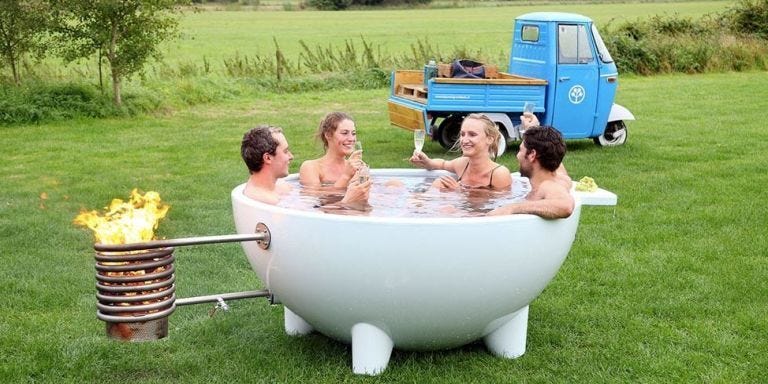
A portable hot tub is a self-contained spa that sits above ground and can usually be installed without major construction. Unlike an in-ground spa, which is built into the landscape or pool area, a portable hot tub arrives as a separate unit. It holds heated water, includes a pump and filtration system, and may offer air jets, hydrotherapy jets, LED lights, app controls, cup holders, headrests, or other comfort features.
The word “portable” can be slightly optimistic. An inflatable hot tub can often be deflated, packed, moved, and stored. A hard-shell plug-and-play hot tub is portable in the sense that it does not require permanent excavation, but moving one still usually involves several adults, a dolly, and at least one person saying, “Careful, careful, careful” in a panic voice.
Portable Hot Tub vs. Outdoor Hot Tub: What’s the Difference?
The terms overlap. A portable hot tub is usually an outdoor hot tub, but not every outdoor hot tub is portable. Outdoor hot tubs include in-ground spas, built-in backyard spas, swim spas, wooden soaking tubs, inflatable tubs, and acrylic spa units. Portable models are the flexible middle ground: easier to install than permanent spas, more comfortable than a kiddie pool with ambition, and more affordable than a full backyard renovation.
For most homeowners, the portable hot tub category includes three main choices: inflatable hot tubs, roto-molded plug-and-play spas, and acrylic portable spas. Each has a different personality. Inflatable tubs are budget-friendly and beginner-friendly. Plug-and-play spas offer more structure and better insulation. Acrylic spas deliver stronger jets and a more premium feel, but they cost more and often need professional electrical work.
Types of Portable Hot Tubs
Inflatable Hot Tubs
Inflatable hot tubs are the easiest way to test the spa lifestyle without redesigning your backyard. They are typically made from reinforced PVC or similar layered materials, and many can be inflated with the included pump. They are popular because they are affordable, easy to set up, and comfortable enough for casual soaking.
The trade-off is performance. Most inflatable hot tubs use air bubble jets rather than targeted hydrotherapy jets. The bubbles feel fun, but they do not massage sore muscles the way powerful water jets can. Inflatable models also lose heat faster than rigid tubs, especially in cold or windy weather. They are excellent for mild climates, weekend relaxation, renters, small patios, and anyone who wants a spa experience without signing up for a backyard engineering project.
Plug-and-Play Hot Tubs
Plug-and-play hot tubs usually run on a standard 120-volt outlet, although that outlet should still be properly protected and suitable for outdoor use. These tubs are more rigid and durable than inflatable models. They often have molded seating, better insulation, stronger shells, and a more traditional hot tub look.
The main advantage is convenience. You place the tub on a level surface, fill it, plug it in, balance the water, and wait for it to heat. The downside is heating speed and power. A 120-volt plug-and-play spa may struggle to run the heater and jets at full strength at the same time, especially in colder weather. For many households, that is a fair trade. For serious winter soaking, a 240-volt model may be better.
Acrylic Portable Spas
Acrylic hot tubs are the polished, spa-showroom version of the portable hot tub. They usually have stronger frames, more powerful jets, contoured seats, better insulation, digital controls, and longer warranties. These are ideal for homeowners who plan to use their outdoor hot tub several times a week and want real hydrotherapy rather than “pleasant bubbling.”
Many acrylic models require a dedicated 240-volt electrical circuit installed by a licensed electrician. That adds cost, but it also improves heating performance and jet power. If you live in a cold region, want year-round use, or care about massage performance, acrylic models are worth considering.
How Much Does a Portable Outdoor Hot Tub Cost?
Portable hot tub prices vary dramatically. Inflatable hot tubs often fall into the lower hundreds to around $1,000, depending on size and features. Plug-and-play hard-shell models commonly start higher, while premium acrylic hot tubs can cost several thousand dollars and climb well beyond that for large, feature-rich models.
The tub itself is only part of the budget. You may also need a reinforced pad, outdoor-rated electrical work, steps, a cover lifter, filters, sanitizer, test strips, a thermal blanket, cleaning tools, and replacement filters. In colder climates, energy use can become a meaningful monthly cost, especially if the tub has weak insulation or a poor-fitting cover.
A smart buying approach is to calculate total ownership cost, not just the sticker price. A cheap inflatable tub may be perfect for occasional summer use. For daily winter soaking, however, a better-insulated model could save money and frustration over time.
Where Should You Put an Outdoor Hot Tub?
Location matters more than most first-time buyers expect. A portable hot tub needs a flat, stable, level surface that can support the weight of the tub, water, and people. Water is heavy. A filled hot tub can weigh thousands of pounds, and your deck does not care how excited you are about bubbles.
Concrete pads, reinforced patios, spa pads, and properly rated decks are common options. If you want to place a hot tub on a raised deck, consult a qualified contractor or structural professional. Guessing is not a structural engineering strategy.
Also think about access. You will need room to remove the cover, climb in safely, service the equipment, drain the tub, and reach the electrical connection. Privacy is another factor. A hot tub beside the neighbor’s kitchen window may create a relationship neither of you requested.
Electrical Requirements: Do Not Improvise Here
Electricity and water are not a casual friendship. Many full-size hot tubs require a dedicated 240-volt circuit with GFCI protection and professional installation. Smaller plug-and-play tubs may use a 120-volt outlet, but that outlet still needs to be appropriate for outdoor spa use and protected against ground faults.
Local codes vary, and outdoor spa electrical rules can involve disconnect placement, outlet distance, bonding, conduit, breaker size, and GFCI protection. A licensed electrician can confirm whether your setup is safe and code-compliant. This is not the part of the project where you want Uncle Gary saying, “I watched a video once.” Uncle Gary may be lovely. Uncle Gary should not be your hot tub electrical plan.
Water Temperature and Safety
Hot tubs should not be overheated. A common safety limit is 104°F, and many users prefer lower temperatures between 100°F and 102°F for longer, more comfortable soaking. Children, older adults, pregnant people, and anyone with certain medical conditions should be especially cautious and may need lower temperatures or medical guidance before use.
Soaking sessions should be reasonable. Warm water can feel relaxing, but staying in too long may lead to dizziness, dehydration, or overheating. Keep water nearby, avoid alcohol in the tub, and leave if you feel lightheaded. A hot tub is supposed to make you feel better, not turn you into a steamed dumpling with regrets.
Water Chemistry: The Part Nobody Brags About
Every hot tub owner eventually learns that the glamorous spa lifestyle includes test strips. Clean, safe water depends on sanitizer, pH balance, filtration, and regular maintenance. Hot water can allow germs to grow if sanitizer levels drop, so routine testing is not optional.
Most residential hot tubs use chlorine or bromine. Chlorine works quickly and is widely available. Bromine is often favored for hot water because it remains effective at higher temperatures and may smell less sharp to some users. Either system can work if used correctly.
For healthy hot tub water, check sanitizer and pH regularly, clean or replace filters as recommended, shock the water when needed, and drain and refill according to usage and manufacturer guidance. Heavy use, lotions, sunscreen, sweat, leaves, and mystery backyard debris all make the water work harder. The filter is not magic; it is a hardworking sponge with boundaries.
How Often Should You Drain a Portable Hot Tub?
Drain frequency depends on water volume, number of users, maintenance habits, and product instructions. Smaller inflatable hot tubs may need more frequent draining because they hold less water. Larger hard-shell spas may go longer between full water changes if chemistry is maintained properly.
A simple rule: if the water becomes cloudy, foamy, smelly, difficult to balance, or unpleasant even after cleaning and chemical adjustment, it is time to drain and start fresh. Always drain water according to local rules. Avoid flooding landscaping, sending chemically treated water into sensitive areas, or creating an accidental backyard swamp.
Energy Efficiency: The Cover Is the Unsung Hero
The most energy-efficient hot tub is not just the one with a fancy control panel. Insulation, cover quality, heater efficiency, pump design, climate, wind exposure, and usage habits all affect operating cost. A well-fitting insulated cover is one of the most important features because much of the heat escapes from the water surface.
Place the tub in a sheltered spot if possible. Wind steals heat quickly. Use the cover whenever the tub is not in use. Consider a floating thermal blanket in colder climates. Keep filters clean so the pump does not struggle. If your tub has energy-saving modes or scheduled heating, use them wisely.
Inflatable tubs generally lose heat faster than rigid, insulated tubs. That does not make them bad; it simply means expectations matter. A summer inflatable hot tub in Arizona and a winter inflatable hot tub in Minnesota are playing two very different sports.
Jets: Bubble Jets vs. Hydrotherapy Jets
Not all jets are created equal. Inflatable hot tubs usually use air jets that create a bubbly, relaxing sensation. They are fun and soothing, but they are not designed for deep muscle massage. Hard-shell spas may use water jets that can be adjusted for pressure, direction, and intensity.
If you want a hot tub mostly for atmosphere, conversation, and gentle relaxation, air jets may be enough. If you want targeted relief for sore shoulders, lower back tension, or post-workout stiffness, look for a model with adjustable hydrotherapy jets and ergonomic seating.
Size and Seating: Read the Fine Print
Hot tub capacity claims can be optimistic. A “six-person” inflatable hot tub may technically fit six adults, but everyone may need to become very comfortable with knees. For real comfort, assume one or two fewer adults than the advertised maximum.
For couples, a two- to four-person hot tub is usually easier to heat, maintain, and fit on a patio. Families or frequent entertainers may prefer a larger tub, but larger capacity means more water, more heating time, more chemical demand, and more space required. Bigger is not always better. Sometimes bigger is just more gallons to babysit.
Best Features to Look For
Insulated Cover
A good cover keeps heat in, debris out, and energy bills more reasonable. For families with children, a secure locking cover is also an important safety feature.
Freeze Protection
If you live in a cold climate, look for freeze-protection technology or clear winter-use guidance from the manufacturer. Not every inflatable tub is built for freezing temperatures.
Comfortable Seating
Inflatable tubs often have flat bottoms, while hard-shell spas may offer molded seats and loungers. Comfort depends on your height, posture, and whether you like upright soaking or full lounge seating.
Easy Filter Access
You will clean filters often. If the filter is annoying to reach, you will resent it. Choose a model designed for simple maintenance.
Digital Controls
Timers, app controls, temperature scheduling, and clear displays make ownership easier. They are not essential, but they can help manage heating and maintenance.
Portable Hot Tub Maintenance Checklist
Good maintenance keeps your outdoor hot tub safe, comfortable, and less likely to become a science fair project. Test water several times a week, especially after heavy use. Keep sanitizer in the recommended range. Monitor pH. Rinse filters regularly and replace them as needed. Wipe the waterline to remove oils and residue. Keep the cover clean and dry when possible. Drain and refill when water becomes hard to manage.
Also ask bathers to shower before soaking. This sounds fussy until you realize how much lotion, deodorant, sunscreen, hair product, and general human glitter ends up in the water. A quick rinse can reduce foam, odor, and chemical demand.
Can You Use a Portable Hot Tub in Winter?
Yes, but winter use depends on the model and climate. Many hard-shell spas are designed for year-round use. Some inflatable hot tubs include freeze-protection systems, while others should be stored before freezing weather arrives. Always read the manufacturer’s temperature limits.
Winter soaking can be magical: cold air, warm water, quiet evening, steam rising like your backyard has become a tiny mountain resort. The less magical part is getting out. Place towels and robes nearby, keep the path clear, use non-slip mats, and do not let water freeze on walking surfaces.
Common Mistakes to Avoid
The first mistake is buying too big. A large tub looks exciting, but if two people use it most of the time, the extra water may only increase heating and maintenance costs. The second mistake is ignoring electrical needs. The third is placing the tub on an unverified deck. The fourth is skipping water testing because the water “looks fine.” Clear water can still be poorly balanced.
Another mistake is underestimating the cover. A thin, loose, damaged, or waterlogged cover wastes heat and invites debris. If you own a hot tub long enough, you will develop strong opinions about covers. This is normal. Welcome to adulthood.
Who Should Buy a Portable Hot Tub?
A portable hot tub is a good fit for homeowners or renters who want relaxation without permanent construction. It is ideal for small backyards, patios, vacation homes, and anyone who likes the idea of a spa but does not want an in-ground installation. Inflatable models suit casual users and budget buyers. Plug-and-play tubs suit people who want more structure with simple setup. Acrylic spas suit committed soakers who want performance and long-term durability.
However, a hot tub is not a zero-effort luxury. It requires cleaning, water testing, energy use, and safe operation. If you travel constantly or dislike maintenance, choose a smaller, simpler model or reconsider whether you will use it enough to justify the work.
Real-Life Buying Example
Imagine a couple with a small fenced patio. They want weekend relaxation, do not host large groups, and live in a mild climate. A four-person inflatable hot tub or compact plug-and-play spa may be perfect. It fits the space, costs less, and does not require a major installation.
Now imagine a family in a cold region that wants year-round use three or four nights a week. They care about strong jets, fast heating, and lower heat loss. A rigid plug-and-play spa with strong insulation may work, but a 240-volt acrylic spa could be the better long-term choice.
Finally, imagine a homeowner who wants a luxury backyard centerpiece with powerful hydrotherapy, LED lighting, premium seating, and minimal compromise. That person should probably skip the cheapest inflatable model and invest in a higher-end portable spa. Buying the wrong tub to save money often means buying twice.
Extra Experiences and Practical Lessons From Portable Hot Tub Owners
The first real experience many portable hot tub owners mention is the heating wait. You do not fill a tub with cold hose water and hop into a perfect spa twenty minutes later. Depending on the model, water volume, outdoor temperature, and heater strength, heating can take many hours. This matters most when guests are coming over. A hot tub party that starts with 72°F water is not a hot tub party; it is a group character-building exercise.
Another common lesson is that placement affects how often people use the tub. If the hot tub is tucked too far away, behind obstacles, or across a cold yard, it becomes easier to ignore. The best location is usually close enough to the house for convenience but private enough to feel relaxing. A short, safe path from the door to the tub can make the difference between “we use it every week” and “remember when we bought that expensive outdoor soup bowl?”
Owners also learn that accessories matter. Steps make entry safer. A cover lifter makes daily use easier for hard-shell spas. A small outdoor storage box keeps chemicals, test strips, filter cartridges, and cleaning supplies organized. Robe hooks are surprisingly useful. A waterproof tray or side table can hold towels, water bottles, and snacks, although snacks in the hot tub should be handled with dignity. Nobody wants cracker crumbs in the filter.
Noise is another real-world factor. Inflatable hot tubs with air blowers can be louder than expected when bubbles are running. Hard-shell spas vary by pump design and insulation. If you have close neighbors, think about evening noise before placing the tub near a fence line. A peaceful soak is less peaceful when the machine sounds like a polite leaf blower.
Maintenance becomes easier with a routine. Many owners pick two or three set days per week to test water, rinse filters, and wipe surfaces. This prevents the “I’ll do it tomorrow” spiral. Once water goes cloudy or foamy, fixing it can take more effort than preventing the problem. Hot tub care rewards small habits.
Weather protection also improves the experience. A pergola, privacy screen, windbreak, or patio umbrella can make soaking more comfortable. Full enclosure is not always necessary, but reducing wind helps with heat retention and comfort. In sunny regions, shade protects users and may extend the life of exterior materials. In leafy yards, overhead trees look beautiful until they begin donating leaves to your filter like enthusiastic confetti.
Finally, the best portable hot tub experience comes from realistic expectations. An inflatable spa is not a luxury resort tub, and that is okay. A compact plug-and-play model is not a commercial therapy pool, and that is okay too. Choose the tub for the way you will actually use it. If your dream is casual Friday-night soaking, do not overbuy. If your dream is daily hydrotherapy, do not underbuy. The right outdoor hot tub is the one that fits your life so naturally that using it becomes a habit, not a production.
Final Thoughts: Is a Portable Hot Tub Worth It?
A portable hot tub can absolutely be worth it if you choose carefully. It offers relaxation, social time, outdoor comfort, and a spa-like experience without the cost and permanence of an in-ground installation. The key is matching the tub to your climate, space, budget, electrical setup, and maintenance tolerance.
For occasional use, an inflatable hot tub may deliver plenty of joy. For frequent use, a hard-shell plug-and-play or acrylic spa may be smarter. For cold climates, insulation and heating power matter. For every climate, safe electrical setup, clean water, a secure cover, and a stable base are non-negotiable.
In the end, the best portable hot tub is not just the one with the most bubbles. It is the one you can safely install, afford to run, maintain without drama, and enjoy often. Get those things right, and your backyard may become the most popular room of the housedespite technically not being a room.
Note: This article is written for general home-improvement and buying guidance. Always follow the manufacturer’s instructions, local electrical codes, and professional advice for installation and safe use.