
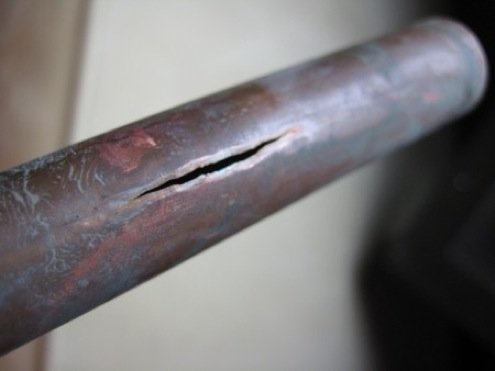
Winter has many charming qualities: snowflakes, cozy sweaters, hot chocolate, and the annual household game called “Why is there no water coming out of this faucet?” If you have ever dealt with frozen pipes, you already know the answer is not charming at all. A frozen pipe can burst, flood a room, ruin floors, damage drywall, and turn a quiet winter morning into a plumbing opera nobody bought tickets for.
The good news is that you can prevent freezing pipes with a sensible winter plumbing plan. You do not need to be a master plumber or own a tool belt with its own Instagram account. You need to know where your vulnerable pipes are, protect them before temperatures drop, keep warm air moving, and react quickly if a pipe starts acting suspiciously silent.
This guide explains how to winterize your plumbing, protect exposed pipes, avoid burst pipe damage, and handle frozen pipes safely. Think of it as a practical, Bob Vila-inspired winter checklist with fewer splinters and more peace of mind.
Why Pipes Freeze in the First Place
Water freezes at 32 degrees Fahrenheit, but pipes do not always freeze the moment the outdoor thermometer hits that number. The real danger grows when temperatures stay below freezing for hours, especially during cold snaps, windy nights, power outages, or when plumbing runs through unheated areas.
The biggest troublemakers are pipes in exterior walls, crawl spaces, attics, basements, garages, under kitchen cabinets, and near drafty openings. These spots allow cold air to surround the pipe long enough for water inside to freeze. When water freezes, it expands. That expansion can create pressure between the ice blockage and the closed faucet. Eventually, the pipe may crack or burst. The dramatic flood often happens later, when the ice thaws and water finally escapes.
In other words, frozen pipes are sneaky. They do not always announce themselves with a cymbal crash. Sometimes the first sign is a weak trickle from a faucet, frost on a pipe, or water pressure that suddenly behaves like it is taking a personal day.
Start with a Winter Plumbing Inspection
Before winter gets serious, walk through your home and identify pipes most likely to freeze. Bring a flashlight, a notepad, and the attitude of a detective who has watched too many home improvement shows.
Check the Usual Problem Areas
Look in basements, crawl spaces, garages, laundry rooms, under sinks, utility closets, attics, and along exterior walls. Any pipe that feels exposed to cold air deserves attention. Copper, PEX, and PVC pipes can all freeze if conditions are harsh enough, so do not assume one material is magically immune.
Find Drafts Near Plumbing
Cold air entering around dryer vents, cable openings, sill plates, foundation cracks, basement windows, and exterior wall penetrations can chill nearby pipes. Even a small gap can behave like a tiny winter wind tunnel. Seal gaps with caulk, spray foam, weatherstripping, or insulation where appropriate.
Locate the Main Water Shutoff Valve
Every household member old enough to understand basic safety should know where the main water shutoff valve is located. If a pipe bursts, shutting off the water quickly can reduce damage. The shutoff is often in a basement, crawl space, utility room, garage, or near where the water line enters the home.
Insulate Pipes Before the First Hard Freeze
Pipe insulation is one of the simplest and most effective ways to prevent frozen pipes. Foam pipe sleeves, fiberglass wrap, rubber insulation, and properly installed heat cables can help reduce heat loss and protect plumbing in cold areas.
Use Foam Pipe Sleeves for Exposed Pipes
Foam sleeves are affordable, easy to cut, and available at most hardware stores. Measure the pipe diameter, choose insulation that fits snugly, and cover as much exposed pipe as possible. Pay attention to elbows, joints, and short pipe runs near exterior walls. Gaps in insulation are like leaving your winter coat unzipped in a snowstorm: technically you are wearing it, but nobody is impressed.
Consider Heat Tape or Heat Cable Carefully
For pipes in especially cold zones, heat tape or thermostatically controlled heat cable may help. Use only products approved for the pipe material and location, follow the manufacturer’s instructions exactly, and avoid overlapping cable unless the product specifically allows it. Electrical heating products are helpful, but they are not decorations. Install them with respect.
Do Not Forget Hot Water Pipes
Many homeowners only insulate cold water lines, but hot water pipes can freeze too when they sit unused in cold areas. Insulating hot water pipes also helps conserve heat, which can improve comfort and energy efficiency. Your water heater will appreciate the reduced workload, even if it does not send a thank-you card.
Seal Drafts and Strengthen the Building Envelope
Winterizing your plumbing is not only about the pipes. It is also about the rooms and cavities around them. If cold air can reach plumbing, your pipe insulation has to work harder.
Close Crawl Space Vents During Freezing Weather
If your home has a vented crawl space, cold air can sweep through and chill pipes from below. During freezing weather, close crawl space vents if appropriate for your home and climate, and cover openings with insulated vent covers. Also check that crawl space doors fit tightly and are not inviting winter inside like a rude houseguest.
Weatherstrip Doors and Windows
Weatherstripping around basement doors, garage doors, and windows helps reduce drafts. Basement windows near plumbing are especially important. A cold leak near a pipe can undo a lot of good intentions.
Insulate Attics, Basements, and Exterior Walls
Proper home insulation improves comfort, reduces energy loss, and helps protect pipes that run through vulnerable areas. If a bathroom sits over an unheated garage or a kitchen sink is on an outside wall, insulation and air sealing become especially important.
Winterize Outdoor Faucets and Hose Bibbs
Outdoor faucets are small, easy to ignore, and surprisingly talented at creating expensive problems. A hose left connected to a spigot can trap water, freeze, and damage the faucet or the pipe just inside the wall.
Disconnect Garden Hoses
Before freezing weather arrives, disconnect all garden hoses. Drain them, coil them, and store them somewhere protected. Leaving a hose attached in winter is like sending your plumbing into battle wearing flip-flops.
Shut Off and Drain Exterior Faucet Lines
If your home has an indoor shutoff valve for outdoor faucets, close it. Then open the outdoor faucet to drain remaining water from the line. Leave the faucet open briefly while it drains, then follow the setup recommended for your fixture and climate.
Add Insulated Faucet Covers
Foam faucet covers or insulated outdoor spigot covers add another layer of protection. They are inexpensive, simple to install, and much cheaper than repairing a burst line inside a wall.
Keep Indoor Heat Steady
One of the easiest ways to prevent freezing pipes is to maintain consistent indoor heat. During bitter cold, avoid dramatic thermostat setbacks. A few dollars saved overnight can disappear quickly if a frozen pipe turns your hallway into a lazy river.
Do Not Let the House Get Too Cold
Many winter-preparation guides recommend keeping the thermostat at least around 55 degrees Fahrenheit when you are away. In homes with pipes in exterior walls, drafty rooms, or poorly insulated areas, warmer may be wiser during extreme cold.
Open Cabinet Doors Under Sinks
Kitchen and bathroom sinks on exterior walls are common freeze points. Open cabinet doors so warm room air can circulate around the plumbing. If you store cleaners or chemicals under the sink, move them out of reach of children and pets first.
Keep Garage Doors Closed
If water pipes run through or near your garage, keep the garage door closed during cold weather. A garage door left open for “just a minute” has a magical ability to become “half the afternoon.” Your pipes noticed.
Let Vulnerable Faucets Drip During Extreme Cold
Running water is less likely to freeze than still water. During severe cold, allowing a small, steady drip from vulnerable faucets can help protect pipes and relieve pressure if ice begins to form.
Which Faucets Should Drip?
Focus on faucets connected to pipes in exterior walls, unheated crawl spaces, garages, basements, or other cold zones. A faucet far from the main water line may help keep water moving through more of the system. For single-handle faucets, set the handle in the middle so both hot and cold lines get some movement.
How Much Water Is Enough?
A small trickle or steady drip is usually the goal. You are not trying to fill a bathtub in the name of plumbing heroism. Make sure drains are open and clear so the dripping water does not create a separate problem.
Use Dripping as a Short-Term Defense
Dripping faucets are useful during hard freezes, especially overnight, but they are not a substitute for insulation, air sealing, and long-term winterization. Think of dripping as the emergency scarf, not the entire winter wardrobe.
Prepare Plumbing Before Leaving Home
Traveling during winter? Your plumbing does not go on vacation just because you do. Empty homes are vulnerable because nobody is around to notice a frozen pipe, a power outage, or a slow leak.
Set the Thermostat Wisely
Do not turn off the heat. Keep the thermostat high enough to protect pipes, especially in cold regions or older homes. Smart thermostats and temperature monitors can alert you if indoor temperatures fall too low.
Ask Someone to Check the House
If you will be away during freezing weather, ask a trusted person to check the home. A quick inspection can catch trouble before it becomes a soggy ceiling, warped floor, or insurance claim with a personality.
Consider Shutting Off Water for Longer Trips
For extended absences, especially in vacation homes, consider shutting off the main water supply and draining vulnerable lines. In very cold climates, a licensed plumber can help winterize the system properly, including water heaters, traps, and fixtures where needed.
What to Do If a Pipe Freezes
A frozen pipe is not automatically a disaster, but it does require calm, careful action. The first sign may be no water, reduced flow, frost on the pipe, or strange pressure changes.
Open the Faucet
Open the faucet connected to the frozen pipe. This helps relieve pressure and gives melting water somewhere to go. If water begins to trickle, keep the faucet open while you warm the pipe.
Apply Gentle Heat
Use safe heat sources such as a hair dryer, heating pad, warm towels, or a portable space heater placed carefully away from flammable materials. Start warming the pipe near the faucet and work back toward the frozen section.
Never Use an Open Flame
Do not use a torch, kerosene heater, charcoal stove, or open flame to thaw pipes. Fire damage is not a charming upgrade to water damage. If you cannot reach the frozen area, cannot thaw it safely, or suspect the pipe has burst, call a licensed plumber.
What to Do If a Pipe Bursts
If a pipe bursts, move quickly. First, shut off the main water supply. Then turn on faucets to reduce pressure and drain remaining water from the system. If water is near electrical outlets, appliances, or breaker panels, avoid the area and call for professional help.
Document damage with photos or videos for insurance purposes. Remove standing water if it is safe to do so, and begin drying affected areas quickly to reduce the risk of mold and structural damage. A plumber can repair the pipe, while a water damage restoration professional may be needed for soaked floors, walls, or ceilings.
A Practical Winter Plumbing Checklist
- Insulate exposed pipes in basements, crawl spaces, attics, garages, and exterior walls.
- Seal gaps around vents, wiring, pipes, windows, doors, and foundation openings.
- Disconnect garden hoses and drain exterior faucet lines.
- Install insulated covers on outdoor spigots.
- Keep indoor heat steady during freezing weather.
- Open sink cabinet doors during cold snaps.
- Let vulnerable faucets drip during extreme cold.
- Keep garage doors closed if plumbing runs through the garage.
- Know where the main water shutoff valve is located.
- Use safe heat only when thawing frozen pipes.
Common Mistakes That Make Frozen Pipes More Likely
Many frozen pipe disasters begin with small oversights. The classic mistake is waiting until the weather forecast uses words like “historic,” “arctic,” or “please take this seriously” before doing anything. Winterizing works best before the freeze arrives.
Another mistake is insulating pipes while ignoring drafts. Pipe sleeves help, but if icy air is pouring through a foundation gap, the pipe is still at risk. Likewise, closing cabinet doors under sinks during a hard freeze traps pipes in colder air. Those cabinets may look tidier closed, but your plumbing would prefer function over fashion.
Homeowners also forget outdoor plumbing. A connected hose, undrained sprinkler line, or uncovered spigot can freeze and cause damage inside the wall. It is one of those “out of sight, out of mind, into the repair budget” situations.
Experience Notes: Lessons from Winterizing Plumbing the Practical Way
Here is the part nobody tells you when you first become responsible for a home: winterizing plumbing is not glamorous. Nobody stands in the crawl space holding foam pipe insulation and thinks, “This is my red-carpet moment.” But the first time you make it through a deep freeze with every faucet working, you feel like a household champion.
One of the most useful lessons is that prevention is easier when you treat it like a fall ritual. The best time to prepare is not when the wind is howling and the hardware store has sold out of every faucet cover within a 20-mile radius. It is during those mild fall afternoons when winter still feels theoretical. Walk the property. Disconnect hoses. Look under sinks. Check the garage. Find the shutoff valve. Buy pipe insulation before everyone else remembers they own pipes.
Another lesson: the smallest drafts matter. A pipe can be insulated, but if cold air is sneaking through a nearby gap, that pipe may still freeze. In older homes especially, the enemy is often not the pipe itself but the invisible cold air pathway around it. A little caulk, foam sealant, or weatherstripping can make a surprising difference.
Cabinet doors are also more important than they look. During a hard freeze, opening the doors beneath kitchen and bathroom sinks can help warm air reach the pipes. It is simple, free, and slightly awkward-looking, which is how many great home-maintenance tricks begin. Just remember to move cleaning supplies first if children or pets are around.
Dripping faucets can feel wasteful, but during extreme cold, a controlled trickle from the right faucet may prevent a far more wasteful burst pipe. The trick is to use it strategically. Choose faucets connected to vulnerable lines, especially those on exterior walls or far from the main supply. Keep the drain clear, use a modest trickle, and turn it off when the danger passes.
The biggest lesson is to respect water. Water is wonderful in a glass, a shower, or a pasta pot. Water inside your wall cavity is less delightful. A burst pipe can spread quickly, and the cleanup often costs far more than the prevention. That is why knowing the main shutoff valve is not optional. It is the plumbing equivalent of knowing where the brakes are.
If your home has a crawl space, vacation plumbing, old pipes, poor insulation, or a history of freeze problems, it is worth getting a plumber’s opinion before winter. A professional can spot risks you may miss, suggest heat cable where appropriate, and help drain or protect lines that should not stay full during freezing weather.
In the end, winterizing your plumbing is less about fear and more about rhythm. Inspect, insulate, seal, drain, heat, monitor, and respond early. Do those things, and winter becomes much less dramatic. Your pipes stay quiet, your floors stay dry, and you get to enjoy the season without starring in your own emergency repair documentary.
Conclusion
Preventing freezing pipes is not complicated, but it does require attention before cold weather arrives. The winning strategy is simple: insulate exposed pipes, seal drafts, winterize outdoor faucets, keep indoor heat steady, open cabinets during hard freezes, and let vulnerable faucets drip when temperatures become dangerously low.
If a pipe does freeze, open the faucet and warm the pipe gently with safe heat. Never use an open flame. If a pipe bursts, shut off the main water supply immediately and call a professional. Winter plumbing problems can be expensive, messy, and deeply annoying, but most are preventable with a little planning.
Your future selfthe one not standing in wet socks at 6 a.m.will be grateful.














