
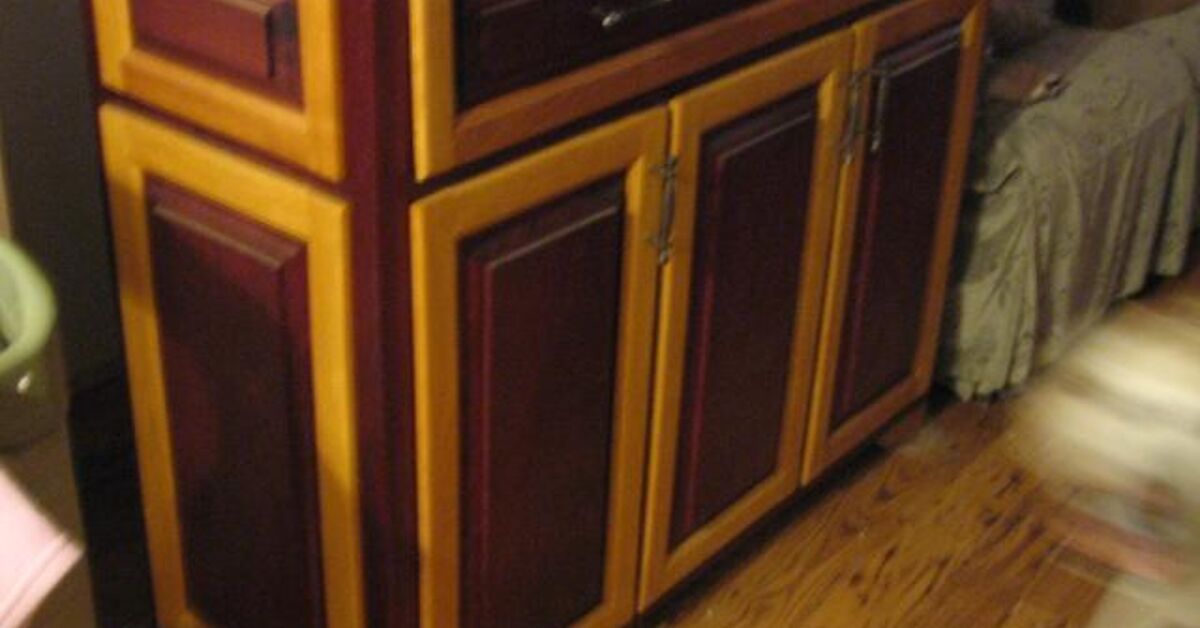
A purple heart and birch cabinet is not the kind of furniture that quietly clears its throat and asks permission to exist. It walks into a room wearing a tailored linen jacket, purple socks, and just enough confidence to make plain white storage feel like it has been underachieving. By combining the dramatic violet tone of purpleheart wood with the clean, pale warmth of birch, this cabinet style creates a balance between art piece and practical storage.
In woodworking, contrast is everything. Too much bold color can feel loud. Too much neutral wood can feel safe, polite, and slightly sleepy. Purpleheart and birch solve that problem together. Purpleheart brings the jewel-box drama; birch brings calm, brightness, and everyday usability. The result is a cabinet that can work in a modern kitchen, a creative studio, a dining room, a home office, or even a boutique-style retail display.
This guide explores what makes a purple heart and birch cabinet special, how the two woods behave, where the design works best, and what homeowners, designers, and woodworkers should know before choosing this eye-catching combination.
What Is a Purple Heart and Birch Cabinet?
A purple heart and birch cabinet is a cabinet built with birch as the main structural or visual wood and purpleheart used as an accent, trim, panel, inlay, handle detail, drawer pull, edge banding, or decorative feature. In some custom builds, purpleheart may be used for entire doors or drawer fronts, but because it is dense, expensive, and visually powerful, it is often more effective in smaller doses.
Think of birch as the canvas and purpleheart as the signature brushstroke. Birch offers a light cream, pale yellow, or subtle reddish tone with a fine, even grain. Purpleheart, also known as purple heart wood or Peltogyne, is famous for its natural purple color. Freshly cut boards may look dull brown or grayish at first, then shift toward a vivid violet after exposure to air and light. Over time, the color may darken toward a deeper purplish brown.
Together, these woods create a cabinet that feels natural but not ordinary. It is not painted purple. It is not trying to fake personality with a trendy surface wrap. The color comes from the wood itself, which is part of the charm.
Why Purpleheart Works So Well with Birch
Color Contrast That Feels Intentional
Birch is light, clean, and visually flexible. It works with Scandinavian interiors, mid-century modern rooms, minimalist kitchens, and warm contemporary spaces. Purpleheart, on the other hand, is bold and rare-looking. When placed next to birch, the purple tone becomes even more noticeable because the pale background lets it shine.
This contrast is especially useful in cabinet design. Purpleheart can outline drawer fronts, highlight vertical stiles, frame open shelving, or create a thin reveal between cabinet doors. A small strip of purpleheart can make a simple birch cabinet look custom, handmade, and expensive without turning the entire piece into a purple monument.
Strength Meets Stability
Purpleheart is a very hard and dense tropical hardwood. It is valued for strength, durability, and resistance to wear. Birch, especially yellow birch and quality birch plywood, is also strong enough for cabinetry, furniture, shelving, and interior storage projects. When used thoughtfully, birch can carry the structure while purpleheart handles visual emphasis and high-touch details.
For example, a cabinetmaker might use birch plywood for the cabinet box, solid birch for face frames, and purpleheart for drawer pulls or door edging. This keeps the cabinet practical, lighter than an all-purpleheart build, and easier to fabricate while still giving the final piece a memorable design identity.
Best Design Ideas for a Purple Heart and Birch Cabinet
1. Birch Cabinet with Purpleheart Drawer Pulls
This is one of the most elegant ways to use the combination. Instead of adding metal hardware, the cabinet can feature long purpleheart pulls shaped into slim bars, recessed finger pulls, or small geometric knobs. Against a pale birch drawer front, the purple handles look refined and intentional.
This approach works well in kitchens, media cabinets, bathroom vanities, and office storage. It also solves the common problem of hardware looking too shiny or too generic. Purpleheart pulls feel warmer than metal and more distinctive than standard wood knobs.
2. Purpleheart Edge Banding on Birch Plywood
Birch plywood is popular for cabinet boxes because it offers strength, layered stability, and a smooth surface. The exposed plywood edge can be attractive on its own, but adding purpleheart edge banding gives the cabinet a more polished, designer-level finish.
Imagine open birch shelves with thin purple lines along the front edges. The look is subtle from across the room and surprisingly beautiful up close. It is the woodworking equivalent of a well-chosen pocket square.
3. Two-Tone Cabinet Doors
For a more dramatic cabinet, use birch for the door frame and purpleheart for a center panel, or reverse the idea with a birch center panel framed by purpleheart rails and stiles. This style works especially well for a bar cabinet, display cabinet, record cabinet, or statement sideboard.
The key is proportion. Purpleheart is visually strong, so it does not need to dominate every square inch. A balanced layout lets the wood feel luxurious instead of overwhelming.
4. Purpleheart Inlay on Birch Surfaces
Inlay is ideal for people who want something custom without making the cabinet look busy. Thin purpleheart lines can be set into birch doors, drawer fronts, side panels, or tabletops. Popular patterns include vertical pinstripes, border frames, chevrons, small geometric grids, or one asymmetrical accent line.
On a minimalist birch cabinet, a purpleheart inlay can create just enough motion to keep the design from feeling flat. It also gives the cabinet a handmade quality that mass-produced furniture rarely achieves.
Where This Cabinet Style Works Best
Modern Kitchens
A purple heart and birch cabinet can work beautifully in a modern kitchen when used with restraint. Birch cabinet boxes or flat-panel doors create a clean foundation, while purpleheart pulls, toe-kick accents, or open-shelf edges add personality. Pair the cabinet with matte white countertops, black fixtures, or brushed stainless appliances for a crisp, contemporary look.
Creative Studios and Home Offices
This wood combination feels especially appropriate in creative spaces. A birch storage cabinet with purpleheart details can hold art supplies, files, tools, audio equipment, or books while still looking inspiring. It says, “Yes, this room has storage,” but also, “No, we are not storing our imagination in a beige box.”
Dining Rooms and Display Areas
For a dining room sideboard or display cabinet, purpleheart adds a refined, gallery-like accent. Glass doors, birch interiors, and purpleheart framing can make dishes, ceramics, or collectibles feel more curated. Warm lighting can enhance the depth of both woods, especially if the finish has a soft satin sheen.
Bathrooms and Vanities
Birch plywood can be a smart choice for vanities when properly sealed, and purpleheart accents can make a small bathroom feel custom. However, bathrooms need careful finishing because moisture is not polite. Every edge, joint, and end grain area should be sealed thoroughly to reduce movement and water damage.
Important Wood Properties to Know
Purpleheart Is Hard and Dense
Purpleheart is much harder than many common cabinet woods. That makes it excellent for details that get touched often, such as pulls, edges, and decorative strips. It can resist dents and wear, but that hardness also means it can be tougher on tools. Sharp blades, careful feed rates, and patience are important when cutting or shaping it.
Because purpleheart can burn if overheated during machining, cabinetmakers often use sharp cutters and avoid lingering too long in one spot while routing or sanding. If the wood starts smelling like the tool is losing an argument, it is time to slow down and check the setup.
Birch Is Practical and Cabinet-Friendly
Birch is widely used in cabinets because it is strong, relatively affordable compared with many premium hardwoods, and suitable for plywood panels. It has a fine grain and takes paint well when properly prepared. When stained, however, birch may absorb color unevenly, so a wood conditioner or careful finishing schedule can help prevent blotching.
For cabinet boxes, birch plywood is often preferred over lower-grade particleboard in projects where durability, screw-holding ability, and long-term performance matter. It is still important to choose quality material. Cabinet-grade plywood with fewer voids and a smooth face will produce a cleaner, stronger result.
Finishing a Purple Heart and Birch Cabinet
Protecting the Purple Color
The most fascinating thing about purpleheart is also the thing that can surprise new owners: its color changes. A freshly worked piece may appear muted, then brighten after exposure. Later, with long-term light exposure, it may deepen or brown. This is natural, not a defect.
To help preserve the purple tone, many woodworkers prefer clear film finishes with UV resistance. Water-based finishes may help maintain a cleaner, less amber tone than oil-heavy finishes, which can warm and darken the wood. No finish can freeze natural wood color forever, but the right finish can slow the change.
Keeping Birch Bright
Birch looks best when the finish supports its natural brightness. Clear water-based polyurethane, conversion varnish, or other durable clear coats can protect the surface without making it too yellow. For a warmer look, oil-based finishes can add amber tones, but they may reduce the crisp contrast between birch and purpleheart.
If the cabinet is going into a kitchen or bathroom, durability matters more than romance. A finish should resist moisture, fingerprints, cleaning products, and the occasional mysterious splash that no one in the household admits causing.
Satin Is Usually the Sweet Spot
A satin finish often works best for this combination. Gloss can make purpleheart look flashy and highlight every tiny scratch. Matte can feel modern but may dull the depth of the purple. Satin sits comfortably in the middle, offering a soft glow while keeping the cabinet easy to live with.
Construction Tips for Woodworkers
Use Birch for the Cabinet Structure
For most projects, birch plywood is the logical choice for the cabinet box. It is stable, available, and easier to handle than solid purpleheart. Use solid birch or birch veneer for visible frames and panels when a natural wood look is desired.
Use Purpleheart as an Accent
Purpleheart shines in accents. Consider it for pulls, edging, inlay, splines, door rails, drawer dividers, or shelf lips. This reduces cost and weight while maximizing visual impact. It also makes the cabinet easier to repair later because small accent parts can often be refinished or replaced more easily than full panels.
Plan for Wood Movement
Solid wood expands and contracts with seasonal humidity changes. Plywood is more stable, but solid purpleheart and birch parts still need thoughtful joinery. Floating panels, proper clearances, and well-designed fastening methods help prevent cracking or warping. A cabinet should not be built like a wooden brick with dreams of revenge.
Test the Finish First
Always test the full finishing process on scrap pieces of both woods. Purpleheart and birch react differently to finishes. A clear coat that looks perfect on birch may darken purpleheart more than expected. A test board is cheaper than regret, and it does not silently judge you from the corner of the kitchen.
How to Style a Purple Heart and Birch Cabinet
Because the wood combination is already expressive, surrounding materials should support rather than compete with it. White walls, soft gray tile, black hardware, brushed nickel, matte brass, concrete, and simple stone surfaces can all work well. Avoid adding too many strong colors nearby unless the room is intentionally eclectic.
For a Scandinavian-inspired look, pair birch cabinet doors with very thin purpleheart pulls and light flooring. For a mid-century style, use tapered legs, sliding doors, and purpleheart inlay. For a luxury contemporary style, combine slab birch fronts with purpleheart vertical reveals and a dark stone countertop.
Lighting also matters. Under-cabinet LEDs or warm display lighting can bring out the purpleheart tone and make birch look soft rather than flat. Direct sunlight, however, may accelerate color change, so placement should be considered carefully.
Maintenance and Care
A purple heart and birch cabinet does not require fussy care, but it does benefit from good habits. Wipe spills quickly, especially near sinks, coffee stations, and bathroom vanities. Use a soft cloth and mild cleaner rather than harsh abrasives. Avoid placing the cabinet where strong sunlight hits the same area every day, unless you are comfortable with gradual color changes.
For high-touch purpleheart handles, occasional cleaning will keep oils from hands from dulling the surface. If the finish becomes worn after years of use, a professional refinishing can refresh the cabinet and bring back much of its original character.
Is a Purple Heart and Birch Cabinet Worth It?
For anyone who wants a cabinet that feels custom, artistic, and natural, the answer is yes. It is especially worth considering if you love wood as a material and want something more personal than standard painted cabinetry. The combination offers warmth, contrast, durability, and a story.
It may not be the cheapest cabinet option, especially if purpleheart is used heavily. It may also require a skilled woodworker who understands dense hardwoods and careful finishing. But when done well, a purple heart and birch cabinet becomes more than storage. It becomes a focal point.
Personal Experience and Practical Lessons from Purple Heart and Birch Cabinet Projects
Working with or owning a purple heart and birch cabinet teaches a few lessons that do not always show up in glossy design photos. The first lesson is that scale matters. A tiny purpleheart detail can look elegant; a giant purple slab can look like the cabinet is auditioning for a fantasy movie. The best projects usually use purpleheart like seasoning, not soup.
One memorable approach is a simple birch side cabinet with three drawers, open shelving, and purpleheart pulls. On paper, that sounds almost too basic. In person, it works because the birch keeps the piece calm while the purple pulls give every drawer a little spark. Guests notice it, but they do not feel attacked by it. That is a win in furniture design.
The second lesson is that finish samples are not optional. Birch and purpleheart can look completely different under the same clear coat. A finish that keeps birch pale may make purpleheart look cooler and more modern. An oil-based finish may add richness but can also push the birch toward yellow and the purpleheart toward a darker wine color. Neither result is wrong, but surprises are better at birthday parties than on finished cabinet doors.
The third lesson is that purpleheart changes. Some owners expect the color to stay exactly as it looked on day one, but wood is not a plastic sample chip. It responds to light, air, time, and finish. In real rooms, the purple can deepen, soften, or brown slightly over the years. Many people come to appreciate that change because it makes the cabinet feel alive. Others prefer to minimize it with UV-resistant finish and careful placement away from direct sun.
Another practical experience: birch interiors are wonderfully useful. A birch cabinet box with clear-coated shelves feels bright inside, so it is easier to find dishes, books, tools, or random batteries that somehow migrate into every storage space. Dark cabinet interiors can look luxurious, but they also turn missing measuring spoons into archaeological mysteries.
For DIY builders, the most satisfying version of this project is usually a birch plywood cabinet with purpleheart accents. It keeps the build manageable and lets the expensive wood go further. A single board of purpleheart can become pulls, edge strips, inlays, and decorative plugs. That gives the entire cabinet a custom look without requiring a heroic lumber budget.
For homeowners commissioning a custom piece, the best advice is to ask for physical samples. Photos can be misleading because purpleheart color varies by board, lighting, camera settings, and finish. Seeing birch and purpleheart together in the actual room helps confirm whether the contrast feels bold, elegant, playful, or too strong.
Finally, a purple heart and birch cabinet tends to age well because it is not based on a disposable trend. It uses natural materials, honest contrast, and thoughtful craftsmanship. The cabinet can feel modern today and still interesting years later. That is the quiet power of good wood design: it does not need to shout forever. Sometimes it just stands there, stores your plates, and looks better than it has any right to.
Conclusion
A purple heart and birch cabinet is a smart choice for anyone who wants storage with personality, craftsmanship, and natural beauty. Birch provides the practical foundation: light color, strength, workability, and cabinet-friendly versatility. Purpleheart adds rare color, hardness, and a dramatic accent that can transform a simple cabinet into a memorable design feature.
The best results come from balance. Use birch for structure and brightness. Use purpleheart for contrast and detail. Choose a finish that protects both woods while respecting their natural character. With thoughtful design, this cabinet combination can feel elegant, playful, durable, and completely unique.














