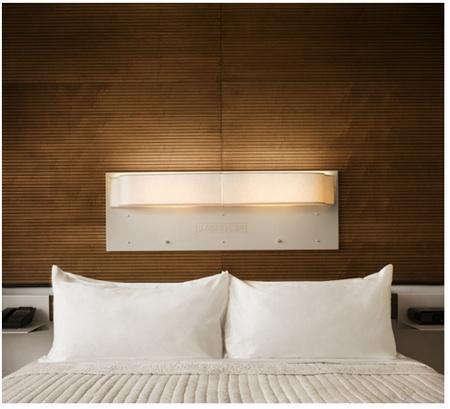
A queen standard coverlet is the quiet overachiever of bedroom styling. It does not arrive with the dramatic fluff of a comforter, nor does it demand the historical respect of a handmade quilt. Instead, it slips onto the bed, smooths everything out, adds texture, and makes the room look like an adult lives thereeven if the nightstand is currently holding three water glasses, a phone charger, and a book you swear you are “almost done” reading.
In simple terms, a queen standard coverlet is a lightweight decorative bed covering made to fit a queen-size mattress. It is often used as the top layer of the bed, folded at the foot for texture, or layered beneath a duvet or comforter when the weather gets cooler. For many homes, it is the perfect middle ground: more polished than a throw blanket, lighter than a comforter, and easier to wash than bulky bedding that behaves like a wet sofa cushion in the laundry room.
This guide explains what a queen standard coverlet is, how it differs from quilts and bedspreads, what size to buy, which materials work best, how to style it, and how to keep it looking fresh. Whether you want a crisp hotel-style bed, a relaxed coastal bedroom, or a cozy guest room that says “welcome” instead of “we found this blanket in the garage,” the right coverlet can do a lot of heavy lifting.
What Is a Queen Standard Coverlet?
A coverlet is a lightweight bed covering designed to sit on top of sheets, blankets, or other bedding layers. Unlike a thick comforter, it usually has little to no lofty fill. Unlike many traditional quilts, it is often thinner and more flexible. And unlike a bedspread, it usually does not reach all the way to the floor. That makes it one of the most versatile pieces in the bedding family.
The word “queen” refers to the mattress size it is intended to cover. A standard queen mattress is typically 60 inches wide by 80 inches long, so a queen coverlet must be larger than the mattress to create an attractive drape over the sides and foot of the bed. Most queen coverlets fall somewhere around 90 to 100 inches wide and 90 to 100 inches long, though exact dimensions vary by brand, style, and whether the item is labeled “queen” or “full/queen.”
The “standard” part is important because not all queen beds are styled the same way. A low platform bed may look great with a smaller queen coverlet, while a tall mattress with a pillow top may need extra width and length. If your bed has a thick mattress, a mattress topper, or you prefer more overhang, always check the measurements before buying. Bedding labels are helpful, but a tape measure is still the undefeated champion of preventing buyer’s regret.
Queen Coverlet vs. Quilt vs. Bedspread vs. Comforter
Bedding terms are often used interchangeably, which is why shopping for a simple bed cover can suddenly feel like studying for a textile law exam. Here is the practical difference.
Coverlet
A coverlet is usually lightweight, decorative, and sized to cover the top of the bed with some drape. It works well as a summer blanket, a polished top layer, or a folded accent at the foot of the bed. Cotton matelassé coverlets are especially popular because they add woven texture without heavy bulk.
Quilt
A quilt typically has three layers: a top fabric, a middle batting layer, and a backing fabric stitched together. Quilts can be thin or warm depending on the batting and construction. They often have visible stitching patterns and may feel more substantial than a coverlet.
Bedspread
A bedspread is generally larger than a coverlet and is designed to reach close to the floor. It creates a traditional, fully covered look and can hide the bed frame, box spring, and under-bed storage. Yes, that means it can hide the storage bins full of “seasonal decor” that somehow include one lonely extension cord.
Comforter
A comforter is thicker and filled for warmth. It is usually the main insulating layer on the bed. Comforters are great for colder seasons, but they may be too warm or bulky for hot sleepers, small laundry machines, or anyone who prefers a sleeker bed profile.
Common Queen Standard Coverlet Sizes
Queen coverlet measurements vary, but many queen or full/queen coverlets measure around 90 x 90 inches, 92 x 96 inches, 96 x 96 inches, or 96 x 98 inches. Larger queen bedspreads may be closer to 102 x 115 inches because they are meant to hang farther down the sides of the bed.
For the average queen mattress, a coverlet between 92 and 98 inches wide usually provides a balanced drape. If your mattress is 12 inches high, a 96-inch-wide coverlet gives about 18 inches of total extra width on each side after covering the 60-inch mattress top. If your mattress is extra deep, you may want a wider coverlet or a bedspread-style option.
A good rule of thumb is to measure three things before buying: the mattress width, the mattress length, and the mattress height. Add the desired side drop to the width and the desired foot drop to the length. For example, if your queen mattress is 60 inches wide and you want about 16 inches of drape on each side, look for a coverlet around 92 inches wide or larger. If you want a more dramatic hotel look, go larger.
Best Materials for a Queen Standard Coverlet
The best material depends on how you sleep, how you style your room, and how much laundry patience you were blessed with. Some coverlets are cool and crisp. Others are soft and cozy. Some look elegant but require more careful care. Here are the most common options.
Cotton Coverlets
Cotton is one of the most popular materials for queen coverlets because it is breathable, washable, and comfortable in many climates. A 100% cotton coverlet works well for year-round use, especially when layered with sheets and blankets. Cotton matelassé coverlets offer a textured, slightly quilted appearance without the puffiness of a thick comforter.
Matelassé Coverlets
Matelassé is a weaving technique that creates a raised, textured pattern. It can look quilted even when it does not contain traditional batting. This style is ideal for people who want a classic, tailored bed with visual interest. Matelassé coverlets are commonly found in white, ivory, gray, navy, and soft neutral colors, making them easy to pair with many bedroom styles.
Linen and Cotton-Linen Blends
Linen has a relaxed, airy feel and becomes softer over time. A linen or cotton-linen coverlet can be excellent for warm climates, casual bedrooms, and anyone who likes that “effortlessly rumpled but still expensive-looking” style. Linen wrinkles, but that is part of its charm. Calling it “texture” is the secret.
Microfiber and Polyester Coverlets
Microfiber coverlets are usually budget-friendly, lightweight, and easy to care for. They may resist wrinkles better than natural fibers and often come in many colors and patterns. However, they may not feel as breathable as cotton or linen, so hot sleepers may prefer natural fibers.
Velvet, Chenille, and Decorative Fabrics
Decorative coverlets made from velvet, chenille, or jacquard fabrics can add richness and depth to a bedroom. They are great for guest rooms, formal bedrooms, or seasonal styling. Just check the care label carefully, because some decorative fabrics are not as easy to wash at home.
How to Choose the Right Queen Standard Coverlet
Choosing a coverlet is not just about grabbing the first “queen” label you see. The best option should match your bed height, sleep style, room design, and care preferences.
1. Check the Exact Dimensions
Do not rely on size names alone. One queen coverlet may measure 90 x 90 inches, while another may be 96 x 98 inches. Both can be sold as queen size, but they will look different on the same bed. If you want the coverlet to hang neatly over the sides, measure first.
2. Think About Mattress Depth
Modern mattresses are often deeper than older ones, especially if they include pillow tops or foam toppers. A coverlet that looks generous on an 8-inch mattress may look a bit stingy on a 15-inch mattress. If your mattress is tall, consider a larger queen, oversized queen, or full/queen coverlet with generous dimensions.
3. Choose a Weight for Your Climate
For hot sleepers or warm climates, a breathable cotton or linen coverlet can work beautifully as the main top layer. For cooler rooms, use the coverlet as part of a layered bed with a blanket, quilt, or duvet. The beauty of a coverlet is that it can adapt without turning your bed into a marshmallow fortress.
4. Match the Texture to Your Room Style
A smooth cotton coverlet feels clean and minimal. A matelassé coverlet adds classic texture. A waffle weave feels relaxed and modern. A velvet coverlet adds drama. Your coverlet should support the room’s mood, whether that mood is “coastal weekend,” “boutique hotel,” or “I finally stopped using the old college blanket.”
5. Consider Washability
Machine-washable coverlets are practical for everyday bedrooms, homes with pets, kids, guests, or snack-in-bed enthusiasts. If the label says dry clean only, decide honestly whether you will follow that instruction. Bedding should fit your real life, not the fantasy version of yourself who owns a garment steamer and never spills coffee.
How to Style a Queen Standard Coverlet
A queen standard coverlet can completely change the look of a bed without requiring a full bedroom makeover. It adds structure, color, and texture while keeping the bed easy to make in the morning.
The Clean Hotel Look
For a hotel-inspired bed, use white sheets, a white or ivory queen coverlet, and two to four pillows in crisp shams. Pull the coverlet all the way up, tuck the sides if the bed frame allows it, and fold the top edge down slightly to reveal the sheets. This look works especially well with cotton matelassé because the texture keeps the white bedding from looking flat.
The Layered Cozy Look
Place the coverlet over your sheets, then fold a duvet or comforter at the foot of the bed. This creates a plush, inviting look without making the entire bed too heavy. It is perfect for transitional seasons when the weather cannot decide what personality it wants to have.
The Casual Folded Accent
If you already use a duvet as your main layer, fold a queen coverlet into thirds and place it across the foot of the bed. This adds color and texture while giving you an extra layer for chilly nights. It also makes the room look styled with very little effort, which is the dream.
The Guest Room Formula
For a guest room, use a washable queen coverlet, two sleeping pillows, two shams, and one decorative pillow. Keep the colors neutral and add a throw blanket for warmth. Guests appreciate bedding that looks fresh, feels comfortable, and does not require an instruction manual to get under.
Best Colors for Queen Coverlets
Color affects how the entire room feels. White and ivory queen coverlets create a clean, timeless look and pair well with almost any sheet set. Gray is modern and forgiving, especially in busy households. Navy, forest green, terracotta, and charcoal add depth without being too loud. Soft blue, sage, blush, and beige work well for calm, airy bedrooms.
If your bedroom already has patterned curtains, rugs, or wallpaper, a solid coverlet may be the safest choice. If the room is mostly neutral, a patterned or textured coverlet can become the focal point. The goal is balance. Your bed should look interesting, not like every pattern in the store held a meeting and refused to leave.
Queen Standard Coverlet Care Tips
Most cotton and cotton-blend coverlets can be machine washed, but always read the care label. A typical care routine may include washing in cold water on a gentle cycle, using mild detergent, avoiding bleach unless the label allows it, and tumble drying on low. Remove the coverlet while slightly damp to reduce wrinkles, then smooth it over the bed or finish drying flat if needed.
For linen coverlets, gentle washing and low heat help preserve the fibers. For delicate decorative fabrics, dry cleaning may be recommended. Avoid overloading the washing machine, because a queen coverlet needs room to move. If your machine is small, a laundromat’s large-capacity washer may be the safer choice.
To keep a coverlet fresh between washes, shake it out regularly, rotate it seasonally, and avoid eating aggressively crumbly snacks in bed. A few crumbs are human. A full trail of crackers is a lifestyle choice.
Who Should Buy a Queen Standard Coverlet?
A queen standard coverlet is a smart choice for anyone who wants a lighter, cleaner, more flexible bedding layer. It is especially useful for hot sleepers, guest rooms, layered beds, warm climates, rental homes, and bedrooms that need a quick style upgrade.
It is also a good option if you like changing your bedroom look without buying a new mattress, bed frame, or entire furniture set. A new coverlet can shift the room from winter cozy to summer fresh, from farmhouse to modern, or from “temporary setup” to “intentional design.”
Common Mistakes to Avoid
The first mistake is buying a coverlet without checking dimensions. The second is choosing a fabric that does not match your lifestyle. A delicate dry-clean-only coverlet may look beautiful, but it may not be ideal for a bed shared with a shedding dog, a toddler, or a partner who treats bedtime tea like an extreme sport.
Another mistake is ignoring texture. A flat room needs texture to feel finished. If your bedding, walls, and furniture are all smooth and neutral, a matelassé, waffle, or quilted-look coverlet can add the missing layer. Finally, avoid choosing a coverlet that is too small for a tall mattress. A short side drop can make even expensive bedding look awkward.
Is a Queen Standard Coverlet Worth It?
Yes, a queen standard coverlet is worth it if you want bedding that is practical, stylish, and flexible. It can serve as a lightweight blanket, a decorative bed topper, a seasonal layer, or a guest-room essential. It is easier to handle than many comforters and often more polished than a basic blanket.
The best queen coverlet is not necessarily the most expensive one. It is the one that fits your mattress, feels comfortable against your skin, matches your room, and survives your laundry habits. When those boxes are checked, a coverlet becomes one of the hardest-working pieces in the bedroom.
Real-Life Experiences With a Queen Standard Coverlet
Living with a queen standard coverlet is when you start to understand why designers love them. The first thing most people notice is how much easier the bed is to make. A comforter can be bulky, lumpy, and dramatic in the morning, as if it had a difficult night emotionally. A coverlet is simpler. Pull it up, smooth it out, arrange the pillows, and the bed looks presentable in under a minute.
In a primary bedroom, a cotton queen coverlet can make the space feel cleaner and calmer. White or ivory versions create that fresh hotel feeling, especially when paired with crisp sheets and simple pillow shams. The room looks brighter, and the bed becomes less visually heavy. This is especially helpful in smaller bedrooms where a giant comforter can overwhelm the space.
For hot sleepers, the difference can be even more noticeable. A lightweight coverlet provides enough coverage to feel comfortable without trapping too much heat. During summer, it may be all you need over a top sheet. During spring and fall, it works well with a light blanket underneath. In winter, it can sit under a duvet or over one for added texture. That flexibility is one of the biggest reasons people keep using coverlets after trying them once.
Guest rooms also benefit from queen coverlets. Guests have different sleeping preferences, and a coverlet makes layering easy. You can place a blanket in the closet or fold a throw at the end of the bed, allowing guests to adjust warmth without wrestling with heavy bedding. A washable coverlet also makes turnover easier after visitors leave. Strip the sheets, wash the coverlet when needed, reset the bed, and the room looks welcoming again.
Pet owners often appreciate coverlets because many styles are easier to wash than thick comforters. A tightly woven cotton or matelassé coverlet can handle everyday use better than delicate bedding, though darker colors or textured patterns may hide pet hair more forgivingly than bright white. Of course, if your dog believes the queen bed is legally theirs, no coverlet can solve the ownership dispute. It can only make the takeover look more stylish.
One practical experience worth mentioning is shrinkage. Natural-fiber coverlets may shrink slightly after washing, depending on the fabric and construction. That is why generous sizing matters. If you are choosing between two sizes and your mattress is tall, the larger option may create a better finished look after laundering. Washing in cold water and drying on low heat can help preserve the shape and texture.
Another everyday advantage is seasonal decorating. Instead of changing the entire room, you can swap the coverlet. A white cotton coverlet feels fresh in summer. A camel, olive, navy, or rust coverlet adds warmth in fall. A textured gray or cream coverlet works beautifully in winter with heavier throws and layered pillows. The bed becomes the easiest part of the room to update, which is great news for anyone who likes change but does not want to repaint walls every three months.
Overall, the queen standard coverlet earns its place because it combines comfort, style, and common sense. It is not fussy. It does not require a design degree. It simply makes the bed look better and work harder. That is a rare thing in home decor: an item that looks elegant, behaves practically, and does not ask for applause.
Conclusion
A queen standard coverlet is one of the most useful bedding pieces you can own. It offers lightweight comfort, polished style, easy layering, and everyday practicality. The key is choosing the right size, fabric, texture, and care routine for your actual bed and lifestyle. Measure your mattress, consider your climate, choose a material that feels good, and let the coverlet do what it does best: make your bedroom look finished without making your life more complicated.