
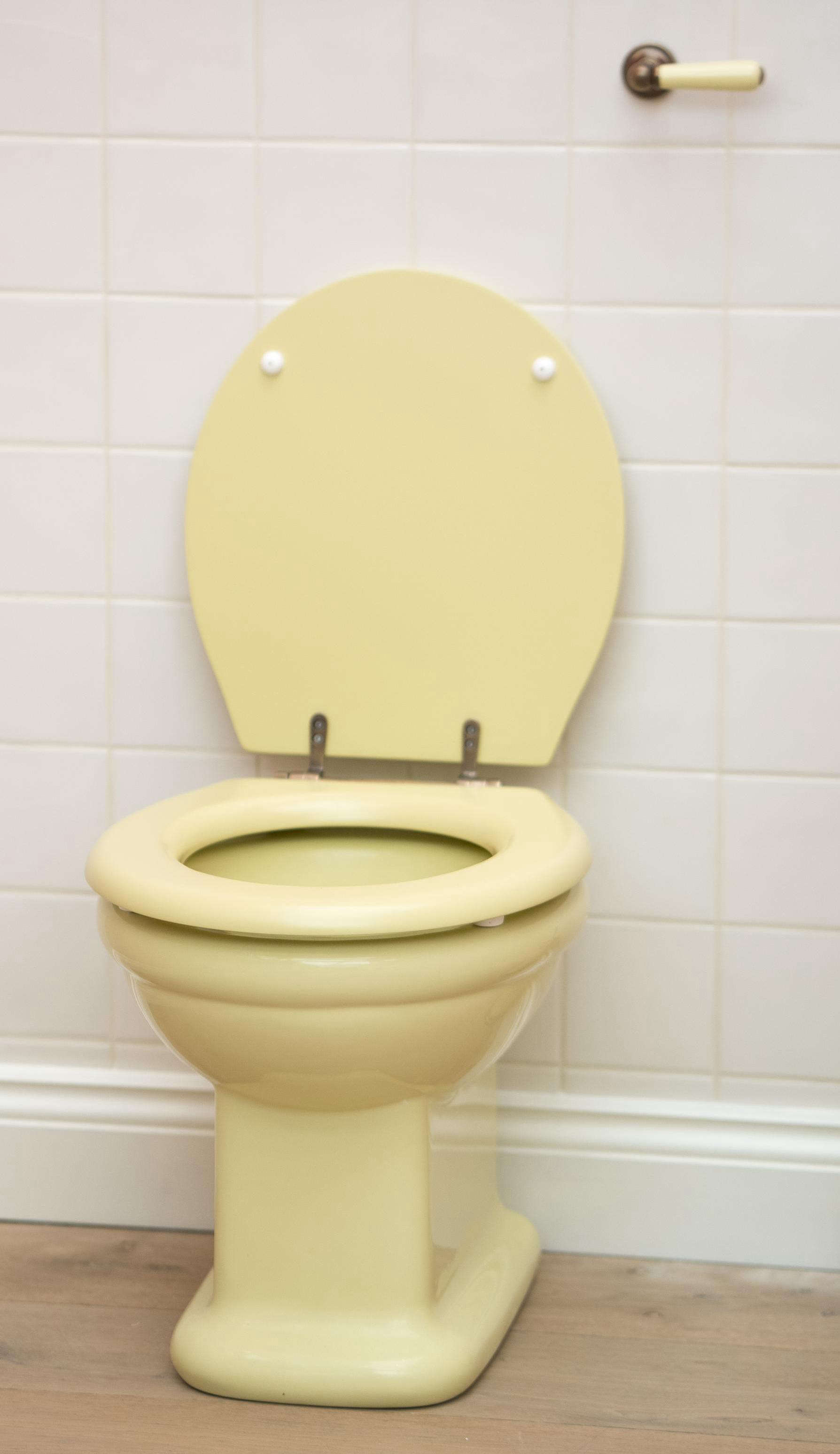
The Rockwell Lavatory with Concealed Cistern is the kind of bathroom fixture that quietly walks into a room wearing a tailored suit, vintage sunglasses, and just enough confidence to make plain white toilets feel underdressed. It blends the charm of traditional English bathroomware with the clean, architectural look of a hidden tank system. In American terms, this “lavatory” is best understood as a toilet pan or water closet, not a sink. The cistern, or toilet tank, is concealed inside the wall or a built-out service cavity, leaving the Rockwell pan visible as the star of the show.
That pairing is the magic: classic curves in front, modern plumbing hidden behind. The result is a bathroom that feels more intentional, less cluttered, and more custom than the average two-piece toilet setup. Whether used in a powder room, boutique hospitality restroom, historic home renovation, or color-forward family bathroom, the Rockwell Lavatory with Concealed Cistern offers a rare mix of personality and practicality.
Still, this is not a “grab it from the shelf and install it before lunch” toilet. It needs planning, compatible plumbing, room for access, and a clear understanding of water consumption rules in your location. Choose it wisely, and it can become a charming focal point. Choose it casually, and your contractor may stare into the wall cavity like it owes them money.
What Is the Rockwell Lavatory with Concealed Cistern?
The Rockwell Lavatory with Concealed Cistern is a back-to-wall toilet pan designed to work with a cistern that is hidden from view. Instead of placing a visible tank directly behind or above the bowl, the system keeps the flushing mechanism inside a wall, furniture unit, or service space. Only the pan, seat, flush handle or flush plate, and finished wall surface remain visible.
The Rockwell design is part of a broader collection known for rounded silhouettes, bold curves, and soft color options. Common finishes include Snowdrop white, Powder blue, Willow green, and Sherbet yellow. These shades give the toilet a playful but polished look, especially when matched with a painted wooden seat and coordinating flush hardware.
Unlike many ultra-modern wall-hung toilets, the Rockwell pan keeps a grounded, traditional presence. It sits on the floor and has the friendly shape of vintage sanitaryware, but the hidden cistern gives it a cleaner profile. This makes it especially useful in interiors that want old-house warmth without exposed plumbing clutter.
Why Conceal the Cistern?
A concealed cistern hides the toilet tank and associated working parts behind the finished wall. This creates a slimmer visual line, reduces exposed surfaces, and makes the bathroom feel more designed. In small bathrooms, the effect can be surprisingly powerful. A visible cistern can make the wall look busy; a concealed cistern lets tile, paint, paneling, or wallpaper take center stage.
For the Rockwell Lavatory, this hidden-tank setup also sharpens the contrast between traditional ceramic form and modern installation. It is a smart option when you want a period-inspired toilet without the height of a high-level cistern or the bulk of a close-coupled tank.
Design Benefits
The biggest design benefit is visual calm. With the tank hidden, the back wall becomes a smooth backdrop. This is excellent for patterned wallpaper, handmade tile, beadboard, plaster, or painted wainscoting. The Rockwell pan then reads almost like a sculptural piece rather than just a bathroom necessity.
Color is another strength. A Snowdrop white Rockwell toilet can feel timeless and quiet, while Powder blue, Willow green, or Sherbet yellow can make the same space feel joyful and boutique. A yellow toilet may sound daring on paper, but in the right powder room it behaves like a wink rather than a shout.
Cleaning Benefits
Concealed cistern toilets can also simplify cleaning because there is less exposed tank surface to dust, wipe, and maneuver around. A back-to-wall pan reduces gaps where grime can collect. This does not mean the toilet cleans itself, unfortunately; science has not yet gifted us that miracle. But fewer awkward corners usually make weekly maintenance easier.
Key Product Details and Specifications
The Rockwell concealed-cistern pan has a traditional elongated bowl shape and is produced in a classic ceramic style. Manufacturer specifications list a depth of about 545 mm, which is approximately 21.5 inches. The rim height is about 400 mm, or roughly 15.75 inches before adding the seat. The outlet size is listed at 102 mm, close to 4 inches, and the inlet connection is 1/2 inch.
The product information also notes a recommended minimum concealed cistern height of 850 mm from the finished floor to the top of the cistern. That is important because the tank cannot simply be squeezed wherever there is a mysterious empty space behind the wall. It must be placed where gravity, service access, flush performance, and installation requirements all agree to cooperate.
Water consumption is listed at 6 liters per flush, which is approximately 1.585 U.S. gallons. In the United States, many modern toilets are evaluated against 1.28 gallons per flush WaterSense performance standards, while 1.6 gallons per flush remains a familiar maximum benchmark in many code discussions. Because local rules can vary, especially in states and municipalities with stricter water-efficiency requirements, U.S. buyers should verify the current U.S. specification sheet, local plumbing code, and project approval requirements before ordering.
Rockwell Lavatory Colors and Style Options
The Rockwell Lavatory with Concealed Cistern is not trying to disappear completely. Yes, the cistern hides, but the pan itself has character. The available colors are a major part of the appeal.
Snowdrop White
Snowdrop white is the safest and most flexible choice. It works in traditional bathrooms, transitional remodels, and clean modern interiors. If you want the Rockwell shape without committing to color, white is the calm, dependable option. It pairs beautifully with polished nickel, chrome, brass, marble, subway tile, and painted paneling.
Powder Blue
Powder blue feels nostalgic without becoming childish. It works especially well with warm white walls, checkerboard floors, unlacquered brass, and vintage-inspired lighting. In a guest bath, it can create a memorable moment without overwhelming the entire room.
Willow Green
Willow green brings a quiet garden-room mood. It is a strong choice for bathrooms with natural stone, botanical wallpaper, oak vanities, or aged brass fittings. Green bathroom fixtures are having a well-earned comeback because they feel fresh, organic, and more personal than standard white.
Sherbet Yellow
Sherbet yellow is the extrovert of the group. It is cheerful, retro, and surprisingly elegant when handled with restraint. Pair it with white tile, pale walls, or deep green accents, and it becomes a statement piece. Pair it with too many loud finishes, and the room may start auditioning for a 1970s cereal commercial. Balance is the secret.
Where This Fixture Works Best
The Rockwell Lavatory with Concealed Cistern works best in bathrooms where design matters as much as function. It is a natural fit for powder rooms, where guests notice every detail. It also suits boutique hotels, restaurants, design studios, and restored homes where standard builder-grade fixtures would feel out of place.
In small bathrooms, the concealed cistern can help create a tidier wall line. The pan itself is not invisible, but the absence of a visible tank reduces bulk. In a narrow room, that cleaner visual plane can make the space feel less chopped up.
For family bathrooms, the Rockwell can work beautifully, but durability planning matters. Colored ceramics, painted seats, and decorative flush handles need thoughtful care. If the room is used by children, guests, pets, and one mysterious person who somehow splashes water on the ceiling, choose finishes and cleaning habits accordingly.
Installation Considerations Before You Buy
A concealed cistern toilet is only as good as the planning behind it. The wall must be able to accommodate the tank, service access, water supply, flush mechanism, and waste outlet. Depending on the existing bathroom, this may require opening the wall, building a false wall, adjusting the drain line, or coordinating with a compatible concealed cistern system.
Access Is Non-Negotiable
Every concealed cistern needs service access. The most beautiful bathroom in the world becomes a very expensive puzzle if the fill valve needs attention and no one can reach it. Access may be through a flush plate, a removable panel, or a built-in service cavity. During planning, ask a licensed plumber exactly how future maintenance will happen. The answer should not involve a sledgehammer and nervous laughter.
Confirm Compatibility
The pan, cistern, flush mechanism, waste outlet, and wall construction must be compatible. Some concealed cisterns are designed for wall-hung toilets; others work with floor-mounted back-outlet pans. The Rockwell concealed-cistern version is a floor-mounted back-to-wall style, so it should be paired with the correct cistern type and set-out requirements.
Plan Clearances
Bathroom planning guidelines commonly recommend more space than the bare legal minimum. A comfortable layout should leave adequate clearance in front of the toilet and enough side space for sitting, cleaning, and general use. In compact powder rooms, every inch matters. Before ordering, measure the finished wall depth, door swing, vanity projection, baseboards, heating vents, and anything else that might compete for space.
Comfort and Accessibility
The Rockwell pan has a rim height of about 400 mm before the seat, which places it closer to a traditional standard-height toilet than many chair-height models. Once the seat is installed, the final sitting height will increase slightly, but buyers seeking ADA-style comfort height should check the final installed seat height carefully.
For residential use, standard height can be perfectly comfortable for many people, especially shorter adults and children. For aging-in-place projects, guest suites, or accessible bathrooms, a taller toilet may be preferable. This does not make the Rockwell a poor choice; it simply means the fixture should match the users, not just the mood board.
Water Efficiency and Performance
Water performance is one of the most important practical issues. The Rockwell concealed-cistern pan is specified at 6 liters per flush, roughly equivalent to 1.585 U.S. gallons. That is close to the traditional 1.6 gallons-per-flush standard, but it is higher than the 1.28 gallons-per-flush threshold associated with WaterSense-labeled tank-type toilets.
In everyday terms, this means the Rockwell may appeal more to design-led projects than to projects chasing maximum water savings or rebate eligibility. If your city, state, utility program, or green building standard requires WaterSense-labeled fixtures, confirm compliance before purchasing. Do not assume a beautiful toilet automatically satisfies local water rules. Beauty can open doors, but plumbing inspectors prefer paperwork.
Maintenance and Cleaning Tips
To keep the Rockwell Lavatory with Concealed Cistern looking its best, use non-abrasive cleaners on the ceramic surface and avoid harsh scouring pads that can dull the finish. Colored ceramics deserve extra care because scratches and residue may be more noticeable than on plain white surfaces.
For painted wooden seats, wipe with a soft damp cloth and mild soap. Avoid soaking the seat, using bleach-heavy cleaners, or leaving cleaning solution pooled around hinges. Wood and water can be friends in small doses, but they should not move in together unsupervised.
The concealed cistern should be inspected according to the manufacturer’s recommendations. If the flush weakens, runs continuously, or becomes noisy, the access panel or flush plate should allow a plumber to reach the working parts. Keep all product documentation, model numbers, and installation notes in a safe place. Future you will be grateful. Future you may even buy present you a coffee.
Rockwell vs. Standard Close-Coupled Toilets
A standard close-coupled toilet is simpler to install and usually easier to replace. The tank sits directly behind the bowl, all parts are visible, and many plumbers can service it quickly. It is the dependable pickup truck of toilet design.
The Rockwell Lavatory with Concealed Cistern is more like a restored classic car with modern brakes. It asks for more planning, but it delivers a more distinctive result. The hidden tank makes the room feel cleaner. The colored ceramic options create a stronger design statement. The traditional pan shape brings warmth that many modern concealed systems lack.
The tradeoff is cost, complexity, and compatibility. The fixture itself may cost more than a basic toilet, and installation can involve carpentry, wall finishing, plumbing coordination, and possibly imported parts or longer lead times. For a primary bathroom remodel, that may be worthwhile. For a quick rental refresh, probably not.
Buying Checklist
Before buying the Rockwell Lavatory with Concealed Cistern, confirm the exact model, finish, outlet configuration, cistern type, flush operation, seat selection, and local code requirements. Ask whether the seat and flush handle are included or sold separately. Confirm lead time, return policy, replacement part availability, and whether the product is stocked in your region.
Also ask your plumber to review the specification sheet before the order is placed. This is especially important if the bathroom already has a floor outlet, limited wall depth, concrete construction, or unusual framing. A good plumber can identify potential issues before the fixture arrives, which is much better than discovering them when the delivery box is sitting in your hallway like an expensive ceramic riddle.
Design Pairing Ideas
For a classic look, pair a Snowdrop white Rockwell pan with polished nickel hardware, marble tile, and soft gray walls. For a cheerful powder room, use Sherbet yellow with white square tile, brass lighting, and a small framed mirror. For a calm vintage look, try Powder blue with cream walls, dark wood, and traditional sconces. For a garden-inspired bathroom, Willow green works well with botanical wallpaper, stone floors, and warm metallic accents.
The key is restraint. When the toilet is colorful, let it be the lead actor. The supporting cast should complement rather than compete. A colored Rockwell pan, patterned wallpaper, bold floor tile, bright vanity, and dramatic light fixture can all work together, but only if someone is carefully directing the play.
Real-World Experience: Living With a Rockwell Lavatory with Concealed Cistern
In real remodeling conversations, the Rockwell Lavatory with Concealed Cistern tends to create two reactions. The first is immediate delight. People see the rounded shape, the soft color, and the clean wall behind it, and they understand the appeal instantly. It feels special without being cold. It has personality without turning the bathroom into a theme park. That is a rare balance.
The second reaction arrives during planning: “Wait, where does the tank go?” That question is the beginning of a better bathroom. A concealed cistern requires the homeowner, designer, builder, and plumber to talk to each other early. The wall depth must be checked. The waste outlet must make sense. The flush access must be visible or discreetly integrated. The seat height should be reviewed. The finished wall material should be chosen with service access in mind. None of this is scary, but it does punish last-minute decision-making.
One common experience is that the Rockwell looks best when the entire wall is treated as part of the design. Instead of thinking, “Where do we put the toilet?” think, “What does this wall become?” A half-height tiled ledge above the concealed cistern can hold a candle, small vase, or framed print. A full-height paneled wall can make the pan feel built-in and architectural. Wallpaper can turn a tiny powder room into a jewel box. The hidden cistern gives you back a visual surface, and that surface deserves attention.
Another practical lesson is to keep documentation close. Imported or specialty fixtures often have specific parts, dimensions, and installation sequences. Store the specification sheet, invoice, finish name, model number, and cistern information in a home folder. When a future plumber asks what is behind the wall, you do not want to answer, “A secret.” Secrets are fun in novels, not plumbing.
Daily use is usually where the fixture earns affection. A concealed cistern makes the room feel less crowded. The floor-mounted pan feels stable and familiar. The colored ceramic can bring a little joy to ordinary routines, and bathrooms need more joy. Nobody wants a home that treats every room like a waiting area at the DMV.
The main caution is that specialty design requires specialty care. Avoid aggressive cleaners, protect the painted wooden seat, and do not ignore changes in flushing performance. Small maintenance issues are easier to address when handled early. The concealed cistern is not a problem by itself; poor access is the problem. Plan access well, and the hidden system can remain both elegant and serviceable.
Overall, the Rockwell Lavatory with Concealed Cistern is best for people who care about the emotional effect of a room. It is not just a toilet; it is a design decision. It says the smallest room in the house still deserves charm, proportion, color, and a little wit. And honestly, if a bathroom can make guests smile before they even wash their hands, that is not a bad achievement for a plumbing fixture.
Conclusion
The Rockwell Lavatory with Concealed Cistern is a standout choice for homeowners, designers, and boutique projects that want a toilet with traditional character and a streamlined modern installation. Its concealed tank keeps the wall clean, while the rounded pan and color options bring warmth and personality. It is especially compelling in powder rooms, vintage-inspired bathrooms, and design-focused remodels where ordinary fixtures would feel flat.
The main lesson is simple: plan before you purchase. Confirm dimensions, cistern compatibility, flush volume, service access, local code requirements, and final seat height. When those details are handled properly, the Rockwell Lavatory with Concealed Cistern can transform a basic bathroom necessity into a memorable design feature. It proves that even the most practical fixture in the house can have style, manners, and just enough swagger.
Note: Product specifications, finishes, pricing, water-efficiency rules, and local code requirements can change. Before ordering or installing the Rockwell Lavatory with Concealed Cistern, confirm the latest manufacturer specification sheet and consult a licensed plumber or bathroom professional in your area.












