
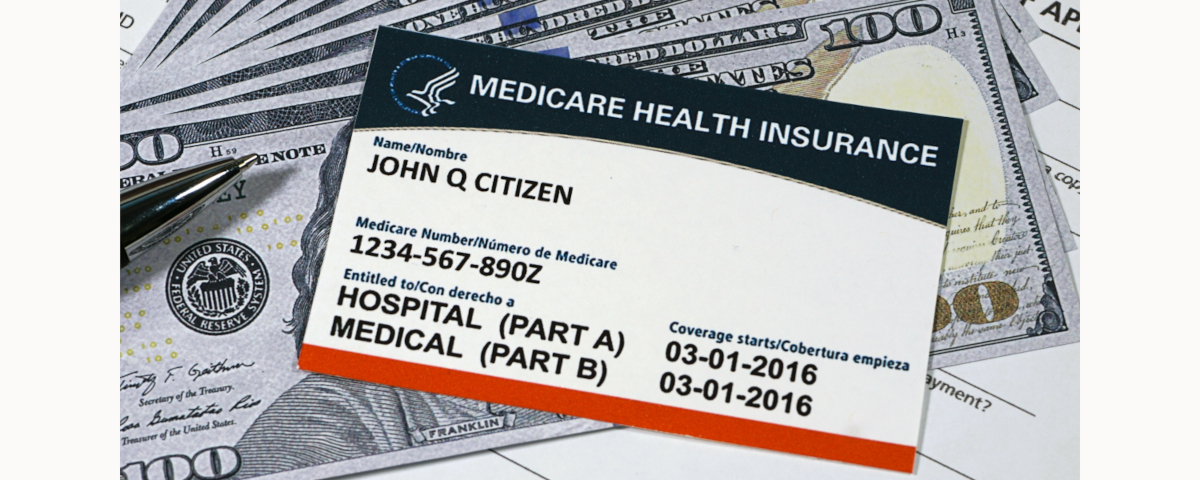
Your Medicare number may look like a harmless row of letters and numbers, but to a scammer, it can look like a golden ticket. With it, fraudsters may try to bill Medicare for medical equipment you never ordered, services you never received, tests your doctor never discussed, or even fake care under your name. In other words, that little card deserves more protection than the last slice of cheesecake at a family reunion.
Medicare fraud is not just a government problem or a headline problem. It can affect real people in very personal ways. A fraudulent claim can create billing confusion, delay legitimate care, pollute your medical records, and make it harder to know what Medicare actually paid for. The good news is that protecting yourself does not require a law degree, a spy kit, or a bunker full of filing cabinets. It starts with simple habits: guard your Medicare card, question unexpected calls, review your statements, and report suspicious activity quickly.
This guide explains how Medicare number fraud works, what red flags to watch for, how to protect your benefits, and what to do if your information has already been exposed. Think of it as a practical fraud-prevention checklist with fewer scare tactics and more common sense.
Why Your Medicare Number Matters So Much
Your Medicare number is unique to you. It is used to identify you when providers, pharmacies, health plans, and Medicare process claims. While it is no longer based on your Social Security number, it is still sensitive personal information. Treat it like a credit card number: useful when needed, risky when shared casually.
When criminals get access to a Medicare number, they may use it in several ways. Some bill Medicare for durable medical equipment, such as braces, catheters, glucose monitors, or other supplies. Others use deceptive telemarketing to convince beneficiaries to accept “free” items that are not medically necessary. Some scams involve fake lab tests, genetic testing, pain creams, wound-care products, or home health services. The product changes, but the trick is usually the same: someone wants your number so they can turn it into a claim.
Even when you do not lose money directly, the damage can still be serious. A false claim may appear in your Medicare records. A provider may contact you about a bill you do not recognize. Your legitimate doctor may have to untangle confusing records. And yes, it can be annoying enough to make anyone want to throw their mailbox into a lake. Please do not do that. The mailbox is innocent.
Common Medicare Number Scams to Watch For
1. The “New Medicare Card” Call
A caller says Medicare is issuing a new plastic card, chip card, gold card, or “upgraded” card. They ask you to verify your Medicare number before they can send it. This is a classic red flag. Medicare does not call unexpectedly to ask for your private information, and legitimate Medicare cards are not sold by random callers with suspicious urgency.
2. The “Your Benefits Will Be Canceled” Threat
Scammers love panic. They may say your Medicare benefits will be suspended unless you confirm your number, pay a fee, or give them banking information. Real agencies do not operate like a game-show timer. If someone pressures you to act immediately, take a breath, hang up, and contact Medicare directly using the official number on your card.
3. The “Free Medical Equipment” Offer
Offers for free knee braces, back braces, diabetic supplies, genetic tests, or pain creams are often used to collect Medicare numbers. The word “free” can be expensive when it opens the door to fraud. If you need equipment, your doctor should discuss it with you as part of your care, not through a surprise call from someone who sounds like they are reading from a suspiciously enthusiastic script.
4. Fake Plan Enrollment Help
During Medicare Open Enrollment and other busy periods, scammers may pose as insurance agents or government representatives. They may claim they can get you a better plan if you provide your Medicare number, Social Security number, or bank details. Licensed agents and legitimate plan representatives must follow rules. Be cautious with anyone who contacts you first and pushes you to enroll immediately.
5. Phishing Emails and Text Messages
Fraud does not only happen by phone. Emails and texts may look official, use government-style language, or include fake warnings about your account. Some messages include links that lead to copycat websites designed to steal your information. When in doubt, do not click. Go directly to the official website by typing the address yourself, or call the number on your Medicare card.
How to Protect Your Medicare Number
Keep Your Card Secure
Store your Medicare card in a safe place when you do not need it. If you have Original Medicare, you may need to carry your card when getting medical care. If you are enrolled in a Medicare Advantage plan, you generally use your plan card for services, while keeping your Medicare card safely stored unless needed. The goal is not to hide your card from your doctor; it is to keep it away from people who have no business seeing it.
Share Your Number Only With Trusted People
Give your Medicare number only to your doctors, pharmacists, health plan, trusted insurers, or people you contacted first for legitimate Medicare help. This may include your State Health Insurance Assistance Program, known as SHIP, or a trusted caregiver helping you manage benefits. Do not give your number to strangers who call, email, text, visit your home, or approach you at an event.
Use the “Who Contacted Whom?” Rule
Here is a simple rule: if you contacted Medicare, your plan, your doctor, or a licensed agent first, the conversation may be legitimate. If they contacted you unexpectedly and immediately asked for sensitive information, slow down. Scammers rely on surprise. You can take back control by ending the conversation and contacting the organization through a trusted number.
Create a Medicare.gov Account
A secure Medicare account can help you review claims, print an official card, and monitor activity. Checking your claims online is faster than waiting for paper statements, and it gives you a better chance of spotting suspicious billing early. Early detection is fraud prevention’s best friend. Coffee is a close second, but coffee cannot report a fake claim.
Keep a Simple Health Care Calendar
You do not need a complicated spreadsheet. A basic notebook or phone note can work. Write down the date of each appointment, the provider’s name, the service received, and any supplies ordered. When your Medicare Summary Notice or Explanation of Benefits arrives, compare it with your notes. If a claim says you received a brace on Tuesday but you spent Tuesday arguing with your toaster at home, investigate.
How to Review Medicare Statements for Fraud
Your Medicare Summary Notice is one of the most useful tools for spotting fraud. It lists services and supplies billed to Medicare. For Medicare Advantage or Part D plans, you may receive an Explanation of Benefits from your plan. These documents are not junk mail. They are your fraud radar.
Look for services you did not receive, providers you do not recognize, duplicate charges, equipment you never ordered, tests your doctor never mentioned, or dates that do not match your records. Also pay attention to repeated claims from unfamiliar suppliers. One strange claim may be an error. A pattern of strange claims may be a problem wearing a fake mustache.
If something looks wrong, call the provider first. Billing mistakes happen, and not every error is fraud. Ask the office to explain the charge. If the explanation does not make sense, or if you cannot resolve the issue, report it to Medicare, your plan, the Senior Medicare Patrol, or the HHS Office of Inspector General.
What to Do If Someone Gets Your Medicare Number
If you gave your Medicare number to someone suspicious, do not panic. Acting quickly is more useful than blaming yourself. Scammers are professionals at sounding believable. Their entire job is to make bad decisions feel reasonable for three dangerous minutes.
- Write down what happened. Include the date, time, phone number, caller name, company name, website, email address, and what information you shared.
- Call Medicare or your plan. Explain that your number may have been exposed and ask what steps should be taken.
- Check recent claims. Look for unfamiliar services, equipment, tests, prescriptions, or providers.
- Contact your doctor if medical records may be affected. Ask whether anything unusual has appeared in your file.
- Report suspected fraud. Use Medicare, HHS-OIG, FTC, or Senior Medicare Patrol reporting channels as appropriate.
- Watch future statements closely. Fraudulent billing may not appear immediately.
If you believe your identity was used to get medical care, request copies of medical records from providers involved and ask them to correct inaccurate information. Medical identity theft can create errors that follow a person into future care, so record cleanup matters.
How Caregivers Can Help Protect Medicare Benefits
Many Medicare beneficiaries rely on adult children, spouses, relatives, or caregivers to help with paperwork. That support can be incredibly valuable. It can also create confusion if documents are scattered across three drawers, two email accounts, and one mysterious folder labeled “important stuff maybe.”
Caregivers can help by organizing Medicare cards, plan cards, provider bills, prescription receipts, and Medicare statements. They can sit with the beneficiary once a month to review claims. They can also help screen suspicious calls by encouraging a household rule: no Medicare numbers over the phone unless the beneficiary initiated the call.
It is also wise to discuss trusted contacts in advance. Who is allowed to help with Medicare questions? Which phone numbers are safe? Where are important documents stored? A little planning can prevent a lot of confusion when a scammer calls with a dramatic story and a fake deadline.
Red Flags That Deserve Your Attention
- Someone offers free medical equipment in exchange for your Medicare number.
- A caller threatens to cancel your benefits unless you act immediately.
- You are asked to pay by gift card, cryptocurrency, wire transfer, or prepaid debit card.
- A person claims to represent Medicare but asks for your private information unexpectedly.
- You receive a bill or statement for care you never received.
- A provider you do not recognize appears on your Medicare claims.
- An email or text pushes you to click a link to “verify” your Medicare account.
Any one of these signs is enough to pause. You do not have to be rude, but you also do not have to be available for fraud. “I do not give personal information to unexpected callers” is a complete sentence. So is “I will call Medicare myself.” So is hanging up.
Realistic Examples of Medicare Fraud Scenarios
The Brace That Arrived Out of Nowhere
Imagine a beneficiary receives a knee brace in the mail even though no doctor ordered one. Later, a Medicare statement shows a claim from a supplier the person has never heard of. This could be a sign that the person’s Medicare number was used to bill for unnecessary equipment. The beneficiary should contact the supplier, call Medicare or the plan, and report the suspicious claim if it cannot be resolved.
The “Helpful Agent” Who Called First
A caller says they can move someone into a better Medicare plan with lower costs. They ask for the Medicare number, birth date, and banking details. Even if the caller sounds friendly, this is risky. The safer move is to end the call and contact Medicare, SHIP, or a trusted licensed agent directly.
The Statement With a Mystery Test
A Medicare Summary Notice lists a lab test the beneficiary never received. The beneficiary calls the doctor, and the office has no record of ordering it. That is a strong reason to report the claim. Mystery tests belong in detective novels, not Medicare statements.
Where to Report Medicare Fraud
If you suspect Medicare fraud, start with the most direct contact. Call your provider if the issue might be a billing error. If it still looks suspicious, contact Medicare at 1-800-MEDICARE. If you are in a Medicare Advantage or Part D plan, contact your plan as well. You can also contact your local Senior Medicare Patrol for help reviewing suspicious claims and understanding next steps.
For broader fraud concerns, the HHS Office of Inspector General accepts reports involving Medicare and other federal health care programs. If the scam involves identity theft, the FTC’s identity theft resources can help you create a recovery plan. If fraud includes online crime, fake websites, or organized schemes, reporting to the appropriate federal channels can help investigators identify patterns.
When reporting, have useful details ready: your name, Medicare number, the provider or supplier name, the service or item in question, the date on the statement, the amount billed, and any notes from calls or letters. You do not need to solve the case yourself. Leave the trench coat and magnifying glass at home. Your job is to report accurate information.
Smart Everyday Habits That Reduce Risk
Fraud prevention works best when it becomes routine. Shred documents that contain your Medicare number before throwing them away. Keep your Medicare card out of photos, social media posts, and casual paperwork piles. Use strong passwords for online accounts. Be careful with public Wi-Fi when accessing health or financial information. Review your mail before discarding it. And teach family members not to share your information with callers who claim to be “verifying records.”
It also helps to stay skeptical of urgency. Real health care decisions rarely need to be made during an unexpected call from a stranger. If an offer is legitimate, it should survive a callback, a second opinion, and a conversation with your doctor. Scams collapse when you slow them down.
Experience Section: Lessons From Real-Life Medicare Fraud Prevention
One of the most practical lessons from Medicare fraud prevention is that people often spot trouble because something simply feels “off.” Maybe the caller is too pushy. Maybe the offer sounds too perfect. Maybe the person already knows your name and address but still wants your Medicare number “for confirmation.” That uncomfortable feeling is worth respecting. Your instincts are not a legal document, but they are often a useful smoke alarm.
A helpful experience-based habit is to create a small “Medicare safety folder.” This can be a physical folder, a digital folder, or both. Keep copies of Medicare Summary Notices, plan documents, provider bills, prescription receipts, and notes from phone calls. When a statement arrives, compare it with your folder. This turns fraud detection from a stressful guessing game into a simple matching exercise. Did you see that provider? Did your doctor order that equipment? Did you receive that test? If not, make a call.
Another valuable lesson is to involve a trusted person before there is a crisis. Many beneficiaries wait until after a suspicious call to ask for help. A better approach is to choose a trusted family member, friend, caregiver, or counselor ahead of time. Tell them, “If I get a strange Medicare call, I will check with you before sharing anything.” That one sentence can stop a scam before it starts. Fraudsters prefer isolated targets; teamwork ruins their day.
People also learn quickly that caller ID is not proof. Scammers can spoof official-looking numbers, making a call appear to come from Medicare, Social Security, a local hospital, or even a police department. The safest habit is to ignore the displayed number and call back using a trusted number from your card, official paperwork, or the organization’s verified website. It may feel old-fashioned, but old-fashioned is sometimes just another word for “harder to scam.”
Many beneficiaries say the hardest part is embarrassment. They worry they should have known better. But modern scams are designed to sound professional, urgent, and personal. Feeling embarrassed only helps the scammer by keeping the problem quiet. Reporting quickly is not a confession of foolishness; it is a smart recovery step. If someone steals your umbrella, you do not apologize to the rain.
A final experience-based tip is to use a monthly “benefits checkup” routine. Pick one day each month to review Medicare claims, prescription records, and plan notices. Pair it with something pleasant, like morning coffee or an afternoon snack, so it feels less like homework. Ten minutes a month can catch errors early, protect your benefits, and give you peace of mind. Fraud prevention does not have to be dramatic. Sometimes it looks like a notebook, a careful glance at a statement, and the confidence to say, “No, I am not giving out my Medicare number.”
Conclusion
Safeguarding your Medicare number is one of the simplest and most powerful ways to protect your health care benefits. Scammers may change their scripts, phone numbers, products, and promises, but their goal stays the same: they want access to your personal information. You can make their job much harder by treating your Medicare number like a credit card, reviewing claims regularly, refusing unexpected requests, and reporting suspicious activity.
Medicare fraud prevention is not about living in fear. It is about staying alert, asking questions, and using trusted resources. Keep your card secure. Share your number only with the right people. Watch for mystery claims. Get help when something looks wrong. A little caution today can protect your benefits, your medical records, and your peace of mind tomorrow.
Note: This article is for general educational purposes and is based on current public guidance from U.S. Medicare, consumer protection, and health care fraud prevention resources. Readers should contact Medicare, their health plan, a trusted licensed professional, or Senior Medicare Patrol for help with specific situations.














