If you use a CPAP machine for sleep apnea, you already know the nightly ritual: mask, hose, water chamber, power button, and a tiny prayer that the mask does not make you sound like a sleepy accordion. But there is one small detail many people overlook: the water. More specifically, whether tap water belongs in your CPAP humidifier.
The short answer: distilled water is usually the safest and smartest choice for CPAP humidifiers. Tap water may be fine for drinking, cooking, and brushing your teeth, but that does not automatically make it ideal for a medical device that helps deliver moist air toward your airway all night. Your stomach is built like a chemical security guard; your nose, sinuses, and lungs are not quite as enthusiastic about handling whatever comes along for the ride.
This does not mean every splash of tap water will turn your CPAP into a science-fiction villain. It means tap water can contain minerals, treatment chemicals, and low levels of microorganisms that may create problems inside the humidifier chamber, tubing, and mask. Over time, those problems can include mineral scale, cloudy residue, unpleasant smells, harder cleaning, equipment wear, and in some situations, increased infection concernsespecially for people with weakened immune systems or chronic lung disease.
What CPAP Does for Sleep Apnea
Sleep apnea is a sleep-related breathing disorder in which breathing repeatedly pauses, becomes shallow, or is blocked during sleep. Obstructive sleep apnea, the most common type, happens when the upper airway collapses or becomes blocked. The result can be loud snoring, gasping, morning headaches, daytime sleepiness, poor concentration, and a mood that says, “I slept eight hours, yet somehow I am still a haunted house.”
Continuous positive airway pressure, better known as CPAP, helps by sending a steady stream of pressurized air through a mask. That air helps keep the airway open so breathing stays more stable during sleep. Many people notice improvements such as less snoring, fewer breathing interruptions, better sleep quality, and less daytime fatigue when treatment is used consistently.
A CPAP humidifier is an add-on or built-in component that adds moisture to the air. Humidification can make therapy more comfortable by reducing dry mouth, nasal irritation, congestion, sore throat, and nosebleeds. In other words, the humidifier is not just a fancy water cup attached to a machine. It is the part that helps keep your airway from feeling like it spent the night camping in the desert.
Why Tap Water Can Be a Problem in CPAP Machines
Tap water in the United States is treated to meet drinking water standards, but “safe to drink” is not the same as “sterile.” That distinction matters. Drinking water goes to the stomach, where acid helps kill many organisms. CPAP humidifier water sits in a chamber, warms up, evaporates, and becomes part of the airflow environment around your nose and mouth. That is a very different route of exposure.
Tap water may contain minerals such as calcium and magnesium. These minerals are not usually a big deal when you drink them. In a CPAP humidifier, however, they can leave behind scale, crusty deposits, cloudy film, or white residue as water evaporates. If you have ever seen a chalky ring inside a kettle, coffee maker, or showerhead, congratulations: you have met mineral buildup, the glitter nobody asked for.
Mineral scale can make the water chamber harder to clean and may create tiny rough surfaces where residue and microorganisms can cling. Over time, buildup can affect humidifier performance, shorten the life of replaceable parts, and make the chamber look like it has been through a tiny limestone avalanche.
Tap Water Is Not Sterile
Public water systems are designed to make water safe for everyday household use, but low levels of germs can still exist in plumbing systems. Some organisms can live in biofilm, a slimy layer that forms inside pipes, faucets, showerheads, humidifiers, and other water-contact surfaces. These organisms may include bacteria, fungi, and amoebas.
Most healthy people do not get sick from small amounts of these germs in household water. However, certain groups have higher risk, including older adults, infants, people with chronic lung disease, people with weakened immune systems, people with diabetes or kidney disease, and people who smoke or used to smoke.
This is why health agencies warn that tap water should not be treated as sterile water for devices that rinse the nose, touch the eyes, or send moisture toward the airway. The risk is not that your CPAP turns tap water into a dramatic movie monster overnight. The risk is that repeated use, poor cleaning, warm moisture, and vulnerable health conditions can create a situation where “probably fine” becomes “why is my equipment smelling weird?” or worse.
Distilled Water vs. Tap Water: What Is the Difference?
Distilled water is water that has been boiled into steam and condensed back into liquid, leaving most minerals and many impurities behind. For CPAP users, the main advantage is simple: distilled water helps reduce mineral buildup in the humidifier tank.
Tap water may contain minerals, disinfectant byproducts, or traces of microorganisms. Bottled spring water can still contain minerals because it often comes from underground sources. Filtered water may taste cleaner, but a household pitcher filter is not the same as distillation or sterilization. Purified water can vary depending on how it was processed. If the label does not say “distilled,” do not assume it behaves like distilled water in your CPAP humidifier.
For everyday CPAP use, distilled water is the most commonly recommended option because it protects both comfort and equipment. Think of it as buying your CPAP a clean, boring drink. Boring is good here. Your humidifier chamber does not need artisanal mineral notes with a crisp mountain finish.
Can Tap Water Make You Sick?
The honest answer is: it depends on the person, the device, the water, and the cleaning routine. Many CPAP users have used tap water occasionally without obvious illness. Some manufacturers and sleep organizations note that short-term use of tap or bottled water may be acceptable when distilled water is unavailable, especially if the chamber is cleaned more carefully afterward.
However, “occasionally acceptable” is not the same as “best daily habit.” Tap water can leave mineral deposits. If water sits in the chamber, germs can grow. If the tank, tubing, or mask is not cleaned regularly, the moist environment may become less hygienic. People with chronic respiratory conditions or weakened immune systems should be especially cautious and should follow their clinician’s and device manufacturer’s instructions closely.
Using tap water is also more concerning if your water comes from a private well, if there has been a boil-water advisory, if plumbing has been unused for a week or longer, or if the water has unusual odor, color, or sediment. In those cases, your CPAP humidifier is not the place to test your luck.
What About Boiled Water?
Boiling tap water can reduce certain microbial risks, but it does not remove minerals. After boiled water cools, it may be safer from a germ standpoint for short-term use, but it can still leave scale inside the CPAP water chamber. Also, boiled water must be cooled before use. Pouring hot water into a CPAP humidifier chamber is a fast way to damage parts and create a regret-flavored evening.
If distilled water is temporarily unavailable, some guidance suggests using purified bottled water without added minerals or tap water for short-term use, followed by more rigorous cleaning to prevent mineral buildup. The best choice depends on your specific machine, your health status, and your provider’s instructions.
Can You Use CPAP Without Water?
Many CPAP machines can run without water in the humidifier chamber, although the air will be dry. Some people temporarily turn off humidification when traveling or when distilled water is unavailable. This can be a practical short-term workaround, but it may cause dry mouth, nasal irritation, congestion, or sore throat for some users.
If dry air makes CPAP therapy uncomfortable, do not simply abandon treatment. Talk with your sleep specialist, equipment provider, or respiratory therapist. They may suggest adjusting humidity settings, checking mask fit, changing tubing, using heated tubing, or trying a different mask style. CPAP success is often a game of small adjustments, not heroic suffering.
How to Clean a CPAP Humidifier Safely
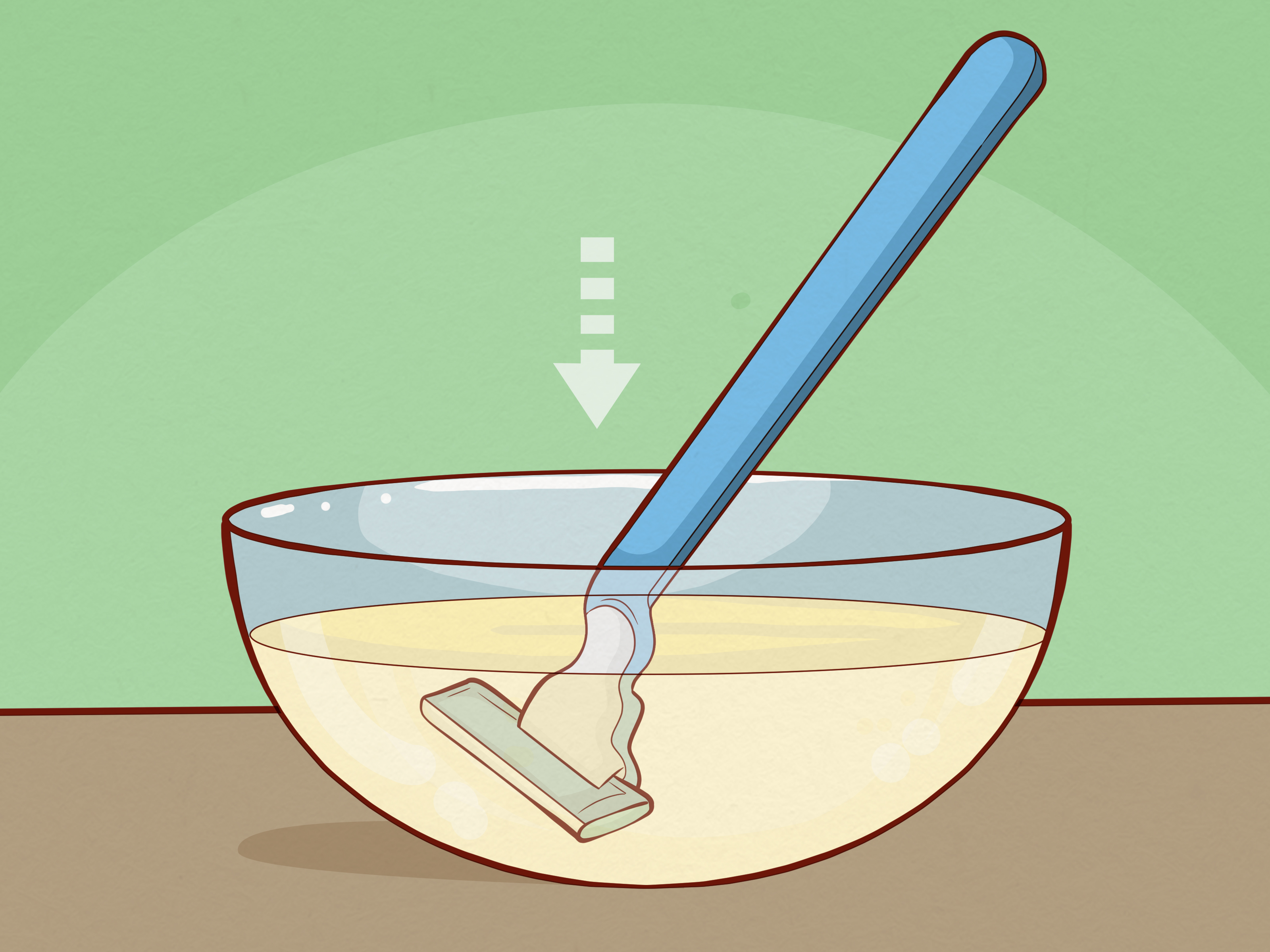
A clean CPAP routine does not need to become a second career. The basics are usually straightforward: empty the water chamber daily, let it air-dry, refill it with fresh distilled water before use, and wash components according to the manufacturer’s instructions. Many CPAP cleaning routines include warm water, mild soap, thorough rinsing, and complete air-drying.
At least once a week, many users clean the mask, tubing, and humidifier chamber. If you have been sick, notice odor, see residue, or use tap water in an emergency, cleaning should be more careful. Some manufacturers allow diluted vinegar for mineral deposits in the water chamber, while others have specific instructions. Always check your device manual before using vinegar, cleaners, or disinfectants.
Avoid harsh chemicals, bleach, scented oils, perfumes, and random internet cleaning hacks. Your CPAP is a medical device, not a kitchen sink experiment. If a cleaning idea sounds like it belongs in a viral video titled “I Tried This So You Don’t Have To,” perhaps let it remain untried.
Common Mistakes CPAP Users Make With Water
Leaving Old Water in the Chamber
Water that sits all day can encourage residue and microbial growth. Emptying the chamber each morning and allowing it to dry helps keep the humidifier fresher.
Topping Off Yesterday’s Water
Adding fresh water to old water may seem harmless, but it keeps yesterday’s residue in circulation. Start with a clean, dry chamber and fresh distilled water whenever possible.
Using Scented Products
Essential oils and fragrances do not belong in CPAP water. They can irritate the airway and may damage equipment. Lavender may smell relaxing, but your lungs did not request a spa appointment.
Ignoring Mineral Buildup
Cloudiness, scale, or crusty residue is a sign that minerals are accumulating. Clean the chamber according to the manual and switch back to distilled water.
Assuming Bottled Water Is Distilled
Spring water, mineral water, and drinking water are not the same as distilled water. Read the label carefully.
Special Situations: Travel, Shortages, and Emergencies
Traveling with CPAP can feel like packing for a small robot roommate. Distilled water may not always be easy to find, especially in hotels, airports, rural areas, or during supply shortages. Plan ahead when possible. Pack a small sealed bottle of distilled water if allowed, locate nearby stores before your trip, or ask your equipment provider about travel-friendly options.
Some travel CPAP systems use waterless humidification, such as heat and moisture exchange technology. These systems capture moisture from your exhaled breath and return some of it to incoming air. They can be useful when carrying water is inconvenient.
If you cannot find distilled water for one night, check your device manual. Some people may choose to turn off humidification temporarily. Others may use purified bottled water or tap water for short-term use and clean the chamber thoroughly afterward. If you depend on PAP therapy for serious breathing support, do not stop therapy without medical guidance.
Who Should Be Extra Careful?
Everyone should keep CPAP equipment clean, but some users should be more cautious with tap water. This includes people over 50, people with chronic lung disease, people with weakened immune systems, people with diabetes or kidney disease, smokers, former smokers, and anyone recovering from respiratory illness.
If you fall into a higher-risk group, ask your doctor or respiratory therapist what water and cleaning routine is best for you. The answer may be stricter than general advice. Your CPAP routine should match your health, not just whatever someone in a forum says worked for their uncle in 2009.
Practical CPAP Water Routine
Here is a simple, realistic routine for most CPAP users. In the morning, empty the water chamber. Rinse it if needed. Leave it open to air-dry away from dust, pets, and bathroom splashes. Before bed, fill it with fresh distilled water up to the recommended line. Do not overfill it. Attach the chamber correctly, check the tubing, wash your hands, and start therapy.
Once a week, wash the chamber, mask, and tubing according to the manufacturer’s directions. Let every part dry completely before reassembly. Replace filters, tubing, masks, cushions, and chambers on the schedule recommended by your provider or device guide. If something looks cracked, cloudy, slimy, or permanently stained, it may be time to replace it.
Good CPAP hygiene is not glamorous, but neither is waking up with a dry throat, funky-smelling tubing, and the suspicion that your humidifier has developed a personality.
Experience-Based Tips From Real-Life CPAP Use
One of the biggest lessons CPAP users learn is that the machine works best when the routine is easy. If using distilled water feels like one more annoying task, make it automatic. Buy two or three gallons at a time if you have storage space. Keep one near your nightstand and one in a backup spot. Put a sticky note on the machine that says “fresh water” until the habit sticks. It may feel silly, but so does searching the kitchen at midnight while wearing half a CPAP mask.
Another practical tip is to fill only what you need. Many beginners fill the humidifier chamber to the maximum line every night, then dump out a lot of unused water in the morning. If your humidity setting is low or your room is not very dry, you may not need a full tank. Filling less can reduce waste, save distilled water, and make the morning routine easier. Just do not let the tank run dry if humidification is important for your comfort.
Users in hard-water areas often notice the difference quickly. One or two nights of tap water may leave a faint film. Weeks of tap water can leave stubborn scale. That residue is not just ugly; it makes cleaning more irritating. Distilled water keeps the chamber clearer and makes the whole process feel less like scrubbing a tiny aquarium.
Travel is where many CPAP routines fall apart. A helpful habit is to create a CPAP travel checklist: machine, power cord, mask, tubing, filters, extension cord, distilled water plan, and cleaning supplies. Some users call the hotel ahead and ask whether distilled water is available nearby. Others pack a small bottle for the first night and buy more after arrival. The goal is not perfection. The goal is to avoid standing in a convenience store at 11:47 p.m. debating whether “mountain spring” sounds medical enough. It does not.
Dryness is another common experience. Some users skip humidification because they cannot find distilled water, then wake up with dry mouth or nasal irritation. If that happens, do not give up on CPAP. Try adjusting humidity settings, using heated tubing, checking for mouth leak, or asking about a different mask. Sometimes the water issue is really a comfort issue wearing a fake mustache.
Cleaning also becomes easier when it is paired with an existing habit. Empty the tank right after brushing your teeth in the morning. Wash the mask while coffee brews. Set weekly cleaning for the same day you do laundry. CPAP care is much less annoying when it becomes part of normal life instead of a dramatic Sunday evening production.
Finally, remember that CPAP success is personal. Some people love high humidity. Some need almost none. Some travel constantly. Some live in dry climates. Some have sensitive sinuses. What stays consistent is the principle: use the cleanest appropriate water you can, keep the equipment dry when not in use, clean it regularly, and ask professionals when your situation is not typical. Your CPAP is there to help you sleep and breathe better. Treat the water chamber like a medical-device component, not a random cup, and it will reward you by being boring, clean, and reliablethe dream team of bedtime technology.
Conclusion
Tap water may be safe to drink, but it is not the best everyday choice for most CPAP humidifiers. Distilled water helps reduce mineral buildup, keeps the chamber cleaner, supports better humidifier performance, and may lower hygiene concerns linked to water sitting in a warm device night after night.
If you use tap water once in an emergency, do not panic. Clean the chamber well, return to distilled water when possible, and follow your device manual. If you have chronic lung disease, a weakened immune system, or other health concerns, ask your healthcare provider for personalized guidance.
Sleep apnea treatment already asks enough of you: wearing a mask, adjusting straps, managing leaks, and explaining to your pet that the bedside machine is not a new enemy. Choosing distilled water is one small step that can make CPAP therapy cleaner, easier, and more comfortable over the long run.