
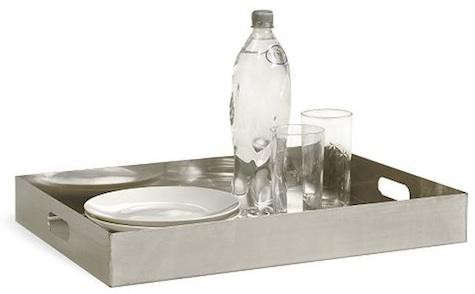
A stainless steel tray is one of those quiet kitchen heroes that rarely gets applause, even though it does half the work and asks for very little in return. It can carry cocktails, organize ingredients, hold marinated chicken, catch drips under a coffee setup, anchor a charcuterie spread, and still look polished enough to pretend it belongs in a magazine. That is a rare talent. In a world full of fragile ceramics, fussy wood boards, and plastic pieces that age like bananas, the stainless steel tray keeps showing up as the practical adult in the room.
But not every tray deserves a standing ovation. Some are made for serving, some for prep, some for commercial food service, and some are really just decorative metal rectangles with confidence issues. If you are shopping for one, styling one, or wondering whether the tray already sitting in your cabinet is more useful than you realized, this guide will walk through what matters: material quality, finishes, shapes, best uses, care, and the real-life experience of owning one.
What Is a Stainless Steel Tray, Exactly?
A stainless steel tray is a flat or gently raised metal surface made from stainless steel and designed to hold, serve, transport, or organize items. In home kitchens, it often appears as a serving tray, prep tray, bar tray, roasting companion, or countertop organizer. In restaurants, hotels, and catering operations, it pulls even more weight as a food-safe, durable, easy-to-clean workhorse.
The big appeal is the material itself. Stainless steel is known for resisting corrosion, handling repeated washing, and maintaining a clean, modern appearance. Unlike porous materials, it does not absorb flavors or odors easily. Unlike glass, it is less dramatic when dropped. And unlike some coated products, it does not rely on a delicate surface treatment to stay useful.
Why Stainless Steel Trays Stay Popular
1. They are durable without being bulky
A good stainless steel tray can take daily use, occasional knocks, and constant washing without acting personally offended. That is why you see stainless steel everywhere from restaurant equipment to home bar tools. The material is sturdy, but it can still be formed into slim, elegant silhouettes that do not look industrial unless you want them to.
2. They look clean and intentional
There is something about stainless steel that makes even a simple snack arrangement look more organized. Put lemons, glasses, and a bottle on a stainless tray, and suddenly your kitchen corner looks like it charges for sparkling water. The shine, brushed finish, or mirror polish adds visual structure while still pairing well with modern, farmhouse, industrial, or classic interiors.
3. They work in more rooms than you expect
Yes, the kitchen is the obvious home base. But a stainless steel tray also works in a bathroom for perfumes and hand soap, in an entryway for keys and sunglasses, in a coffee nook for syrups and mugs, or on a patio table for outdoor drinks. This versatility is a major reason people keep reaching for them. One tray can move from weekday prep station to weekend serving piece with zero complaints.
4. They are easier to clean than many alternatives
For everyday messes, stainless steel is refreshingly low-maintenance. Mild dish soap, warm water, a soft cloth or non-abrasive sponge, and thorough drying usually do the trick. That makes it a practical choice for busy households, especially when the tray is used around sauces, citrus, oils, or frequent finger traffic.
Common Types of Stainless Steel Trays
Serving trays
These are the most familiar. They usually feature rolled edges, a polished or brushed finish, and proportions designed for appetizers, drinks, desserts, or breakfast service. Some are sleek and minimal, while others lean decorative with scalloped rims, hammered textures, or engraved details.
Prep trays
Prep trays are more utilitarian and often used for staging ingredients before cooking. They are great for seasoned vegetables, breaded cutlets, chopped herbs, sandwich toppings, or grilled items moving from raw to cooked zones. If you meal prep or grill often, a prep tray earns its shelf space quickly.
Bar trays
These trays are designed for bottles, glassware, ice buckets, citrus wedges, and cocktail tools. A stainless steel bar tray looks sharp, resists spills well, and fits naturally with the chrome, glass, and wood materials often found in home entertaining spaces.
Compartment or utility trays
These are more functional than glamorous, but they deserve respect. A divided stainless steel tray can be useful for garnishes, snacks, mise en place, workshop hardware, art tools, or desk accessories. It is not always the star of the show, but it is often the reason the show stays organized.
Understanding Stainless Steel Grades Without Falling Asleep
When you see terms like 18/8 or 18/10 stainless steel, the numbers refer to the alloy composition, specifically chromium and nickel content. In simple terms, both are widely associated with quality kitchen and serving products. Chromium helps support corrosion resistance, while nickel contributes to luster and durability. That is why these grades often appear in cookware, flatware, and servingware descriptions.
For most readers, the key takeaway is this: if the tray is marketed as food-safe stainless steel and feels solid, smooth, and well-finished, you are already in good territory. If the manufacturer discloses 18/8 or 18/10, that is generally a reassuring sign. If the product description is vague, the tray is suspiciously cheap, and the finish looks thin or uneven, your skepticism is probably doing excellent work.
How to Choose the Best Stainless Steel Tray
Size comes first
Before falling in love with a tray online, decide what it needs to carry. A tray for two coffee mugs has a very different job from a tray for six cocktails or a full appetizer spread. Measure your shelf, countertop, ottoman, or bar cart first. Many tray regrets begin with optimism and end with, “Why is this thing the size of a snowboard?”
Check the rim and depth
A tray with a slight lip or raised rim is more forgiving, especially if you plan to carry drinks or saucy foods. Flat trays can look elegant, but a little edge protection can save your shirt, your rug, and your dignity.
Choose the right finish
Mirror finishes look glamorous and formal, but they show fingerprints, smudges, and water spots more easily. Brushed finishes are more forgiving and often better for everyday use. Hammered or textured surfaces can hide wear well and add visual interest without demanding constant polishing.
Think about weight
A lightweight tray is easier to carry, while a heavier tray often feels more substantial and premium. Neither is automatically better. It depends on whether you want everyday convenience or a more luxurious serving piece that feels like it belongs at a dinner party where someone definitely says “paired beautifully” at least once.
Look for smooth seams and sturdy construction
The best stainless steel trays feel finished, not just manufactured. Edges should be smooth, the base should sit evenly, and the tray should not flex too much under light pressure. For food use, you want a surface that is easy to clean and free of rough spots that can trap grime.
Best Uses for a Stainless Steel Tray at Home
Entertaining
Serve cocktails, iced tea, coffee service, mini desserts, oysters on ice, cheese boards, or a lineup of little appetizers. Stainless steel gives gatherings a crisp, put-together feel, even if you assembled the platter while wearing socks that do not match.
Kitchen prep
Use a tray to hold chopped vegetables, portioned proteins, sandwich ingredients, or spice bowls while cooking. It helps contain mess, reduces countertop chaos, and makes your workflow smoother. In small kitchens, that matters a lot.
Grilling and outdoor dining
Stainless trays are especially handy around grills because they are durable, easy to wipe down, and practical for transporting ingredients in and out of the house. They also make solid stations for buns, skewers, grilled vegetables, or sliced fruit during outdoor meals.
Everyday organization
A tray can turn random clutter into a “styled moment.” Set one under cooking oils, salt, and pepper by the stove. Use another for your coffee setup. Place one in the bathroom for soap, lotion, and candles. The tray does not actually reduce your possessions, but it makes them look like they have a plan.
How to Clean and Care for a Stainless Steel Tray
For daily cleaning, wash the tray with warm water, mild dish soap, and a soft cloth or non-scratch sponge. Rinse well and dry thoroughly right away to reduce water spotting. That simple habit goes a long way.
For fingerprints or haze, buff the surface with a soft microfiber cloth. For stubborn residue, use a gentle paste of baking soda and water or a stainless-safe cleaner, then rinse and dry. Avoid steel wool, abrasive powders, or harsh chlorine-based cleaners that can damage the finish or encourage corrosion over time.
It is also smart to avoid letting acidic or salty residue sit on the tray for long periods. A lemon wedge at a cocktail party is charming. A forgotten puddle of lemon juice overnight is less charming. Stainless steel is durable, not magical.
Stainless Steel Tray vs. Other Tray Materials
Vs. wood
Wood feels warm and decorative, but it needs more care and can be more sensitive to moisture, stains, and odors. Stainless steel is the better pick when easy cleaning and food service practicality matter more than rustic charm.
Vs. plastic
Plastic is lightweight and inexpensive, but it can scratch, stain, warp, or look tired faster. Stainless steel typically lasts longer and looks more elevated, especially in entertaining spaces.
Vs. ceramic or glass
Ceramic and glass can be beautiful, but they are heavier and more breakable. Stainless steel offers a better balance of style and durability for homes that actually use their serving pieces instead of treating them like museum artifacts.
Vs. aluminum for heat-related tasks
If your goal is serving, organizing, chilling, marinating, or general prep, stainless steel is a fantastic choice. If your goal is fast, even baking performance, aluminum often has the edge. In other words, a stainless steel tray is a great all-around utility player, but it is not automatically the MVP for every oven job.
Is a Stainless Steel Tray Worth It?
For most households, yes. It is one of those purchases that keeps proving useful in small, repeated ways. You may buy it for entertaining and then end up using it for coffee supplies, grill prep, holiday cookies, bedside organization, and breakfast in bed when you are feeling unusually cinematic.
A well-made stainless steel tray can also be a smarter long-term buy than trendy alternatives that scratch easily, stain quickly, or fall out of favor after one season. Stainless steel has staying power. It does not beg for attention, but it rarely looks out of place.
Real-Life Experiences With a Stainless Steel Tray
My appreciation for the stainless steel tray did not begin with a grand tablescape or a dramatic dinner party reveal. It began with a mess. I was trying to prep vegetables, keep raw chicken separate, answer a text, and stop olive oil from migrating across the entire countertop like it was claiming new territory. I grabbed a stainless steel tray I had originally bought for “hosting,” which is a generous word for occasionally offering guests chips in a bowl, and used it as a prep station. Suddenly, everything had boundaries. The onions stayed put. The seasoning stayed put. My patience mostly stayed put. That was the day I realized the tray was not just a serving piece. It was infrastructure.
Later, it became part of my coffee setup. I lined up beans, mugs, sugar, and a small jar of spoons on one brushed stainless steel tray, and the whole corner looked cleaner and more intentional. Nothing about my morning routine became more glamorous, exactly. I still looked half awake and negotiated with the snooze button like it was a labor contract. But the tray made the space feel tidy, and that mattered. It turned random countertop clutter into something that looked curated rather than accidental.
During warmer months, the tray started pulling patio duty. It carried glasses, citrus, napkins, and a pitcher outside in one trip. The raised edge saved me more than once when a drink sloshed or a guest set down a cup with the confidence of someone who had never spilled anything in their life. Stainless steel also made sense outdoors because it handled moisture better than wood and felt sturdier than plastic. Afterward, cleanup was simple. Wash, dry, done. No special treatment. No existential crisis.
One of the biggest surprises was how useful the tray became during parties. Not because it stole the show, but because it made the show run better. It held appetizers before plating. It acted as a landing zone for garnishes. It collected empty glasses when the coffee table started looking like a tiny convention center. Guests noticed the food and the drinks, of course, but the tray quietly made everything easier behind the scenes.
I have also learned that finish matters. A mirror-polished tray looks fantastic, but it is a little vain. It notices fingerprints immediately and demands a quick buff before company arrives. A brushed finish is more forgiving and therefore more realistic for everyday life. If you enjoy sparkle, go polished. If you enjoy sanity, brushed may be your best friend.
What I like most is that a stainless steel tray never feels limited to one purpose. It can be practical on Monday, polished on Saturday, and oddly useful on Sunday when you need a place to thaw shrimp, organize mail, or corral all the sauces that somehow multiplied in the fridge door. That kind of flexibility is hard to beat. It is not flashy. It is not trendy. It is simply one of those rare household items that earns its keep again and again.
Final Thoughts
The stainless steel tray is not just a pretty surface. It is a durable, food-friendly, low-maintenance tool that works across prep, serving, entertaining, and organization. It offers a clean look, strong everyday performance, and surprising versatility in every room of the house. Whether you choose a polished bar tray, a brushed prep tray, or a heavier serving piece with a raised rim, the best one is the tray that fits how you actually live.
Buy for function first, finish second, and size before anything else. Treat it well, clean it gently, dry it promptly, and it will stay useful long after trendier kitchen items have retired to the donation pile. In a home full of gadgets trying very hard to be impressive, a stainless steel tray wins by simply being dependable.












