A good folding ladder is one of those household heroes that rarely gets applause. It waits quietly behind a door, inside a pantry, next to a bookcase, or in the garage until someone needs the top shelf, the smoke detector battery, the curtain rod, or that mysterious box labeled “holiday stuff.” Then suddenly, it becomes the most important tool in the house. The Stepup Folding Ladder fits into this everyday drama beautifully: it is practical, space-saving, and, when chosen well, surprisingly stylish.
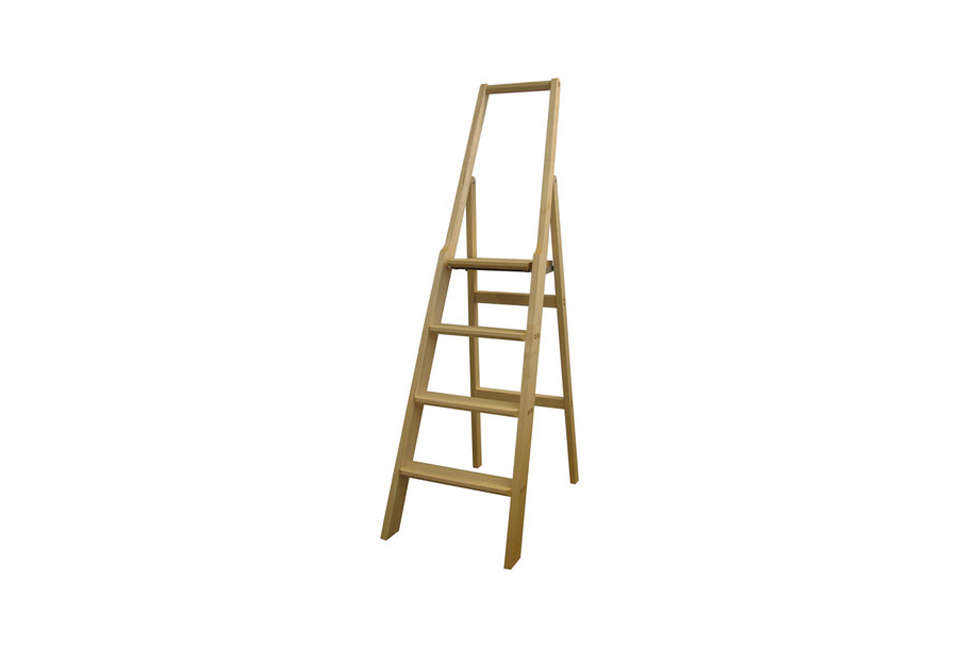
The phrase “Stepup Folding Ladder” can describe two related ideas. First, it points to the elegant Step Up folding ladder design associated with Olby Design and designer Kerstin Olby, a ladder made for kitchens, halls, and libraries with a wall-hanging storage concept and wood materials such as oak or ash. Second, it naturally describes the broader category of folding step ladders and step stools used in American homes, apartments, workshops, offices, and retail spaces. This article covers both: the design appeal of a refined folding ladder and the practical buying, safety, storage, and use considerations that matter before you climb.
What Is a Stepup Folding Ladder?
A Stepup Folding Ladder is a compact, self-supporting ladder designed to open when needed and fold away when the job is done. Unlike a large extension ladder, it is usually meant for indoor tasks or moderate-height projects: reaching upper kitchen cabinets, organizing a closet, dusting bookshelves, changing bulbs, hanging decor, painting trim, or grabbing a rarely used serving platter that somehow lives in the ceiling zone.
The appeal is simple: it gives you extra height without demanding permanent floor space. A folding ladder can slide beside a refrigerator, tuck into a closet, hang on a wall, or sit in a laundry room. In smaller homes and apartments, that storage advantage is not a bonus; it is the whole sales pitch. Nobody wants a bulky ladder leaning in the hallway like it has moved in and started paying rent.
Design Matters: From Utility Tool to Home Object
Many folding ladders are purely utilitarian: steel frame, rubber feet, plastic top tray, done. There is nothing wrong with that. For garages and workrooms, tough and simple often wins. But the Step Up-style folding ladder shows another possibility: a ladder can be useful and attractive enough to remain visible.
The Olby-inspired Step Up concept is especially interesting because it treats the ladder as part of the room, not something to hide in shame. With wood construction, elegant proportions, and a wall hanger, the ladder becomes a functional design object. That makes sense in spaces such as libraries and kitchens, where a ladder may be needed often. Instead of dragging a step stool from another room, you hang a beautiful ladder nearby and make it part of the decor.
Why Wood Still Works
Wooden folding ladders bring warmth that metal ladders rarely match. Oak and ash, for example, are associated with strength, grain character, and a furniture-like look. In a kitchen with shaker cabinets, a library with built-ins, or a hallway with natural textures, a wooden folding ladder feels intentional. It can look like it belongs there, not like it escaped from a maintenance closet.
That said, wood is not automatically better for every user. Metal folding ladders are often lighter, easier to clean, and more common in safety-rated models sold for heavy-duty household or professional use. Aluminum can be easy to move, steel can feel very sturdy, and fiberglass is preferred around electrical work because it is nonconductive. The smartest choice depends on where and how the ladder will be used.
Common Uses for a Folding Step Ladder
The Stepup Folding Ladder category is popular because it solves everyday problems. In the kitchen, it helps reach high cabinets, pantry shelves, small appliances, and seasonal cookware. In a bedroom closet, it makes upper storage bins easier to access. In a home office, it can help retrieve files, books, router equipment, or supplies stored overhead. In a garage, it is handy for hooks, shelves, paint cans, and storage racks.
For DIY projects, a folding ladder can be even more valuable. A three-step or four-step model is often enough for painting wall edges, installing floating shelves, cleaning ceiling fans, adjusting curtains, or setting up smart-home devices. A platform-style step ladder with wide steps can also be more comfortable for tasks that take longer than a quick reach. Your feet will thank you, and they may even stop sending angry emails to your knees.
How to Choose the Best Stepup Folding Ladder
1. Check the Height You Actually Need
Many shoppers buy too much ladder or too little ladder. Too little ladder leads to unsafe stretching. Too much ladder becomes awkward to store and move. For most homes, a two-step or three-step folding ladder handles cabinets, closet shelves, and small chores. Taller spaces, such as libraries, lofted storage, or high garage shelving, may require a four-step, five-step, or specialty library-style ladder.
Pay attention to “top step height” and “maximum reach.” Maximum reach is often calculated based on an average user height, so it should be treated as an estimate rather than a promise from the universe. If you are shorter or taller than average, adjust expectations. The goal is to work comfortably without standing on a top cap or leaning sideways like a houseplant searching for sunlight.
2. Understand Duty Ratings and Weight Capacity
A ladder’s duty rating is not just about body weight. It includes the user plus tools, paint cans, supplies, hardware, and anything else carried while climbing. Common ladder duty ratings include household and professional categories, with Type I, Type IA, and Type IAA models offering higher capacities than light-duty ladders. Many popular heavy-duty step ladders are rated around 300 pounds, while some extra-heavy-duty models go higher.
For typical home use, choosing a ladder with a generous capacity gives a useful safety margin. This is especially important if the ladder will be used by multiple people or for projects involving tools. A bargain ladder that barely meets your needs is not really a bargain if it feels wobbly, flexes under load, or makes you whisper, “Well, this is probably fine.” That sentence has starred in too many home repair disasters.
3. Look for Wide, Slip-Resistant Steps
Comfort and stability often come down to step design. Narrow rungs are fine for quick climbing, but wide steps are better for standing while working. Many folding step ladders now feature oversized steps with textured surfaces or tread patterns to reduce slipping. This matters in kitchens, laundry rooms, garages, and anywhere floors may collect dust, water, or mystery crumbs.
Rubber feet are also important. A ladder should grip the floor without scratching it. On tile, hardwood, vinyl, and polished concrete, stable feet can make the difference between a confident climb and a dramatic performance nobody requested.
4. Consider Handrails, Tool Trays, and Project Tops
Some Stepup Folding Ladder models are minimalist. Others include handrails, top handles, tool trays, paint cup holders, hardware slots, or project platforms. These features can be extremely helpful, especially for DIY tasks. A top tray gives screws, tape, hooks, drill bits, or paint tools a place to rest so they do not migrate into your pockets and later attack your washing machine.
Handrails can provide extra confidence for users who dislike climbing or who need better balance. However, they may also make the ladder bulkier when folded. The best choice depends on whether your priority is maximum stability, slim storage, or a clean design aesthetic.
Safety Rules Every Folding Ladder Owner Should Follow
A folding ladder may look simple, but safe use matters. Falls from ladders and step stools can be serious, especially for older adults, children, or anyone carrying tools. Before using a folding ladder, inspect it. Check the hinges, locking spreaders, steps, feet, rails, and any safety bars. If something is cracked, loose, bent, or missing, do not climb. A ladder is not the right place for optimism.
Open It Fully and Lock It
A folding step ladder should be fully opened before use. If it has spreaders or locking mechanisms, they should be secure. Never use a folding step ladder while it is folded and leaning against a wall unless the manufacturer specifically designed it for that mode. A step ladder is not an extension ladder wearing a costume.
Keep It on a Stable, Level Surface
Place the ladder on firm, level ground. Avoid slippery floors, uneven surfaces, thick rugs, boxes, barrels, chairs, or any improvised base. If the ladder is not tall enough, get a taller ladder rather than stacking objects under it. Chairs are for sitting, not for auditioning as emergency scaffolding.
Do Not Stand on the Top Cap Unless It Is Designed for Standing
Many step ladders are not designed for standing on the top cap or top step. Always read the label and manufacturer instructions. If the ladder warns against standing there, believe it. The top cap may look flat and inviting, but it is often a tool shelf, not a stage.
Keep Your Body Centered
Overreaching is one of the easiest ways to turn a simple task into a bad afternoon. Keep your body centered between the rails. If you cannot reach the work area comfortably, climb down and move the ladder. Yes, it takes an extra ten seconds. No, your shoulder is not a crane.
Stepup Folding Ladder vs. Step Stool: What Is the Difference?
A step stool is usually shorter and designed for quick reaches. A step ladder is typically taller, with a hinged back and more structure. In practical home language, the terms often overlap, especially for two-step and three-step folding models. The key is not the name on the box; it is the design, height, duty rating, and intended use.
If you only need help reaching the second shelf, a compact folding step stool may be enough. If you regularly change ceiling lights, clean fan blades, paint trim, or organize tall cabinets, a sturdier folding step ladder is the better investment. If you have a home library or tall built-ins, a design-forward wooden Step Up ladder can combine access with style.
Best Places to Use a Stepup Folding Ladder
Kitchen
The kitchen may be the natural habitat of the folding ladder. Upper cabinets, pantry shelves, and over-fridge storage are all easier to manage with a stable step ladder. A slim model can slide into a cabinet gap, while a wooden wall-hung version can become part of the kitchen’s visual character.
Library or Reading Room
For tall bookcases, a folding ladder is both practical and romantic. There is something satisfying about pulling down a book from a high shelf with a proper ladder. It says, “I read,” but also, “I have organized my vertical space like a civilized person.”
Laundry Room
Laundry rooms often hide supplies above eye level: detergent refills, cleaning cloths, bulbs, paper goods, and the one basket nobody uses but refuses to throw away. A compact folding ladder makes these shelves more useful.
Garage and Workshop
For garages, choose durability over beauty. Steel, aluminum, or fiberglass models with high weight ratings, wide steps, and strong locking mechanisms are excellent for tool storage, wall hooks, and maintenance tasks.
Maintenance and Storage Tips
To keep a Stepup Folding Ladder in good condition, wipe it clean after messy projects. Paint, grease, sawdust, and moisture can affect grip and hardware over time. For wooden ladders, avoid prolonged dampness and inspect joints occasionally. For metal ladders, check for dents, bent rails, loose rivets, corrosion, or damaged feet.
Store the ladder where it will not fall, warp, or become a tripping hazard. Wall hooks work well for slim wooden or metal models. Closets are fine if the ladder is easy to remove without wrestling three coats and a vacuum cleaner. In garages, keep ladders away from vehicles, heavy falling objects, and areas where children may treat them as playground equipment.
Is a Stepup Folding Ladder Worth It?
Yes, for most homes, a good folding ladder is worth it. It improves access, reduces risky chair-climbing, and makes storage spaces more useful. The right ladder can also save time. Instead of dragging furniture across the room or performing acrobatics with a broom handle, you open the ladder, do the job, fold it, and return to normal life with dignity intact.
The best Stepup Folding Ladder is not always the most expensive one. It is the one that matches your space, height needs, safety expectations, and storage reality. A beautiful wooden Step Up ladder may be perfect for a design-conscious kitchen or library. A Type IA metal step ladder may be better for DIY work. A lightweight two-step stool may be all you need for a small apartment. Choose the ladder for the life you actually live, not the imaginary life where you repaint cathedral ceilings every weekend.
Real-Life Experience: Living With a Stepup Folding Ladder
After using folding ladders around the home, one thing becomes clear: the best ladder is the one you actually reach for. A ladder can have impressive specifications, but if it is too heavy, awkward, or buried behind camping gear, it will not help much. A Stepup Folding Ladder earns its place by being convenient enough for everyday use.
In the kitchen, the difference is immediate. High cabinets stop feeling like forbidden territory. Serving bowls, glass pitchers, holiday mugs, and bulk pantry items become easier to access. Instead of balancing on tiptoe and hoping gravity is in a generous mood, you unfold the ladder, step up, and reach the shelf with control. The small sense of confidence is surprisingly satisfying.
For cleaning, a folding ladder changes the quality of the job. Ceiling fans, cabinet tops, window trim, air vents, and pendant lights are all easier to reach. More importantly, they are easier to clean properly. Without a stable ladder, people tend to do the “quick swipe and pray” method. With a secure step ladder, you can use both hands, see what you are doing, and avoid turning dusting into a circus act.
During decorating season, the ladder becomes even more useful. Hanging garlands, arranging string lights, placing wreaths, adjusting curtains, or setting up party decorations all require a bit of extra height. A folding ladder with wide steps feels much better than a dining chair. It also prevents the classic holiday moment where someone says, “Hold this chair steady,” and everyone in the room suddenly becomes a safety engineer.
Storage is where the Stepup Folding Ladder really proves its value. A slim ladder that folds flat can live in a narrow gap beside the refrigerator or inside a closet. A handsome wooden ladder can hang on the wall near a bookcase or pantry. That visibility matters. When a ladder is easy to see and easy to grab, people use it instead of improvising with unstable furniture.
The main lesson from real use is to prioritize stability over novelty. A ladder should open smoothly, stand firmly, and feel calm underfoot. Wide steps are more comfortable than narrow rungs, especially if you are standing for more than a minute. Rubber feet matter on hard floors. A top handle or rail can add confidence. A tool tray is wonderful for projects because screws and hooks otherwise disappear like tiny metal magicians.
A Stepup Folding Ladder also encourages better home organization. Once high shelves are reachable, they become usable storage instead of decorative dead zones. You can rotate seasonal items, label bins, and keep rarely used objects up high without making them impossible to retrieve. In small homes, that vertical storage can be a game changer.
The only real downside is that a quality ladder may cost more than a flimsy stool. But the difference shows every time you climb. A stable ladder feels boring in the best possible way. It does not wobble, complain, or make you question your life choices. And when it folds away neatly afterward, it proves that practical tools can be both useful and pleasant to own.
Conclusion
The Stepup Folding Ladder is more than a way to reach higher shelves. It is a smart home tool that blends access, safety, storage, and sometimes even design. Whether you choose a refined wooden ladder for a kitchen or library, a heavy-duty folding step ladder for DIY projects, or a compact step stool for apartment living, the goal is the same: make everyday tasks easier without sacrificing safety.
Look for the right height, a suitable duty rating, slip-resistant steps, stable feet, secure locking mechanisms, and a storage format that fits your home. A well-chosen folding ladder will quietly improve dozens of small routines, from cleaning and organizing to decorating and repairs. It may never become the flashiest item in your house, but it will probably become one of the most borrowed, appreciated, and reliable. Not bad for something that spends most of its life folded.