
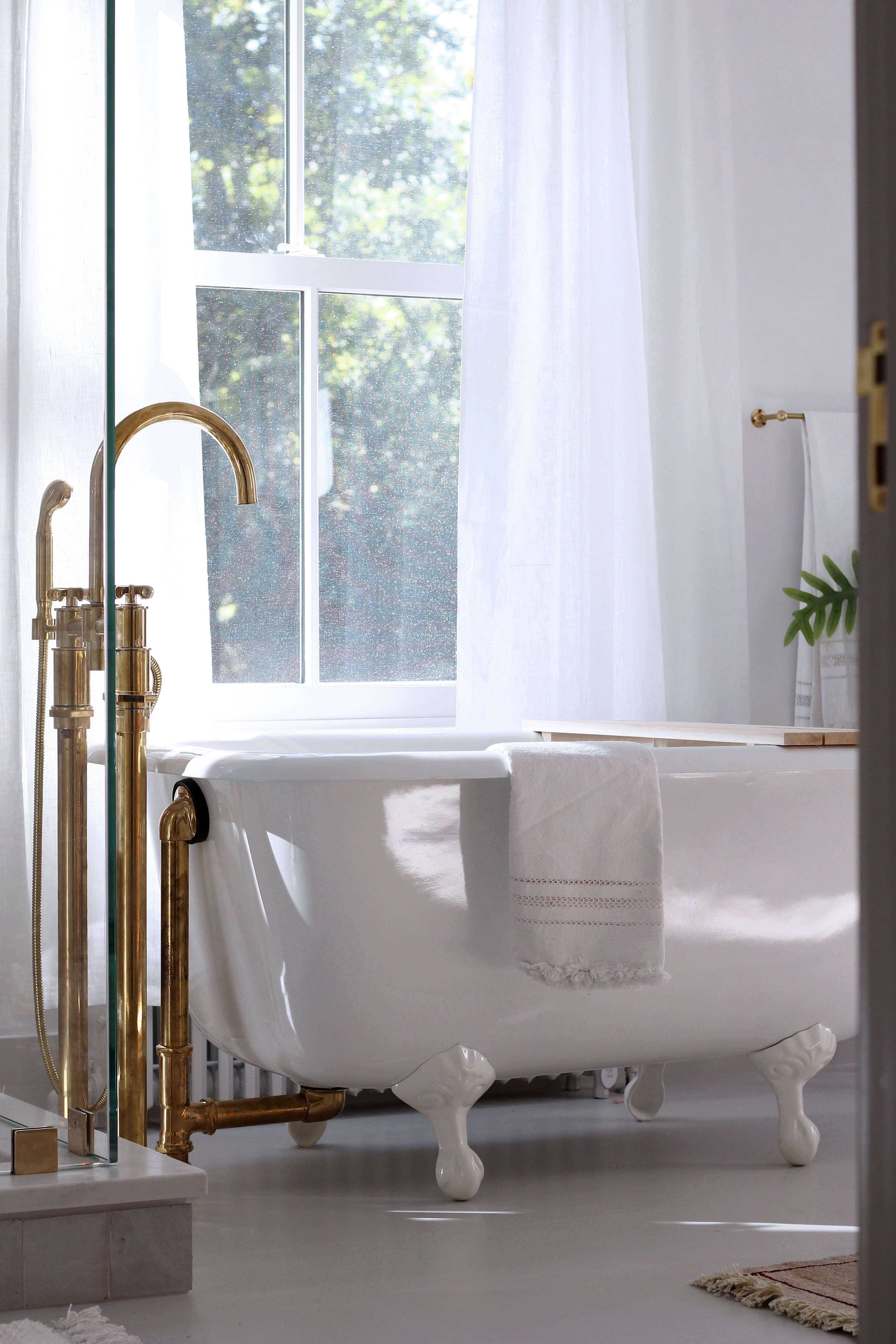
If you have ever looked at a bathroom and thought, “Nice… but where is the drama?” the Strom Plumbing Geneva 60 Inch Cast Iron Classic Style Clawfoot Tub is the kind of piece that answers that question with a flourish. This is not the sort of tub that politely blends into the background like a beige office chair. It is the bathroom equivalent of a grand piano: heavy, handsome, timeless, and impossible to ignore.
For homeowners chasing a vintage look, designers building a traditional bath, or remodelers who want a statement piece with real substance, the Geneva clawfoot tub has the right ingredients. Historical product specs associated with this model describe a cast iron body, white interior and exterior, ball-and-claw feet, a 60.5-inch length, a 30.5-inch width, a 24-inch height, a 37-by-17-inch seating area, a 14.5-inch water depth, a 41-gallon capacity, and an empty weight of 352 pounds. In other words, this is not a flimsy “looks old on Instagram” tub. It is the real, gloriously heavy deal.
In this guide, we will break down what makes the Strom Geneva clawfoot tub appealing, where it shines, what to think about before buying one, and what living with a cast iron clawfoot tub is actually like once the renovation dust settles and the bathwater starts steaming.
What Makes the Strom Geneva Tub Stand Out?
The big appeal of the Strom Plumbing Geneva 60 Inch Cast Iron Classic Style Clawfoot Tub is simple: it combines old-school elegance with the kind of material heft modern mass-market tubs often skip. Cast iron tubs are famous for their durability and heat retention, which is one reason they continue to have a devoted following even in a world packed with lighter acrylic alternatives.
On paper, the Geneva checks the boxes traditional-bath fans care about most:
- Classic clawfoot silhouette with decorative ball-and-claw feet
- Cast iron construction for durability and warmth
- White finish that works with vintage, farmhouse, and transitional bathrooms
- Five-foot length that fits more spaces than oversized freestanding tubs
- Deep soaking profile that feels more luxurious than a standard builder-grade tub
The design is especially attractive because it avoids looking fussy. Some period-style tubs lean so hard into ornament that they start to feel like theatrical props. The Geneva, by contrast, has a restrained classic style. It feels elegant, not costume-y. That makes it easier to pair with exposed plumbing, bridge faucets, polished nickel fixtures, or even a more edited modern-traditional bathroom design.
Why Cast Iron Still Has a Cult Following
Let’s talk about the elephant in the bathroom: cast iron is heavy. But it also earns that weight. Cast iron tubs are widely regarded as some of the most durable bathtubs you can buy. They resist dents better than lighter materials, the enamel surface is hard and attractive, and they tend to hold heat well, which is excellent news for anyone whose ideal evening includes hot water, a locked door, and zero small talk.
That heat retention matters more than people think. A tub can look gorgeous and still disappoint if the water cools off before you finish chapter two of your book. One of the enduring advantages of cast iron is that it helps keep bathwater warmer for longer than many lightweight options. That can make the entire bathing experience feel more substantial and more relaxing.
The material also supports the Geneva’s classic personality. A clawfoot tub in cast iron feels authentic in a way that is hard to fake. Acrylic clawfoot tubs can absolutely be practical, affordable, and attractive, but cast iron has a presence. It feels dense, quiet, solid, and permanent. The difference is a bit like comparing a lightweight costume ring to a family heirloom. Both may sparkle, but one carries more gravitas.
Size, Shape, and Everyday Comfort
At around 60 inches long, the Geneva sits in a sweet spot for many American bathrooms. It is large enough to feel like a proper soaking tub, but not so huge that it automatically demands a sprawling primary bath. If you are remodeling an older home or trying to introduce a freestanding centerpiece without sacrificing all of your usable floor area, this size is often more realistic than the giant showroom tubs that look amazing until you remember walls exist.
The historical dimensions also suggest a tub that is practical, not just pretty. A 14.5-inch water depth and 41-gallon capacity point to a satisfying soak, while the 37-by-17-inch seating area helps explain why this tub reads as comfortable rather than merely decorative. The profile is not exaggerated into a slippery sculptural object that looks wonderful in a photo and awkward in actual use.
That said, a clawfoot tub has a different feel from an alcove tub. You are stepping into a freestanding piece with higher visual presence and a more open installation style. Some homeowners love the sense of ceremony. Others realize they miss wide ledges for shampoo bottles, coffee mugs, or the questionable bath accessories they swore were “for wellness.” The Geneva is best for people who appreciate the ritual of bathing and are willing to plan around the tub rather than treat it like an afterthought.
Style Payoff: Why Designers Love This Look
There is a reason classic clawfoot tubs keep showing up in design inspiration. They photograph beautifully, yes, but more importantly, they anchor a room. A tub like the Geneva gives a bathroom a focal point that can steer the entire design language.
It works especially well in these settings:
1. Traditional Bathrooms
Marble tile, polished nickel fixtures, beadboard, and a vintage-style tub are a natural match. The Geneva feels right at home here.
2. Farmhouse Bathrooms
Pair it with warm brass, shiplap in moderation, and simple textiles. Keyword there: moderation. Your bathroom should not look like a barn staged by an overcaffeinated influencer.
3. Transitional Bathrooms
This is where the Geneva can surprise people. Set against clean wall tile, restrained colors, and modern lighting, a classic cast iron clawfoot tub can become the soulful counterpoint that keeps the room from feeling cold.
4. Period Renovations
In older homes, a tub like this can feel especially appropriate because it echoes the architectural language of the house. It looks intentional instead of imported from a design trend mood board.
What to Know Before You Buy
This is the practical section, also known as the “please do not order a 352-pound tub before checking your floor” section.
Weight and Floor Support
Cast iron tubs are heavy before water and humans enter the conversation. Once filled, the total load rises fast. That means floor structure matters. Many home-improvement experts recommend confirming that the floor is level and capable of supporting the combined weight of the tub, water, and bathers. This is not a detail to shrug off while saying, “It’ll probably be fine.”
Installation Complexity
Freestanding clawfoot tubs require thoughtful placement for waste and overflow connections, supply lines, and faucet style. Historical Geneva information also notes a no-faucet-drillings version, which means your faucet setup may need to be floor-mounted or otherwise planned around the tub configuration. Translation: this is not the moment for guesswork and optimism. A professional installer is your friend.
Bathroom Layout
A clawfoot tub needs breathing room. If you squeeze it into a tight space, the whole visual effect suffers. Freestanding tubs look best when you can appreciate the shape, the feet, and the negative space around them. Even a five-foot tub needs smart placement to avoid making the room feel cramped.
Price Positioning
One reason shoppers compare the Geneva carefully is that cast iron clawfoot tubs tend to cost more than entry-level acrylic models. Add freight shipping, faucet hardware, and installation, and the full project budget climbs. But in exchange, you are buying material quality, visual impact, and long-term durability rather than just a place to get wet.
Maintenance and Cleaning
The good news is that porcelain-enamel surfaces are generally straightforward to maintain if you treat them with some respect. The bad news is that “respect” does not include attacking them with harsh abrasives like you are trying to erase a crime scene.
Basic care tips for a tub in this category include:
- Rinse and wipe the surface after use when possible
- Use a soft cloth or nonabrasive sponge
- Avoid harsh scouring products that can dull the finish
- Address chips quickly so exposed areas are not left vulnerable
- Keep metal objects from knocking around the enamel surface
With proper care, a cast iron tub can age beautifully. In fact, that long lifespan is part of the appeal. This is not a disposable product category. It is closer to a fixture you live with for years and, if you choose well, brag about to guests in suspiciously casual tones.
Who Is the Strom Geneva Best For?
The Strom Plumbing Geneva 60 Inch Cast Iron Classic Style Clawfoot Tub makes the most sense for buyers who want a tub with true visual character and material substance. It is a strong fit for:
- Homeowners renovating a traditional or vintage-inspired bathroom
- People who actually enjoy soaking and care about heat retention
- Design-minded buyers who want a centerpiece, not just a utility tub
- Older-home renovators seeking a period-friendly look
- Shoppers willing to invest in professional installation and lasting materials
It may be less ideal for anyone seeking a lightweight DIY install, a tight budget solution, or a tub that disappears into the background. The Geneva is not subtle. That is part of the charm.
Final Thoughts
The Strom Geneva is appealing because it represents something many homeowners still want but do not always find: traditional bathroom luxury with real substance behind it. The design is classic, the cast iron construction signals durability, and the five-foot size makes it more practical than oversized fantasy tubs that belong in mansions and mood boards.
If your goal is to create a bathroom with warmth, permanence, and a little old-world swagger, this tub deserves a serious look. Yes, it is heavy. Yes, installation requires planning. Yes, it may cost more than a basic tub. But it also offers what cheaper alternatives often cannot: a sense that your bathroom contains a piece of architecture, not just plumbing.
And honestly, in a world overflowing with bland fixtures and safe choices, a classic cast iron clawfoot tub feels refreshingly committed. It knows what it is. The Geneva is not trying to be trendy. It is trying to be timeless, and that is exactly why it still works.
Extended Experience: What Living With a Tub Like This Really Feels Like
Owning a tub like the Strom Geneva tends to change the mood of a bathroom in a way that is hard to explain until you live with it. At first, most people notice the look. The room suddenly feels finished, even before every accessory is in place. The tub becomes the visual center of gravity. Guests notice it immediately. Contractors mention it. You catch yourself glancing at it on the way past the bathroom door like it is a piece of furniture you are irrationally proud of. Because, frankly, you are.
Then there is the bathing experience itself. A cast iron clawfoot tub has a ritual quality that standard tubs rarely deliver. Running the water feels more deliberate. The deep basin, the curved rim, and the open freestanding silhouette make the whole routine feel less like basic hygiene and more like a small event. That may sound dramatic, but drama is kind of the point. You do not buy a classic clawfoot tub to feel efficient. You buy it to feel slightly spoiled.
Another common experience is discovering that this type of tub changes how you style the rest of the room. Suddenly, cheap plastic accessories look deeply out of place. A nicer bath tray, better towels, a more thoughtful floor mat, and upgraded fixtures start to feel justified. The tub raises the standard, politely but firmly. It has taste, and now the room has to keep up.
There are, of course, practical realities. A heavy cast iron tub is not the kind of item you casually move around after installation because you changed your mind over the weekend. Planning matters. Cleaning behind and around a freestanding tub takes a little intention. And if you are used to sprawling products across a built-in tub deck, you may need a caddy, small stool, or nearby shelf to keep everything within reach.
Still, many homeowners find those trade-offs easy to accept because the payoff is daily. The tub feels solid underfoot, the water stays warm longer, and the bathroom gets a sense of permanence that lighter, more disposable-feeling fixtures often lack. Over time, that feeling becomes the best part. The tub no longer reads as a “special feature.” It simply becomes one of the reasons the room feels memorable, grounded, and worth spending time in.
That is the real experience of a tub like the Strom Geneva: it turns an ordinary bathroom into a room with presence. Not louder, not busier, just more confident. And for many people, that is exactly the point of choosing a cast iron clawfoot tub in the first place.














