
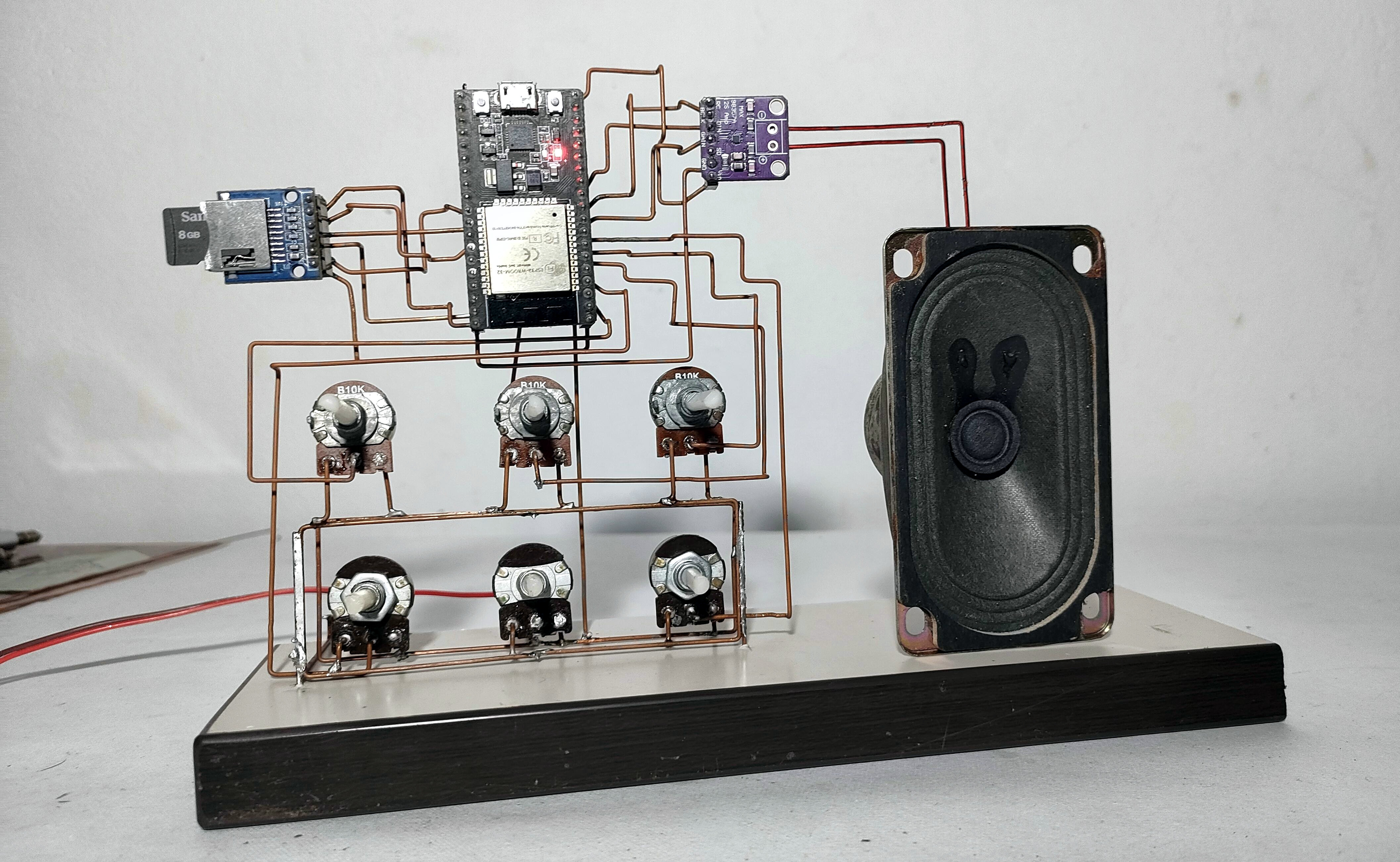
Some sleep aids look like they escaped from a hospital supply closet. Others hum like a tiny refrigerator with a side hustle. But a sweet sound sculpture? That sounds like something your coolest friend would place beside a bed and casually say, “Oh, that? It helps me sleep.” And honestly, that friend might be onto something.
A sound sculpture for sleep is not just a speaker wearing an artsy outfit. At its best, it blends calming audio, thoughtful design, and bedroom psychology into one soothing object. It may play pink noise, soft rain, low-frequency brown noise, ocean waves, or gently layered ambient tones. It may look like ceramic, wood, glass, fabric, or a minimal bedside ornament. The goal is simple: make the bedroom feel less like a stress storage unit and more like a place where your nervous system can finally stop refreshing its mental inbox.
Sleep experts often recommend a cool, dark, quiet, comfortable environment. But “quiet” does not always mean total silence. For many people, silence is where every tiny sound becomes a headline: the neighbor’s door, the refrigerator click, the mystery pipe, the one motorcycle auditioning for a superhero movie at 1:17 a.m. A carefully designed sleep sound device can mask these interruptions with a steady, pleasant soundscape. A sculptural version simply makes the tool beautiful enough to deserve a permanent place on the nightstand.
What Is a Sweet Sound Sculpture?
A sweet sound sculpture is a decorative object that produces relaxing audio meant to support sleep, rest, meditation, or a calming bedtime routine. Think of it as a sleep sound machine that went to design school, learned manners, and stopped blinking neon blue lights in your face.
The “sculpture” part matters because the bedroom is not only an acoustic space; it is also an emotional space. A cluttered, harsh, or overly digital room can keep the brain alert. A beautiful object with warm materials and gentle sound can become a cue: bedtime is starting, the day is closing, and your brain does not need to solve taxes, relationships, or why you said “you too” when the server told you to enjoy your meal.
Why Sound Can Help You Sleep
The basic sleep benefit of sound is masking. Instead of letting random noise punch holes in the night, a steady audio layer creates a more consistent background. The brain is less likely to react to sudden changes when the environment is already softly filled with predictable sound.
White noise, pink noise, and brown noise are often discussed as sleep sounds. White noise contains a broad range of audible frequencies and can sound like static, a fan, or rushing air. Pink noise has relatively more low-frequency energy and often feels softer, like rainfall or wind through trees. Brown noise is deeper still, closer to distant thunder, a strong waterfall, or a cozy low rumble.
The best choice is personal. One sleeper may love pink noise because it sounds balanced and gentle. Another may prefer brown noise because it blocks street noise better. Someone else may want nature sounds because the brain says, “Ah yes, forest,” even though the body is definitely lying under a comforter beside a phone charger.
The Science Behind Sleep Sounds
Research on sleep sounds is promising but not magical. Studies and clinical discussions suggest that steady sounds may help some people fall asleep faster, reduce awakenings from environmental noise, and improve perceived sleep quality. Pink noise has received special attention because some research connects it with slow-wave sleep, the deep stage associated with physical restoration and memory processing.
However, sound is not a universal cure for insomnia. If someone has chronic sleep trouble, loud snoring, breathing pauses, restless legs, severe anxiety, pain, or persistent daytime sleepiness, a sound sculpture should not be treated as a tiny bedside doctor. It is better understood as part of good sleep hygiene: regular bedtime, reduced evening light, a cool room, comfortable bedding, limited caffeine late in the day, and a relaxing routine.
White Noise: The Classic Blanket
White noise is useful because it covers many frequencies at once. It can hide traffic, hallway noise, and small household sounds. The downside is that some people find it sharp or hissy, especially at higher volume. If white noise makes you feel like you are sleeping inside a radio from 1987, try pink or brown noise instead.
Pink Noise: The Gentle Middle Ground
Pink noise is often described as smoother than white noise. Rainfall, soft wind, and steady ocean waves can have pink-noise-like qualities. This makes it a popular choice for people who want masking without harshness. A sweet sound sculpture built around pink noise can feel less like a machine and more like a small weather system politely working the night shift.
Brown Noise: The Deep Comfort Layer
Brown noise has more low-frequency emphasis. It can feel heavier, warmer, and more cocoon-like. Some people use it to mask low rumbles from city streets, upstairs neighbors, or air-conditioning systems. For sensitive sleepers, brown noise can be either wonderful or too intense, so volume and speaker quality matter.
Why the “Sculpture” Design Improves the Experience
A regular sleep sound machine may work perfectly, but design changes behavior. If a device looks calming, feels pleasant, and belongs in the room, people are more likely to use it consistently. Consistency is the secret sauce of sleep routines. The brain loves patterns. When the same soft sound starts at the same time each night, it can become a signal that the body should slow down.
Materials can also affect the vibe. A wooden sound sculpture feels warmer than a glossy plastic cube. Ceramic can look serene and handmade. Fabric-covered speakers soften the visual language. Rounded shapes feel less aggressive than sharp edges. Even the absence of a bright display matters. Nothing says “peaceful bedtime” like not being stared down by a glowing digital clock that appears to be judging your life choices.
How a Sweet Sound Sculpture Fits Into Sleep Hygiene
Sleep hygiene is the collection of habits and environmental choices that support regular, refreshing sleep. A sound sculpture can support several of them at once: it masks noise, adds ritual, reduces dependence on scrolling, and makes the bedroom feel intentionally restful.
Here is the key: use the sound sculpture as a cue, not as entertainment. The goal is not to play dramatic whale jazz, thunder explosions, or a 47-minute rainforest track with one surprise bird that screams like a haunted kettle. Choose steady, predictable, low-volume audio. Sleep sounds should be boring in the best possible way.
Best Sounds for a Sleep Sound Sculpture
Soft Rain
Rain is popular because it is naturally steady but not sterile. It feels organic, familiar, and emotionally cozy. A soft rain loop works well for people who want comfort without a strong mechanical tone.
Ocean Waves
Ocean waves can be relaxing when the rhythm is slow and even. Avoid tracks with sudden crashes, seagulls, or dramatic storm energy unless your bedtime fantasy is “ship captain in mild danger.”
Fan Sound
A fan sound is simple, consistent, and effective for masking. It is especially useful for people who already associate fan noise with sleep but do not want actual airflow.
Pink Noise
Pink noise is a strong all-purpose choice because it masks sound while staying relatively gentle. It is ideal for apartments, shared homes, and light sleepers.
Brown Noise
Brown noise may be best for people who need deeper sound masking. It can create a feeling of weight and privacy, especially in noisy urban environments.
Volume Matters More Than You Think
The most common mistake with sleep sounds is playing them too loudly. A sound sculpture should blend into the room, not dominate it. If the volume makes you think about the sound, it may be too high. A useful rule is to keep it just loud enough to soften disruptive noise but quiet enough that your attention can drift away from it.
Safe listening matters, especially if the device is near your head or used all night. Lower volume is usually better. Many sleepers also prefer a timer that gradually fades the sound after 30, 60, or 90 minutes. Others sleep better with continuous sound all night because sudden silence can make outside noises more noticeable. The right setting depends on your environment and sensitivity.
Where to Place a Sleep Sound Sculpture
Placement changes performance. If the main problem is noise from the window, place the sound sculpture between the bed and the window. If hallway noise is the villain, place it closer to the door. If the goal is a soothing bedtime ritual rather than masking, the nightstand works well.
Do not put the speaker directly beside your ear unless the volume is very low. A few feet away is often more comfortable. The sound should fill the room lightly, like warm light from a lamp. It should not feel like a tiny concert dedicated to the inside of your skull.
Who Benefits Most From Sleep Sound Sculptures?
Light sleepers are obvious candidates. So are apartment dwellers, shift workers, parents, students, people with noisy partners, and anyone whose bedroom is near traffic, elevators, barking dogs, or enthusiastic garbage trucks. A sound sculpture may also help people who feel uncomfortable in silence because silence gives their thoughts too much stage time.
It can be especially useful for building a pre-sleep ritual. Turn down lights, put the phone away, start the sound sculpture, stretch for two minutes, read a few pages, and let the room become predictable. The human brain is wonderfully advanced, but at bedtime it often behaves like a nervous golden retriever. Routines help.
Features to Look For
Non-Looping or Seamless Audio
Bad loops can wake you up. Once you notice the repeat point, your brain may start waiting for it. Choose a device with seamless loops or generative sound that changes subtly without sudden events.
Warm, Dimmable, or No Lights
Bright lights can interfere with a restful bedroom. A sleep sound sculpture should avoid harsh LEDs or allow complete darkness.
Simple Controls
At bedtime, nobody wants to operate a spaceship. Buttons should be easy to understand by touch. Bonus points if the device remembers your favorite sound and volume.
Natural Materials
Wood, ceramic, stone-like finishes, and soft fabric can help the sculpture feel less like electronics and more like decor. This supports the emotional side of sleep design.
Timer and Fade Options
A gradual fade can prevent abrupt silence. A timer also saves energy and helps people who only need sound while falling asleep.
Common Mistakes to Avoid
First, do not use exciting audio. Podcasts, music with lyrics, news, and video soundtracks keep the mind engaged. The goal is not content; the goal is atmosphere.
Second, avoid constantly switching sounds. Testing is fine for a few nights, but once you find a track that works, keep it consistent. Your brain learns through repetition.
Third, do not use the sculpture to cover up serious sleep problems. If you regularly wake gasping, experience extreme daytime sleepiness, or have insomnia lasting weeks, speak with a healthcare professional. A beautiful bedside object can help the room, but it cannot diagnose a medical issue.
How to Create a Better Bedtime Routine Around It
Start the sound sculpture 20 to 30 minutes before bed. Let it become part of the transition from active evening to rest. Pair it with dim lights, a cooler room, and a screen cutoff. If you use your phone as the audio source, set it across the room or use airplane mode so your “sleep tool” does not become a glowing portal of chaos.
A simple routine might look like this: set tomorrow’s clothes out, lower the lights, start pink noise, brush teeth, write down three tasks for tomorrow, read something calm, and get into bed. That tiny checklist tells the brain, “We are closed for business.”
The Interior Design Angle: Beauty Helps Behavior
People underestimate how much bedroom design affects sleep habits. A room that feels peaceful encourages peaceful behavior. A room piled with laundry, cables, work papers, and blinking devices quietly tells the brain to stay on duty. A sweet sound sculpture works best when it is part of a larger sleep-friendly environment: soft lighting, breathable bedding, comfortable temperature, less clutter, and fewer visual distractions.
The object itself can become an anchor. Just as a candle can mark the beginning of a bath or a favorite mug can mark morning coffee, a sound sculpture can mark bedtime. The beauty is not superficial. It helps turn a health habit into a sensory ritual.
Real-Life Example: The City Sleeper
Imagine someone living beside a busy street. Every night brings delivery trucks, scooters, late conversations, and the occasional car alarm performing its one-song album. Earplugs help but feel uncomfortable. Total silence is impossible. A sleep sound sculpture placed near the window plays low pink noise with a soft rain texture. The traffic does not disappear, but it becomes less sharp. Instead of waking to every sudden sound, the sleeper hears a steady layer that makes the room feel more private.
Real-Life Example: The Overthinking Sleeper
Another person has a quiet bedroom but a loud mind. The moment the lights go off, thoughts arrive with clipboards. A soft brown-noise sculpture becomes part of a nightly shutdown routine. The sound gives the brain a neutral place to rest attention. It is not thrilling. That is the point. Boring, steady sound can be a surprisingly elegant ladder down from mental chatter.
Experience Section: Living With a Sweet Sound Sculpture
The first thing you notice about a good sleep sound sculpture is that it does not announce itself as technology. It sits quietly, maybe on a nightstand or shelf, looking more like an intentional decor piece than another gadget waiting for a firmware update. That matters because bedtime is one of the few moments in modern life when less technology usually feels better. A sculptural sleep device can deliver the function without making the room feel like a charging station with pillows.
In everyday use, the best experience begins before you are actually tired. Starting the sound too late can make it feel like a rescue mission. Starting it earlier makes it feel like atmosphere. Around 30 minutes before bed, the soft sound begins. Maybe it is rain. Maybe it is pink noise with a gentle airy texture. The room changes. Not dramatically, like a movie scene where someone discovers a secret portal, but subtly. The edges soften. Small noises stop feeling so rude. The bed starts looking less like furniture and more like an excellent life decision.
After a few nights, the sound becomes familiar. Familiarity is powerful. The brain does not need to analyze it anymore. It knows this sound. It knows what comes next. This is why consistency matters more than chasing the “perfect” track every evening. A sleep routine works best when it is pleasantly predictable. Switching sounds nightly can turn bedtime into a product review. Keeping one favorite sound lets the body build an association.
There is also a surprising emotional benefit. A beautiful sound sculpture can make sleep feel cared for. Many people treat sleep as whatever happens after everything else is done. Work gets planning. Meals get planning. Phones get cases, chargers, updates, and tiny microfiber cloths. Sleep gets leftovers. Adding one thoughtful object to the bedroom can shift that attitude. It says rest deserves design too.
The most practical lesson is volume control. Louder is not better. In fact, louder can become annoying or stimulating. The sweet spot is low and steady, barely above the level needed to blur interruptions. When the volume is right, you stop listening directly. The sound becomes part of the room, like air.
A timer can be helpful for people who only need support while falling asleep. But continuous play may be better for sleepers in noisy environments, because the middle of the night is when random sounds become most disruptive. The ideal approach is to test both for several nights, not just once. Sleep is moody. One bad night does not mean the method failed; it may simply mean your brain brought popcorn to the anxiety theater.
Over time, a sweet sound sculpture becomes less about sound alone and more about permission. Permission to stop checking messages. Permission to let tomorrow wait. Permission to create a small nightly ritual that does not require perfection, only repetition. It will not fix every sleep problem, and it should not be sold as magic. But as part of a calm bedroom, steady routine, and healthier sleep habits, it can be a charming and genuinely useful companion. It is art with a job, sound with manners, and possibly the most peaceful thing on your nightstand besides a book you keep meaning to finish.
Conclusion
A sweet sound sculpture helps you sleep soundly by combining three powerful ideas: steady sleep-friendly audio, calming visual design, and routine-building psychology. It masks disruptive noise, creates a relaxing bedtime cue, and makes the bedroom feel more intentional. Whether you prefer pink noise, brown noise, soft rain, ocean waves, or a fan-like hum, the best sound is the one you can ignore peacefully.
For the best results, keep the volume low, choose predictable audio, avoid bright lights, and use the sculpture as part of a broader sleep routine. It is not a cure for serious sleep disorders, but it can be a beautiful helper for everyday rest. In a world full of buzzing phones, busy streets, and brains that refuse to clock out, a little sculpted sound may be exactly the bedtime upgrade your room has been waiting for.
Note: This article is written for general informational and web publishing purposes. It is based on sleep-health guidance, sound-masking principles, and current research summaries, but it is not medical advice. Readers with ongoing sleep problems should consult a qualified healthcare professional.












