
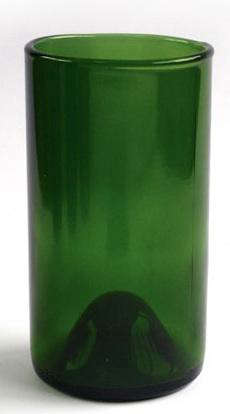
Some tabletop pieces whisper. Others walk into the dining room wearing boots, carrying a backstory, and casually stealing the conversation before the salad hits the table. Wine punt drinking glasses belong to the second group. They are sturdy, stylish tumblers made from the bottom portion of wine bottles, often keeping the distinctive puntthe rounded indentation at the baseas a design feature. The result is a glass that feels familiar, unusual, rustic, modern, and slightly mischievous all at once.
In a world where tableware can sometimes feel painfully perfect, wine punt drinking glasses bring a welcome dose of character. They have the color of old bottle glass, the weight of a serious tumbler, and the satisfying charm of something that has already lived one life before showing up for dinner. They are not trying to be delicate crystal. They are not trying to impress your aunt who owns napkin rings for every federal holiday. They are here to serve sparkling water, lemonade, iced tea, mocktails, juice, and everyday drinks with relaxed confidence.
More importantly, they fit beautifully into the way many people now think about home design: buy fewer things, choose pieces with stories, and make the table feel personal rather than showroom-stiff. A wine punt glass is not just a cup. It is a small lesson in reuse, a tactile design object, and a surprisingly practical piece of drinkware.
What Are Wine Punt Drinking Glasses?
Wine punt drinking glasses are tumblers made by cutting and finishing used wine bottles. The word “punt” refers to the indentation at the bottom of many wine bottles. On the original bottle, the punt may have historical, structural, handling, or branding associations depending on the bottle style. Once repurposed into a glass, that indentation becomes the most eye-catching part of the design.
The transformation is simple in concept but demanding in execution. A bottle is cleaned, cut, sanded, polished, and finished until the rim is smooth enough for drinking. Makers may preserve the bottle’s original color, shape, thickness, and base curve. That is why no two sets always look exactly alike. Green, amber, clear, olive, and smoky glass can all create different moods on the table.
The appeal is easy to understand. These glasses look handmade without looking homemade. They have the relaxed style of a neighborhood bistro, the environmental wink of an upcycled product, and the useful shape of an everyday tumbler. In short, they are the rare tableware item that can sit beside a linen napkin or a paper plate and still know exactly who it is.
Why the Punt Matters
The punt is the little design detail that gives these glasses their name and personality. Historically, wine bottle punts are often connected to old glassblowing techniques, bottle stability, sediment collection, pressure resistance in sparkling wine bottles, and even the way a bottle feels when poured. Today, the punt is also part of branding and visual identity. Some bottles have shallow punts. Others have deep, dramatic ones that look like they are auditioning for a design museum.
When the bottle becomes a drinking glass, the punt changes jobs. Instead of being hidden under the bottle, it becomes part of the user experience. It adds weight to the base, creates visual depth, and gives the glass a sculptural quality. Hold one up to the light and the thick glass at the bottom catches color in a way ordinary flat-bottom tumblers often do not.
That small indentation also gives the glass a pleasingly grounded feel. Many wine punt tumblers sit heavily on the table, making them less tippy than some lightweight glasses. They feel substantial in the hand, which is one reason they work so well for casual tabletop settings. They do not ask to be handled like museum artifacts. They invite use.
A Sustainable Tabletop Choice With Real Style
Sustainability has become a major theme in home goods, but the best sustainable products do not lecture from the shelf. They simply work well and look good doing it. Wine punt drinking glasses are a strong example because they give discarded or surplus bottles a second life as useful tableware.
Glass is especially interesting from an environmental perspective because it can be recycled repeatedly without losing quality. Repurposing bottles into drinkware goes one step further: instead of melting the glass down and remanufacturing it, makers preserve much of the existing bottle. That can reduce waste while creating a product with visible character. It is recycling with a plot twist.
For restaurants, bars, event hosts, and homeowners, these glasses also send a subtle message. They suggest that thoughtful design does not have to be precious. A table can be beautiful and still practical. A glass can be humble and still memorable. And yes, your water glass can have more backstory than your average streaming documentary.
Design Appeal: Rustic, Modern, and Unexpected
Wine punt drinking glasses are unusually flexible from a design standpoint. Their roots are rustic, but their silhouettes can feel clean and modern. The straight sides of a cut wine bottle create a simple tumbler shape, while the punted base adds texture and interest. This balance makes them easy to style in different interiors.
For farmhouse tables
Pair green or amber punt glasses with wood boards, linen napkins, stoneware plates, and seasonal flowers. The recycled glass looks right at home beside natural textures. It feels warm, casual, and welcoming without trying too hard.
For modern kitchens
Clear or smoky punt glasses can work beautifully with matte black flatware, white plates, and minimalist table linens. The glass adds just enough irregularity to prevent the setting from looking too sterile. Think clean lines with a tiny rebellion in the base.
For outdoor entertaining
These tumblers are excellent for patio dinners, brunches, and backyard gatherings. Their sturdy base feels appropriate for picnic tables and outdoor trays. They still require normal glassware care, of course, but visually they are far less fussy than stemmed pieces.
Everyday Uses Beyond Wine
Despite the name, wine punt drinking glasses do not need to be reserved for wine. In fact, their best role may be as everyday tumblers. They are ideal for water, sparkling water, iced tea, lemonade, cold brew, juice, shrubs, spritzers, and non-alcoholic party drinks. The wide opening and sturdy body make them useful from breakfast to dinner.
A 12-ounce wine punt glass is a practical size for daily drinks. A 16-ounce version works well for iced beverages, especially when you want room for cubes, citrus slices, or herbs. Smaller versions can be used for tasting portions, desserts, yogurt parfaits, or even small floral arrangements.
The color of the glass can also influence how drinks look. Green glass makes citrus drinks feel garden-party fresh. Amber glass warms up iced tea and apple cider. Clear glass shows off layered drinks, berries, and garnishes. Olive glass adds a moody, restaurant-style touch that says, “Yes, I know what a tablescape is, but I promise I am still fun.”
How to Choose Good Wine Punt Drinking Glasses
Not all repurposed bottle glasses are created equal. Some are beautifully finished and comfortable to use. Others may look charming online but feel awkward in real life. When shopping for wine punt drinking glasses, focus on craftsmanship, comfort, size, and consistency.
Check the rim finish
The rim is the most important detail. It should be smooth, rounded, and polished. A rough or uneven rim is not just unpleasant; it defeats the purpose of turning a bottle into drinkware. Quality makers usually flame-polish, sand, or otherwise finish the rim so it feels comfortable against the lips.
Consider the weight
Wine punt glasses often have a heavier base because they come from bottle bottoms. This can feel luxurious and stable, but very heavy glasses may not suit everyone. For daily use, look for a comfortable balance: substantial enough to feel durable, not so heavy that drinking iced tea becomes a forearm workout.
Choose the right capacity
For water and casual drinks, 10 to 12 ounces is versatile. For iced beverages, larger 14 to 16-ounce glasses may be better. Smaller glasses can look elegant for tastings, desserts, or children’s table settings using non-alcoholic drinks. Capacity matters because the punt takes up some internal volume, so a glass may look larger than it actually holds.
Look for set consistency
Part of the charm of upcycled glassware is variation. Still, a good set should feel intentional. The glasses should be similar enough in height, rim quality, and stability to work together on a table. A little difference is character. Too much difference is a cabinet argument waiting to happen.
Care and Cleaning Tips
Wine punt drinking glasses should be treated with the same respect as other quality glassware. Some makers may label their glasses dishwasher-safe, while others recommend hand washing. Always follow the maker’s care instructions. When in doubt, hand wash with mild dish soap and warm water.
Avoid sudden temperature changes. Do not pour boiling liquid into a glass made from a repurposed bottle unless the maker specifically says it is safe for hot beverages. Most wine bottles were not designed to be thermal-shock-resistant drinkware. They may be sturdy, but sturdy does not mean invincible. Even superheroes have paperwork.
To preserve clarity, dry the glasses with a lint-free towel after washing. If you live in an area with hard water, occasional mineral spots may appear. A gentle vinegar rinse can help remove deposits, but avoid abrasive scrubbers that could scratch the surface. Store the glasses upright if the rims are delicate or if your shelves are hard. If storing upside down, make sure they are fully dry first.
Styling Wine Punt Glasses on the Table
The best way to style wine punt drinking glasses is to let their texture and color do the work. They already have visual interest, so they do not need a theatrical supporting cast. A simple table setting often makes them shine.
For a casual dinner, place one punt glass above each knife with a folded linen napkin on the plate. Add a carafe of water, a small bowl of citrus wedges, and a low centerpiece. The glasses will add color without clutter.
For brunch, use clear or green punt glasses with orange juice, sparkling water, or iced coffee. Pair them with white plates, woven placemats, and small jars of flowers. The result feels fresh but not overly styled.
For a holiday table, mix amber glasses with candles, greenery, and warm-toned dishes. The thick glass catches candlelight beautifully. It creates atmosphere without requiring glitter, which is a blessing because glitter is not decorit is a long-term roommate.
Are Wine Punt Glasses Worth It?
Wine punt drinking glasses are worth considering if you enjoy tableware with personality, sustainability, and everyday function. They are not the right choice for every situation. If you want ultra-thin crystal or perfectly identical glassware, you may prefer traditional tumblers. But if you like pieces that feel handmade, sturdy, and conversation-friendly, punt glasses are hard to beat.
They also make excellent gifts. A set of recycled wine bottle glasses feels more personal than a generic box of tumblers, especially for hosts, design lovers, eco-minded friends, newlyweds, or anyone building a first apartment kitchen. They say, “I thought about your home,” not “I panic-bought this near the checkout line.”
The strongest argument for wine punt glasses is simple: they make ordinary drinks feel a little more interesting. A glass of water becomes a design moment. Iced tea looks like it belongs in a sunny courtyard. A mocktail gets restaurant energy. Even leftover lemonade looks like it has hired a publicist.
Experience Notes: Living With Wine Punt Drinking Glasses
The first thing you notice when using wine punt drinking glasses is the weight. They land on the table with a quiet confidence that lightweight tumblers rarely have. It is not a clumsy heaviness; it is more like the glass knows it has a job. At a dinner table, that weight makes the setting feel grounded. Guests tend to pick them up, turn them slightly, and ask, “Wait, are these made from bottles?” That question is exactly why these glasses work so well. They start conversations without needing a speech.
In everyday use, they are surprisingly adaptable. I have seen them used for morning water, iced coffee, sparkling lemonade, cucumber-mint coolers, berry spritzers, and simple juice. They look especially good with drinks that have color or texture. A clear tumbler may show a drink plainly, but a green or amber wine punt glass gives it atmosphere. Lemon slices look brighter. Ice looks more sculptural. Even plain water feels like it wandered in from a boutique hotel lobby.
They also change the mood of casual meals. Put one beside a grilled cheese sandwich and the plate feels more intentional. Use a set at a weekend brunch and suddenly the table looks curated, even if the main dish is pancakes that came out slightly shaped like geography. The glasses do not demand formality. They add style while allowing the meal to stay relaxed.
One practical experience worth noting is that the punted base can affect how the glass feels when nearly empty. Because the bottom is thick and indented, the last bit of liquid may pool differently than it does in a flat-bottom tumbler. This is not a problem, but it is part of the personality. The glass reminds you that it came from a bottle. It has a past life, and apparently that past life included architectural opinions.
Another thing users tend to appreciate is durability of feel. These glasses often seem more robust than delicate stemware. Still, they should not be treated carelessly. The rim is the critical area, especially because it has been cut and finished. A well-made glass will feel smooth and safe, but careless stacking or rough sink handling can still cause chips. The best habit is simple: wash gently, dry fully, and avoid tossing them into the sink with forks, knives, and the mystery spoon that appears in every household.
For hosting, wine punt drinking glasses are especially useful because they bridge different styles. They work with rustic boards, modern plates, vintage silverware, and casual outdoor settings. If you own mismatched dishes, they can pull the table together because their shared material and color create a theme. If you own matching dishes, they keep the table from looking too perfect. They are the tabletop equivalent of rolling up your sleeves with a blazer.
The best experience comes from using them often, not saving them for “someday.” Their charm grows when they become part of daily rituals: a glass of water at your desk, iced tea after school or work, lemonade on the porch, or sparkling water during dinner. That is when their sustainability story feels most honest. They are not decorative guilt-reducers hiding in a cabinet. They are useful objects doing useful work, beautifully.
Conclusion
Wine punt drinking glasses prove that tabletop design does not need to be formal to be memorable. By transforming the bottom of a wine bottle into a functional tumbler, these glasses combine reuse, craftsmanship, texture, and everyday practicality. They bring depth to the table, both visually and literally, thanks to the distinctive punted base.
For anyone building a more personal, sustainable, and stylish home, wine punt glasses are a smart addition. They work for daily hydration, casual entertaining, brunch spreads, outdoor dinners, and gift giving. They are simple enough for everyday use yet distinctive enough to make guests pause and smile. That is the sweet spot of good design: useful, beautiful, and just quirky enough to avoid becoming boring.
Note: This article is written for publication-ready use and intentionally omits visible source links inside the article body.














