
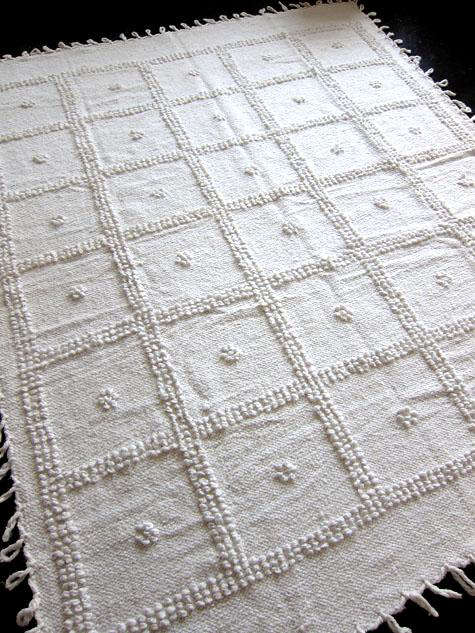
Temoayan blankets are the kind of home textile that quietly walks into a room, drops a little cultural history on the sofa, and then makes everyone wonder why their old throw blanket looks like it gave up in 2017. Rooted in the textile traditions of Temoaya, a municipality in the State of Mexico known for its Otomí heritage and hand-knotted wool work, these blankets and blanket-inspired pieces blend warmth, craftsmanship, and decorative personality in a way that feels both rustic and refined.
The term “Temoayan blankets” is often used to describe chunky, handwoven, hand-knotted, or Otomí-inspired blankets connected to Temoaya’s artisan tradition. Some pieces lean closer to bedspreads or throws, while others borrow from the same visual language as Temoaya’s famous hand-knotted rugs: bold motifs, natural materials, raised texture, and designs that look like they have a story to tell. Spoiler alert: they usually do.
What Are Temoayan Blankets?
Temoayan blankets are best understood as artisan-style blankets associated with Temoaya, Mexico, a region widely recognized for Otomí textile culture and Persian-influenced hand-knotting techniques adapted into Mexican design. Traditional Temoaya textiles often use wool and cotton, with some pieces woven or knotted on wooden looms. The result is a textile that feels substantial, tactile, and visually rich.
Unlike a factory-made fleece throw that arrives vacuum-packed and slightly suspicious, a true Temoayan-style blanket has a human-made presence. It may feature thick texture, natural fibers, geometric shapes, birds, flowers, animals, or symbolic patterns inspired by Indigenous Mexican art. These are not merely “blankets” in the grab-it-before-a-movie-night sense. They are decorative textiles that can warm a bed, soften a room, and give a space the layered look interior designers are always pretending happened “effortlessly.”
The Cultural Roots Behind Temoayan Blankets
Temoaya and Otomí Textile Heritage
Temoaya is strongly associated with the Otomí people, one of Mexico’s Indigenous groups with a deep history in central Mexico. The area is known for its Otomí Ceremonial Center, local craft traditions, and especially its textile production. Before Temoaya became famous for hand-knotted rugs, the region already had a weaving heritage that included garments, wraps, sashes, and other handmade textiles.
The most famous Temoaya textile tradition involves hand-knotted wool rugs that combine Persian-style techniques with Mexican motifs. Over time, similar design ideas influenced blankets, bed covers, throws, and decorative textiles marketed to design lovers who want something warmer than a museum wall label but more meaningful than a plain beige rectangle.
A Fusion of Persian Technique and Mexican Design
One of the most interesting things about Temoayan blankets and related textiles is the blend of influences. The hand-knotting technique used in many Temoaya rugs was inspired by Persian carpet-making, but the designs are unmistakably Mexican. Think Otomí birds, flowers, nature symbols, abstract forms, and strong graphic compositions.
This fusion gives Temoayan-style textiles their special charm. They are not frozen in the past, and they are not trendy in the shallow, “this will be everywhere for three weeks” kind of way. Instead, they represent a living craft tradition: old skills, local identity, and design evolution all sharing the same couch.
Common Materials Used in Temoayan Blankets
Authentic or artisan-made Temoayan blankets often feature natural fibers such as wool and cotton. Wool provides warmth, resilience, and a slightly rustic hand-feel, while cotton adds structure and breathability. Some pieces may use undyed or virgin cotton, giving them a soft, natural tone that works beautifully in minimalist, farmhouse, bohemian, and organic-modern interiors.
However, shoppers should pay attention to product details. Not every item labeled “Otomí,” “Temoaya,” or “Mexican blanket” is handmade or made from natural fibers. Some modern versions are printed fleece or polyester throws inspired by Otomí patterns. These can still be attractive and budget-friendly, but they are different from handwoven or hand-knotted artisan textiles.
Design Features That Make Temoayan Blankets Stand Out
Texture With Personality
The first thing people usually notice about Temoayan blankets is texture. Many pieces are thick, raised, chunky, or visually dimensional. Instead of lying flat and whispering, “I am a blanket,” they announce themselves politely from across the room.
This texture makes them excellent for layering. A Temoayan blanket can sit at the foot of a bed, drape over a reading chair, or stretch across a sofa to add depth. In neutral rooms, it creates warmth. In colorful rooms, it adds craft and structure. In boring rooms, it stages a quiet but firm intervention.
Otomí-Inspired Motifs
Many Temoayan-style blankets and textiles use motifs associated with Otomí visual culture. These can include animals, birds, deer, flowers, plants, stars, and geometric forms. In traditional contexts, these motifs can connect to nature, spirituality, fertility, protection, and storytelling. In home decor, they bring energy and movement without needing to shout.
That is one reason Otomí-inspired designs have become popular in American interiors. They offer color, history, and whimsy, but they still feel sophisticated when styled with care. A patterned Temoayan blanket can make a plain white bed look curated instead of unfinished, which is a small miracle for anyone who makes the bed by pulling the comforter up and hoping for applause.
How to Style Temoayan Blankets at Home
On the Bed
The easiest way to style a Temoayan blanket is at the foot of the bed. Fold it lengthwise and let the texture create a tailored but cozy finish. This works especially well with white sheets, linen duvets, wood furniture, and warm neutral palettes. If the blanket is patterned, let it be the hero. The bed does not need seven competing prints unless your design goal is “laundry basket with ambition.”
On the Sofa
A Temoayan blanket can instantly upgrade a sofa. Drape it casually over one arm for a relaxed look, or fold it neatly across the back for a cleaner arrangement. In a living room with leather, rattan, oak, or terracotta accents, the textile adds softness and cultural texture. In a modern apartment, it prevents the space from feeling too sterile.
As Wall Decor
Some Temoayan blankets are beautiful enough to hang as textile art. This is especially true for pieces with strong motifs or raised patterns. A wall-hung blanket can soften acoustics, introduce handmade character, and make a room feel collected rather than decorated in one frantic afternoon.
In a Reading Nook
If you have a reading chair, a lamp, and a small table, congratulations: you are one blanket away from becoming a person who says things like “my little corner.” A Temoayan blanket adds warmth and makes the space feel intentionally cozy. Pair it with a ceramic mug, a good book, and the confidence to ignore emails for at least 22 minutes.
How to Choose a Quality Temoayan Blanket
When shopping for Temoayan blankets, start by checking the materials. Wool and cotton blends usually indicate a more traditional, durable piece. If the description says polyester fleece, microfiber, or printed fabric, the item may be Otomí-inspired rather than artisan-made. That is not automatically bad, but the price and expectations should match the product.
Next, look for information about origin and production. A trustworthy seller should clearly explain whether the blanket is handmade, handwoven, hand-knotted, or simply printed with a traditional-style pattern. If a product claims to be artisan-made but provides no details about the makers, materials, or location, proceed with the same caution you would use when someone says, “Trust me, this sofa will fit through the door.”
Finally, inspect the design. Handmade pieces often have slight variations, which are not flaws but signs of human craftsmanship. Perfectly identical patterns may indicate machine production. For collectors and design lovers, those small differences are part of the appeal.
Care Tips for Temoayan Blankets
Because many Temoayan blankets are made with wool, cotton, or handworked fibers, gentle care is essential. Always check the care label first. For wool-rich pieces, avoid harsh washing, hot water, bleach, aggressive scrubbing, and high-heat drying. Wool can shrink, felt, or lose shape when treated like a gym towel with emotional baggage.
For regular maintenance, shake the blanket outdoors to remove dust, air it out occasionally, and use a soft brush or low-suction vacuum attachment if needed. For small spills, blot immediately with a clean cloth. Do not rub, because rubbing can push stains deeper and disturb the fibers. If the piece is valuable, vintage, or heavily textured, professional cleaning is the safest option.
Printed fleece versions are usually easier to clean and may be machine washable, but again, the label wins every argument. Wash cold, use gentle detergent, and avoid high heat unless the manufacturer specifically allows it.
Temoayan Blankets vs. Regular Mexican Blankets
Many shoppers confuse Temoayan blankets with other Mexican blankets, especially the colorful striped serape-style blankets commonly used for picnics, yoga, beach days, and rustic decor. Both can be beautiful, but they are not the same thing.
A serape-style Mexican blanket is usually flat-woven, striped, lightweight to medium weight, and often brightly colored. A Temoayan blanket, by contrast, is more closely tied to Temoaya’s Otomí and hand-knotted textile tradition. It often emphasizes texture, symbolic motifs, wool-cotton construction, and a more decorative, heirloom-like appearance.
In simple terms: a serape blanket is the cheerful friend who brings snacks to the picnic. A Temoayan blanket is the artistic friend who arrives with a story, a great outfit, and possibly a hand-thrown ceramic bowl.
Why Temoayan Blankets Appeal to Modern Home Decor Lovers
Temoayan blankets fit beautifully into several popular American interior styles. In bohemian homes, they add pattern and global craft. In modern rustic spaces, they bring warmth and handmade character. In minimalist rooms, a neutral Temoayan blanket can add texture without clutter. In maximalist rooms, a patterned version can join the party without spilling salsa on the rug.
They also appeal to shoppers who want more meaningful home goods. Instead of buying another generic throw that looks like it was designed by a committee of tired beige enthusiasts, people are looking for textiles with place, process, and personality. Temoayan blankets offer all three.
Ethical Buying Matters
Because Temoayan blankets are connected to Indigenous design traditions, ethical buying is important. Whenever possible, purchase from sellers who work directly with artisans, cooperatives, or transparent sourcing partners. Look for clear product descriptions, fair pricing, and respectful language that credits Otomí or Temoaya craft heritage.
Cheap imitations can copy the look while ignoring the people and traditions behind it. A lower price may be tempting, but it can also mean mass production, synthetic materials, or cultural design used without fair benefit to the communities that inspired it. Buying thoughtfully helps support craft continuity and encourages better marketplace practices.
Are Temoayan Blankets Worth It?
For anyone who values texture, cultural design, and artisan craftsmanship, Temoayan blankets can absolutely be worth it. They are not always the cheapest option, but they offer more than basic warmth. A good Temoayan blanket can act as bedding, a throw, wall decor, a conversation piece, and a long-lasting design accent.
The key is knowing what you are buying. A handmade wool-cotton blanket deserves a higher price than a printed polyester throw. Both can have a place in the home, but they should not be judged by the same standards. One is closer to textile art. The other is cozy decor with a printed personality.
Real-Life Experience With Temoayan Blankets
Living with a Temoayan blanket is different from owning an ordinary throw. The first surprise is the weight. A quality Temoayan-style blanket does not feel flimsy or decorative in the “please do not actually use me” way. It has presence. When placed at the foot of a bed, it gives the whole room a grounded feeling, almost like the bed finally put on proper shoes.
In everyday use, the blanket works best as a layered piece. During cooler evenings, it is perfect over a duvet or across the lap while reading. It is warm without feeling overly fussy, and the texture adds comfort even when the blanket is mostly being used as decor. Guests tend to notice it quickly, especially if the design includes raised patterns or Otomí-style animals and flowers. It has that rare ability to look handmade without making the room feel like a craft fair booth exploded.
One practical experience is that placement matters. On a sofa used by pets, children, snacks, and adults who pretend crumbs are invisible, a precious wool-rich Temoayan blanket may need a safer position. Draping it over the back of the couch or keeping it on a bedroom bench helps preserve the fibers. If it is a printed, machine-washable version, it can handle more everyday chaos. If it is handmade, treat it like a textile with dignity. In other words, maybe do not eat barbecue chips directly above it.
Another noticeable benefit is versatility. In winter, it adds warmth. In summer, it can be folded away or displayed as a light decorative layer. In a neutral bedroom, a cream or white Temoayan blanket creates calm texture. In a colorful living room, a patterned version can connect different tones and make the space feel intentional. It is especially useful for renters because it changes the mood of a room without paint, renovation, or a dramatic argument with a landlord.
The experience also changes how you think about home decor. A Temoayan blanket is not just a finishing touch; it is a reminder that good design can come from technique, heritage, and patience. Mass-produced decor often looks nice for a season and then disappears into the closet of forgotten trends. A well-chosen Temoayan blanket feels slower and more personal. It encourages you to care for it, style it thoughtfully, and appreciate the human labor behind the pattern.
Of course, it is not maintenance-free. Wool can attract dust, heavy textures need gentle handling, and handmade pieces should be cleaned carefully. But that small amount of care is part of the relationship. Like wood furniture, leather shoes, or a cast-iron pan, a good textile rewards attention. It becomes part of the home’s rhythm: folded in the morning, used on chilly nights, admired by visitors, and occasionally rescued from someone who thinks every blanket is suitable for floor picnics.
Overall, the best experience with a Temoayan blanket comes when it is treated as both functional and meaningful. Use it, enjoy it, protect it, and let it bring warmth to the room in more ways than one.
Conclusion
Temoayan blankets are more than cozy home accessories. They represent a beautiful connection between Temoaya’s Otomí textile heritage, natural materials, skilled handwork, and modern interior design. Whether you choose a handmade wool-cotton piece or an Otomí-inspired throw, the best Temoayan blankets bring warmth, texture, and cultural character into everyday spaces.
For shoppers, the smartest approach is to look beyond the pattern. Check the materials, understand the origin, buy from transparent sellers, and care for the textile properly. A good Temoayan blanket can turn a plain bed, sofa, or reading corner into a space that feels collected, comfortable, and quietly full of story. And honestly, any blanket that can keep you warm while making your room look smarter deserves a little applause.














