
Emergency kits are a little like umbrellas, spare tires, and that one friend who always carries a phone charger: you rarely appreciate them until the exact second you desperately need them. Whether the problem is a hurricane, wildfire smoke, an earthquake, a winter power outage, a car breakdown, or a water advisory that turns your morning coffee plans into a survival documentary, the right emergency kit can make a bad day much less chaotic.
The best emergency kits for 2024 are not just random bags stuffed with glow sticks and optimism. A useful kit should cover the basics: water, food, first aid, light, warmth, communication, hygiene, and simple tools. It should also fit the situation. A home emergency kit does not need to be featherlight, but a car kit should not take up half the trunk. A compact outdoor kit can be brilliant for hiking, but it will not feed a family of four during a multi-day blackout. In short, one kit does not rule them allthis is not Middle-earth.
Below, we review six standout emergency kits for different needs, including value, car safety, shelter-in-place readiness, compact survival, emergency food storage, and outdoor use. We also explain what each kit gets right, where it falls short, and what you should add before trusting it with your comfort, safety, and last granola bar.
How We Chose the Best Emergency Kits
To evaluate the top emergency kits, we looked at several practical factors: included supplies, food and water coverage, first-aid quality, portability, organization, durability, shelf life, and overall value. We also compared each kit against standard preparedness recommendations from U.S. emergency authorities, which generally emphasize at least three days of water and non-perishable food, a first-aid kit, lighting, communication tools, personal medications, hygiene supplies, and important documents.
Just as important, we considered what real people actually do during emergencies. They forget where the flashlight is. They discover batteries leaked in 2019. They realize their “emergency food” is one lonely can of beans with no can opener. A good emergency kit should reduce that kind of panic math. The best ones are easy to find, easy to carry, and organized well enough that you can locate supplies while tired, wet, cold, stressed, or being judged by your cat.
Quick Comparison: The 6 Best Emergency Kits for 2024
| Rank | Emergency Kit | Best For | Main Strength | Watch Out For |
|---|---|---|---|---|
| 1 | Ready America 72-Hour Emergency Kit | Best Value | Affordable, practical, 72-hour basics | Water supply may need upgrading |
| 2 | Stdy Car Roadside Emergency Kit | Best for Cars | Auto tools, jumper cables, visibility gear | Not a full home survival kit |
| 3 | Mayday Industries 4-Person Deluxe Home Emergency Kit | Best At-Home Kit | Waterproof bucket, tools, sanitation support | Bulky and not ideal for evacuation |
| 4 | S.O.L. Scout Survival Kit | Best Compact Kit | Small, lightweight, waterproof pouch | Needs extra water treatment and fire backup |
| 5 | ReadyWise 30-Day Emergency Food Supply | Best Emergency Food Kit | Long shelf life, meal variety, many servings | Requires water and heat for best use |
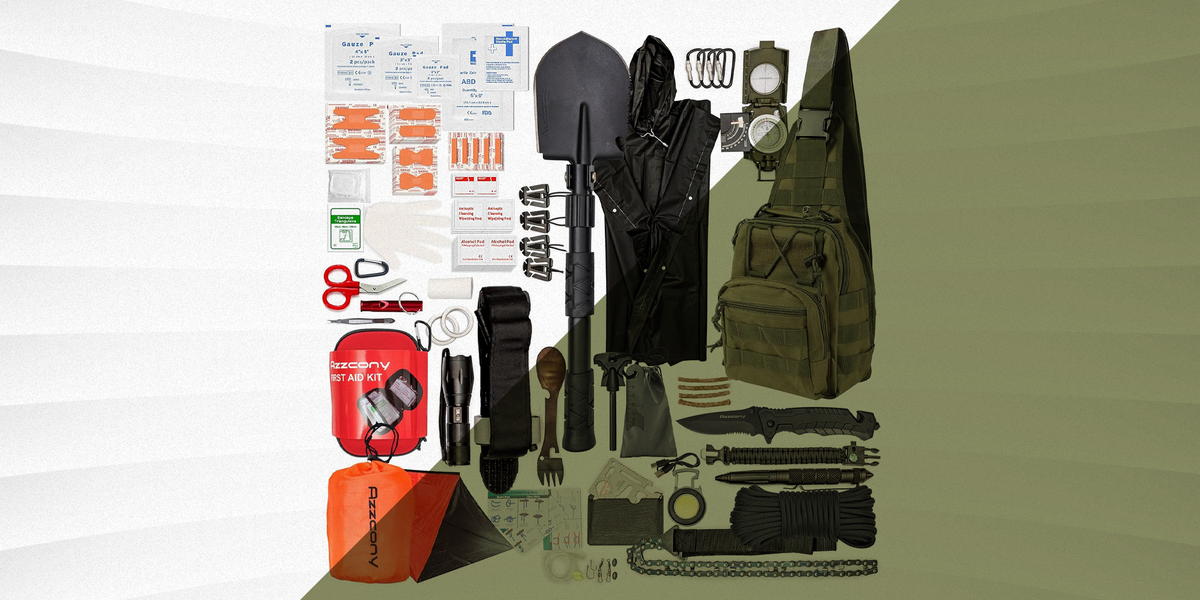
| 6 | Azzcony Emergency 250 Survival Kit Backpack | Best for Outdoors | Large tool selection and first-aid items | No food included |
1. Ready America 72-Hour Emergency Kit: Best Value
The Ready America 72-Hour Emergency Kit is the kind of emergency bag most people should seriously consider if they want a practical starting point without spending a fortune. It is built around the classic 72-hour preparedness idea: enough basic supplies to help you get through the first three days after a disaster or outage.
This kit commonly includes emergency food bars, drinking water pouches, survival blankets, rain ponchos, light sticks, masks, gloves, an emergency whistle, and a first-aid kit. The biggest benefit is simplicity. You buy it, store it somewhere obvious, and instantly become more prepared than the person who says, “I should really make a kit one day,” every September.
Why It Stands Out
Its best feature is value. The Ready America kit covers many of the basics for a relatively low price. The food bars are compact and calorie-dense, which matters because emergency storage space disappears quickly once you start adding water, pet supplies, medication, and that suspiciously large flashlight you bought during a hardware-store confidence spiral.
It is also easy to improve. Add more water, a better flashlight, a battery bank, prescription medication, copies of IDs, cash, and a few comfort items, and this budget kit becomes a much more capable family emergency bag.
What Could Be Better
The water supply is the first thing to upgrade. Emergency authorities commonly recommend at least one gallon of water per person per day for drinking and hygiene, and small water pouches rarely meet that standard for multiple people. Treat the included water as a bonus, not the whole plan.
2. Stdy Car Roadside Emergency Kit: Best for Cars
A home emergency kit is useful when the lights go out. A car emergency kit is useful when your dashboard lights up like a tiny electronic Christmas tree on the side of the highway. The Stdy Car Roadside Emergency Kit is designed for breakdowns, minor roadside repairs, and accident visibility rather than long-term survival.
This type of kit usually includes jumper cables, a tow rope, reflector triangles, safety gloves, a basic first-aid kit, a flashlight, and a window-breaker or seatbelt-cutter tool. That mix makes sense because roadside emergencies have their own priorities: being visible, staying safe, restarting the vehicle, and handling minor injuries until help arrives.
Why It Stands Out
The biggest advantage is that it focuses on car-specific problems. A general survival kit may include a whistle and blanket, but it probably will not include jumper cables or reflective triangles. Those items can be extremely important during a nighttime breakdown, bad weather, or low-visibility roadside stop.
It is also compact enough to keep in the trunk without turning your cargo area into a disaster bunker. For commuters, road-trippers, rideshare drivers, parents of teen drivers, and anyone with an older vehicle, this is a smart layer of protection.
What Could Be Better
It is not a full emergency survival kit. Add bottled water, non-perishable snacks, a phone power bank, seasonal clothing, a blanket, necessary medication, and a paper map. Yes, a paper map. Your phone is wonderful until it becomes a shiny rectangle with 2% battery and no signal.
3. Mayday Industries 4-Person Deluxe Home Emergency Kit: Best At-Home Kit
The Mayday Industries 4-Person Deluxe Home Emergency Kit is built for sheltering in place. Instead of focusing on portability, it emphasizes household readiness. It often comes packed in a durable bucket, which is not glamorous, but in emergency planning, glamour ranks somewhere below “can hold supplies” and “does not fall apart when carried.”
This kit includes food bars, water purification tablets, emergency tools, sanitation items, a first-aid kit, a flashlight/radio combination, utility shutoff tools, and a bucket that can double as an emergency toilet. That last feature may not win a design award, but during a water outage, it can suddenly feel like the Nobel Prize of plumbing.
Why It Stands Out
The Mayday kit is especially useful for households preparing for earthquakes, storms, extended outages, and water disruptions. The inclusion of sanitation supplies gives it an edge over many backpack-style kits, which often focus heavily on food and tools while forgetting that humans remain inconveniently biological during emergencies.
Its waterproof bucket is another plus. Supplies stored in a closet, garage, basement, or utility room can face moisture, dust, pests, and general household chaos. A sealed bucket helps keep everything together and protected.
What Could Be Better
This is not the kit you want to carry three miles during an evacuation. It is bulky and better suited for home storage. Pair it with a smaller go-bag near the door so you are prepared whether officials say “stay inside” or “leave now.”
4. S.O.L. Scout Survival Kit: Best Compact Emergency Kit
The S.O.L. Scout Survival Kit is tiny compared with the other options on this list, but that is exactly the point. It is made for hikers, campers, glove boxes, daypacks, tackle boxes, and people who like preparedness gear that does not require its own closet.
Inside, you may find a reflective emergency blanket, signal mirror, whistle, compass, fishing and sewing supplies, duct tape, fire-starting tabs, and a spark rod. The waterproof pouch is a major benefit because small survival items are only useful if they are dry enough to work.
Why It Stands Out
This kit is light, small, and easy to carry. That makes it ideal as an add-on rather than a complete emergency solution. Toss it into a hiking bag, camping kit, kayak dry bag, or car console, and you have a compact backup for warmth, signaling, fire-starting, and minor gear repair.
It also encourages a good habit: carrying essentials even when you are “just going for a short walk.” Many outdoor mishaps begin with that exact sentence, usually followed by weather, wrong turns, or a trail that apparently studied misdirection at a professional level.
What Could Be Better
Add a reliable lighter, water purification tablets or drops, a small first-aid pouch, and a real flashlight or headlamp. The Scout kit is smart, but it is not magic. It should complement your outdoor safety system, not replace it.
5. ReadyWise 30-Day Emergency Food Supply: Best Emergency Food Kit
The ReadyWise 30-Day Emergency Food Supply is not a full emergency kit in the traditional sense. It will not patch a wound, charge a phone, or help you signal rescue. What it does offer is shelf-stable food with long-term storage in mind, making it a strong choice for households building a deeper emergency pantry.
The kit typically includes a variety of freeze-dried or dehydrated meals such as pasta dishes, soups, breakfasts, and drink mixes. Many meals are packed in pouches and designed to be prepared with hot water. The long shelf life is the headline feature, especially for people who want to buy once, store safely, and avoid playing “is this still edible?” during a blackout.
Why It Stands Out
Food variety matters more than people think. During stressful situations, morale drops fast when every meal tastes like cardboard pretending to be oatmeal. A food kit with different breakfasts, entrees, and drinks can make an emergency feel slightly less miserable.
ReadyWise is also useful beyond disasters. It can support camping trips, cabin storage, hunting camps, RV travel, and backup pantry planning. For families, it works best as part of a broader system that also includes bottled water, cooking fuel, a manual can opener, snacks, and familiar foods children will actually eat without negotiating like tiny diplomats.
What Could Be Better
Freeze-dried meals need water, and many are best with boiling water. That means you should store extra water and a safe cooking method. Never use outdoor cooking devices, charcoal grills, or gas generators indoors, because carbon monoxide is odorless, dangerous, and absolutely not impressed by your improvisation skills.
6. Azzcony Emergency 250 Survival Kit Backpack: Best for Outdoors
The Azzcony Emergency 250 Survival Kit Backpack is built for people who want a broad selection of survival tools in a portable pack. It leans more toward outdoor emergency gear than household disaster storage, making it a good option for camping, overlanding, remote work sites, and vehicle backup.
Depending on the version, it may include a sizable first-aid kit, folding knife, emergency blanket, fishing set, wire saw, light sources, eating tool, compact shelter item, and other survival accessories. The variety is the appeal. It gives you many small tools that can solve many small problems, which is often what emergency preparedness looks like in real life.
Why It Stands Out
The Azzcony kit is versatile. It is not just bandages and food bars; it includes tools for cutting, signaling, sheltering, basic repairs, and minor injuries. For outdoor use, that variety can be more valuable than a kit that only covers one category.
It is also portable enough to keep in a vehicle or near camping gear. If you spend time away from immediate help, this kind of kit gives you a useful emergency foundation.
What Could Be Better
It does not replace food and water planning. Add emergency food bars, water bottles, purification tablets, a better flashlight or headlamp, backup batteries, and any personal medications. Also check the quality of each tool before relying on it. Multi-piece survival kits can be convenient, but not every included gadget deserves a standing ovation.
What Every Emergency Kit Should Include
No matter which emergency kit you buy, you should customize it. Pre-made kits are helpful foundations, not perfect personal solutions. At minimum, consider adding the following items:
- At least three days of water for each person, plus extra for pets or hot climates
- Non-perishable food that your household will actually eat
- A complete first-aid kit with bandages, antiseptic wipes, gloves, gauze, tweezers, and instructions
- Prescription medications and medical supplies
- Flashlights or headlamps with extra batteries
- A hand-crank or battery-powered weather radio
- Phone power banks and charging cables
- Copies of IDs, insurance cards, prescriptions, and emergency contacts
- Cash in small bills
- Hygiene supplies, wipes, trash bags, toilet paper, and hand sanitizer
- Pet food, leash, carrier, and medication if you have animals
- Comfort items for children, such as cards, small toys, or coloring supplies
Buying Guide: How to Choose the Right Emergency Kit
Match the Kit to the Emergency
For hurricanes and winter storms, focus on home supplies, food, water, lighting, sanitation, and backup power. For earthquakes, add sturdy shoes, gloves, dust masks, and a pry tool. For wildfire zones, include respirators, goggles, evacuation documents, and a go-bag. For cars, prioritize visibility, jumper cables, a blanket, water, snacks, and a phone charger.
Check the Person Count
A “four-person” kit may not fully support four people in comfort. Look closely at food calories, water quantity, first-aid contents, and hygiene supplies. Marketing math can be optimistic. Your stomach, unfortunately, is a strict accountant.
Look at Shelf Life
Food bars, water pouches, batteries, medications, and first-aid items expire. Choose kits with clear expiration dates and check them every six months. A calendar reminder is cheaper than discovering your emergency flashlight has become a battery-acid sculpture.
Prioritize Organization
Clear pouches, labels, bright bags, and separated compartments matter. In a stressful situation, you do not want to empty an entire backpack just to find a bandage or whistle. The best emergency kits are organized like someone expected humans to use them under pressure.
Real-World Experience: What It Feels Like to Actually Use an Emergency Kit
The first lesson from real emergency-kit experience is that convenience wins. A kit buried behind holiday decorations, old paint cans, and a mysterious box labeled “miscellaneous wires” might as well be on the moon. The best kit is the one you can grab quickly. For home use, that usually means storing it near an exit, in a hall closet, laundry room, garage shelf, or another obvious place. For vehicles, it means keeping supplies in the trunk where they will not roll around like caffeinated bowling pins.
The second lesson is that lighting feels more important than you expect. During a power outage, darkness makes every task harder. Finding shoes, checking the breaker, reading medicine labels, helping children calm down, or walking to the bathroom can become a clumsy little adventure. A headlamp is especially useful because it keeps both hands free. Once you use a headlamp during an outage, you may wonder why humans ever accepted handheld flashlights as the default. It is like discovering pockets for your forehead.
The third lesson is that food should be boring in the best possible way. Emergency food is not the moment for culinary bravery. Choose items your household already tolerates: granola bars, peanut butter, crackers, canned soups, tuna packets, applesauce pouches, trail mix, and shelf-stable meals. Freeze-dried meals are excellent for long storage, but they need water and often heat. If your emergency plan depends on boiling water, make sure you also have a safe stove, fuel, matches or a lighter, and ventilation.
The fourth lesson is that hygiene is not optional. People remember food and flashlights, but forget trash bags, wipes, toilet paper, hand sanitizer, menstrual products, diapers, and spare underwear. After 24 hours without normal utilities, those items become luxury goods. Heavy-duty trash bags are especially underrated because they can handle waste, protect supplies from rain, cover broken windows temporarily, separate wet clothing, or serve as emergency ground cover.
The fifth lesson is that every kit becomes personal. A generic emergency kit does not know your prescription schedule, your dog’s food allergies, your baby’s diaper size, your asthma inhaler, your contact lenses, or your teenager’s ability to become dramatic when Wi-Fi disappears. Customization is the difference between “we own a kit” and “this kit actually helps us.” Add a printed contact list, local maps, backup glasses, pet records, family photos, copies of important documents, and small comfort items.
The final lesson is maintenance. Twice a year, open the kit. Replace expired food and medicine. Recharge power banks. Test flashlights. Update documents. Change clothing sizes for kids. Rotate water. Practice turning off utilities if appropriate. Emergency preparedness is not a one-time purchase; it is a quiet habit. The reward is not excitement. The reward is calm. And in a real emergency, calm is worth more than the fanciest gadget in the bag.
Final Verdict: Which Emergency Kit Should You Buy?
For most people, the Ready America 72-Hour Emergency Kit is the best budget-friendly starting point. It covers many basics and leaves room in the budget for upgrades. For drivers, the Stdy Car Roadside Emergency Kit is the smartest dedicated car option. For households preparing to shelter in place, the Mayday Industries 4-Person Deluxe Home Emergency Kit is more complete and practical. For hikers and minimalists, the S.O.L. Scout Survival Kit is a compact backup. For long-term pantry planning, ReadyWise is the best food-focused choice. For outdoor versatility, the Azzcony survival backpack offers a wide selection of tools.
The best emergency kit is not necessarily the biggest or most expensive. It is the one that matches your risks, fits your household, and is ready before the sky turns weird. Buy a good base kit, customize it, check it regularly, and store it where you can actually reach it. Future you may never need itbut if future you does, future you will be extremely grateful and possibly a little smug.














