
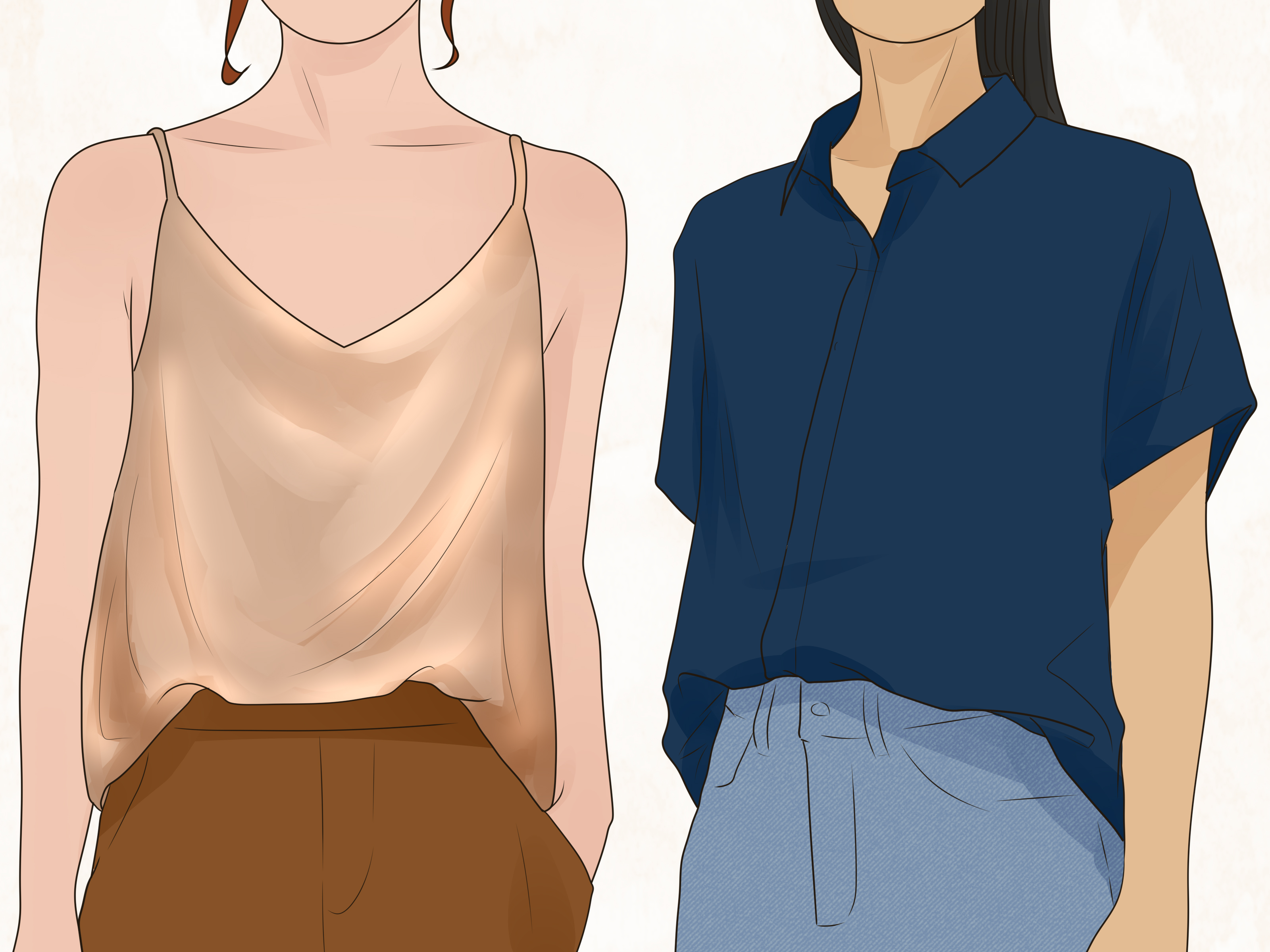
The French tuck is one of those tiny fashion tricks that seems almost too simple to matteruntil you try it and suddenly your outfit looks intentional, balanced, and slightly more expensive than it has any right to look. It is the style move where you tuck only the front part of your shirt into your waistband while leaving the sides and back relaxed. Think of it as the wardrobe equivalent of saying, “I tried, but not too hard.”
Popularized by Tan France on Queer Eye, the French tuck became a favorite because it works on everyday outfits: T-shirts and jeans, button-downs and trousers, sweaters and skirts, linen shirts and shorts. It gives shape without stiffness, polish without corporate energy, and waist definition without forcing every inch of fabric into your pants like you are preparing for a military inspection.
Best of all, learning how to French tuck a shirt does not require a fashion degree, a new wardrobe, or a dramatic mirror montage. You only need the right top, the right bottom, and a little fabric control. Let’s break down what the French tuck is, why it works, how to do it, and how to make it look effortless instead of accidentally half-dressed.
What Is the French Tuck?
The French tuck, also called a front tuck, is a styling technique where the front center of a top is tucked into the waistband while the rest of the shirt remains untucked. The tuck may sit directly above the button of your jeans, slightly off-center, or softly gathered at the front of a skirt or trousers.
The point is not to create a crisp, fully tucked look. The point is to show enough of your waistline to define your shape while keeping the outfit relaxed. It is especially useful with loose, oversized, boxy, or flowy tops because it prevents them from swallowing your frame. A long shirt can look stylishly casual instead of shapeless, and a chunky sweater can look cozy instead of like you borrowed it from a friendly bear.
Why the French Tuck Works So Well
It Creates Better Proportions
One reason the French tuck is so flattering is that it visually separates your upper and lower body. When the front of your shirt is tucked, your waistband becomes visible. This helps your legs look longer and gives your outfit a clearer structure. The effect is subtle, but it can make a basic outfit feel instantly more pulled together.
It Defines the Waist Without Feeling Tight
A full tuck can look sharp, but it can also feel restrictive, especially with thicker fabrics or casual outfits. The French tuck gives you waist definition while leaving room and movement through the back and sides. This makes it a great option for people who like comfort but still want a little shape.
It Makes Simple Outfits Look Styled
A plain white T-shirt and jeans can be perfectly fine. Add a French tuck, a belt, and clean sneakers or loafers, and suddenly the outfit looks styled. Nothing changed dramatically, but the proportions did. That is the magic: the French tuck turns “I grabbed clothes” into “I have a point of view.”
How to Do a French Tuck Step by Step
Step 1: Choose the Right Shirt
The best shirts for a French tuck usually have some drape or looseness. Try it with an oversized T-shirt, relaxed button-down, soft blouse, linen shirt, thin sweater, polo, flannel, or lightweight knit. A very tight shirt often looks better fully tucked or left alone because there is not enough fabric to create that casual front drape.
Step 2: Pick the Right Bottoms
French tucks work beautifully with jeans, trousers, shorts, midi skirts, maxi skirts, and wide-leg pants. High-rise and mid-rise bottoms are easiest because they give the tuck a natural place to sit. Low-rise bottoms can work too, but the look becomes more casual and may require a longer shirt.
Step 3: Tuck Only the Front Center
Stand in front of a mirror and gather a small section of fabric at the front center of your shirt. Tuck that section into your waistband. You do not need to tuck the sides. In fact, leaving the sides loose is what keeps the look relaxed. Start with about three to five inches of fabric, then adjust based on the thickness of your shirt.
Step 4: Loosen the Fabric Slightly
After tucking, gently pull the shirt upward just a little so it blouses over the waistband. This prevents the tuck from looking stiff or forced. The goal is a soft drape, not a fabric traffic jam.
Step 5: Smooth the Sides and Back
Let the sides and back fall naturally. If the back looks too long or bulky, try a smaller front tuck or switch to a shorter top. The French tuck should feel casual, but it should still look deliberate. “Relaxed” is good. “Got attacked by laundry” is less ideal.
How to French Tuck Different Types of Tops
How to French Tuck a T-Shirt
A T-shirt is the easiest place to start. Pair a relaxed tee with straight-leg jeans, wide-leg trousers, denim shorts, or a casual skirt. Tuck the front center into the waistband and let the shirt skim over the sides. Add a belt if you want more definition. This is a great everyday look for errands, casual lunches, travel days, or any moment when you want to look alive before coffee.
How to French Tuck a Button-Down Shirt
For a button-down, leave the bottom one or two buttons undone if the shirt feels stiff. Tuck the front panel or the center area into your pants or skirt. Roll the sleeves to make the outfit feel more relaxed. A crisp white shirt with a French tuck and jeans is classic; a striped button-down with trousers feels polished but not uptight.
How to French Tuck a Sweater
Sweaters can be tricky because thick fabric creates bulk. For chunky knits, tuck only a very small section near the front center or slightly to one side. Thin cashmere, ribbed knits, and lightweight crewnecks are easier to tuck. Pair them with high-waisted jeans, tailored trousers, or an A-line skirt for a cozy but shaped silhouette.
How to French Tuck a Blouse
Soft blouses are made for this styling trick. The fabric usually drapes well, which helps create a smooth front line. Try a silk, satin, chiffon, or rayon blouse with jeans for contrast, or wear it with trousers for work. Keep the tuck loose so the fabric does not pull across the buttons or chest.
Best Outfits With a French Tuck
French Tuck With Jeans
This is the classic version. A relaxed shirt tucked into jeans creates an easy, balanced outfit. Straight-leg, slim-straight, bootcut, flare, and wide-leg jeans all work. The trick is to let the tuck show the waistband so the outfit has shape. Add loafers, ankle boots, sneakers, or sandals depending on the mood.
French Tuck With Wide-Leg Pants
Wide-leg pants have volume, so a French tuck helps prevent the outfit from becoming too loose from top to bottom. Try a fitted or semi-relaxed top and tuck the front to define the waist. This combination is especially good for work outfits because it looks elegant without feeling overly formal.
French Tuck With Skirts
A French tuck works with denim skirts, slip skirts, pleated skirts, A-line skirts, and maxi skirts. With fuller skirts, the tuck highlights the waist and keeps the outfit from looking heavy. With slim skirts, it adds ease and movement. A sweater French tucked into a satin midi skirt is one of those outfits that says, “Yes, I understand Pinterest.”
French Tuck With Shorts
For warm weather, try a linen shirt or oversized tee French tucked into high-rise shorts. This gives casual summer outfits a cleaner line. It also keeps longer tops from covering the shorts completely, which can make proportions look confusing. Nobody wants the “Where did my pants go?” effect unless that is truly the theme.
Common French Tuck Mistakes to Avoid
Tucking Too Much Fabric
If you tuck too much fabric, the front of your outfit can look bulky. Start with less. You can always tuck more, but removing a fabric lump from your waistband in public is not the glamorous moment fashion magazines promised us.
Using the Wrong Fabric
Very thick sweatshirts, stiff tunics, and heavy sweaters can be difficult to French tuck. If the fabric will not sit smoothly, try a side tuck, knot the shirt, choose a thinner top, or leave it untucked with a structured jacket.
Forgetting the Waistband
The French tuck works best when the waistband is worth showing. If your pants are slipping, bunching, or sitting awkwardly, the tuck may draw attention to the wrong place. A belt can help define the waist and make the outfit look finished.
Making It Too Perfect
The French tuck should not look mathematically engineered. A little asymmetry is part of the charm. If it looks too perfect, loosen the fabric slightly. The goal is stylish ease, not origami.
Who Can Wear a French Tuck?
Anyone can wear a French tuck. It is not limited to one gender, body type, age, or style personality. It works for masculine, feminine, and androgynous outfits. It can help petite people show more leg line, give tall people shape, create waist definition for curvy bodies, and add structure to relaxed or oversized clothing.
The key is adjusting the amount of fabric and the placement of the tuck. If you prefer a straighter silhouette, keep the tuck subtle and low-contrast. If you want more waist definition, use a belt and tuck at the narrowest part of your waist. If you like an edgier look, tuck slightly off-center and pair it with looser denim or boots.
French Tuck vs. Half Tuck: What Is the Difference?
The French tuck usually refers to tucking the front center of the shirt while leaving the back loose. A half tuck often means tucking one side of a shirt, especially a button-down, while leaving the other side hanging. Both create a relaxed look, but the French tuck is usually cleaner and more centered. The half tuck is more asymmetrical and casual.
Use a French tuck when you want balance, polish, and waist definition. Use a half tuck when you want a more undone, street-style effect. Both are useful. Neither requires permission from the fashion police, who are probably too busy arguing about skinny jeans anyway.
When Should You Not French Tuck?
The French tuck is versatile, but it is not always the answer. Skip it when your top is already cropped, very fitted, extremely thick, or designed to be worn untucked. Also avoid it if the waistband of your bottoms has bulky drawstrings, heavy pleats, or details that create lumps under the fabric.
For formal events, a full tuck may look cleaner. For athletic outfits, leaving the top untucked may be more practical. For very long tunics, a belt or knot may work better. Style rules are useful, but the mirror gets the final vote.
How to Make the French Tuck Look Modern
To keep the French tuck current, pair it with modern silhouettes. Try relaxed straight jeans, wide-leg trousers, tailored shorts, cargo pants, slip skirts, or crisp button-downs. Add simple accessories: a leather belt, minimalist jewelry, structured handbag, clean sneakers, loafers, ballet flats, or ankle boots.
Color also matters. A monochrome outfit with a French tuck can look sleek and elongating. A white tee with blue jeans looks classic. A striped shirt with tan trousers feels coastal and polished. A black sweater with black jeans and a belt can look quietly expensive, even if your coffee budget says otherwise.
Real-Life Experience: Learning to Love the French Tuck
The first time many people try the French tuck, they overthink it. They tuck too much fabric, then too little. They stare at the mirror from seven angles. They ask themselves whether the shirt should be centered, off-center, loose, tight, or spiritually aligned with their shoes. This is normal. The French tuck looks effortless, but “effortless” usually takes a few tiny adjustments.
In everyday life, the French tuck shines because it solves common outfit problems quickly. Imagine wearing a boxy T-shirt with high-waisted jeans. Untucked, the shirt may cover the waistband and make the outfit look shapeless. Fully tucked, it may feel too neat or create bunching. With a French tuck, the front of the jeans is visible, the waist appears defined, and the back of the shirt still feels relaxed. It is the perfect middle ground.
The same trick works with button-down shirts. A loose Oxford shirt worn over trousers can look too business-casual in the “forgot my blazer” sense. But tuck just the front, roll the sleeves, and add a belt, and the outfit suddenly feels intentional. It becomes weekend-smart, dinner-ready, or office-friendly depending on the shoes. Sneakers make it casual. Loafers make it polished. Heels or boots make it sharper.
For travel, the French tuck is especially useful. A small suitcase often means repeating the same basics: one pair of jeans, one pair of trousers, a few tops, and maybe one heroic shirt that must carry the entire trip. Changing how you tuck the same top can create different outfits without packing more clothes. Wear the shirt open over a tank one day, French tucked into jeans the next, then tied over a skirt later. Congratulations, you have created a capsule wardrobe and avoided paying extra baggage fees. A stylish victory.
The French tuck also helps when your body changes throughout the day, which is to say, when you are a human being who eats lunch. A full tuck can feel uncomfortable after sitting, walking, or enjoying pasta with enthusiasm. A French tuck gives structure at the front while leaving breathing room. It is forgiving, adjustable, and easy to fix in a restroom mirror without needing a full outfit reset.
Another real advantage is confidence. People often think style comes from buying more dramatic clothes, but many outfits improve through small adjustments. The French tuck teaches you to look at proportion: where the shirt ends, where the waist begins, how much volume sits on top, and how the eye travels from shoulder to shoe. Once you notice those details, getting dressed becomes easier. You stop asking, “Why does this outfit look off?” and start seeing the answer.
Of course, not every attempt will be perfect. Some shirts refuse to cooperate. Some sweaters create a mysterious waistband mountain. Some pants sit at exactly the wrong rise. That does not mean the French tuck is wrong for you. It means that particular combination needs a different approach. Try a smaller tuck, a belt, a thinner top, or a side tuck. Fashion is mostly experimentation with better lighting.
The best French tuck is the one that feels natural on your body and works with your personal style. It can look clean, relaxed, classic, edgy, masculine, feminine, or somewhere beautifully in between. Once you learn it, you may find yourself doing it automatically. One day you are just getting dressed; the next, you are French tucking a sweatshirt before taking out the trash. That is when you know the styling trick has won.
Conclusion
The French tuck is a simple styling technique with a big visual payoff. By tucking only the front of your shirt and leaving the rest loose, you can define your waist, lengthen the appearance of your legs, and make casual outfits look more intentional. It works with T-shirts, button-downs, sweaters, blouses, jeans, trousers, skirts, and shorts. The secret is to use the right amount of fabric, keep the tuck relaxed, and adjust it to your body and outfit.
Whether you are dressing for work, brunch, travel, date night, or a normal Tuesday that deserves better than a shapeless shirt, the French tuck is a smart tool to keep in your style toolkit. It is easy, free, flattering, and just polished enough. In other words, it is doing the most while pretending it did almost nothing.
Note: This article is original, web-ready, and written in standard American English for SEO publishing. It is based on synthesized fashion guidance and does not include source-link markup inside the publishable body content.












