
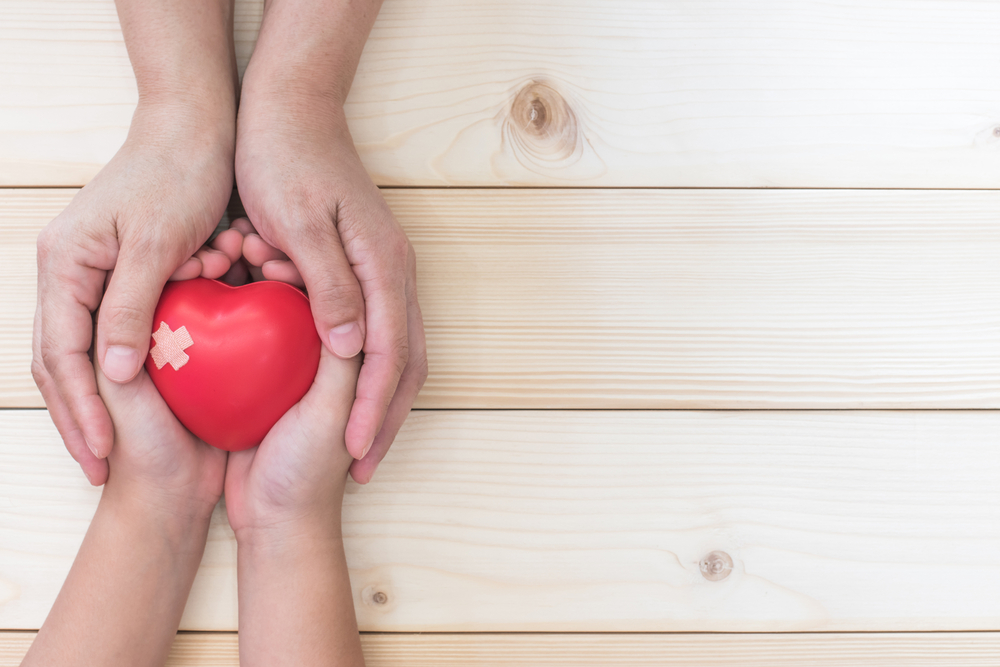
Some patients enter a clinic with a folder full of lab results. Some arrive with a spouse, three questions written on a napkin, and the quiet fear that life is about to change. Others come in with no one beside them, carrying a story so heavy that even the waiting room chair seems to sigh. Yet every so often, a patient reminds us of something bigger than diagnosis codes, appointment slots, insurance forms, or the heroic mystery of hospital coffee: we belong to one another.
The patients that make you realize that we are part of a larger human family are not always the loudest, sickest, or most dramatic. Often, they are ordinary people meeting extraordinary moments with courage, humor, confusion, tenderness, or grace. They remind doctors, nurses, caregivers, and even other patients that healthcare is not simply a system. It is a meeting place for human vulnerability.
This truth matters far beyond the bedside. Modern healthcare emphasizes patient-centered care, empathy, compassionate communication, cultural humility, and family engagement because medicine works best when patients are treated as whole people. A person is never just “the gallbladder in room three” or “the new diabetic patient at 9:15.” A person is a parent, neighbor, teacher, mechanic, dreamer, worrier, gardener, joke-teller, and someone’s irreplaceable human being.
Why Certain Patients Stay With Us
Every healthcare professional has patients they remember. Not because of a rare condition or a dramatic treatment, but because of what those patients revealed about life. A patient may teach patience by waiting calmly through a long delay. Another may teach courage by asking clear questions about a frightening diagnosis. Another may teach humility by forgiving a rushed conversation and saying, “I know you’re busy, but I need you to hear me.”
These moments matter because they interrupt the mechanical rhythm of healthcare. The schedule says “follow-up visit.” The chart says “hypertension.” The person says, “My daughter is getting married next month, and I want to be strong enough to dance.” Suddenly, blood pressure is not just a number. It is connected to family, joy, memory, and hope.
Patient-Centered Care Begins With Seeing the Whole Person
Patient-centered care is rooted in a simple but powerful idea: healthcare should respect and respond to each patient’s needs, values, preferences, and life circumstances. That sounds obvious until a busy day tests it. When appointments are short and documentation is endless, it becomes easy to focus only on the disease. But patients are not puzzles to solve and send away. They are partners in care.
Seeing the whole person means asking better questions. What matters most to you right now? Who helps you at home? What worries you about this treatment? What would a good outcome look like in your real life? These questions turn medical care from a transaction into a relationship.
The Patient Who Teaches You to Listen
Imagine an older man who keeps missing appointments. On paper, he may look “noncompliant,” a word healthcare should probably send to retirement along with fax machines and the phrase “just relax.” But when someone finally asks what is happening, the answer is not laziness. His bus route changed. His daughter works two jobs. His medication makes him dizzy. He is embarrassed to say he cannot always afford the refill.
In that moment, the patient becomes a teacher. He teaches that behavior has context. Missed appointments may be a transportation problem. Poor diet may be a food access problem. A delayed prescription may be a cost problem. The chart tells part of the story. The patient tells the rest.
Empathy Is Not Extra; It Is Clinical
Empathy in healthcare is sometimes mistaken for being “nice.” Nice is wonderful, of course. Nobody has ever said, “Please bring me the doctor with the emotional warmth of a parking ticket.” But empathy is more than pleasant manners. It is the ability to understand a patient’s experience and communicate that understanding in a way the patient can feel.
Empathy can change the tone of care. A clinician might say, “That sounds frightening,” or “You’ve been carrying this for a long time,” or “Let’s slow down and go through this together.” These statements do not require a longer appointment, a dramatic speech, or violin music in the background. They require presence.
Patients who awaken our sense of shared humanity often do so because they expose the limits of purely technical medicine. A scan may show where cancer has spread, but it cannot measure the fear of telling a child. A lab result may confirm kidney disease, but it cannot capture the grief of giving up favorite foods that connect someone to family traditions. Empathy helps bridge that gap.
Compassionate Care Protects Patients and Caregivers
Compassionate care benefits patients, but it also protects healthcare professionals from becoming numb. In difficult clinical settings, caregivers may witness suffering every day. Without reflection, support, and teamwork, emotional fatigue can build quietly. Compassionate healthcare cultures encourage clinicians to talk about hard moments, learn from them, and remember why their work matters.
Patients who remind us of the larger human family often appear during emotionally intense moments: a terminal diagnosis, a complicated birth, a long recovery, a sudden loss, or a small victory after months of effort. These moments can be painful, but they can also reconnect clinicians to purpose. The patient is not merely receiving care. The patient is also revealing the human meaning of care.
Families Are Part of the Story
No patient exists in isolation. Behind many patients are family members, friends, neighbors, faith communities, coworkers, or chosen families. Sometimes the most memorable person in the room is the spouse who knows every medication by color, the teenager translating for a grandparent, or the friend who sits silently but refuses to leave.
Family engagement can improve communication and safety because loved ones often notice details that busy teams may miss. They know what “normal” looks like for the patient. They can help explain preferences, routines, and fears. They can also become exhausted, confused, and overwhelmed. Compassionate care includes them too.
The Daughter With the Notebook
Many clinicians know this person: the daughter with the notebook. She writes down medications, symptoms, questions, next steps, and possibly the name of every nurse on the unit. She is organized enough to run a small country. At first, her questions may feel intense. But behind the notebook is love. She is trying to protect someone she cannot imagine losing.
Patients and families like this remind us that healthcare is not only about treating illness. It is about helping people navigate uncertainty without feeling abandoned.
Cultural Humility Makes the Human Family Visible
Patients come from different cultures, languages, beliefs, histories, and communities. Cultural humility means approaching those differences with curiosity rather than assumptions. It asks healthcare professionals to recognize that patients are experts in their own lives.
A patient may use traditional remedies, involve spiritual leaders, avoid certain foods, prefer family decision-making, or describe symptoms in a way that does not fit neatly into a textbook. The goal is not to judge. The goal is to understand enough to provide safe, respectful, effective care.
When clinicians ask, “What do you call this problem?” or “What do you think is causing it?” they open a door. Behind that door may be culture, fear, previous discrimination, family wisdom, or a painful healthcare experience from the past. Listening does not weaken medical care. It strengthens it.
Social Conditions Shape Health More Than We Like to Admit
Some patients teach us that health does not begin at the clinic door. It begins where people live, work, learn, eat, sleep, worship, age, and try to make ends meet. A patient with asthma may live near pollution. A patient with diabetes may live in a neighborhood where fresh food is expensive and safe walking spaces are limited. A patient with anxiety may be caring for a sick parent while working nights.
These realities are often called social determinants of health. In plain English, they are the life conditions that make healthy choices easier for some people and much harder for others. When a patient’s story reveals these barriers, it becomes impossible to pretend that medicine is only about prescriptions.
The patients that make you realize that we are part of a larger human family often show us how connected health is to housing, income, education, transportation, safety, and community. Their needs ask medicine to be smarter, kinder, and more honest.
The Patient Who Laughs First
Humor in healthcare is delicate. Nobody wants a clown show during a serious diagnosis. But patients often use humor as a survival tool. A patient beginning chemotherapy may joke about finally saving money on shampoo. A man recovering from surgery may announce that hospital gowns are “a bold fashion choice for people with no secrets.” A grandmother learning to use a walker may name it “Speedy.”
These jokes are not denial. They are tiny acts of control. They say, “I am still here. I am still myself.” Humor reminds everyone in the room that patients are more than suffering. They are personalities with timing, wit, preferences, and spark.
What Patients Teach About Dignity
Dignity is one of the most important words in healthcare. It means privacy, respect, honesty, and the right to be treated as a person even when the body is weak or the future is uncertain. Patients teach dignity when they ask to be included in decisions. They teach dignity when they correct a name pronunciation. They teach dignity when they say, “Please explain that again,” because they deserve clarity.
Dignity also appears in small acts: knocking before entering, covering a patient properly, sitting at eye level, speaking to the patient rather than over the patient, and remembering that a room number is not a name.
Shared Humanity in the Most Ordinary Moments
Not every powerful patient encounter is dramatic. Sometimes shared humanity appears in a cup of water, a warm blanket, a quiet hand on a shoulder, or a nurse remembering that a patient likes the blinds open in the morning. These moments may seem small, but they tell patients: you are seen.
Healthcare can become complicated very quickly. There are acronyms, alarms, forms, protocols, portals, and machines that beep with the confidence of tiny robots. But beneath all of it is a basic human exchange: one person is vulnerable, and another person has the chance to respond with skill and kindness.
Lessons From Patients Who Change Us
1. Every Person Has a Hidden Chapter
A patient’s current illness is only one chapter. Before the diagnosis, there was a life full of work, relationships, mistakes, dreams, meals, music, arguments, and ordinary Tuesdays. When healthcare honors that larger story, care becomes more accurate and more humane.
2. Listening Can Be as Important as Explaining
Clinicians are trained to explain, but patients often need them to listen first. Listening uncovers fears, barriers, goals, and misunderstandings. It also builds trust, which may be the most powerful medicine that does not come in a bottle.
3. Compassion Is a Team Sport
No single clinician can carry every emotional burden alone. Compassion grows when teams support one another, communicate clearly, and create systems that make kindness easier instead of accidental.
4. Patients Are Partners, Not Projects
The best care is done with patients, not to them. Partnership respects patient values and improves the chance that care plans will actually work in real life.
5. Humanity Is Contagiousin the Best Way
One generous moment can change the tone of a room. A patient’s gratitude, a nurse’s patience, a doctor’s honesty, or a family member’s devotion can remind everyone present that we are not separate stories. We overlap.
Experiences That Reveal We Belong to One Another
Some experiences in healthcare stay with people because they reveal the invisible threads connecting strangers. Consider the patient who brings homemade cookies to a clinic after finishing treatment, not because anyone asked, but because gratitude needed a container and apparently that container was chocolate chip. The cookies are not medically necessary, unless you count morale, in which case they may deserve their own billing code.
Or think about the patient who apologizes for crying during an appointment. That apology is heartbreaking because tears are not a failure of manners. They are evidence of being human. A compassionate response can be simple: “You don’t have to apologize.” Those five words can give someone permission to stop performing strength for a few minutes.
There is also the patient who teaches through resilience. A young adult managing a chronic illness may arrive with color-coded medication reminders, a part-time job, school deadlines, and a level of determination that makes everyone else reconsider complaining about slow Wi-Fi. This patient does not need to be turned into a superhero. They need support, access, and respect. Still, their persistence can remind others how much courage can fit inside an ordinary day.
Then there is the patient near the end of life who asks less about machines and more about people: “Will my wife be okay?” “Can my son come in?” “Can someone play that song?” These questions cut through the noise. They remind us that at the edge of life, love often becomes the main language. Healthcare professionals may not be able to change the final outcome, but they can protect comfort, honesty, and connection.
Another unforgettable experience is caring for someone whose background is completely different from your own. The patient may speak another language, practice another faith, or understand illness through a different cultural lens. At first, there may be uncertainty. But with patience, interpretation, and respectful questions, a bridge forms. The lesson is not that differences disappear. The lesson is that differences can be honored while care continues.
Patients also teach humility when they challenge assumptions. A person experiencing homelessness may know exactly what treatment they need but lack a safe place to store medication. A patient with obesity may have spent years being judged before anyone asked about pain, trauma, sleep, or access to care. A person with substance use history may fear being dismissed even when seeking help for something unrelated. These experiences remind healthcare teams that bias can harm, and humility can heal.
Sometimes the lesson comes from children. A child facing treatment may ask direct questions adults are afraid to ask. They may decorate medical equipment with stickers or name a stuffed animal as an official member of the care team. Children remind everyone that fear and imagination can sit side by side. They also remind adults that honesty can be gentle and courage can wear dinosaur pajamas.
The patients that make you realize that we are part of a larger human family are not perfect symbols. They are real people. They may be scared, impatient, funny, angry, grateful, exhausted, or all of the above before lunch. Their power lies in their reality. They show us that illness is not only biological; it is emotional, social, spiritual, financial, and deeply personal.
To care for patients well is to accept an invitation into the human family. It means recognizing that anyone can become the person in the bed, the person in the chair, the person waiting for results, or the person holding someone’s hand. The roles change. The need for compassion does not.
Conclusion: The Larger Human Family Is Already in the Room
The patients that make you realize that we are part of a larger human family do not always arrive with dramatic stories. Sometimes they arrive with a cough, a question, a worry, or a tired smile. But through them, healthcare workers and communities are reminded that medicine is not only about treating bodies. It is about honoring lives.
When care is patient-centered, empathetic, culturally humble, and compassionate, it becomes more than a service. It becomes a form of human recognition. Every patient carries a world inside them. Every encounter is a chance to say, through action and attention: your world matters.
In the end, the larger human family is not an abstract idea. It is the patient asking for one more explanation. It is the caregiver taking notes. It is the nurse adjusting a pillow. It is the doctor sitting down instead of standing at the door. It is the stranger who becomes unforgettable because, for a moment, their vulnerability reveals our shared belonging.












