In a small town, the hospital is not just a building with fluorescent lights, vending-machine coffee, and a waiting room television permanently tuned to daytime courtroom shows. It is the place where babies arrive, farmers get stitches, grandmothers receive breathing treatments, teenagers get patched up after football practice, and worried families learn whether “it’s probably nothing” is actually nothing.
So when a rural hospital collapses financially, the story is rarely simple. It is not one dramatic explosion, no Hollywood dust cloud, no villain cackling beside a spreadsheet. It is more like a slow roof leak. First the obstetrics unit closes. Then the surgeon leaves. Then the lab hours shrink. Then ambulances start driving farther. Eventually, the town looks up and realizes the safety net has become a very decorative piece of string.
Across the United States, rural hospital closures have become one of the clearest signs that small-town health care is under severe pressure. Since 2010, dozens of rural hospitals have closed or converted to other types of facilities. Many more have eliminated inpatient care, maternity services, chemotherapy, or specialty departments. Behind each statistic is a community that must now solve an impossible math problem: how to stay healthy when the nearest help is farther away, more expensive, and harder to reach.
What “hospital collapse” really means in rural America
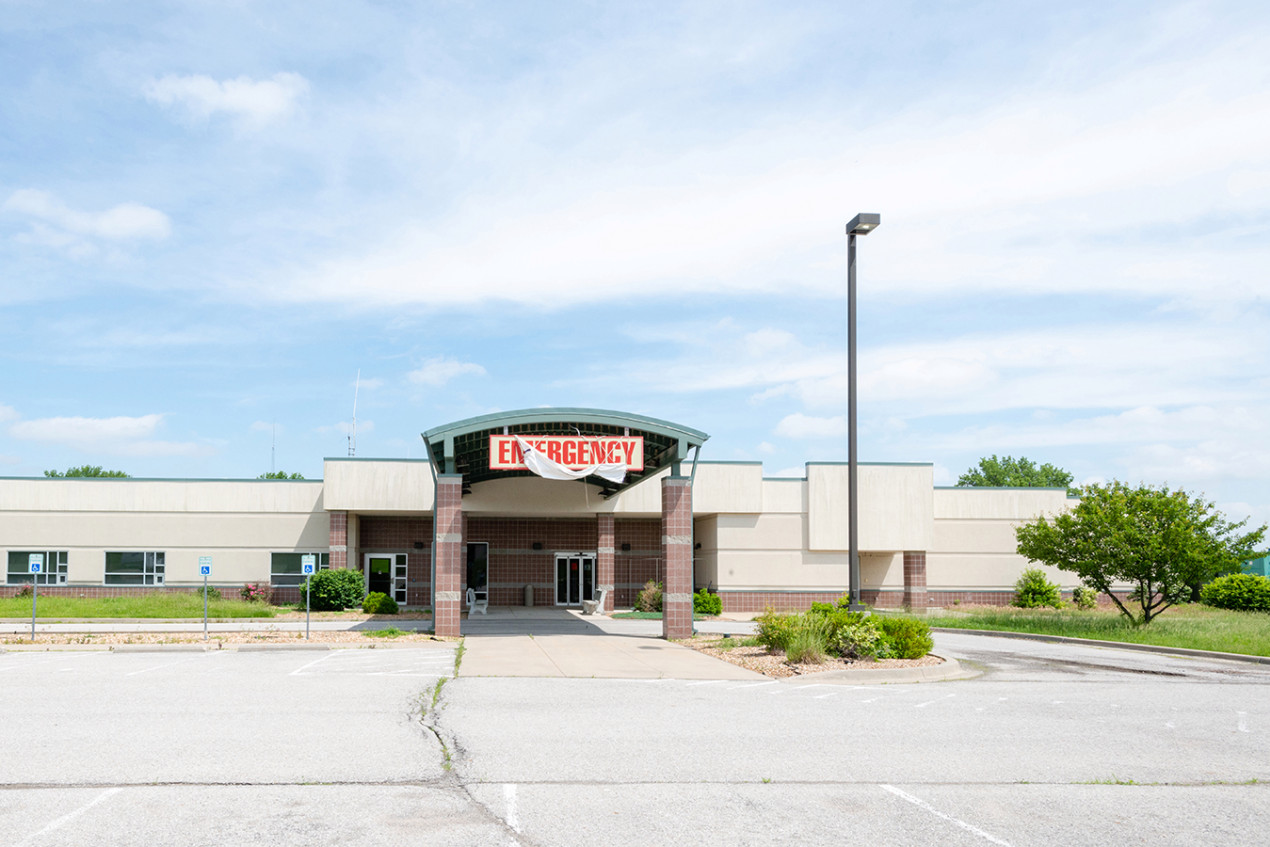
A hospital collapse does not always mean the front doors are chained shut forever. Sometimes it means the facility remains open but loses the services that made it a hospital in the practical sense. A town may still have an emergency department, yet no inpatient beds. It may still have a clinic, yet no place to deliver a baby. It may still have a sign out front, yet no surgeon, no intensive care, and no ability to keep a seriously ill patient overnight.
This distinction matters because rural communities often experience health care loss in stages. The first cut may be quiet: fewer weekend services, reduced imaging hours, fewer nurses on staff. Then comes the announcement nobody wants to read on the local Facebook page: the hospital will no longer provide labor and delivery, or inpatient care, or emergency services after midnight. For a community, that announcement lands with the emotional grace of a piano falling down a staircase.
The financial reasons are painfully practical. Rural hospitals have high fixed costs and low patient volumes. They must keep staff, equipment, emergency readiness, technology, and utilities available even when beds are not full. In a city, a hospital may spread those expenses across thousands of patients. In a rural county, the hospital may serve a smaller, older, sicker, and less-insured population. The math can turn ugly fast.
Why small-town hospitals are so vulnerable
Rural hospitals operate in a world where the bills never sleep. They need nurses, physicians, pharmacists, lab workers, ambulance partnerships, electronic health record systems, insurance billing staff, compliance teams, and expensive medical equipment. Unfortunately, money does not always arrive in a clean, predictable stream. Reimbursements may be delayed. Private insurers may pay less than the cost of providing care. Medicare and Medicaid payments may not cover all expenses. Meanwhile, drug prices, labor costs, and administrative requirements keep climbing like they are training for a mountain race.
Rural America also carries a heavier health burden. Rural residents are more likely to be older, face chronic disease, live farther from specialists, and encounter transportation barriers. That means the local hospital may be caring for patients with more complex needs while having fewer resources to do it. It is like asking someone to run a marathon in work boots while carrying a printer.
Staffing is another major challenge. Recruiting doctors, nurses, and specialists to small communities can be difficult, especially when urban systems offer higher pay, more colleagues, and less professional isolation. When a rural hospital loses a key provider, the impact can be immediate. Losing one obstetrician, surgeon, anesthetist, or emergency physician may force an entire service line to close.
The first disaster: emergency care gets farther away
The most obvious effect of a rural hospital closure is distance. When the local emergency department disappears, minutes become miles. A heart attack, stroke, sepsis case, farm injury, or complicated childbirth does not politely wait for better infrastructure. It arrives now. If the ambulance ride used to be ten minutes and becomes forty-five, that is not just inconvenient. It is a medical risk with a steering wheel.
Longer travel times also strain emergency medical services. Rural EMS crews may already cover large territories with limited staff. When the nearest hospital closes, ambulances must travel farther, wait longer to transfer patients, and spend more time away from their home base. One emergency call can remove a crew from local availability for hours. The result is a domino effect: the next person who calls 911 may wait longer because help is on the road two counties over.
For people without reliable transportation, the problem is even worse. A car repair, a missed paycheck, icy roads, or lack of gas money can turn medical care into a logistical obstacle course. In urban areas, a patient may have multiple hospitals, urgent care centers, buses, rideshares, or clinics nearby. In a rural town, “just go to the doctor” can sound like advice from someone who has never met a gravel road.
The maternity care crisis no one can ignore
One of the most devastating losses is maternity care. Many rural hospitals have closed labor and delivery units because they are expensive to operate and difficult to staff. Even when births are relatively rare, the hospital must keep trained nurses, clinicians, equipment, and emergency surgical readiness available around the clock. Payment usually arrives only when services are used, but readiness costs money every day.
When maternity care disappears, pregnant patients may need to travel long distances for prenatal visits, delivery, and emergency complications. Weather, work schedules, childcare, and transportation can make those trips harder. A family may have to choose between missing wages and getting care. For high-risk pregnancies, the loss of local maternity services can turn anxiety into a permanent passenger.
The emotional loss is also real. In many towns, generations were born in the same hospital. Closing a birthing unit changes the community’s identity. It tells young families that the town may not be built for them anymore. That message can affect decisions about whether to stay, move, start a business, or raise children locally.
Economic shock: when the hospital was also the anchor
Hospitals are often among the largest employers in rural counties. They provide stable jobs for nurses, technicians, maintenance workers, administrators, cafeteria staff, billing specialists, and many others. They buy local services, support nearby pharmacies, attract medical professionals, and help persuade employers that the town is a safe place to operate.
When a hospital closes, the damage spreads beyond health care. Workers lose jobs or move away. Local businesses lose customers. Restaurants sell fewer lunches. Rental properties sit empty. The town’s tax base weakens. A hospital collapse can quietly punch holes in the local economy until Main Street looks like it has been nibbled by invisible goats.
There is also a recruitment problem. Employers considering a rural location may ask a simple question: where will workers get emergency care? Families may ask the same thing before moving. Retirees may leave because they need reliable access to doctors. Young professionals may decide the risk is too high. In this way, hospital closure becomes both a health crisis and an economic development crisis.
Why closures hit older and low-income residents hardest
Everyone suffers when local hospital care disappears, but the burden is not evenly distributed. Older adults, people with disabilities, low-income families, uninsured residents, and people with chronic illnesses often feel the sharpest edge. They may need care more often and have fewer options for reaching it.
A patient with diabetes may delay routine monitoring because the clinic is farther away. Someone with heart failure may skip follow-up appointments because transportation falls through. A worker with chest pain may wait until symptoms become severe because the emergency room is now an hour away and the bill is terrifying. These delays can turn manageable conditions into emergencies.
The closure also affects caregivers. Adult children may need to drive parents to appointments in another county. Spouses may spend entire days traveling for tests that once took an hour. Families already balancing work, school, bills, and caregiving suddenly become part-time transportation departments, except without uniforms, benefits, or a catchy theme song.
The hidden collapse: services vanish before the building does
Some rural hospitals never close entirely, but their communities still experience a collapse of care. Service-line cuts can be just as disruptive. Chemotherapy may move to a distant cancer center. Imaging may require a trip to a regional hub. Physical therapy may disappear. Mental health and substance-use treatment may become nearly impossible to access locally.
These losses are often less visible than a full closure, but they reshape daily life. Cancer patients may spend hours traveling for treatment that leaves them exhausted. Stroke survivors may struggle to get rehabilitation. People in crisis may end up in emergency rooms far from home because local behavioral health support is thin. The town still has a health care building, but it has fewer tools in the toolbox.
This is why rural hospital stability cannot be measured only by whether the doors are open. A hospital can survive on paper while the community’s access to essential care shrinks. To residents, the difference between “closed” and “technically open but missing key services” may feel academic. If you need care and cannot get it nearby, the result is the same: the road gets longer.
Rural emergency hospitals: rescue plan or difficult tradeoff?
One federal response has been the Rural Emergency Hospital model. Under this approach, eligible facilities can receive additional federal support and higher Medicare payments if they stop providing inpatient care and focus on 24/7 emergency and outpatient services. For some communities, this may prevent total closure. Keeping emergency care alive is not a small victory; it can be the difference between a town having a medical front door and having none at all.
But the model comes with tradeoffs. A rural emergency hospital generally cannot keep patients overnight for inpatient care. That means seriously ill patients must be transferred elsewhere. For communities that already face long distances, limited ambulances, and weather challenges, transfers can be difficult. The model may preserve emergency access, but it does not fully replace a traditional hospital.
In practical terms, it is a bridge, not a castle. It may help towns avoid the worst outcome, but it does not solve the deeper problems of payment, staffing, population decline, and service gaps. Rural health care needs flexible models, but it also needs the unglamorous basics: predictable funding, workforce support, fair reimbursement, strong EMS, broadband for telehealth, and planning that includes the people who actually live there.
What small towns lose emotionally
A hospital closure is not only a policy event. It is a grief event. People remember where their children were born, where their father recovered from pneumonia, where a nurse recognized them in the grocery store and asked if the new medication was working. Small-town medicine can be deeply personal. The hospital staff may know patients by name, family, church, school, and whether they are the sort of person who claims they “never get sick” while looking very much like they are sick.
When the hospital closes, residents lose familiarity. Care becomes more anonymous. Records may be transferred, but trust does not always travel as easily. A patient who once saw a local clinician may now face a regional system with longer waits, unfamiliar staff, and confusing referral pathways. For people already nervous about medical care, that can become a reason to avoid it entirely.
The closure can also damage civic confidence. If a town cannot keep its hospital, residents may wonder what comes next. The school? The grocery store? The pharmacy? The bank? The collapse becomes a symbol of broader decline, even when local leaders are working heroically to adapt.
How communities adapt after a hospital collapse
Rural communities are not passive victims. Many respond with creativity, stubbornness, and the kind of practical problem-solving that could probably fix a tractor with a spoon. Some towns expand ambulance partnerships. Others recruit nurse practitioners, open federally qualified health centers, add telehealth rooms, coordinate transportation, or work with regional hospitals to bring specialists on rotating schedules.
Some communities convert hospitals into outpatient centers, urgent care clinics, rehabilitation facilities, or rural emergency hospitals. Others focus on preventive care, chronic disease management, mobile clinics, and partnerships with schools, churches, libraries, and local employers. These solutions do not erase the loss, but they can reduce harm.
The strongest responses usually involve honest planning before the crisis becomes irreversible. Communities need to know which services are most essential, which populations are most vulnerable, how EMS will handle longer transports, how patients without cars will get care, and how local leaders can coordinate with state and federal programs. Waiting until the hospital is broke is like waiting until the barn is on fire to ask whether anyone owns a hose.
What a better rural health strategy could look like
Saving rural health care does not always mean preserving every hospital exactly as it existed in 1978, complete with beige hallways and a coffee machine that tastes like melted office supplies. But it does mean protecting access to essential care. The goal should be practical: emergency response, primary care, maternity care where possible, behavioral health, chronic disease management, diagnostics, pharmacy access, and reliable transfer systems.
Payment models need to recognize standby capacity. Rural hospitals must be ready even when patient volume is low. A fire department is not considered wasteful because it is not constantly putting out fires. Emergency medical readiness works the same way. Communities need capacity before disaster strikes.
Workforce policy also matters. Loan repayment, rural training tracks, housing support, professional networks, and career ladders can help recruit and retain clinicians. Telehealth can help, but it cannot start an IV, deliver a baby, or drive an ambulance through a snowstorm. Technology is useful when paired with local hands.
Finally, rural residents must be included in decisions. Too often, closure plans are discussed in boardrooms far away from the people who understand the roads, weather, jobs, and daily realities of the community. Rural health care is local infrastructure. It should be planned with local knowledge, not just distant arithmetic.
Experiences from the ground: what devastation feels like after the doors close
To understand the story of a hospital collapse, imagine a town where everyone knows the fastest route to the emergency entrance because they have used it for decades. Then imagine that entrance going dark. At first, people tell themselves they will adjust. They are practical people. They have handled floods, droughts, layoffs, bad harvests, and the annual mystery of why the high school scoreboard works only when it feels emotionally supported.
But adjustment has a cost. A mother in her third trimester starts planning delivery like a military campaign: gas tank full, overnight bag packed early, neighbor on standby to watch the older kids, weather app checked with the intensity of an air-traffic controller. A retired man with chest pain hesitates because he does not want to “make a fuss” over a long ambulance trip. A nurse who worked at the hospital for twenty years takes a job two counties away and suddenly spends more time driving than eating breakfast.
Local businesses feel it too. The diner loses the breakfast crowd from the night shift. The flower shop sells fewer arrangements for new babies and recovering patients. The pharmacy fields more worried questions from people who cannot get appointments nearby. The town’s volunteer drivers become unsung heroes, ferrying neighbors to oncology visits, dialysis, imaging appointments, and follow-up care. Nobody calls it a transportation system, but that is what it becomes.
There is also a psychological shift. People begin measuring health problems by distance. A fever is not just a fever; it is a decision about whether to drive. A fall is not just a fall; it is a question of who is available to help. A complicated pregnancy is not just medical; it is financial, logistical, emotional, and weather-dependent. The old comfort of “the hospital is five minutes away” is replaced by a mental calculator that never turns off.
Children notice more than adults think. They hear parents talk about where Grandma will go if she gets worse. They see fundraisers for ambulance equipment. They learn that living in a small town means neighbors help, but they also learn that help sometimes has to travel a long way. That lesson can shape whether they imagine a future in the town or somewhere else.
Still, devastation is not the end of the story. Many small towns respond with fierce care for one another. Churches organize rides. Retired nurses volunteer at health fairs. County officials push for grants. Schools host mobile clinics. EMS crews train harder because they know the stakes. Local leaders fight for broadband, mental health services, and partnerships with regional systems. The community becomes more aware of its own fragility, but also of its own strength.
The experience leaves a clear lesson: rural hospital collapse is never only about health care finance. It is about whether small towns can remain livable, safe, and hopeful. A hospital is both a medical facility and a promise. It tells residents that when life goes sideways, help is near. When that promise breaks, the damage spreads through families, businesses, roads, budgets, and the quiet confidence people need to build a future where they already are.
Conclusion: the hospital was the heartbeat
The story of a hospital collapse is the story of a town forced to renegotiate its relationship with distance, risk, and survival. Rural hospitals fail for many reasons: low volume, unstable payments, staffing shortages, rising costs, service-line losses, and policy models that often fit cities better than small communities. But the consequences are deeply human. A closed hospital means longer drives, delayed care, weaker local economies, harder recruitment, and families carrying burdens that used to be shared by a nearby institution.
The future of rural health care will not be solved by nostalgia alone. Small towns need modern models that match modern realities. But they also need something simple and nonnegotiable: access to timely, essential care. Because when a hospital collapses, the question is not only what happened to a building. The question is what happens to everyone who depended on it.