
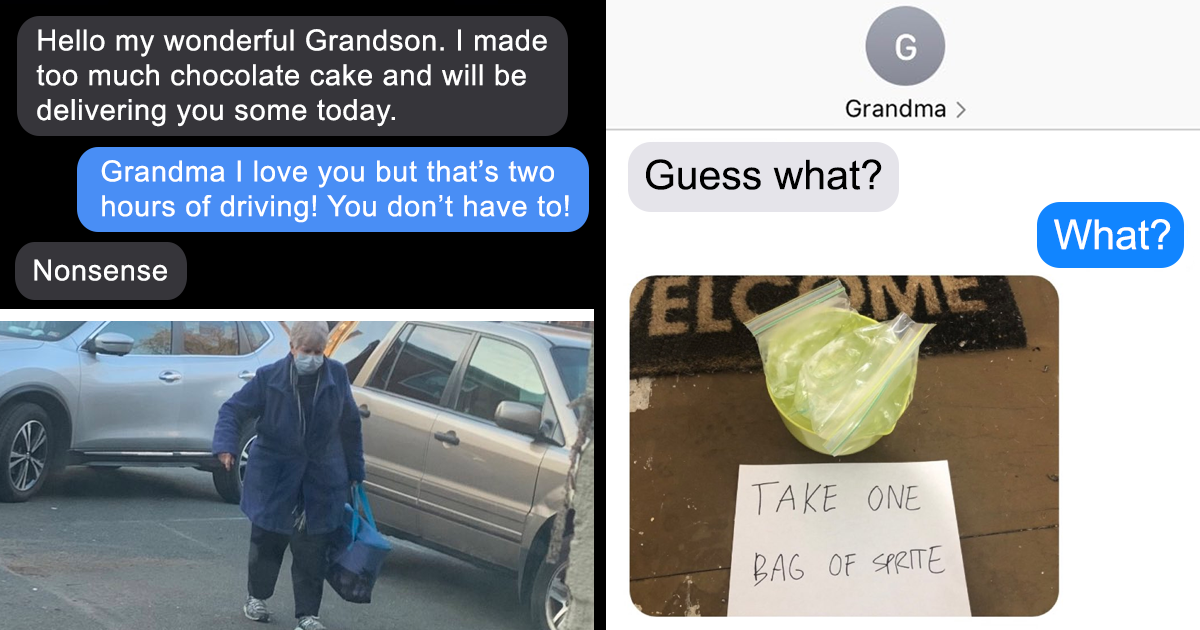
Social media may be famous for arguments, outrage, and people confidently correcting strangers while being spectacularly wrong. Yet one corner of the internet offers something gentler: grandparents learning to text, older neighbors performing quiet acts of kindness, and proud parents celebrating their adult children as if they had just won the Super Bowl.
The online account Wholesome Boomer Content, known as @wholesumboomers, collects these charming moments. Its posts remind viewers that the baby boomer generation is not a single grumpy character demanding to speak with the manager. It contains millions of individualsfunny, generous, awkward, curious, supportive, and occasionally defeated by the mysterious location of the space bar.
What Is the “Wholesome Boomer Content” Account?
Wholesome Boomer Content is a community-driven social media project that became popular on Twitter, now called X, and also established a presence on Instagram. It shares screenshots, photographs, messages, and stories featuring endearing interactions involving older adults.
The account’s creator has explained that followers submit a large amount of material, allowing the project to select especially funny or heartwarming examples. Instead of presenting baby boomers only through political arguments, generational complaints, or outdated stereotypes, the feed highlights people expressing affection, helping neighbors, embracing new ideas, and experimenting with technology.
The content is usually simple. A grandmother may enthusiastically discover a phone feature that everyone else stopped discussing years ago. A grandfather may proudly show off an unusual collectionused traffic cones, for examplewith the seriousness of a museum curator. Another older adult might address a digital assistant so politely that Siri should probably send a handwritten thank-you card.
These ordinary moments are precisely the point. The account does not need heroic rescues or dramatic speeches. It finds warmth in a misspelled restaurant name, a sincere comment beneath a family photograph, or a message that ends with three rows of flower emojis because Grandma recently discovered the emoji keyboard and intends to get her money’s worth.
Who Actually Counts as a Baby Boomer?
In the United States, baby boomers are generally defined as people born from 1946 through 1964. The name refers to the major increase in births following World War II. By 2026, the oldest members of this generation are turning 80, while the youngest are in their early 60s.
That 18-year span matters. Someone born in 1946 experienced childhood, work, culture, and technology differently from someone born in 1964. Race, income, geography, religion, education, health, and family history create even more variation. Treating the entire generation as one personality type makes about as much sense as assuming everybody who owns a toaster shares the same political philosophy.
“Boomer” Is Now More Than a Demographic Label
Online, the word boomer has developed a second life. It may describe a dismissive attitude, resistance to social change, confusion about technology, or nostalgia for an economy in which a modest salary could stretch considerably further. The phrase “OK boomer” became a compact response to condescending or out-of-touch remarks.
Some generational criticism is connected to genuine disputes over housing, wealth, employment, climate policy, and political power. Those debates should not be erased by a collection of cute screenshots. However, criticizing institutions or historical advantages is different from reducing every older person to a meme.
Wholesome Boomer Content works because it introduces a missing layer of nuance. It does not claim that every baby boomer is secretly perfect. It simply demonstrates that no birth cohort is a hive mindnot even the one currently asking why the television has two remote controls.
Why These Wholesome Boomer Posts Feel So Refreshing
They Interrupt the Internet’s Conflict Machine
Social platforms tend to reward material that triggers immediate reactions. Anger, fear, and indignation can spread quickly because they encourage users to comment, quote, and argue. A gentle post about a grandfather naming the backyard squirrels does not offer the same opportunity for combatand that is exactly why it feels like opening a window in a stuffy room.
The account gives people permission to pause. There is no complicated debate to win. The viewer can simply appreciate an older neighbor helping someone, a parent leaving an affectionate public comment, or a grandparent trying very hard to understand a new device.
They Replace a Category With a Person
Generational labels are convenient shortcuts, but shortcuts leave out the scenery. “Boomer” sounds abstract. A widower learning to cook his late spouse’s favorite recipe is specific. So is a grandmother attending an event to support her grandchild or an older customer complimenting an exhausted employee.
Specific stories make it harder to flatten people into categories. The older adult in a post is no longer an imaginary representative of an entire generation. He is simply Frank, delighted by a bird feeder. She is Linda, signing every text “Love, Mom” even though the recipient already knows who Mom is.
They Mix Affection With Gentle Comedy
The best wholesome boomer content does not treat older adults as helpless. Its humor often comes from recognizable differences in communication style. Some posts are formal where younger users would be casual. Others include unexpected punctuation, accidental selfies, or searches typed into a public status box.
The joke works when affection remains at its center. Laughing with someone who is learning differs from laughing at a person for being old. A loving screenshot preserves dignity while acknowledging that technology can be absurd. After all, people of every age have accidentally turned on a filter that gave them sparkling dog ears.
The Technology Gap Is Smaller Than the Meme Suggests
Research from the Pew Research Center has documented substantial growth in internet, smartphone, and social media use among older Americans. In a 2021 survey, 45% of adults 65 and older reported using social media, roughly four times the share recorded in 2010. YouTube use also rose considerably among older age groups.
Those figures complicate the familiar image of a grandparent holding a smartphone upside down. Baby boomers participated in the transition from typewriters and landlines to personal computers, email, mobile devices, video calls, and social networks. They did not grow up with these tools, but many adopted them while working, maintaining relationships, following news, managing finances, or enjoying hobbies.
Older social media users are not merely wandering through cyberspace looking for the print button. They create communities, organize events, sell products, share expertise, maintain friendships, and keep up with distant relatives. Some are cautious users; others post more frequently than their grandchildren would prefer. Every family apparently has one person who believes seven Facebook updates are required to document a trip to the hardware store.
Technology mistakes should also be viewed in context. Digital products change constantly, interfaces are not always accessible, and instructions often assume prior knowledge. Confusion may reflect poor design rather than inability. If a menu requires six taps and a password containing a symbol found only on an ancient map, the user may not be the problem.
Wholesome Content Can Challenge Everyday Ageism
Ageism includes stereotypes, prejudice, and discrimination based on age. It may appear in serious forms, such as workplace exclusion or inadequate medical attention, but it also hides in ordinary assumptions: older adults cannot learn, dislike change, lack humor, or contribute little to contemporary culture.
Psychologists have warned that negative ideas about aging are deeply embedded in society. Repeatedly presenting older people as burdens, villains, or punch lines can influence how others treat themand how people imagine their own future. Nobody wins when aging is framed as a lengthy software error.
Positive representation offers a counterweight. A feed filled with curious, affectionate, socially engaged older adults broadens the available picture of later life. It shows people mentoring, apologizing, adapting, volunteering, creating, and maintaining strong family relationships.
However, even positive stereotypes require care. Not every older adult is a wise, cookie-baking grandparent with unlimited patience. Some are difficult. Some are lonely, private, eccentric, ambitious, politically active, or uninterested in grandchildren. Real inclusion allows older people to be complete human beings rather than forcing them into the role of adorable supporting character.
Why Intergenerational Connection Matters
Research on intergenerational relationships suggests that meaningful connections between younger and older people can benefit both groups. Younger people may gain mentorship, emotional support, practical knowledge, and a stronger sense of history. Older adults may experience purpose, engagement, and deeper social ties.
These relationships also weaken stereotypes because personal experience competes with cultural caricature. It is harder to insist that all older adults fear technology after watching a 72-year-old relative troubleshoot the family Wi-Fi. It is equally difficult to claim that younger people lack patience after seeing a teenager teach a grandparent how to use video calling for the fourth time without launching the phone into a lake.
Social media can support such connections when it is used actively and thoughtfully. Sharing photographs, exchanging messages, joining interest-based groups, and celebrating family milestones can help maintain relationships across distance. Yet technology is not a guaranteed cure for loneliness. Passive scrolling and constant comparison may leave users of any age feeling worse. The quality of the interaction matters more than the number of apps installed.
What Makes a Wholesome Boomer Post Work?
The strongest posts usually contain several familiar ingredients:
- Sincerity: The person means what they say, even if the wording is gloriously unconventional.
- Small-scale kindness: A neighbor offers help, a parent expresses pride, or a stranger makes someone’s day easier.
- Harmless technological confusion: The mistake creates humor without exposing sensitive information or humiliating anyone.
- Unexpected openness: An older adult responds to social or cultural change with curiosity instead of hostility.
- Visible affection: The post reveals genuine care between relatives, friends, partners, pets, or community members.
- A memorable personal detail: An unusual hobby, carefully chosen emoji, or endearingly formal message makes the person feel real.
Curation is essential. A successful account does not repost everything labeled “cute.” It selects moments that are understandable without extensive context and that invite warmth rather than ridicule. Consent and privacy also matter, particularly when private messages or family photographs are involved.
A Useful Counterweight, Not a Rewrite of History
Wholesome boomer posts should not be used to shut down legitimate discussions about generational inequality. Younger Americans have valid concerns about housing costs, student debt, job security, caregiving, and the concentration of wealth. Older adults also face retirement insecurity, health expenses, age discrimination, and isolation. Turning either group into the designated villain produces plenty of engagement but very little understanding.
The account’s real value lies in refusing an all-or-nothing choice. People can examine how historical policies benefited one cohort differently from another while still recognizing individual decency. They can criticize a harmful opinion without assuming that everyone born within the same 18-year window holds it.
That position is less dramatic than a generational feud, but it is more accurate. Unfortunately, “millions of people possess varied personalities shaped by complicated circumstances” is not a very punchy meme.
Personal Experiences Inspired by Wholesome Boomer Content
Scrolling through Wholesome Boomer Content feels less like visiting a meme account and more like opening a family group chat that has been carefully edited to remove arguments about dinner plans. The posts bring back memories of older relatives whose relationship with technology combines determination, suspicion, and surprising creativity.
One familiar experience is receiving a text that appears alarming but is entirely innocent. A grandparent writes, “CALL ME IMMEDIATELY,” followed by six exclamation points. You assume a pipe has burst or someone is in the emergency room. When you call, the urgent matter is that a cardinal has landed beside the kitchen window. You are then given a detailed description of the bird, the feeder, the weather, and what the cardinal may have been thinking.
Another recognizable moment occurs during technical support. You explain how to share a photograph. The instructions seem simple: open the picture, tap the icon, select a contact, and press send. Ten minutes later, your relative has somehow changed the phone’s language, subscribed to a gardening newsletter, and taken 14 screenshots of the home screen. Nobody knows how. NASA could study the event and still return with questions.
Yet the comedy is often followed by a small emotional surprise. Once the photograph finally arrives, it may show a repaired chair, a blooming tomato plant, or a handwritten recipe. The sender is not trying to master technology for its own sake. They are learning because they want to share part of their day with someone they love.
Wholesome boomer stories also encourage people to notice kindness that would otherwise pass quietly. Consider the older neighbor who brings in packages when it rains, keeps spare batteries for everyone on the block, or clears snow beyond the edge of his own driveway. He may never describe these actions as community service. He simply sees something that needs doing and does itpossibly before sunrise, because retirement has apparently transformed 6:00 a.m. into lunchtime.
There are also moments when older adults challenge assumptions more directly. A grandparent may defend a younger relative’s identity, attend a celebration they do not fully understand, or admit that an old belief was wrong. Change does not always arrive with flawless vocabulary. Sometimes it begins with an awkward question, a sincere effort, and the willingness to listen.
The most lasting effect of the account is that it changes what viewers look for offline. After seeing enough affectionate messages and eccentric hobbies, a slow interaction at the grocery store becomes less irritating. An older customer carefully counting change may be someone who later sends a grandchild an enthusiastic message about saving 40 cents. The delay remains inconvenient, but the person becomes easier to imagine as a complete human being.
That does not require romanticizing age or excusing harmful behavior. It requires curiosity. Every generation contains people capable of kindness, stubbornness, growth, humor, and spectacularly confusing group texts. Wholesome content simply trains attention on the better momentsthe ones that rarely become breaking news but often make daily life worth sharing.
Conclusion: The Internet Could Use More Generational Grace
Wholesome Boomer Content succeeds because it offers relief without pretending that generational conflicts do not exist. Through funny messages, unusual hobbies, supportive grandparents, considerate neighbors, and technological adventures, the account shows the human variety hidden beneath a broad demographic label.
Its lesson applies beyond baby boomers. No generation should be judged entirely by its loudest or least flattering representatives. When social media encourages instant categorization, a small collection of sincere moments can restore proportion. Sometimes the most radical post in the feed is simply an older person being kindand remembering to sign the comment, “Love, Grandma,” despite having a profile picture and a clearly displayed username.












