
Short-term rental hosting looks dreamy from the outside. A cute house, cheerful guests, fresh sheets, beach-town sunsets, and the comforting idea that “passive income” will simply wander in wearing sandals. Then reality knocks on the door holding a laundry basket, a guest message, a tax reminder, and possibly a bottle of detergent that has chosen violence.
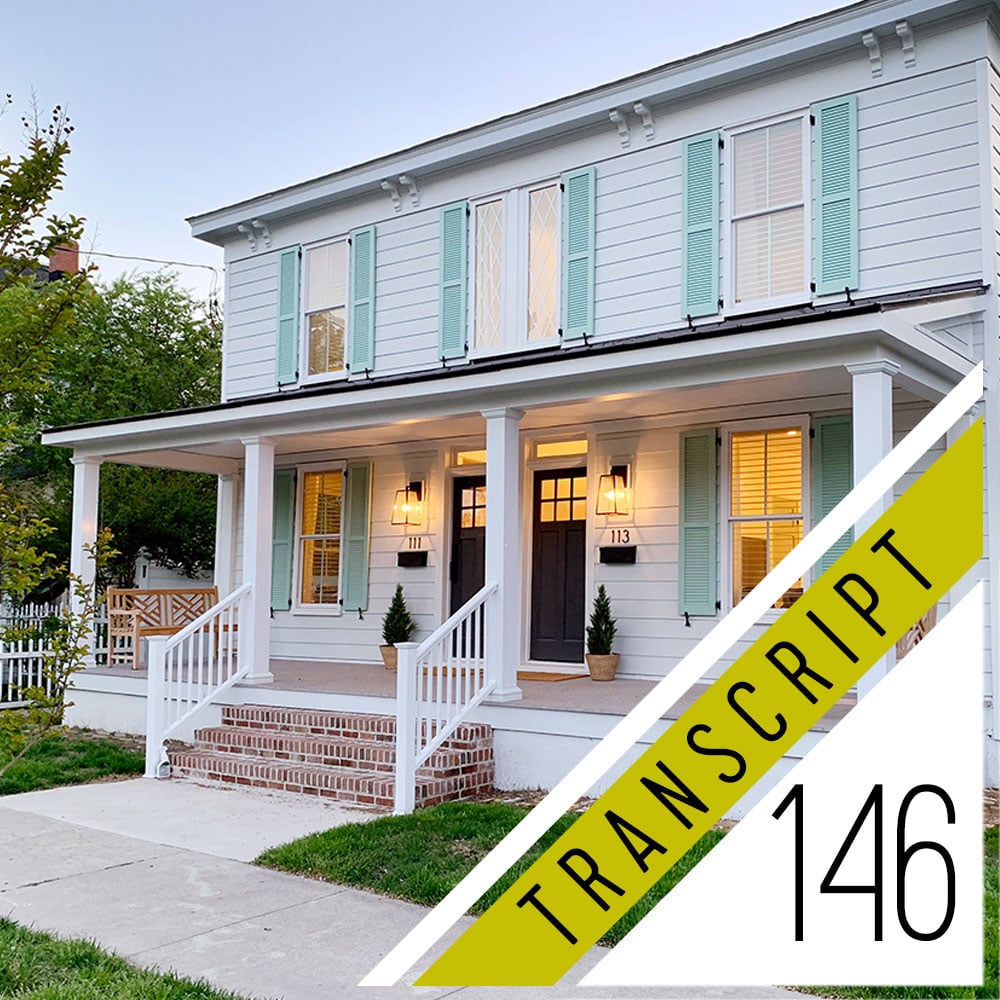
That is the charm of “Transcript #146: What It Was Really Like Renting Out The Duplex”, the Young House Love podcast episode where John and Sherry Petersik pulled back the curtain on their first summer renting out their renovated duplex in Cape Charles, Virginia. Instead of presenting vacation rental hosting as a glittery side hustle where pillows fluff themselves, they described the real thing: rewarding, exhausting, surprisingly emotional, and very, very dependent on clean towels.
The episode works because it tells the truth with humor. Their first rental season was not a disaster. In fact, it was mostly successful. But it was not hands-off either. Renting a duplex meant double the bookings, double the supplies, double the questions, and double the pressure to keep everything guest-ready. In other words, it was less “set it and forget it” and more “set it, check it, wash it, answer it, restock it, and please remember where the backup flashlight is.”
What Transcript #146 Is Really About
At its core, Transcript #146 is about the difference between imagining a vacation rental and actually running one. John and Sherry had already done the hard, highly visible work: buying, renovating, furnishing, and styling the duplex. The photos looked beautiful. The paint colors were chosen. The furniture was placed. The beach-town charm was fully operational.
But hosting guests introduced a new layer of responsibility. Once real families arrived, the duplex was no longer just a design project. It became a hospitality business. That meant fast communication, clear instructions, smooth turnovers, safety planning, and the constant awareness that someone else’s vacation depended on the house working exactly as promised.
One of the most memorable details from the episode is that they hosted 23 different families during that first summer. Because the property was a duplex, they were often managing two stays at once. That made the experience feel like running a tiny hotel, except without a front desk, a housekeeping department, or a mysterious employee named Gary who appears with fresh towels whenever needed.
The Myth of Passive Income
The phrase “passive income” gets tossed around short-term rentals like confetti at a house-flipping seminar. But Transcript #146 gently pops that balloon. The income may be real, but the work is real too.
John and Sherry described the summer as “successful-ish” and “neurotic/amazing,” which might be the most honest five-syllable review of hosting ever recorded. The rentals went well. Guests were kind. No major catastrophe swallowed the summer whole. Still, the process demanded more physical and mental energy than expected.
That is an important lesson for anyone considering Airbnb hosting, Vrbo hosting, or renting out a vacation home. The property may be the product, but the host is the operating system. Guests need answers. Linens need washing. Supplies need restocking. Local rules need following. Problems need solving before they become reviews with dramatic punctuation.
Communication Is the Hidden Job
One of the biggest takeaways from the transcript is how much communication matters. Guests may ask about check-in, parking, air conditioning, restaurants, beach gear, Wi-Fi, coffee makers, trash pickup, or the mysterious light switch that appears to control nothing but everyone’s confusion.
Short-term rental platforms reward responsive hosts because communication is part of the guest experience. A beautiful rental can still feel stressful if guests cannot get answers. John and Sherry realized they were more attached to their phones than expected. They wanted to be helpful, and they also knew that delayed responses could hurt the guest experience.
Why Fast Replies Build Trust
Fast replies are not just about platform metrics. They reassure guests that a real human is paying attention. This is especially important in a vacation rental, where guests are often in an unfamiliar town, trying to relax, and operating appliances they did not personally purchase after reading 900 online reviews.
A strong host communication system should include check-in instructions, Wi-Fi details, parking information, emergency contacts, checkout steps, and local recommendations. The best messages are friendly, short, and useful. Nobody wants a novel when they are standing outside with luggage, children, sunscreen, and a rapidly melting snack bag.
Turnover Day: Where Dreams Meet Laundry
If Transcript #146 has one behind-the-scenes villain, it is turnover day. Turnover day is the narrow window between one guest leaving and the next guest arriving. It sounds simple until you remember that every bed must be stripped and remade, every bathroom cleaned, every floor checked, every surface reset, every towel washed, every kitchen inspected, and every missing item replaced.
For a duplex, this workload multiplies quickly. One side might need extra attention while the other is nearly perfect. One guest might leave early, another might arrive ten minutes ahead of check-in, and suddenly the host is sprinting through a mental checklist like a contestant on a home-improvement game show called “Will the Sheets Dry in Time?”
John and Sherry discovered that helping with laundry became necessary. Without that extra effort, the property might not be ready by the next check-in. This is the part of short-term rental hosting that many beginners underestimate. Cleaning is not merely cosmetic. It is the foundation of guest confidence.
The Power of a Turnover Checklist
A detailed turnover checklist can save hosts from chaos. It should cover bedrooms, bathrooms, kitchen supplies, outdoor areas, safety devices, trash, locks, thermostats, and guest amenities. The checklist should also include “tiny things” because tiny things often create big impressions: working batteries, extra toilet paper, clean coffee filters, fresh sponges, full soap dispensers, and enough towels for actual humans rather than decorative elves.
Small Details Make Guests Feel Cared For
One of the most useful stories from the episode involved a power issue. On a hot night, the local transformer was overheating, and the power company needed to replace it. John and Sherry were able to message their guests and tell them where to find flashlights in the junk drawer. The outage was temporary, but the preparation mattered.
That detail captures a major rule of hosting: guests remember whether the host planned ahead. Flashlights, backup batteries, labeled drawers, extra blankets, clear instructions, and emergency contacts all communicate care. They tell guests, “We thought about what might happen before it happened.”
In a vacation rental, hospitality is often practical. It is not always a grand welcome basket or a designer sofa. Sometimes it is a flashlight in the right drawer when the lights go out.
Safety Is Not Optional
Any discussion of short-term rental hosting should include safety. A rental home should be attractive, yes, but it must also be safe, functional, and compliant with applicable rules. Smoke alarms, carbon monoxide alarms, fire extinguishers, first-aid supplies, secure locks, safe stairs, clear exits, and working exterior lights are not glamorous. They are better than glamorous. They are necessary.
For hosts, safety also includes accurate listing details. If a property has stairs, limited parking, older windows, a shared wall, a strict occupancy limit, or a quirky layout, guests should know before booking. Surprises are delightful when they are birthday cupcakes. They are less delightful when they are steep stairs at midnight.
Local Rules, Taxes, and Permits Matter
Transcript #146 focuses on the human side of hosting, but the business side matters just as much. Short-term rental rules vary widely by city, county, and state. Hosts may need permits, inspections, business licenses, occupancy tax registration, or zoning approval. In a town like Cape Charles, local short-term rental procedures can include inspections and transient occupancy tax responsibilities.
For vacation rental owners, the practical lesson is simple: do not assume the platform handles everything. Airbnb, Vrbo, and similar services may collect certain taxes in some places, but hosts are still responsible for understanding their own obligations. That includes federal income tax reporting, local lodging taxes, insurance requirements, and any restrictions set by the municipality or homeowners association.
Keep Records Like a Calm Person
Good recordkeeping makes hosting less stressful. Hosts should track rental income, cleaning costs, supplies, repairs, utilities, insurance, platform fees, maintenance, and mileage related to rental management. This is not the most exciting part of owning a vacation rental, but neither is trying to reconstruct a year of expenses from faded receipts and emotional memory.
Insurance: The Boring Topic That Can Save the Whole Business
Another major issue for short-term rental hosts is insurance. A standard homeowners policy may not fully cover repeated short-term rental activity. Hosts should speak with an insurance professional before listing a property, especially if they are renting frequently or managing a multi-unit dwelling.
This is where many new hosts get caught. They think, “It is still my house, so my regular policy should be fine.” Maybe. Maybe not. Short-term rental activity can create different liability and property risks. A guest injury, fire, theft, water damage, or neighbor complaint can become far more expensive than a stack of extra towels.
The smart move is to treat insurance as part of the launch checklist, not an afterthought. The goal is not to become paranoid. The goal is to avoid discovering a coverage gap when something has already gone sideways.
Reviews Are Earned Before Guests Arrive
Great reviews usually begin before check-in. They start with accurate photos, honest descriptions, reasonable house rules, clear directions, and quick answers. When guests arrive and find exactly what they expected, trust rises. When they find confusing instructions, missing basics, or a property that looks better online than in person, the review clock starts ticking loudly.
Transcript #146 shows that successful hosting is not about pretending everything is perfect. It is about preparation, responsiveness, and humility. Something will eventually go wrong. The question is whether the host can solve it quickly and kindly.
What New Hosts Can Learn From Transcript #146
The first lesson is that renting out a duplex or vacation home can be rewarding, but it is still work. New hosts should budget time, not just money. They should plan for message management, turnover logistics, seasonal maintenance, guest supplies, and unexpected issues.
The second lesson is to create systems. A house manual, cleaning checklist, restocking checklist, message templates, maintenance calendar, and emergency plan can turn frantic hosting into manageable hosting. Systems do not remove all stress, but they reduce the number of moments when you stand in a laundry room whispering, “Why are there still seven wet towels?”
The third lesson is to respect the guest’s point of view. Guests are not walking through the home with the owner’s knowledge. They do not know which drawer has the flashlight, which remote controls the fan, or whether the charming old door needs a confident tug. Labels, instructions, and thoughtful organization make the stay smoother.
The fourth lesson is to be honest about capacity. Managing one unit is different from managing two. Hosting occasionally is different from hosting all summer. Doing your own cleaning is different from hiring a professional team. The right setup depends on time, budget, distance from the property, and tolerance for Saturday laundry marathons.
The Emotional Side of Hosting
One underrated theme in Transcript #146 is the emotional side of sharing a renovated property with strangers. John and Sherry had invested years of energy into the duplex. They cared about the design, the town, and the guest experience. Renting it out was not just a financial decision. It was personal.
That emotional connection can be a strength. It can motivate hosts to create a beautiful, thoughtful, well-stocked space. But it can also make hosting more intense. Every guest question feels important. Every scuff on the floor feels personal. Every checkout inspection becomes a tiny suspense film.
Healthy hosting requires balance. Care deeply, but do not panic over normal wear. Prepare thoroughly, but accept that guests are human. Make the space beautiful, but choose materials that can survive sunscreen, suitcase wheels, sandy feet, and children who believe every couch is secretly a trampoline.
Why This Episode Still Feels Useful
Even though the episode came from a specific first-summer experience, its lessons remain relevant. The short-term rental market continues to evolve, with changing regulations, rising guest expectations, and more competition. Hosts today need more than a pretty listing. They need professionalism, compliance, safety, hospitality, and operational discipline.
That is why Transcript #146 remains valuable. It does not sell a fantasy. It gives readers and listeners a grounded look at what hosting can feel like when real families, real schedules, real laundry, and real power outages enter the picture.
Conclusion: What It Was Really Like
So, what was it really like renting out the duplex? It was exciting, productive, stressful, funny, tiring, and deeply educational. It proved that a vacation rental can be a wonderful project, but only when treated as both a home and a hospitality business.
John and Sherry’s experience shows that success is not just about having a beautiful property. It is about responding quickly, preparing carefully, cleaning thoroughly, following rules, planning for problems, and remembering that guests are trusting you with part of their vacation.
The best short-term rental hosts are part designer, part cleaner, part concierge, part accountant, part safety manager, and part calm adult during appliance-related drama. Transcript #146 captures that mix perfectly. It is not a warning against hosting. It is a realistic invitation to understand the job before opening the door.
Additional Experiences: What Hosting a Duplex Really Feels Like
If you have ever prepared a home for guests, even relatives, you already know a tiny piece of the short-term rental experience. Suddenly, you see your house through someone else’s eyes. The loose doorknob you ignored for six months becomes a five-star-review emergency. The drawer full of mystery cords becomes a “guest confusion zone.” The bathroom that looked perfectly fine yesterday now appears to be missing a backup roll of toilet paper, which in hospitality terms is basically a thunderstorm warning.
Hosting a duplex adds another level because everything happens in pairs. Two kitchens need supplies. Two sets of beds need linens. Two bathrooms need spotless mirrors. Two families may arrive with different expectations, different schedules, and different definitions of “just a quick question.” One guest may be thrilled with the beach chairs while another cannot find the can opener. The host has to care about both with equal patience.
The most realistic hosting experience is not dramatic. It is repetitive. It is noticing that the dish soap is low before anyone complains. It is checking that the Wi-Fi password is still readable on the welcome sheet. It is making sure the batteries in the remote are not slowly retiring from public life. It is walking through the property before arrival and pretending you have never been there before: Where would I put my suitcase? Can I find the towels? Do I understand checkout? Is the thermostat obvious? Why is there one lonely sock behind the chair?
There is also a strange satisfaction in getting it right. When guests check in smoothly, enjoy the town, sleep well, and leave a kind note, the work feels worthwhile. A good rental stay can become part of someone’s family memory. Maybe it is where a child first saw the ocean, where grandparents joined a beach weekend, or where friends finally got time together after a busy year. That is the sweet side of hosting: the house becomes a backdrop for other people’s happiness.
But the work must be respected. A host who treats the rental casually will eventually meet the consequences: rushed cleaning, confused guests, missing supplies, tax headaches, or preventable maintenance problems. A host who builds systems can breathe easier. The best experience comes from being prepared enough that small surprises stay small.
That is the real lesson behind “what it was really like.” Hosting is not just opening a calendar and collecting bookings. It is care, logistics, hospitality, and humility wrapped in fitted sheets. Sometimes it is fun. Sometimes it is frantic. Sometimes it is both before lunch. But when done thoughtfully, it can be a meaningful way to share a home, support a town, and learn exactly how many towels a summer can consume.














