A vasectomy has a reputation for being surrounded by nervous jokes, frozen-pea recommendations, and questions whispered as though the procedure involves classified government equipment. In reality, it is a common outpatient surgery that provides permanent contraception by preventing sperm from entering semen.
The operation is usually brief, recovery is generally straightforward, and its effectiveness is excellent once a post-vasectomy semen analysis confirms success. However, “brief” does not mean “trivial,” and “highly effective” does not mean “effective immediately.” Anyone considering a vasectomy should understand what happens during the procedure, how recovery typically feels, why follow-up testing matters, and which complications require medical attention.
This guide explains the practical expectations, effectiveness, possible vasectomy risks, and long-term considerations involved in making an informed decision.
What Is a Vasectomy?
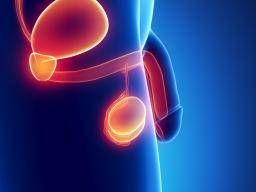
A vasectomy is a form of permanent birth control. During the procedure, a healthcare professional isolates and blocks the two vas deferensthe narrow tubes that carry sperm from the testicles toward the urethra. Depending on the technique, the tubes may be divided, sealed with heat, clipped, tied, separated by tissue, or treated with a combination of methods.
The testicles continue producing sperm after surgery. Those sperm simply cannot travel into the semen and are gradually broken down and absorbed by the body. The prostate and seminal vesicles still produce the fluid released during ejaculation, so semen usually looks and feels essentially the same. Sperm make up only a small portion of ejaculate volume.
A vasectomy does not remove the testicles, lower testosterone, cause impotence, or eliminate orgasm. It changes the sperm’s travel itinerarynot the body’s hormonal headquarters.
Who Should Consider a Vasectomy?
Vasectomy may be appropriate for someone who is certain they do not want biological children in the future or does not want additional children. It can also be considered when pregnancy would pose a serious health risk to a partner or when a couple wants a permanent method that is less invasive than abdominal sterilization surgery.
The most important word is permanent. Reversal procedures and assisted reproductive technologies may make biological parenthood possible after vasectomy, but they are expensive, more complicated than the original procedure, and not guaranteed to result in pregnancy.
According to CDC guidance, most people remain satisfied with permanent contraception, although regret after vasectomy has been reported in approximately 5% of patients. Major life changessuch as divorce, remarriage, losing a child, or simply changing one’s mindcan alter plans that once seemed carved in granite.
Questions to Ask Before Deciding
- Would I still want this procedure if my current relationship changed?
- How would I feel if I experienced the loss of a child?
- Am I choosing permanent contraception freely, without pressure?
- Would a reversible option, such as an implant or intrauterine device, better fit my uncertainty?
- Should I consider sperm banking before surgery?
Being nervous about the operation is normal. Being uncertain about never fathering a biological child is a reason to slow down.
What to Expect Before the Procedure
A preoperative consultation may take place in person or through telehealth, depending on the provider and the patient’s medical circumstances. The clinician will review medical history, previous scrotal surgery, testicular problems, chronic groin pain, medications, allergies, and the reasons for seeking permanent contraception.
A physical examination may be performed to make sure each vas deferens can be located easily. People with difficult anatomy, bleeding disorders, significant anxiety, previous scrotal procedures, or certain testicular conditions may need treatment in an operating room rather than a standard office setting.
Patients should provide a complete list of prescription drugs, over-the-counter medicines, vitamins, and supplements. Aspirin, ibuprofen, anticoagulants, and other products that affect bleeding may require special instructions. Never stop a prescribed blood thinner without consulting the clinician who manages it.
Instructions may also include washing the scrotal area, trimming hair if specifically directed, wearing supportive underwear, arranging transportation, and avoiding a large meal when sedating medication will be used. Following the clinic’s instructions is more useful than following the enthusiastic advice of a cousin who had his procedure in 2007.
How Is a Vasectomy Performed?
Most vasectomies are performed in an outpatient clinic using local anesthesia. The patient remains awake while medication numbs the scrotal skin and tissue surrounding the vas deferens. A sedative may be offered when anxiety is substantial.
The procedure commonly takes about 15 to 30 minutes, although preparation and observation can make the entire appointment longer. Patients may notice pressure, movement, or a tugging sensation, but sharp pain should be reported so additional anesthetic can be given.
Conventional Incision Vasectomy
With a conventional technique, the clinician makes one or two small incisions in the scrotum. Each vas deferens is brought through the opening, divided, and sealed. The incisions may be closed with dissolvable stitches.
No-Scalpel Vasectomy
During a no-scalpel vasectomy, a specialized instrument creates a tiny puncture through which the vas deferens can be reached. This approach usually requires no stitches and is associated with less bleeding, bruising, early pain, and wound infection than traditional incisional access while providing comparable contraceptive effectiveness.
The term “no-scalpel” describes how the clinician reaches the tubes. It does not mean nothing is divided or sealed internally. Marketing departments, as usual, have selected the friendliest part of the story.
How Effective Is a Vasectomy?
Vasectomy is among the most effective contraceptive methods available. The CDC estimates a typical-use failure rate of approximately 0.15 pregnancies per 100 users during the first year. After appropriate follow-up confirms successful occlusion, the long-term risk of pregnancy is extremely low but not zero.
Rarely, the divided ends of a vas deferens may reconnect, a process called recanalization. Early recanalization is usually discovered during follow-up testing. Late recanalization can occur after an initially successful result, although this is uncommon.
A Vasectomy Does Not Work Immediately
Sperm already located beyond the blocked sections of the vas deferens can remain in the reproductive tract for weeks or months. A person can therefore cause a pregnancy after surgery until laboratory testing confirms that the semen meets the clinician’s criteria for contraceptive clearance.
Another method of birth control must be used during this interval. Having several ejaculations helps clear remaining sperm, but ejaculation counts alone cannot prove that the procedure worked. The laboratorynot optimism, calendar math, or an especially confident group chatprovides clearance.
Post-Vasectomy Semen Analysis
Current American Urological Association guidance recommends at least one appropriately collected semen sample to confirm successful blockage. Testing may begin around eight weeks after surgery, although many practices schedule it between eight and 16 weeks or use a timeline tailored to the procedure and patient. Contraception should continue until the healthcare professional reviews the result and explicitly confirms that it is safe to stop.
If motile sperm remain, repeat testing is required. Persistent motile sperm may indicate failure and can lead to discussion of a repeat vasectomy. Skipping semen analysis is one of the most preventable ways to turn a highly effective operation into an unexpected pregnancy announcement.
Vasectomy Recovery: What Usually Happens
Most patients go home shortly after the procedure. Mild soreness, swelling, bruising, and a pulling sensation are common during the first several days. A small amount of blood in semen may also occur temporarily.
Typical self-care instructions include resting, placing a wrapped cold pack over the area for short intervals, wearing snug supportive underwear, and using clinician-approved pain medicine. Ice should not be placed directly on the skin unless frostbite is part of an entirely different weekend plan.
Returning to Work and Exercise
Someone with a desk job may be able to return within a few days. A person whose work involves climbing, carrying, cycling, construction, or heavy lifting may need approximately a week or longer. Strenuous exercise, weightlifting, running, and contact sports are commonly restricted during early recovery.
Activity recommendations vary, so the surgeon’s instructions should take priority. Pain and increasing swelling are signals to reduce activity rather than opportunities to demonstrate heroic toughness.
Sex After Vasectomy
Many clinicians recommend avoiding sex and masturbation for about seven days, or until the incision has healed and activity feels comfortable. Temporary tenderness during erection or ejaculation may occur. When sexual activity resumes, another contraceptive method remains necessary until semen testing provides clearance.
A vasectomy does not protect against sexually transmitted infections, including HIV. Condoms may still be needed based on partners, testing history, and STI risk.
Possible Vasectomy Risks and Side Effects
Most vasectomy complications are uncommon and manageable. Nevertheless, every surgical procedure carries risk, and informed consent should involve more than signing a form while mentally planning lunch.
Bleeding, Bruising, and Hematoma
Minor bruising is expected. More substantial bleeding can produce a hematoma, which is a collection of blood inside the scrotum. A hematoma may cause marked swelling, discoloration, pressure, or pain and should be assessed by a healthcare professional.
Infection
Possible signs of infection include fever, chills, worsening redness, warmth, pus-like drainage, increasing tenderness, or an incision that appears to be opening. Infections are generally treatable but should not be ignored.
Sperm Granuloma
A sperm granuloma is a small lump caused by sperm leaking from the sealed end of a vas deferens. It is usually harmless and may disappear without treatment, although it can occasionally be tender.
Epididymal Congestion
Some patients experience pressure or aching around the testicle or epididymis as sperm production continues behind the blockage. This discomfort often improves with time and conservative treatment.
Chronic Post-Vasectomy Pain
Post-vasectomy pain syndrome refers to testicular or scrotal pain lasting at least three months and significant enough to affect daily activity, exercise, ejaculation, or quality of life. Estimates vary depending on how pain is defined, but clinically meaningful chronic pain is generally reported in approximately 1% to 2% of patients.
Treatment can include anti-inflammatory medication, supportive garments, pelvic-floor therapy, nerve-directed treatment, injections, or surgery in selected cases. Persistent pain deserves medical evaluation rather than an indefinite commitment to pretending everything is fine.
Failure and Recanalization
A vasectomy can fail when a vas deferens is not completely blocked or reconnects. Failure may be detected by sperm in follow-up samples or, rarely, by pregnancy after previous clearance. Repeat surgery may be recommended when motile sperm persist.
Does Vasectomy Affect Sex, Testosterone, or Long-Term Health?
Vasectomy does not normally change testosterone production, facial hair, muscle development, libido, erections, orgasm, or the ability to ejaculate. The amount and appearance of semen generally remain unchanged to the naked eye.
Research has not established a causal link between vasectomy and prostate cancer, testicular cancer, heart disease, or decreased masculinitythe last of which is not a recognized laboratory value anyway. Some patients report improved sexual satisfaction because anxiety about unintended pregnancy is reduced.
Can a Vasectomy Be Reversed?
A vasectomy reversal reconnects the reproductive tract through microsurgery. Whether sperm return to the semen depends on factors such as the number of years since vasectomy, scar tissue, surgical technique, patient age, and the surgeon’s experience.
Pregnancy rates after reversal range broadlyfrom about 30% to more than 90% in selected situationsand are also strongly influenced by the fertility and age of the partner who would carry the pregnancy. Successful reconnection does not guarantee conception.
Another option is surgical sperm retrieval followed by in vitro fertilization with intracytoplasmic sperm injection. Both pathways can be costly and physically demanding. Anyone already thinking, “I can always reverse it,” should consider postponing vasectomy or banking sperm first.
When to Contact a Healthcare Professional
Call the treating clinic promptly for severe or rapidly increasing pain, substantial swelling, uncontrolled bleeding, fever, chills, spreading redness, foul-smelling drainage, difficulty urinating, or symptoms that worsen after initially improving.
Emergency evaluation may be appropriate for sudden intense testicular pain, very rapid swelling, fainting, difficulty breathing, or symptoms of a serious medication reaction. A vasectomy is usually uncomplicated, but the scrotum is not an ideal location for a “let’s see what happens next week” experiment.
A Realistic Vasectomy Experience: From Consultation to Clearance
Experiences differ, but a typical journey begins with more conversation than cutting. At the consultation, the clinician asks about family plans, prior scrotal injuries, chronic pain, medication use, and general health. Some patients arrive entirely certain. Others realize that they are comfortable with contraception but not with permanence. Both outcomes make the appointment worthwhile.
On procedure day, the emotional buildup is often more dramatic than the operation. After changing clothes and signing consent forms, the patient lies on an examination table. The numbing injection may sting for several seconds. Once the anesthetic works, sensations are more likely to involve pressure, movement, or tugging than sharp pain. A patient should speak up immediately if anything hurts; enduring pain silently does not earn a commemorative medal.
The actual procedure may be finished in less time than an average television episode. Afterward, the patient receives written instructions and goes home. This is not the afternoon to shop for patio stones, reorganize the garage, or prove that the surgeon underestimated one’s athletic potential.
During the first evening, a dull ache and tenderness are common. Supportive underwear reduces movement, while rest and a wrapped cold pack may ease swelling. Many patients describe the sensation as similar to having been lightly struck in the groin some time earliernot pleasant, but usually manageable. Pain that is severe, rapidly worsening, or accompanied by major swelling is not part of the expected “tough it out” package.
By the second or third day, someone working from a computer may feel ready to return. Walking around the house is reasonable, but repeated stair climbing, lifting children, carrying groceries, or riding a bicycle may quickly reveal why activity restrictions exist. The first week is less about being bedridden and more about refusing invitations to do something foolish.
Bruising can appear surprisingly colorful before fading. A pea-sized tender lump may represent healing tissue or a sperm granuloma, but new lumps should be discussed with the clinic rather than diagnosed through a midnight internet expedition. Mild symptoms should gradually improve.
Sexual activity often resumes after approximately one week when healing is comfortable. The first ejaculation may feel normal, mildly sensitive, or psychologically strange simply because the patient is paying more attention than usual. Semen typically looks unchanged. Crucially, the vasectomy is not yet reliable contraception, so the existing birth control method must continue.
The least glamorous but most important phase arrives several weeks later: collecting the semen sample. Instructions should be followed carefully because collection timing, transportation, temperature, and laboratory processing can affect interpretation. Some practices offer mail-in testing, while others require delivery to a laboratory within a specified period.
Receiving a clear result is the true finish line. Until the clinician confirms success, pregnancy remains possible. If sperm are still present, that does not always mean the operation permanently failed; additional time and repeat testing may be needed. Motile sperm that persist over time require closer evaluation and may lead to repeat surgery.
For most patients, the entire experience is less dramatic than expected: a short procedure, several quiet days, a temporarily unfashionable commitment to supportive underwear, and one essential laboratory test. The best outcomes generally come from realistic expectations, careful aftercare, and taking follow-up as seriously as the surgery itself.
Conclusion
Vasectomy is a highly effective permanent contraceptive procedure with a short operating time and relatively quick recovery. It generally does not affect testosterone, erections, orgasm, libido, or visible semen volume. Its effectiveness, however, depends on completing post-vasectomy semen analysis and continuing contraception until formal clearance is provided.
Most short-term effects consist of temporary soreness, swelling, or bruising. Less common complications include infection, hematoma, sperm granuloma, recanalization, and chronic scrotal pain. Because reversal is complicated and cannot guarantee pregnancy, the decision should be made with the expectation that fertility will not return.