
Note: This article is for general fitness education. Anyone with pain, injury, surgery history, heart conditions, balance concerns, or medical limitations should speak with a qualified healthcare professional before starting a new resistance band workout.
A good workout video does not need smoke machines, dramatic lighting, or a trainer yelling like you owe them rent. Sometimes, all it takes is one humble resistance band, a little floor space, and seven smart moves that make your muscles say, “Oh, so we are working today?”
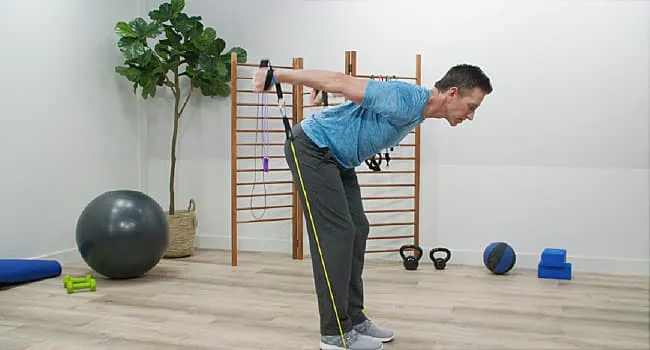
This guide to a video on 7 effective resistance band moves breaks down how to use resistance bands for a practical full-body workout. The goal is simple: build strength, improve control, support mobility, and make exercise feel less like a complicated gym ritual and more like something you can actually do in your living room.
Resistance bands are popular because they are affordable, portable, joint-friendly, and surprisingly powerful. They can train your legs, glutes, shoulders, chest, back, arms, and core without requiring a garage full of iron. Whether you are new to exercise, returning after a break, traveling, or adding variety to your routine, resistance band exercises can help you train effectively with minimal equipment.
Why Resistance Bands Work So Well
Resistance bands create tension as they stretch. That tension challenges your muscles through the movement, especially near the end range where the band is stretched the most. Unlike some free-weight exercises, where gravity determines the direction of resistance, bands allow you to push, pull, press, rotate, and stabilize from different angles.
That is why a resistance band workout can feel sneaky. The band looks innocent, like something that fell out of a craft drawer. Then you start doing rows, presses, and squats, and suddenly your shoulders are negotiating a peace treaty.
Strength training with bands can help improve muscular strength, endurance, balance, and daily function. It also supports the broader recommendation that adults include muscle-strengthening activity at least two days per week. Bands are not magic, but they are practical. And practicality is the secret ingredient most people need to stay consistent.
What Makes a Good Resistance Band Video?
A strong video on resistance band moves should do more than show someone moving quickly while upbeat music tries to distract you from confusion. A useful video should explain setup, posture, breathing, band tension, common mistakes, and easier or harder variations.
Look for Clear Form Cues
Good instruction should tell you where to place your feet, how to hold the band, what muscles you should feel, and what to avoid. For example, during a banded row, you should feel the upper back working, not your neck trying to become the main character.
Choose a Band That Matches Your Level
Resistance bands usually come in light, medium, heavy, and extra-heavy options. Beginners should start lighter and focus on control. A band is too heavy if you have to jerk, lean, twist, shrug, or make the facial expression of someone opening a stuck pickle jar.
Warm Up Before You Begin
Before doing the seven resistance band moves, spend five minutes warming up. Try marching in place, arm circles, hip hinges, bodyweight squats, shoulder rolls, and gentle band pull-aparts. Warm muscles move better, and your body appreciates a polite invitation before the hard work begins.
7 Effective Resistance Band Moves for a Full-Body Workout
The following moves are ideal for a video workout because they are visual, easy to modify, and useful for training major muscle groups. Perform each exercise for 8 to 15 controlled reps, or 30 to 45 seconds, depending on your fitness level. Rest for 30 to 60 seconds between moves. Complete one to three rounds.
1. Resistance Band Squat
The resistance band squat targets your quads, glutes, hamstrings, and core. Stand on the band with your feet about shoulder-width apart. Hold the handles or ends of the band near your shoulders. Sit your hips back, bend your knees, keep your chest lifted, and stand back up by pressing through your feet.
Form tip: Keep your knees tracking in the same direction as your toes. Do not let them collapse inward. If the band pulls you forward, reduce tension or switch to a lighter band.
Why it works: Squats train a movement pattern you use every day, from sitting in a chair to picking up grocery bags. Add the band, and the movement becomes more challenging without needing a barbell.
2. Banded Glute Bridge
Place a mini loop band above your knees and lie on your back with your knees bent and feet flat on the floor. Press your knees gently outward to keep tension on the band. Drive through your heels and lift your hips until your body forms a straight line from shoulders to knees. Lower slowly.
Form tip: Do not overarch your lower back at the top. Think about squeezing your glutes rather than launching your hips into orbit.
Why it works: The glute bridge helps activate the glutes and improve hip strength. The band adds extra work for the outer hips, which can support better lower-body alignment.
3. Resistance Band Row
Sit on the floor with your legs extended, or stand with the band anchored securely at chest height. Hold one end in each hand. Start with arms extended, then pull your elbows back while squeezing your shoulder blades together. Slowly return to the starting position.
Form tip: Keep your shoulders down and away from your ears. Your upper traps do not need to audition for every exercise.
Why it works: Rows strengthen the back, rear shoulders, and arms. They are especially helpful for people who spend long hours sitting, typing, or looking down at a phone like it contains the secrets of the universe.
4. Resistance Band Chest Press
Anchor the band behind you at chest height or wrap it around your upper back. Hold the ends of the band with your elbows bent. Press your hands forward until your arms are extended, then return with control.
Form tip: Keep your wrists straight and avoid flaring your elbows too high. Move smoothly instead of snapping the band forward.
Why it works: The chest press trains the chest, shoulders, and triceps. It is a great alternative to push-ups for people who want upper-body strength without getting into a floor position.
5. Resistance Band Shoulder Press
Stand on the middle of the band with one or both feet. Hold the handles or ends at shoulder height, palms facing forward or slightly inward. Press overhead until your arms are extended, then lower slowly.
Form tip: Keep your ribs down and core engaged. If your lower back arches like a suspension bridge, use a lighter band or press one arm at a time.
Why it works: Shoulder presses strengthen the deltoids, triceps, and upper body stabilizers. This movement supports everyday tasks like lifting items onto shelves or waving dramatically when someone finally brings snacks.
6. Resistance Band Deadlift
Stand on the band with your feet hip-width apart. Hold the ends in front of your thighs. Push your hips back, keep a soft bend in your knees, and lower your hands toward your shins while keeping your back neutral. Stand tall by driving your hips forward and squeezing your glutes.
Form tip: This is a hip hinge, not a squat. Your hips move back, your spine stays long, and your knees bend only slightly.
Why it works: Band deadlifts train the hamstrings, glutes, lower back, and core. They teach you how to lift with better mechanics, which matters when real life asks you to pick up laundry baskets, backpacks, or the emotional weight of Monday morning.
7. Resistance Band Pallof Press
Anchor the band at chest height and stand sideways to the anchor point. Hold the band with both hands at your chest. Step away until there is tension. Press your hands straight forward, pause, then bring them back to your chest. Repeat, then switch sides.
Form tip: Do not let the band twist your torso. Keep your ribs, hips, and shoulders facing forward.
Why it works: The Pallof press trains anti-rotation core strength. In plain English, it teaches your midsection to resist unwanted movement. That is useful for sports, posture, carrying things, and not wobbling like a folding chair in a windstorm.
How to Turn These 7 Moves Into a Workout
For beginners, start with one round of all seven moves. Use a light or medium band and perform 8 to 10 reps per exercise. Focus on smooth movement, steady breathing, and proper alignment.
For intermediate exercisers, try two to three rounds with 10 to 15 reps per exercise. Rest less between moves if your form stays solid. You can also use heavier bands for lower-body exercises and lighter bands for shoulder or arm movements.
For a quick video-style circuit, follow this format:
- Resistance Band Squat: 40 seconds
- Banded Glute Bridge: 40 seconds
- Resistance Band Row: 40 seconds
- Resistance Band Chest Press: 40 seconds
- Resistance Band Shoulder Press: 40 seconds
- Resistance Band Deadlift: 40 seconds
- Pallof Press: 30 seconds per side
Rest for 60 to 90 seconds after the full circuit. Repeat one to three times. Keep the pace controlled. A resistance band workout is not a race, and nobody wins a trophy for turning good form into interpretive dance.
Common Mistakes to Avoid
Using Too Much Tension Too Soon
More resistance is not always better. If the band is so heavy that you lose posture, shorten your range of motion, or rush the movement, scale down. Good form beats heroic chaos every time.
Letting the Band Snap Back
Control both directions of every rep. The return phase is part of the exercise. Letting the band snap back wastes training value and can increase injury risk.
Skipping Band Inspection
Before each workout, check the band for cracks, tears, thinning spots, or worn handles. A damaged band can break. A surprise snap is not the kind of plot twist anyone requested.
Holding Your Breath
Breathe steadily. A simple pattern is to exhale during the effort and inhale as you return. For example, exhale as you press, pull, or stand; inhale as you lower or reset.
Who Can Benefit From Resistance Band Training?
Resistance band exercises are useful for beginners, busy professionals, travelers, older adults, athletes, and people who want a compact home workout. Bands can also be helpful in rehabilitation settings when used under professional guidance because they allow gentle, adjustable resistance.
They are especially convenient for people who do not want to buy large equipment. A set of bands fits in a drawer, suitcase, backpack, or desk. That means your workout can follow you almost anywhere, which is both inspiring and slightly suspicious.
How Often Should You Do These Moves?
Most people can perform a full-body resistance band workout two to three times per week, leaving at least one rest day between harder sessions. If you are also doing cardio, sports, or heavy weight training, use bands as a warm-up, recovery session, or accessory workout.
Progress by adding reps, adding a round, slowing the tempo, pausing at the hardest point, or switching to a stronger band. Do not change everything at once. Progress should feel challenging but controlled, not like your workout suddenly became a surprise exam.
Experience Notes: What It Feels Like to Follow a Video on 7 Effective Resistance Band Moves
The first time you follow a resistance band video, the workout may feel almost too simple during the setup. There is no clanking metal, no giant machine, and no gym crowd silently judging your water bottle. You roll out a mat, grab a band, press play, and think, “This will be easy.” That confidence usually lasts until the second round.
One of the best things about these seven moves is that they reveal where your body is strong and where it needs attention. The squat may feel familiar, but adding band tension makes you focus on balance and posture. The glute bridge may look calm, but after twelve controlled reps, your glutes start sending emails to management. The row often feels great because it opens the chest and wakes up the upper back, especially after a long day at a desk.
The chest press and shoulder press are where many people learn the value of using the right band. A heavy band may look impressive, but a lighter band often gives a better workout because you can move through the full range without shrugging, twisting, or turning the exercise into a personal battle. The goal is not to defeat the band. The goal is to train your muscles with control.
The deadlift is another eye-opener. Done well, it teaches you to hinge at the hips and use your glutes and hamstrings instead of rounding your back. This can carry over into everyday life. Picking up a backpack, moving a box, lifting a pet, or grabbing something from the floor all become easier when you understand how to hinge properly.
The Pallof press may be the quietest move in the workout, but it is secretly one of the most useful. At first, it may not look exciting. You stand still, press the band forward, and resist rotation. But then you feel your core working hard to keep you steady. It is not flashy, yet it builds the kind of strength that helps you move better in real life.
Another practical benefit of following a video is pacing. Many people rush when exercising alone. A good video slows you down, reminds you to breathe, and gives you enough time to reset between exercises. That rhythm matters. Controlled training helps you feel the target muscles instead of just flinging limbs around and hoping fitness happens by accident.
After a few sessions, the workout becomes easier to personalize. You may use a heavier band for squats and deadlifts, a lighter one for shoulder presses, and a loop band for glute bridges. You may pause longer at the top of rows or slow down the lowering phase of chest presses. These small adjustments make the same seven moves feel fresh without needing a completely new routine every week.
The biggest lesson is that resistance band training rewards consistency. You do not need a dramatic transformation montage. You need steady reps, safe form, and a plan you can repeat. A 20-minute band workout done two or three times a week can build confidence, improve strength, and make movement feel more natural. Plus, when you finish, the band goes back in a drawer instead of becoming a new piece of furniture. That alone deserves applause.
Conclusion
A video on 7 effective resistance band moves can be one of the simplest ways to start strength training at home. With squats, glute bridges, rows, chest presses, shoulder presses, deadlifts, and Pallof presses, you can train your full body using one small piece of equipment.
The key is to choose the right resistance level, move with control, and focus on form. Bands may look basic, but they can deliver serious results when used consistently. They are portable, affordable, adaptable, and beginner-friendly, which makes them ideal for people who want strength training without overcomplicating their routine.
Start light, stay patient, and let the band do what it does best: add tension, challenge your muscles, and remind you that effective fitness does not always need to be fancy. Sometimes, the most useful gym equipment is the one that fits in your pocket.












