
Osteoarthritis is not exactly the party guest anyone invites, but it has a habit of showing up anywayusually in the knees, hips, hands, spine, or other hardworking joints that have been doing their job quietly for years. It is the most common form of arthritis, and while age, genetics, past injuries, and joint structure can all play a role, osteoarthritis is not purely a “wait and see what happens” condition.
The good news? You can lower your chances of osteoarthritisor at least reduce the odds of it arriving early, loudly, and with a suitcase. Prevention is not about wrapping yourself in bubble wrap or avoiding stairs forever. It is about building strong muscles, protecting joints from unnecessary strain, staying active in smart ways, eating for overall health, and paying attention when your body sends warning signals.
This guide breaks down practical, realistic, and science-based ways to support joint health. No magic potions, no “one weird trick,” and no need to become the person who owns seven foam rollers and talks about them at dinner. Just clear habits that help your joints stay useful, comfortable, and ready for everyday life.
What Is Osteoarthritis?
Osteoarthritis, often shortened to OA, is a joint condition that develops when cartilagethe smooth, cushioning tissue at the ends of boneschanges and wears down over time. Healthy cartilage helps joints move with less friction. When it becomes damaged or thinner, the joint may become painful, stiff, swollen, or harder to move.
Osteoarthritis can affect almost any joint, but it commonly appears in the knees, hips, hands, lower back, and neck. It is sometimes called “wear-and-tear arthritis,” but that nickname is a little too simple. OA is not just a mechanical problem. Inflammation, metabolism, body weight, injury history, muscle weakness, and even how a person moves can influence joint health.
Can Osteoarthritis Be Prevented Completely?
Not always. Some risk factors cannot be changed, including age, family history, sex, and certain inherited joint shapes. If your family tree is full of cranky knees, your knees may have read the memo. But many risk factors are modifiable, which means your everyday choices can make a meaningful difference.
Think of osteoarthritis prevention as risk reduction. You may not control every variable, but you can influence the big ones: physical activity, muscle strength, weight management, injury prevention, posture, blood sugar control, workplace habits, and how quickly you respond to joint pain.
1. Keep MovingBut Choose Joint-Friendly Movement
Movement is one of the best gifts you can give your joints. It helps maintain flexibility, strengthens muscles, supports circulation, improves balance, and helps manage body weight. The trick is choosing movement that supports your joints rather than punishing them like they forgot your birthday.
Low-impact activities are especially useful for osteoarthritis prevention because they raise your heart rate without repeatedly slamming your joints. Good options include walking, swimming, cycling, water aerobics, elliptical training, yoga, Pilates, and tai chi. These activities can help you stay active while reducing unnecessary stress on the knees, hips, and spine.
Try a simple weekly movement plan
A realistic starting point might look like this: walk for 20 to 30 minutes most days, add two short strength sessions per week, and include gentle stretching after exercise. If you are new to exercise or returning after an injury, begin slowly. Your joints do not need a dramatic fitness montage. They need consistency.
2. Build Muscle Strength Around Your Joints
Muscles act like shock absorbers. Stronger muscles help stabilize joints and reduce the load placed directly on cartilage. For example, strong quadriceps, hamstrings, glutes, and calf muscles can help protect the knees and hips. Strong core muscles can help support the spine and improve posture.
Strength training does not have to mean heavy barbells, grunting, or pretending you know what every machine at the gym does. Bodyweight exercises, resistance bands, light dumbbells, and controlled movements can all be effective. Squats to a chair, step-ups, wall push-ups, bridges, side leg raises, and seated rows are practical options for many people.
Strength training tips for joint safety
Use slow, controlled motion. Avoid locking your joints at the end of a movement. Choose a weight or resistance level that lets you complete the exercise with good form. If a movement causes sharp pain, stop and adjust. Mild muscle effort is normal; joint pain that makes you wince is not a badge of honor.
3. Maintain a Healthy Weight Without Obsessing Over the Scale
Body weight matters for osteoarthritis risk, especially in weight-bearing joints such as the knees and hips. Extra weight increases mechanical stress on joints, and body fat can also influence inflammation in the body. Even modest weight loss can reduce pressure on the knees and improve comfort for many people.
That said, healthy weight management should not mean crash dieting, skipping meals, or treating food like the villain in a superhero movie. Sustainable habits work better: balanced meals, regular activity, adequate sleep, and realistic portions. A healthy approach supports energy, muscle, bones, metabolism, and moodnot just a number on a scale.
Joint-friendly eating habits
Build meals around vegetables, fruits, whole grains, beans, lentils, lean proteins, fish, nuts, seeds, olive oil, and low-fat or unsweetened dairy if you tolerate it. These foods support overall health and may help reduce inflammation. Limit highly processed foods, sugary drinks, and frequent deep-fried mealsnot because they are “forbidden,” but because they tend to crowd out the nutrients your joints and muscles need.
4. Protect Your Joints From Injury
A previous joint injury is one of the clearest risk factors for osteoarthritis, especially in the knee. Ligament tears, meniscus injuries, fractures involving a joint, and repeated sprains can increase the chance of OA later. The goal is not to avoid sports, hobbies, or fun. The goal is to move with enough preparation that your joints do not file a complaint.
Warm up before sports or workouts. Use proper technique when jumping, landing, lifting, or changing direction. Wear shoes that match the activity. Increase training gradually instead of doubling your routine overnight. If you play sports, focus on balance, agility, and strengthnot just speed or power.
Do not ignore injuries
If a joint becomes swollen, unstable, painful, or difficult to move after an injury, get it checked. Returning too soon can turn a small problem into a long-term issue. Rest, rehabilitation, and physical therapy are not signs of weakness. They are how smart people keep doing the activities they enjoy.
5. Improve Balance and Flexibility
Balance and flexibility are the quiet heroes of joint health. Better balance can lower the risk of falls and awkward twists. Flexibility helps joints move through a healthy range of motion without excessive strain. Together, they make movement smoother and safer.
Tai chi, yoga, dynamic stretching, ankle mobility drills, hip openers, and gentle range-of-motion exercises can help. Even standing on one foot while brushing your teeth can become a mini balance routinejust do not attempt circus-level moves near a sink full of toothpaste foam.
6. Pay Attention to Posture and Body Mechanics
How you sit, stand, lift, carry, and work can affect your joints over time. Poor body mechanics can place extra stress on the spine, knees, hips, shoulders, and hands. This is especially important for people who lift objects at work, kneel often, squat repeatedly, climb stairs frequently, or spend long hours at a desk.
When lifting, keep the object close to your body, bend at the hips and knees, and avoid twisting while carrying weight. At a desk, keep your screen near eye level, feet supported, and shoulders relaxed. Take movement breaks every 30 to 60 minutes. Your chair may be comfortable, but your joints still prefer not to be parked there all day.
7. Use Your Hands Wisely
Hand osteoarthritis can affect the fingers, thumbs, and wrists. While genetics and age play a role, repetitive strain may aggravate symptoms. Protecting your hands means reducing unnecessary stress during daily tasks.
Use larger handles on tools and kitchen utensils. Carry bags with your forearm or shoulder instead of gripping tightly with your fingers. Open jars with a gripper instead of turning it into a dramatic battle scene. Take breaks during repetitive tasks such as typing, gardening, crafting, or using hand tools.
8. Manage Blood Sugar and Metabolic Health
Osteoarthritis risk is not only about joint loading. Metabolic health may also matter. Conditions such as diabetes, high cholesterol, and chronic inflammation are associated with higher OA risk in some people. Supporting metabolic health can therefore support joint health, too.
Practical steps include regular physical activity, balanced meals, enough fiber, adequate sleep, routine checkups, and following your healthcare provider’s advice if you have diabetes, prediabetes, high cholesterol, or high blood pressure. Your joints are part of the whole body, not separate mechanical parts ordered from a hardware store.
9. Choose Shoes That Support Your Movement
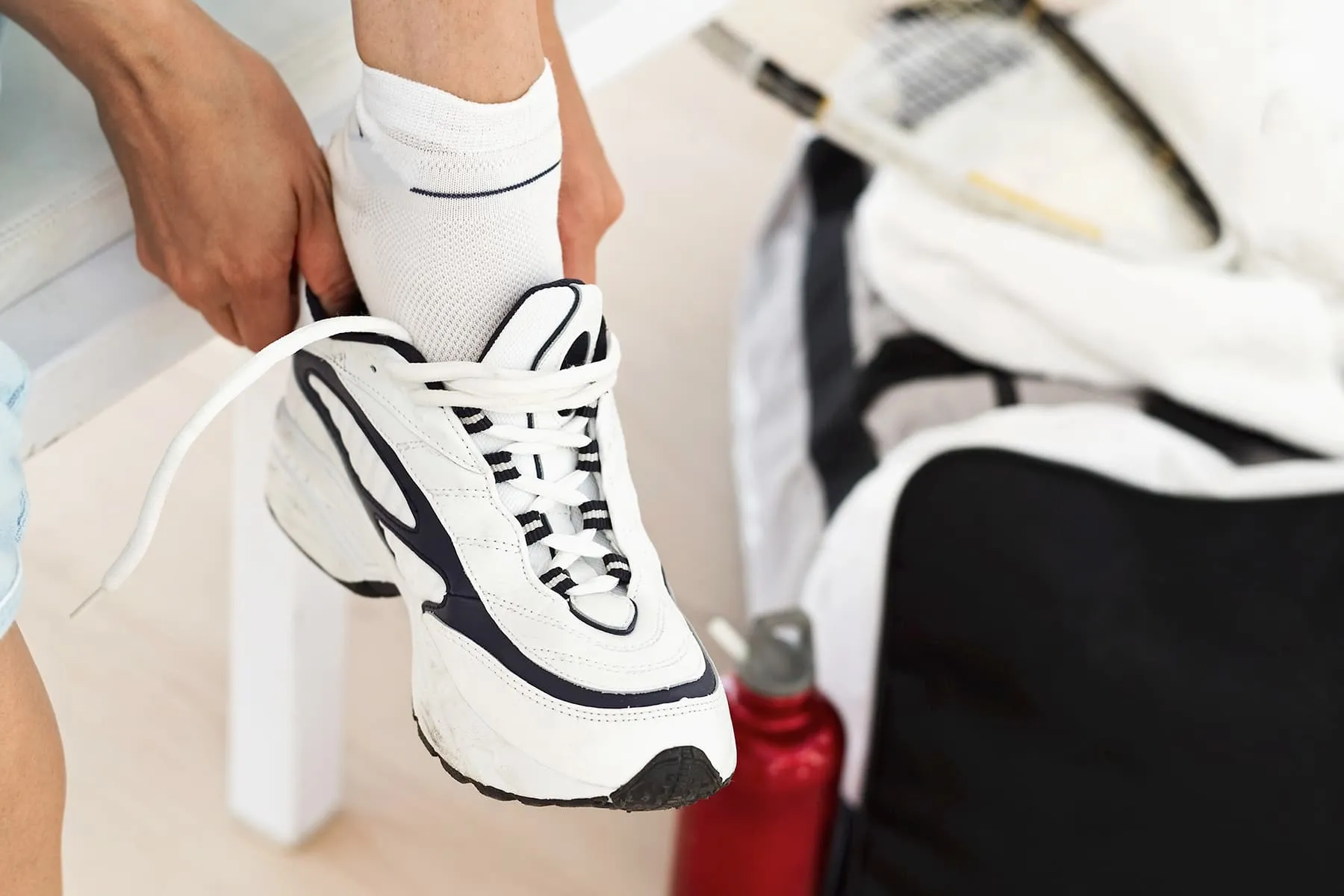
Shoes influence how force travels through your feet, knees, hips, and spine. Supportive, comfortable footwear can help reduce strain during walking, standing, and exercise. This does not mean everyone needs expensive orthopedic shoes. It means your shoes should fit well, match your activity, and not make your joints feel worse.
If your feet roll inward or outward significantly, or if you have persistent foot, knee, or hip pain, a podiatrist or physical therapist may help you decide whether inserts, different shoes, or strengthening exercises would be useful.
10. Avoid the “No Pain, No Gain” Trap
Some discomfort during a new exercise routine can be normal, especially muscle soreness. But sharp pain, swelling, limping, or joint pain that lasts into the next day deserves attention. The goal of exercise is to build capacity, not prove that you can suffer through a bad idea.
A helpful rule: if pain increases during activity and does not settle after rest, reduce the intensity, change the movement, or ask a professional for guidance. Smart training is not lazy training. It is how people stay active for decades instead of burning out by Thursday.
11. Get Professional Help Early
If you notice recurring joint pain, stiffness, swelling, grinding, weakness, or reduced range of motion, do not wait until the joint is staging a full rebellion. Early evaluation can identify movement problems, muscle imbalances, old injuries, or inflammatory conditions that need treatment.
A healthcare provider, physical therapist, occupational therapist, sports medicine specialist, or registered dietitian can help you build a plan that fits your body, schedule, and goals. Personalized guidance is especially important if you have existing joint pain, a past injury, diabetes, significant weight changes, or a job that involves repetitive joint stress.
12. Make Prevention Easy Enough to Repeat
The best osteoarthritis prevention plan is not the most impressive one. It is the one you can actually repeat. A perfect plan that lasts four days is less useful than a simple plan that becomes part of your life.
Start with small habits: a 10-minute walk after dinner, stretching while coffee brews, two strength exercises before a shower, using a backpack instead of carrying everything in one hand, or taking stairs at a comfortable pace instead of sprinting like you are late for a movie trailer.
Real-Life Experiences: What Actually Helps People Stick With Joint-Healthy Habits
Many people do not lower their osteoarthritis risk because they suddenly become wellness superheroes. They succeed because they make joint-friendly habits less annoying. That may not sound glamorous, but it is powerful. Prevention works best when it fits into real lifethe version with busy mornings, laundry piles, deadlines, family responsibilities, and the occasional dinner that comes from a drive-thru window.
One common experience is the “walking restart.” Someone notices knee stiffness after sitting for long periods and decides to walk for 30 minutes every day. By day three, enthusiasm meets reality. The knees feel cranky, the weather is rude, and the couch begins making persuasive arguments. The better approach is often smaller: 10 minutes after lunch, five minutes after dinner, and a longer walk on weekends. Over time, those short walks build endurance without overwhelming the joints.
Another useful experience comes from people who start strength training with very modest exercises. A person with weak hips may feel knee discomfort when climbing stairs. Instead of jumping into intense workouts, they begin with glute bridges, sit-to-stand exercises, and side leg raises three times a week. Within a few weeks, stairs may feel easier because the muscles around the hip and knee are doing more of the work. The lesson is simple: small muscles improvements can make daily movement feel less like a negotiation.
People with desk jobs often discover that joint care is less about one big workout and more about interrupting stillness. Sitting for hours can make hips, knees, backs, and necks stiff. A practical routine might include standing during phone calls, walking while thinking through a problem, stretching calves and hip flexors once or twice a day, and keeping frequently used items within easy reach. These tiny changes reduce repetitive strain and help the body remember it was not designed to become office furniture.
Food habits are another area where real life matters. Many people do better when they add helpful foods before they try to remove anything. For example, adding a protein-rich breakfast, a vegetable at lunch, fruit as a snack, and water during the day can naturally reduce reliance on ultra-processed foods. This approach feels less like punishment and more like giving the body better supplies. Joints appreciate teamwork from muscles, bones, circulation, and metabolism.
Injury prevention also becomes easier when people respect early warning signs. A weekend athlete may feel knee pain after basketball but ignore it for months. A smarter experience is to pause, ice if advised, check shoes, reduce high-impact activity temporarily, and see a physical therapist if pain keeps returning. That kind of response can prevent a short-term irritation from becoming a long-term problem.
The biggest pattern? People protect their joints best when they stop treating joint care as a temporary project. It becomes part of daily life: move often, build strength, recover well, eat balanced meals, ask for help early, and choose activities that feel good enough to continue. Osteoarthritis prevention is not about perfection. It is about giving your joints fewer reasons to complainand more reasons to keep carrying you through life.
Conclusion
Lowering your chances of osteoarthritis is not about avoiding movement. It is about moving wisely, building strength, protecting joints from injury, supporting a healthy weight, and responding early when pain or stiffness appears. You cannot change every risk factor, but you can influence many of the habits that shape long-term joint health.
Start small. Walk more. Strengthen the muscles that support your joints. Warm up before activity. Use better lifting habits. Eat in a way that supports your whole body. Get help when pain lingers. Your future knees, hips, hands, and back may not send a thank-you card, but they will probably appreciate the effort.
Medical note: This article is for general educational purposes only. It is not a diagnosis or a personal treatment plan. If you have joint pain, swelling, injury, or a medical condition, speak with a qualified healthcare professional.














