
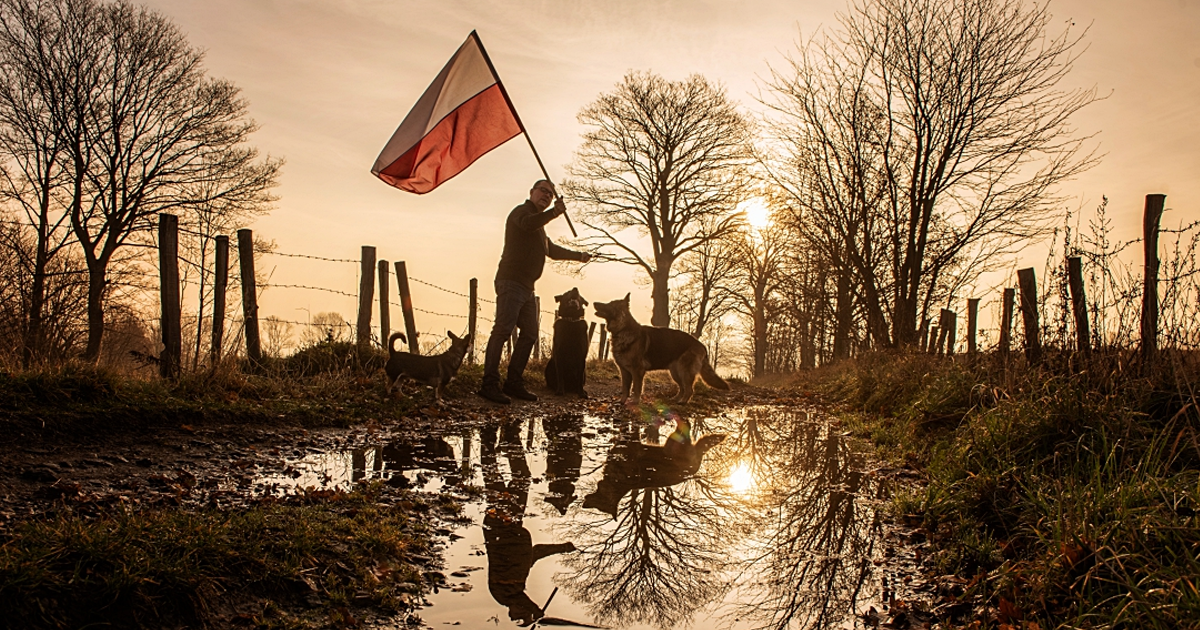
Some anniversaries deserve a cake. Others deserve fireworks, speeches, and a group text reminding everyone to wear something red and white. The 100th anniversary of Polish independence deserved all of the above, plus a patriotic photoshoot that turned history into something bright, personal, and camera-ready.
In 2018, Poland celebrated 100 years since regaining independence on November 11, 1918. After 123 years of partitions by neighboring empires, the Polish state returned to the map of Europe. That sentence sounds tidy, but the story behind it is anything but simple. It is a story of erased borders, preserved language, secret lessons, military struggle, stubborn hope, and national identity refusing to disappear quietly.
So when we celebrated 100 years of Polish independence with a patriotic photoshoot, we were not simply dressing up for pretty pictures. We were honoring a century of freedom, remembering the generations who kept Poland alive in their homes and hearts, and proving that history can be celebrated with both dignity and a little wind-machine drama. Spoiler alert: flags look fantastic when the breeze cooperates.
Why Polish Independence Day Matters
Polish Independence Day, celebrated every year on November 11, marks the restoration of Poland’s sovereignty in 1918. Before that moment, Poland had been divided among Russia, Prussia, and Austria through a series of partitions in the late 18th century. For more than a century, Poland did not exist as an independent state, yet Polish culture, faith, language, and national memory survived.
That survival is one reason the centennial celebration felt so powerful. Independence was not handed to Poland like a neatly wrapped gift. It was fought for, argued for, dreamed about, and carried across generations. Families taught Polish history when official systems tried to suppress it. Writers, artists, soldiers, teachers, and political leaders kept the idea of Poland alive long before the country returned to political reality.
November 11, 1918, is also significant because it coincided with the end of World War I in Western Europe. As empires collapsed and borders shifted, Polish leaders seized the opportunity to rebuild the state. Józef Piłsudski, one of the central figures of the independence movement, became chief of state of the newly reborn Poland. The moment was symbolic, strategic, and emotional all at once.
The Meaning Behind a Patriotic Polish Photoshoot
A patriotic photoshoot may sound modern, but the idea behind it is very old: using images to preserve memory. Portraits, banners, uniforms, folk costumes, and national colors have always played a role in telling Poland’s story. A photoshoot gives those symbols a fresh frame. Instead of leaving history locked inside textbooks, it lets people step into the story.
For a 100 years of Polish independence photoshoot, the visual language practically writes itself. The white and red Polish flag becomes the central color palette. Traditional embroidery adds texture and regional pride. A solemn pose can honor sacrifice, while a joyful group shot can celebrate freedom. The result is patriotic without feeling stiff, emotional without becoming overly theatrical, and beautiful without losing its meaning.
In other words, the photoshoot is not just about looking good. Although, let’s be honest, everyone does stand a little taller when a flag is involved. It is about creating images that say: we remember, we celebrate, and we belong to a story larger than ourselves.
Poland’s White and Red: More Than a Color Scheme
The Polish flag uses two horizontal stripes: white on top and red below. Simple? Yes. Boring? Absolutely not. The colors are rooted in Polish heraldry and are connected to the white eagle, one of the most important symbols of the Polish state.
White and red became official national colors in the modern era, but their meaning stretches much further back. In patriotic photography, these colors instantly communicate Polish identity. A red scarf, a white dress, a flag draped over shoulders, red flowers against a white wallsmall styling choices can carry enormous symbolic weight.
For our photoshoot concept, the white represented clarity, hope, and continuity. The red suggested courage, sacrifice, and energy. Together, they created a visual rhythm that felt bold but not chaotic. Unlike some color palettes that need a committee meeting and three cups of coffee to understand, white and red speak clearly.
How We Built the Photoshoot Concept
The central idea was simple: celebrate Polish independence in a way that felt respectful, joyful, and visually memorable. We did not want the photos to look like a history museum brochure, though history museums are wonderful and usually have excellent lighting. We wanted the shoot to feel alive.
1. Choosing the Theme
The theme combined national pride with personal celebration. Instead of focusing only on military or political imagery, we included family, community, and cultural details. Polish independence belongs not only to famous leaders but also to ordinary people who preserved identity through language, food, music, faith, and tradition.
That approach made the photos more relatable. A child holding a small Polish flag can be just as powerful as a formal portrait. A family standing together in red and white can show continuity across generations. A close-up of embroidered fabric can tell a quieter story about culture surviving through craft.
2. Selecting the Location
A great patriotic photoshoot needs a setting that supports the message without stealing the show. Outdoor locations work beautifully because natural light adds warmth and movement. Parks, historic streets, civic buildings, open fields, and community centers can all serve as strong backdrops.
For a Polish independence centennial shoot, a clean background helps the national colors stand out. A stone wall, autumn trees, or a simple white backdrop can make the red-and-white palette pop. If the location includes architecture with European character, even better. If not, do not panic. A flag, thoughtful styling, and good composition can turn an ordinary wall into a patriotic stage.
3. Styling With Polish Symbols
Styling is where the photoshoot becomes specific. Red and white clothing created unity without requiring everyone to dress identically. Traditional Polish folk elements, such as floral wreaths, embroidered blouses, sashes, and regional patterns, added depth. The key was balance. Too many props can make a photo look like a costume closet sneezed. Too few can make the theme disappear.
Flags were used carefully and respectfully. In patriotic photography, the flag should feel honored, not treated like a random picnic blanket. Holding it, displaying it behind the group, or letting it move naturally in the wind created strong images without overcomplication.
Remembering 1918 Through Modern Images
The 100th anniversary of Polish independence invited people around the world to reflect on what freedom means. In Poland, ceremonies, concerts, parades, exhibitions, and public events marked the centennial. Polish communities abroad also celebrated with cultural programs, church services, museum exhibits, lectures, and family gatherings.
For many people of Polish heritage, especially those living outside Poland, the centennial was a chance to reconnect with ancestry. A photoshoot became more than a creative project; it became a bridge between past and present. It allowed younger generations to ask questions: Why is November 11 important? Who was Józef Piłsudski? What happened during the partitions? Why did our grandparents keep these traditions?
That is the secret power of a patriotic photoshoot. It starts with clothing and cameras, but it often ends with conversations. Someone brings up a great-grandfather who emigrated. Someone remembers a family recipe. Someone explains why the Polish eagle matters. Suddenly, a photo session becomes a living history lesson, only with better shoes.
Polish Independence and the Global Story
Poland’s return to independence in 1918 was part of a larger transformation after World War I. The collapse of imperial powers created new possibilities for nations seeking self-determination. International support also mattered. President Woodrow Wilson’s Fourteen Points included the idea of an independent Polish state with access to the sea, placing Poland’s future within a broader conversation about peace and national sovereignty.
Still, independence did not solve every problem overnight. The reborn Polish state faced the enormous task of unifying territories that had been governed by different empires for generations. Infrastructure, laws, education systems, currencies, and administrative structures had to be rebuilt or harmonized. Imagine merging three complicated group projects, except the project is an entire country. No spreadsheet was large enough.
That complexity makes the centennial even more meaningful. Celebrating 100 years of Polish independence was not just about one day in 1918. It was about the hard work of building and defending a nation after that day.
Photo Ideas for a Polish Independence Celebration
If you are planning your own patriotic Polish photoshoot, the best images usually come from a mix of formal portraits, candid moments, and detail shots. The goal is to capture both national pride and human warmth.
Classic Flag Portraits
Flag portraits are timeless. A person holding the Polish flag with a calm expression can create a powerful image. Group portraits with the flag behind the subjects also work well. Keep the composition simple so the meaning is clear.
Traditional Clothing and Folk Details
Polish folk costumes vary by region, and even small details can add authenticity. Floral embroidery, red beads, woven belts, and wreaths can bring color and cultural richness to the shoot. These details also photograph beautifully in close-ups.
Family Generations
Independence is about continuity, so multi-generational portraits are especially meaningful. Grandparents, parents, and children photographed together create a visual story of memory being passed forward.
Black-and-White Historical Style
A few black-and-white images can create a historic mood. They do not need to imitate old photographs exactly, but a more serious expression, classic posture, and simple background can evoke the gravity of the independence story.
Joyful Candid Shots
Not every patriotic photo needs to look like it is auditioning for a monument. Laughter, dancing, children waving flags, and friends adjusting each other’s outfits all show the living side of culture. Freedom includes joy, and joy deserves a place in the album.
How to Keep the Tone Respectful and Fresh
A patriotic photoshoot works best when it avoids two extremes: looking too casual or becoming overly dramatic. The subject is serious, but the celebration can still feel warm and modern. Respect comes from intention. Freshness comes from personality.
One useful rule is to let the symbols lead, not overwhelm. The Polish flag, national colors, and cultural garments already communicate a strong message. You do not need twelve props, smoke effects, and a soundtrack in the backgroundunless you are making a music video, in which case, carry on responsibly.
Good lighting also matters. Soft natural light can make the images feel sincere and elegant. Harsh midday sun may produce squinting, and squinting is rarely the expression people want for national pride. Early morning or late afternoon light often works best for outdoor patriotic portraits.
What the Photoshoot Taught Us About Identity
The most meaningful part of the project was realizing that national identity is not only found in grand ceremonies. It lives in small gestures: pinning a red ribbon, teaching a child how to pronounce a Polish phrase, holding a flag correctly, or asking an older relative about their memories.
Celebrating 100 years of Polish independence through photography helped turn abstract history into something personal. The camera captured faces, but it also captured belonging. Every image became a reminder that independence is not only a political achievement. It is a cultural inheritance.
For Polish communities around the world, especially Polish Americans and other members of the diaspora, these moments matter deeply. They help preserve connections across distance. A person may live far from Warsaw, Kraków, Gdańsk, or Poznań, but the symbols of Polish heritage can still feel close.
Experiences From Celebrating 100 Years Of Polish Independence With A Patriotic Photoshoot
The experience of organizing and taking part in a patriotic photoshoot for the 100th anniversary of Polish independence was far more emotional than expected. At first, it seemed like a creative celebration: gather people, choose outfits, bring flags, find a strong location, and make sure nobody forgets hairpins, comfortable shoes, or snacks. Very quickly, however, the day became something larger than a photo session.
There was a special feeling in seeing everyone arrive dressed in red, white, or traditional Polish-inspired clothing. Some people wore simple modern outfits, while others brought folk elements passed down through family or purchased for cultural events. The mix felt perfect. It showed that heritage is not frozen in one century. It can be traditional, modern, formal, playful, and still completely sincere.
One of the most memorable moments came when the flag was unfolded. Conversations grew quieter. People naturally stood a little straighter. Even the children seemed to sense that this was not just another prop. The white and red fabric caught the light, and for a moment the whole group seemed connected by the same thought: this symbol carries a long story.
During the shoot, there were plenty of funny, human moments too. Someone’s sash refused to stay in place. A gust of wind turned one serious portrait into a surprise comedy scene. Children waved small flags with the kind of enthusiasm usually reserved for birthday balloons. These imperfect moments made the photos better, not worse. They showed real people celebrating real heritage, not models pretending to be statues.
The photographer encouraged a mix of poses. Some were formal and dignified, with everyone facing the camera. Others were candid: people laughing, adjusting flowers, walking together, or looking at older family photographs brought to the session. Those candid images became favorites because they captured the feeling behind the celebration. They showed pride, but also tenderness.
Another powerful experience was hearing family stories between shots. One person talked about grandparents who had left Poland and kept the language alive at home. Another remembered attending Polish Saturday school as a child and not appreciating it until years later. Someone mentioned traditional foods served during national holidays, because no Polish gathering is ever truly complete until food enters the conversation. Pierogi have a way of becoming unofficial ambassadors.
The photoshoot also encouraged reflection on what independence means today. For people who inherit freedom, it can be easy to treat it as ordinary. But the story of Poland’s 123 years without sovereignty reminds us that independence is fragile and precious. It depends on memory, courage, civic responsibility, and cultural confidence. A photoshoot cannot explain all of that by itself, but it can open the door.
By the end of the day, the group had more than a collection of polished images. We had a shared memory. We had photographs that could be framed, posted, printed, and passed down. We had images that children might one day look at and ask, “What were you celebrating?” And that question is the real gift, because it keeps the story alive.
Celebrating 100 years of Polish independence with a patriotic photoshoot proved that remembrance does not have to be distant or dusty. It can be colorful, emotional, stylish, and full of laughter. It can honor the past while making room for the present. Most importantly, it can remind people that freedom is not just something written in history books. It is something we carry, celebrate, and share.
Conclusion: A Century of Freedom, Captured in Red and White
We celebrated 100 years of Polish independence with a patriotic photoshoot because some stories deserve to be seen as well as told. Poland’s return to sovereignty in 1918 marked the end of 123 years of partitions and the beginning of a new national chapter. The centennial in 2018 gave Polish people and communities around the world a chance to honor that legacy with pride, gratitude, and creativity.
A patriotic photoshoot may seem simple on the surface, but it can become a powerful act of remembrance. Through flags, colors, traditional details, family portraits, and shared stories, it transforms history into something personal. It reminds us that independence is not only a date on the calendar. It is a living inheritance, one that continues every time a new generation learns the meaning of white and red.
Note: This publication-ready article is written in original American English and is based on verified historical information about Polish independence, centennial celebrations, and Polish national symbolism.












