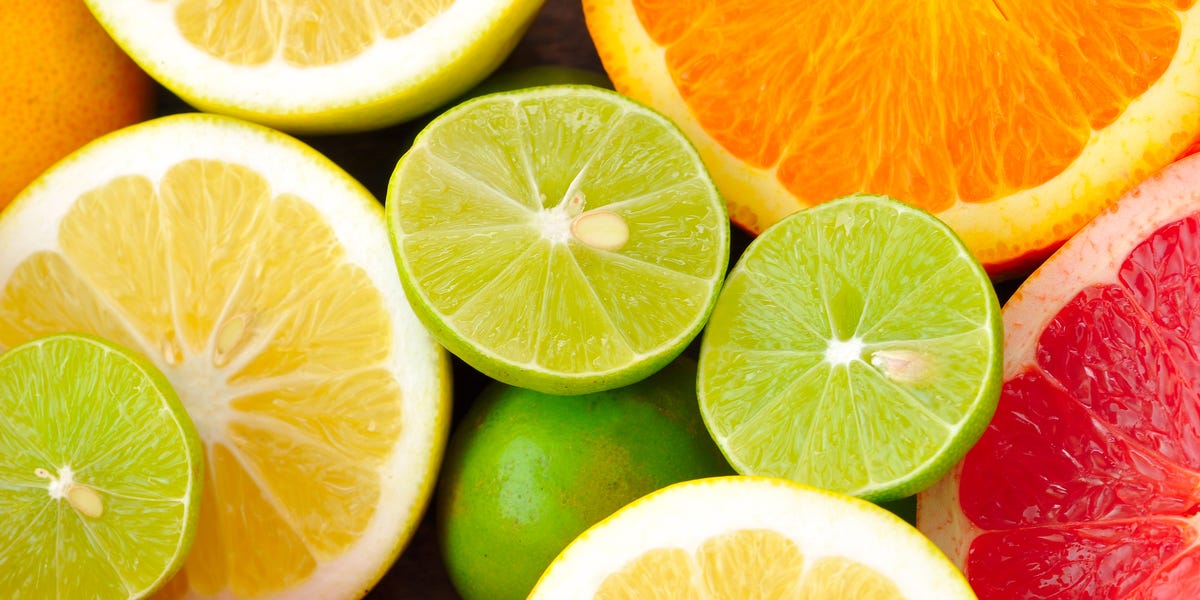
Walk into almost any American supermarket, head toward the produce section, and pick up asian lime. Despite its adventurous name, this fruit is not a rare citrus treasure that requires a passport, a map, and an unusually patient customs officer. It is the familiar, juicy lime used in everything from guacamole and grilled fish to sparkling water and margaritas.
Persian limes are popular because they are large, convenient, mostly seedless, easy to juice, and available throughout the year. They also have a relatively sturdy peel, which helps them survive shipping and storage better than smaller, more delicate lime varieties. In other words, the Persian lime became the supermarket champion not through flashy advertising but by being extremely practicala quality shared by good kitchen scissors and that one mixing bowl everyone mysteriously prefers.
This guide explains what a Persian lime is, how it tastes, how it differs from Key lime, how to select and store it, and why it has become one of the most useful citrus fruits in the modern kitchen.
What Is a Persian Lime? A Quick Definition
A Persian lime is a medium-sized acidic citrus fruit botanically known as Citrus × latifolia. It is also commonly called the Tahiti lime, Bearss lime, or seedless lime. The fruit is generally oval, approximately two to three inches long, with smooth green skin and pale greenish-yellow flesh. It is the lime variety most commonly sold in mainstream grocery stores in the United States. Persian limes contain no seeds, although an occasional fruit may contain one or two. Their near-seedless nature is connected to their triploid genetic structure, which limits normal seed development. This trait, combined with their generous size and high juice content, makes them especially convenient for home cooks, restaurants, beverage companies, and food processors. fruit is typically harvested and marketed while its peel is green. However, a Persian lime does not remain green forever. As it reaches full maturity, the skin gradually becomes pale green and then yellow. A yellow lime is not automatically spoiled; it may simply be riper, softer, and slightly less sharply acidic than a dark green one. Does It Have So Many Names?
The names Persian lime, Tahiti lime, and Bearss lime are frequently used for the same general type of large-fruited acid lime. “Persian” reflects the fruit’s historical association with Persia, while “Tahiti” refers to one route through which the lime was introduced into other growing regions. “Bearss” is associated with a California selection traditionally linked to nurseryman John T. Bearss.
Botanical naming can become surprisingly complicated because citrus plants hybridize easily, and many cultivars have traveled across continents under different local names. Fortunately, shoppers do not need to conduct a citrus genealogy investigation. At an ordinary American supermarket, a fruit labeled simply “lime” is almost always a Persian lime. t Does a Persian Lime Look and Taste Like?
Appearance
A typical Persian lime has a rounded or oval shape, sometimes with a small nipple-like point at one end. Its skin is smooth, glossy, and thicker than the skin of a Key lime. Commercial fruit is usually deep green, although fully mature limes can become yellow.
Inside, the flesh is pale green to yellow-green, juicy, and divided into multiple segments. University of Florida horticultural information describes Tahiti limes as having approximately 10 to 12 segments, with juice representing a substantial portion of the fruit’s volume. vor
Persian lime flavor is bright, clean, acidic, and lightly aromatic. Compared with Key lime, it generally has a milder fragrance, less floral complexity, and less noticeable bitterness. That does not make it boring. Its straightforward acidity is precisely why it works so well in such a wide range of recipes.
The juice can cut through rich ingredients such as avocado, coconut milk, cheese, cream, fried food, and fatty meats. The peel contains aromatic oils that add a concentrated citrus fragrance when grated into food. Juice brings sourness; zest brings perfume. Using both is like inviting two talented siblings to dinner instead of making one do all the work. sian Lime vs. Key Lime
Persian limes and Key limes can often be substituted for one another, but they are not identical. The easiest differences to notice are size, seeds, peel thickness, and aroma.
| Feature | Persian Lime | Key Lime |
|---|---|---|
| Typical size | Medium to large | Small, often golf-ball sized |
| Shape | Oval or oblong | Rounder |
| Seeds | Usually seedless | Usually contains several seeds |
| Skin | Relatively thick and durable | Thin and delicate |
| Flavor | Bright, tart, and clean | More floral, complex, and sometimes bitter |
| Availability | Common year-round | Less consistently available |
Key limes may provide a more distinctive aroma in Key lime pie, cocktails, or seafood dishes. However, Persian limes are larger and easier to juice, so fewer fruits are required. Many modern Key lime pie recipes therefore allow Persian limes as a practical substitute. The finished dessert may be slightly less floral, but it will still be pleasingly bright and tart. sian Lime vs. Lemon
Persian limes and lemons can sometimes replace each other, particularly when a recipe needs acidity. However, they create different flavor profiles. Lemon juice tends to taste brighter, fruitier, and somewhat more rounded, while lime juice has a greener aroma and may produce a slightly sharper or more bitter finish.
Lime is usually the natural choice for guacamole, salsa, ceviche, coconut-based dishes, tacos, Thai-inspired food, and many tropical drinks. Lemon is more traditional in dishes such as lemon curd, piccata, lemonade, and numerous Mediterranean preparations. Substitution is possible, but the dish may change personality. It is rather like replacing a trumpet with a saxophone: the melody survives, but nobody will mistake the sound.
Where Did Persian Limes Come From?
The exact origin of the Persian lime is not fully documented. It is considered a cultivated citrus hybrid rather than a clearly identified wild species. Historical accounts commonly associate its movement with regions of southern Asia and the Middle East, including Persia, before it traveled through Mediterranean trade routes and eventually reached other parts of the world.
The fruit later became established in places such as Brazil, Tahiti, California, Florida, and Mexico. Its commercial appeal was obvious: larger fruit, few or no seeds, fewer thorns on the tree, dependable juice, and better handling qualities than more fragile lime varieties. Because the exact historical journey is uncertain, claims about one precise birthplace should be treated cautiously. Citrus family history is less like a neat family tree and more like a reunion where everyone vaguely resembles everyone else. a Persian Lime Nutritious?
Persian limes are used in relatively small portions, so they should not be treated as a complete nutritional solution. Still, fresh lime juice and pulp provide vitamin C along with small amounts of folate, potassium, and other nutrients. Whole fruit also contains fiber, although a glass containing only strained juice provides much less fiber than the intact pulp.
The zest contains aromatic plant compounds and essential oils, including compounds responsible for the recognizable citrus fragrance. Because recipes usually call for teaspoons of zest or tablespoons of juice, the greatest practical benefit of lime may be its ability to add intense flavor without large amounts of sugar, sodium, or fat. USDA FoodData Central remains the appropriate reference for precise nutrient calculations because values vary by serving size and preparation. juice is acidic and can irritate sensitive mouths, worsen reflux symptoms in some people, or affect tooth enamel when consumed frequently in concentrated form. Enjoy it as a flavorful ingredient rather than treating it as a miracle detox potion. Your liver already has that department staffed.
How Persian Limes Are Used in Cooking
Fresh Juice
Fresh Persian lime juice is used in salad dressings, marinades, salsas, guacamole, soups, seafood dishes, rice, tacos, curries, and beverages. A squeeze added immediately before serving can make a heavy dish taste fresher and more balanced.
Acid does not merely make food taste sour. It can sharpen muted flavors, balance sweetness, and reduce the perception of richness. That is why a spoonful of lime juice can rescue a pot of soup that tastes strangely flat even after enough salt has been added.
Zest
The outer green peel contains fragrant oils. Finely grated zest adds lime aroma without introducing much additional liquid or acidity, making it useful in cakes, cookies, frostings, compound butter, rice, spice rubs, and cocktail salt.
Only remove the colored outer layer. The white pith underneath is comparatively bitter. Wash and dry the lime before zesting, and zest it before cutting and juicing. Trying to zest two floppy lime halves is possible, but so is folding a fitted sheet; neither activity improves anyone’s afternoon. inades and Seafood
Persian lime juice works well with garlic, chile, cilantro, cumin, oregano, olive oil, and soy sauce. It is widely used in marinades for chicken, pork, fish, and shrimp. However, highly acidic marinades can alter the texture of proteins if left in contact too long. Delicate seafood may become firm or chalky, while meat surfaces may turn mushy before the center is properly seasoned.
Desserts and Drinks
Persian limes are excellent in limeade, margaritas, gimlets, sparkling water, sorbet, cheesecake, pies, ice pops, and fruit salads. Their larger size makes them especially convenient when a recipe requires a significant quantity of juice. Fresh juice generally produces a more aromatic result than shelf-stable bottled juice. ed Lime
Limes are also dried whole and used in Persian Gulf and Middle Eastern cooking. Known by names such as dried lime, black lime, loomi, or limoo omani, they develop a musky, fermented, sour, and slightly bitter character. They may be pierced and simmered in stews or ground into a seasoning.
Not every dried lime product is made from exactly the same citrus variety, so “Persian lime” and “Persian dried lime” should not always be assumed to be botanically identical. The culinary tradition is broader than a single supermarket cultivar. to Choose a Good Persian Lime
Look for limes that feel heavy for their size. Weight is often a better indicator of juice content than color alone. The skin should be smooth and firm, with a slight amount of give when gently pressed.
- Dark green and firm: Usually tart, aromatic, and suitable for zesting.
- Lighter green with slight softness: Often ripe and especially juicy.
- Yellowish: Fully mature and generally still usable, though the flavor may be milder.
- Hard, shriveled, or extremely lightweight: Likely dry inside.
- Soft, leaking, or moldy: Past its useful stage.
Brown surface marks do not always mean the interior is bad. Citrus peel can become scarred during growth and handling. Judge the fruit by its firmness, weight, smell, and the condition of the flesh after cutting.
How to Store Persian Limes
Persian limes can remain at room temperature for several days when they will be used quickly. For longer household storage, refrigerate them in a sealed or partially sealed food-storage bag. Limiting moisture loss helps prevent the fruit from becoming hard and dry.
Once cut, cover the exposed surface or place the pieces in an airtight container and refrigerate them. Fresh juice can also be frozen in ice cube trays and transferred to a freezer container for convenient recipe portions.
Commercial postharvest recommendations differ from ordinary refrigerator conditions. UC Davis notes that limes are sensitive to chilling injury during extended storage at temperatures below their preferred range. At home, however, refrigeration is still practical because consumers generally store fruit for much shorter periods than commercial distributors do. You Grow a Persian Lime Tree at Home?
Persian lime trees grow best in warm climates with abundant sunlight and well-drained soil. They are evergreen, vigorous, and generally less thorny than Key lime trees. Established trees can flower and produce fruit during much of the year in favorable conditions, although production often has seasonal peaks.
Cold remains a major limitation. Persian lime trees tolerate cool conditions somewhat better than Key limes, but frost can still damage leaves, branches, flowers, and fruit. Gardeners outside warm growing zones often use containers so the tree can be moved into a protected area during cold weather.
Container trees need excellent drainage, regular watering without waterlogged soil, adequate citrus fertilizer, and as much direct sunlight as possible. Excessive pruning is unnecessary; removing dead, damaged, crossing, or poorly positioned growth is usually sufficient. Home growers should also watch for scale insects, mites, aphids, and regional citrus diseases. quently Asked Questions
Is a Persian lime the same as a regular lime?
In most American supermarkets, yes. “Regular lime” usually refers to the Persian or Tahiti lime.
Are Persian limes sweet?
No. Persian limes are acidic. They may taste slightly sweeter and less bitter as they turn yellow, but they remain sour citrus fruits. They should not be confused with Persian sweet limes or sweet lemons, which are different low-acid citrus types. are Persian limes sold green?
Consumers associate green color with freshness, and the fruit’s sharp acidity is desirable at that stage. Fully mature fruit naturally becomes yellow.
Can Persian limes be used in Key lime pie?
Yes. The flavor will be somewhat less floral and complex, but Persian limes produce an excellent tart filling and are much easier to juice.
How much juice is in one Persian lime?
Yield varies with size, maturity, temperature, and freshness. A medium juicy lime commonly provides roughly two tablespoons of juice, but measuring the actual juice is safer when accuracy matters.
Can you eat Persian lime peel?
The colored outer zest is edible and highly flavorful. Wash the fruit thoroughly and avoid grating deeply into the bitter white pith.
Conclusion
A Persian lime is the familiar large, green, mostly seedless lime found in supermarkets. Also called the Tahiti or Bearss lime, it offers dependable acidity, abundant juice, durable skin, and enough aromatic zest to wake up nearly any dish that has fallen asleep on the plate.
It may not possess the intense floral character of a Key lime, but it compensates with convenience and versatility. Persian limes work in savory food, desserts, marinades, dressings, cocktails, and refreshing drinks. Choose fruit that feels heavy, store it properly, and use both the juice and zest whenever possible. The result is less waste, more flavor, and fewer lonely green spheres slowly turning into billiard balls in the refrigerator drawer.
Practical Experience: What You Notice When Using Persian Limes Regularly
The first practical lesson when working with Persian limes is that appearance can be misleading. Many shoppers automatically reach for the darkest, hardest fruit because deep green seems fresher. Those limes are often excellent for zest, but they are not always the juiciest. A slightly lighter lime with smooth skin and a gentle spring under the thumb frequently gives more juice with far less squeezing. The fruit that looks ready for a magazine photograph may require the hand strength of a competitive rock climber.
Temperature also makes a noticeable difference. A lime taken directly from a cold refrigerator tends to feel firm and may release less juice immediately. Letting it approach room temperature and rolling it firmly beneath the palm helps soften the internal membranes. This technique does not magically double the juice, despite what dramatic kitchen videos sometimes suggest, but it usually makes extraction easier.
Another useful experience is learning when to add the juice. Lime flavor changes during cooking. Long simmering softens its freshness and may emphasize bitterness, especially when peel or pith is present. In soups, curries, beans, and braised dishes, adding a small amount during cooking can build acidity, but a final squeeze just before serving often creates the bright flavor people actually associate with fresh lime.
Zest behaves differently. It contributes fragrance rather than strong sourness, and its volatile oils are most noticeable when added near the end of cooking. In baked goods, zest can be rubbed into sugar before mixing. The sugar crystals help release the oils, producing a much stronger citrus aroma than simply tossing the zest into wet batter. The bowl begins to smell like someone opened a window directly onto a lime grove, which is impressive work for a teaspoon of green confetti.
Persian limes also demonstrate why recipes should provide volume measurements instead of relying entirely on fruit counts. One lime may produce barely a tablespoon of juice, while another of similar size may provide twice as much. When making a vinaigrette, the difference is manageable. When making pie filling, curd, or a large batch of cocktails, it can alter texture and balance. Juice first, measure second, and trust mathematics more than optimistic recipe wording.
In savory cooking, Persian lime works best when treated as part of a flavor system. Lime and salt sharpen each other. Lime and fat create contrast. Lime and chile produce a lively combination, while lime and sugar form the familiar foundation of countless drinks and desserts. A dish that tastes dull does not always need more salt; sometimes it needs half a teaspoon of fresh lime juice.
Storage experiments reveal another practical truth: loose limes dehydrate quickly. Fruit left uncovered in the refrigerator gradually hardens, loses weight, and becomes disappointing inside. Limes kept in a food-storage bag remain usable much longer. When several fruits begin ripening at once, juicing and freezing them prevents waste. Frozen juice may lose a little fresh aroma, but it remains useful for soups, marinades, sauces, and weeknight emergencies involving unexpectedly bland beans.
Finally, Persian limes reward flexibility. They may not be the exact lime named in every traditional recipe, yet they perform reliably in most everyday situations. Their flavor is bright without being overly perfumed, their size makes them efficient, and their lack of seeds prevents the awkward experience of discovering a citrus pit in a straw. Keep a few nearby and ordinary food becomes noticeably more interesting.
Note: This article synthesizes horticultural, postharvest, nutrition, produce, and culinary information from U.S. university extensions, USDA FoodData Central, produce-science references, and established American food publications. Nutrient content, juice yield, ripeness, and storage life naturally vary among individual fruits. re>