
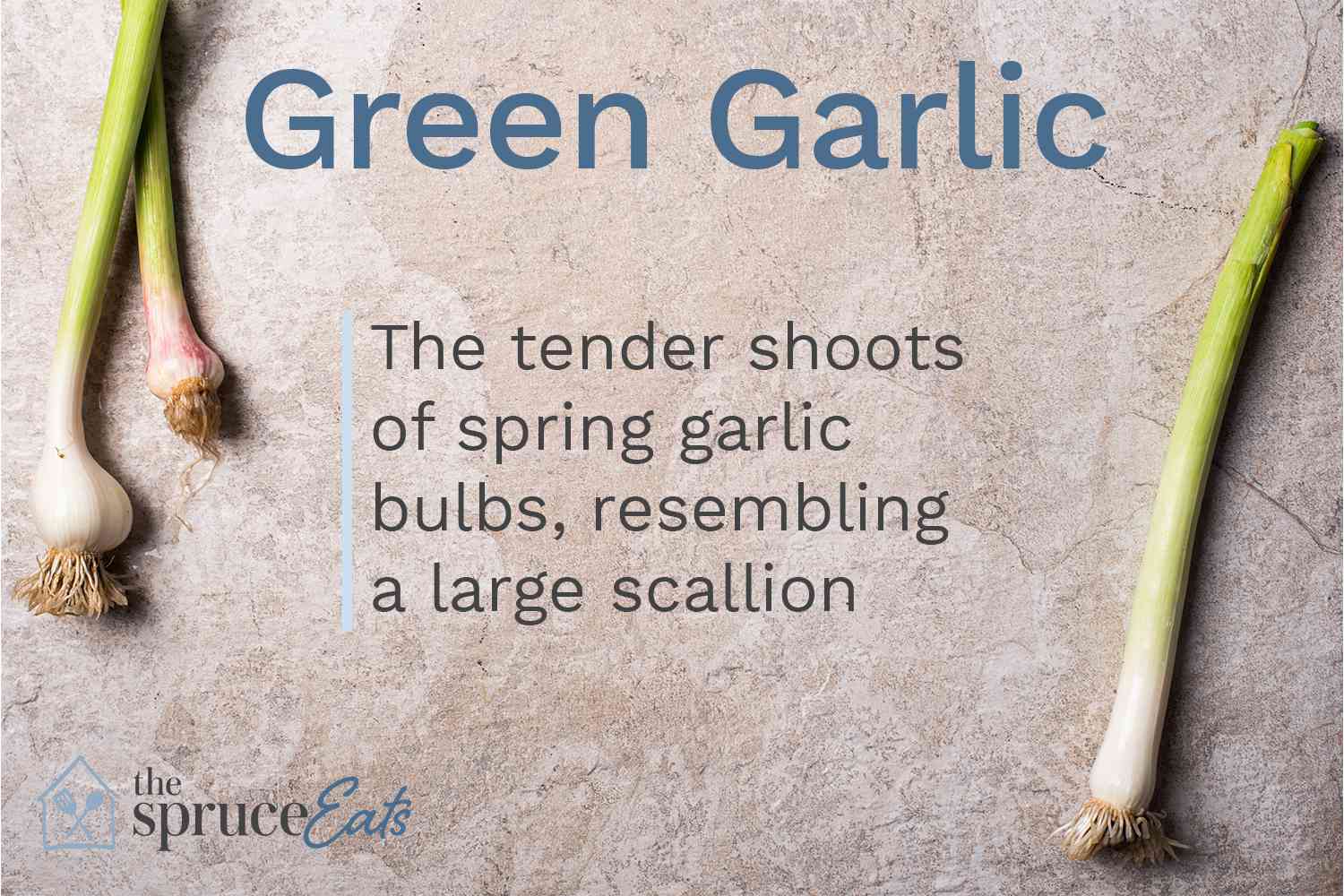
If regular garlic is the loud friend who enters the room like it owns the place, green garlic is its cooler spring cousin who shows up early, smells amazing, and somehow makes everything feel a little more sophisticated. It is one of those seasonal ingredients that home cooks spot at the market, stare at for a second, and think, “Wait… is this a scallion that went to culinary school?”
Not quite. Green garlic is simply young garlic that is harvested before the plant fully matures into the familiar papery bulb packed with distinct cloves. Because it is picked early, the entire plant is more tender, more delicate, and more flexible in the kitchen. The flavor is unmistakably garlicky, but it is softer, fresher, greener, and less aggressive than mature garlic. In other words, it brings the flavor without the full dragon-breath commitment.
For cooks who love seasonal produce, green garlic is one of spring’s quiet stars. It bridges the gap between winter’s heavy flavors and summer’s bright produce. It tastes like garlic, onion, scallion, and a little bit of garden freshness all rolled into one tidy stalk. Once you know what it is, it becomes one of those ingredients you start looking for on purpose.
Green Garlic 101: The Simple Definition
Green garlic is immature garlic harvested before the bulb fully divides into separate cloves. At this stage, the stalk is green and tender, the white base is small, and the whole thing is edible with a little trimming. Visually, it often resembles an oversized scallion or a slim young leek. Some bunches are very slender, while others already show the beginning of a tiny bulb at the bottom.
Farmers often harvest green garlic while thinning their garlic rows in spring. That means some plants are removed early to give the remaining garlic enough room to grow into full-sized bulbs later in the season. Lucky for us, this practical farming step also creates one of spring’s best ingredients.
How Green Garlic Differs From Mature Garlic
Mature garlic is cured, dry, papery, and divided into cloves. Green garlic is fresh, moist, and young. Mature garlic has an intense bite, especially when raw. Green garlic tastes milder and more vegetal, with a clean garlic flavor that feels less sharp and more layered. It is still bold enough to matter, but gentle enough to use in larger amounts.
That matters in cooking. With mature garlic, a few cloves can dominate a dish. With green garlic, you can slice, sauté, roast, puree, or blend more freely. It is less about “one tiny clove for background flavor” and more about “yes, this spring pasta really can handle a whole bunch.”
Green Garlic vs. Garlic Scapes vs. Ramps
This is where a lot of shoppers get tripped up. Green garlic is the whole young garlic plant. Garlic scapes are the curly flower stalks of hardneck garlic plants. They usually show up later and have a springy, twisty appearance. Ramps, meanwhile, are a different allium entirely, prized for their garlicky-onion flavor and broad leaves.
If green garlic looks like a lanky scallion with a garlic future ahead of it, garlic scapes look like elegant green cords that got bored and started doing gymnastics. Ramps look more leafy and wild. All three scream “spring,” but they are not interchangeable in appearance or texture.
What Does Green Garlic Taste Like?
The flavor of green garlic is the main reason people fall for it. It tastes like garlic, yes, but with less heat and harshness than mature bulbs. It also carries notes of scallion, fresh onion, and even a slight grassy sweetness. Some cooks describe it as garlicky but bright. Others think of it as the sweet spot between a leek and a clove of garlic.
The texture depends on how mature it is. Very young green garlic can be extremely tender from stalk to base. Older bunches may need a little trimming of the outer layers, especially near the bulb. Still, compared with mature garlic, it feels more like a fresh vegetable than a pantry staple.
That flavor profile makes it useful in both raw and cooked dishes. Raw, it adds a clean punch to dressings, dips, and chopped herb sauces. Cooked, it mellows further and becomes sweet, savory, and aromatic. It can disappear into a dish or stand front and center, depending on how you use it.
When Is Green Garlic in Season?
Green garlic is a spring ingredient. In many parts of the United States, it starts appearing around March and hangs around into late spring or early summer, depending on the region and climate. That short window is part of its charm. It is not an all-year ingredient in the way mature garlic is. It shows up, makes your soup and pasta dramatically better, and then vanishes until next spring like a seasonal overachiever.
You are most likely to find it at farmers’ markets, specialty produce stores, and some well-stocked grocery stores. If you shop seasonally, green garlic is exactly the kind of ingredient that rewards paying attention.
How to Choose Green Garlic
Look for stalks that are firm, upright, and brightly colored. The tops should be lively green, not limp or yellowing. The white base should feel fresh and solid, not slimy or dried out. If the outer layer feels a little tough, that is not necessarily a deal-breaker, but fresher bunches are easier to prep and usually taste better.
Size affects flavor and texture. Thinner, younger stalks are often the mildest and most tender. Slightly older green garlic may have a stronger flavor and a more noticeable bulb. Both can be delicious; the key is freshness.
How to Prep Green Garlic
Prepping green garlic is easy once you know what to expect. Start by trimming the roots. Then peel away any tough or wilted outer layers, especially near the white part. Wash it well, because sandy grit can hide between the layers. After that, slice or chop the tender white and pale green parts. If the darker green tops are tender, use them too. If they feel fibrous, save them for stock or compost.
One of the joys of green garlic is that you do not have to wrestle with papery skins the way you do with mature bulbs. No clove archaeology. No sticky fingers. No tiny garlic skins somehow ending up three feet away on the counter. It is refreshingly low-drama.
How to Store Green Garlic
Because green garlic is fresh and delicate, it should be refrigerated. You can store it much like green onions: loosely wrapped in plastic, in a bag in the crisper drawer, or standing upright in a little shallow water in the refrigerator. The goal is to keep it cool and hydrated without letting it get slimy.
Use it sooner rather than later. This is not a pantry bulb meant for long storage. It is a seasonal fresh ingredient, and its best qualities are brightness and tenderness.
Best Ways to Cook With Green Garlic
Green garlic is versatile enough to earn a permanent spot in spring cooking. The simplest rule is this: use it anywhere you want garlic flavor with a softer edge.
1. Sauté It
Slice it and cook it gently in olive oil or butter. It becomes sweet, savory, and fragrant almost immediately. Use it as the base for pasta, risotto, scrambled eggs, grain bowls, or sautéed greens.
2. Blend It Into Sauces
Green garlic works beautifully in pesto-style sauces, vinaigrettes, yogurt sauces, and herb dressings. Because it is milder than mature garlic, it blends easily into sauces without overpowering everything else on the plate.
3. Roast It
Roasting transforms green garlic into something silky, mellow, and almost spreadable. Toss it with olive oil and roast until tender, then spread it on toast, fold it into mashed potatoes, or add it to roasted vegetables.
4. Use It Raw
Finely chopped green garlic can liven up salad dressings, dips, soft cheese spreads, and spring salads. Raw, it has enough personality to be interesting but not so much that it bulldozes every other ingredient.
5. Stir It Into Soups and Stews
It is especially good in potato soup, bean soup, chicken broth, and vegetable soups where you want depth without a harsh bite. Think of it as a shortcut to making a soup taste more awake.
What Can You Substitute for Green Garlic?
If you cannot find green garlic, the closest substitute is a mix of scallions or leeks plus a small amount of regular garlic. Scallions give you the fresh green allium character, while mature garlic supplies the deeper garlic note. Leeks can also help mimic the soft, sweet flavor, especially in cooked dishes.
That said, the substitute is only an approximation. Green garlic has its own personality. It is not just “garlic but younger.” It is its own seasonal ingredient with a flavor that sits somewhere in the allium family’s most delicious middle ground.
Why Chefs and Home Cooks Love It
Green garlic feels special because it solves a common kitchen problem. Sometimes regular garlic is too sharp, onions are too sweet, and scallions are too mild. Green garlic threads the needle. It brings depth, aroma, freshness, and spring character all at once.
Chefs like it because it tastes seasonal and elegant without being fussy. Home cooks like it because it is easy to use and makes familiar dishes feel new. A simple omelet becomes a spring omelet. A basic bowl of pasta becomes a spring pasta. Roast chicken suddenly tastes like you planned your life better than you actually did.
Common Mistakes to Avoid
The biggest mistake is treating green garlic exactly like mature garlic. If you cook it too hard or too fast, you can lose the delicate qualities that make it special. Gentle heat usually works best.
Another mistake is tossing out too much of the plant. Many cooks use only the white base and ignore the tender green parts. If the tops are fresh and not fibrous, use them. They carry flavor too.
Finally, do not let it sit forgotten in the back of the refrigerator for a week and a half while you pretend you are definitely going to make that “spring tart situation” you bookmarked. Green garlic is best when used fresh.
Final Thoughts
So, what is green garlic? It is young garlic harvested before maturity, with tender stalks, a fresh aroma, and a milder, sweeter flavor than the fully grown bulbs most people know. It is one of spring’s most useful ingredients, combining the best parts of garlic, scallions, leeks, and onion in one flexible package.
If you spot it at a farmers’ market or grocery store, grab a bunch. Slice it into eggs, blend it into dressings, roast it until soft, or sauté it for pasta. It is easy to cook, hard to mess up, and one of the fastest ways to make spring food taste like spring food. In the grand family of alliums, green garlic may not be the loudest member, but it might just be the most charming.
Cooking With Green Garlic: A More Personal Take on the Experience
There is something oddly satisfying about cooking with green garlic for the first time. You bring home a bunch that looks halfway between scallions and baby leeks, set it on the counter, and immediately feel like you have made a good life choice. It has that farmers’ market energy. It says, “Someone out there is wearing a linen apron and making a very good lunch.” Even if you are actually standing in your kitchen in sweatpants, green garlic creates optimism.
The first real surprise is how friendly it is to prep. Regular garlic asks you to peel papery skins, separate cloves, and deal with sticky fingers that smell like a pizza shop for the next six hours. Green garlic is different. Trim, peel a layer or two, rinse, slice, and you are basically done. It feels less like handling a spice and more like working with a fresh vegetable. That alone makes it satisfying.
Then it hits the pan. This is where green garlic really wins people over. The aroma rises fast, but it is softer than the punch of chopped mature garlic. It smells green, savory, and fresh at the same time. The kitchen starts to smell like spring dinner instead of emergency garlic bread. Add butter or olive oil, and suddenly even the most ordinary ingredients begin acting fancy. Potatoes seem more interesting. Eggs gain confidence. A simple pan of wilted greens starts tasting like it belongs on a restaurant menu with a suspiciously elegant price.
One of the best experiences with green garlic is using it in dishes you already know by heart. Stir it into scrambled eggs and breakfast feels brighter. Fold it into mashed potatoes and the whole bowl tastes lighter and more alive. Blend it into yogurt with lemon and herbs, and now you have a sauce that makes roasted vegetables, grilled chicken, or toast feel upgraded. It is not trying too hard. It is just naturally good at making food taste more awake.
There is also the pleasure of its short season. Because green garlic is not always around, cooking with it feels timely. You are not just making dinner; you are catching an ingredient at its best moment. That seasonal quality changes how people cook. They stop treating ingredients like permanent background objects and start noticing flavor, freshness, and timing a little more closely. Green garlic teaches that lesson gently, without turning dinner into homework.
Maybe that is the real appeal. Green garlic feels special without being intimidating. It does not require advanced techniques or obscure equipment. You do not need to “unlock its potential.” You just slice it, cook it, and let it do its thing. And when a simple ingredient can make a bowl of pasta, a roast chicken, or a pan of vegetables taste more vivid with almost no extra effort, that is the kind of kitchen experience people remember. Green garlic is not just an ingredient. It is a small seasonal reminder that good cooking often starts with noticing what is fresh, what is fleeting, and what smells incredible the second it hits warm oil.














