
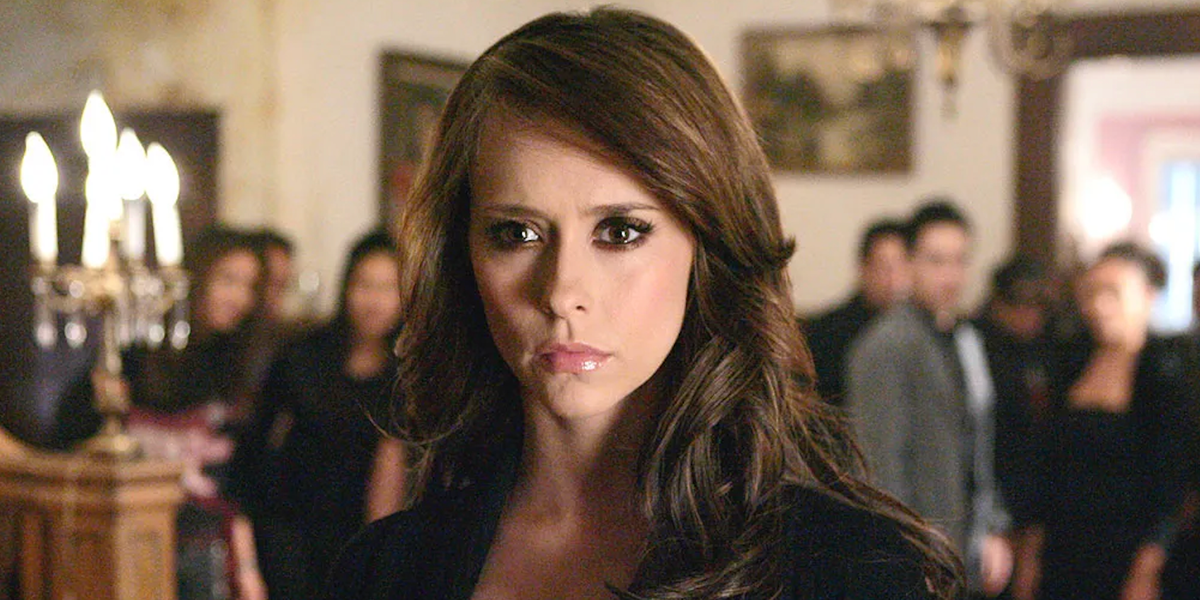
Ghost Whisperer had all the ingredients of a long-running comfort-TV favorite: a sympathetic lead, a weekly emotional mystery, just enough supernatural suspense to keep the lights on, and Jennifer Love Hewitt doing what Jennifer Love Hewitt does bestlooking concerned, compassionate, and ready to cry beautifully on cue. So why did Ghost Whisperer end after 5 seasons?
The short answer is simple: CBS canceled Ghost Whisperer because its ratings declined, its costs were rising, and a possible move to ABC ultimately fell through. The longer answer is more interesting. The show was not a total failure when it ended. It still had loyal fans, a recognizable star, and more than 100 episodesbasically the TV equivalent of a sturdy haunted mansion with great syndication potential. But by 2010, broadcast television was changing, networks were getting stricter about performance, and Friday-night dramas had to work extra hard to justify their budgets.
In other words, Melinda Gordon could help ghosts cross over, but even she could not talk a network executive into ignoring math.
The Quick Background: What Was Ghost Whisperer About?
Ghost Whisperer premiered on CBS in 2005 and starred Jennifer Love Hewitt as Melinda Gordon, a small-town antique shop owner with a very unusual gift: she could see and communicate with earthbound spirits. Each episode usually followed Melinda as she helped a ghost resolve unfinished business, deliver a final message, or find peace by crossing into the light.
The formula worked because the show mixed paranormal drama with emotional closure. It was spooky, but not too spooky. Sad, but rarely hopeless. A ghost might throw a chair across the room, but by the final act, someone was usually hugging, crying, forgiving, or all three at once. It was supernatural television for people who wanted goosebumps and a tissue box.
Over five seasons, the series built a devoted audience around Melinda, her husband Jim Clancy, and the friends who helped her navigate Grandview’s unusually busy spirit traffic. Apparently, if you were a ghost with unresolved issues, Grandview was the place to loiter.
So, Why Did Ghost Whisperer End?
The real reason Ghost Whisperer ended after Season 5 was a combination of declining ratings, production economics, and failed network rescue talks. CBS decided not to renew the show for Season 6 in May 2010. After that, there was a brief possibility that ABC might pick it up, partly because ABC Studios had a connection to the production. But ABC ultimately passed, leaving the fifth season finale as the series finale.
That is why the ending can feel slightly strange to longtime fans. It was not designed with the grand finality of a carefully planned farewell season. It had resolution, yes, but it also carried the feeling of a show that expected it might continue. The series did not end because the story had naturally reached its final resting place. It ended because the business side of television shut the door.
The Ratings Decline Was the Biggest Factor
For most broadcast shows, ratings are the heartbeat. If the numbers are strong, executives smile. If the numbers fall, executives begin speaking in calm, terrifying phrases like “strategic realignment” and “schedule optimization.” By Season 5, Ghost Whisperer was no longer performing like the Friday-night powerhouse it had been in earlier years.
Season 4 had been a strong period for the show. It drew millions of viewers and remained a reliable presence on Friday nights. The Jim storyline, especially, created major fan conversation. When a show can make viewers spend the weekend debating whether the husband is truly gone, spiritually present, or emotionally confusing everyone within a ten-mile radius, that is usually good television.
But Season 5 saw a noticeable drop. Reports at the time noted that the season opened with weaker numbers than CBS likely wanted, and later episodes fell further in the key adult demographic. In broadcast TV, the 18–49 rating mattered a lot because advertisers cared about it. A show could still have millions of total viewers and be in danger if the advertiser-friendly demo slipped too much.
That is one of the frustrating truths about television cancellation: “popular” does not always mean “safe.” A show can have loyal fans, decent total viewership, and plenty of online petitions, but if the network’s financial model says the audience is shrinking in the wrong places, the grim reaper arrives wearing a suit and carrying a spreadsheet.
Rising Costs Made the Decision Harder to Avoid
Ratings were not the only issue. Cost also mattered. By the time a network drama reaches its fifth season, production expenses often increase. Cast salaries may rise, crew costs grow, and long-running shows can become more expensive to maintain. Ghost Whisperer also used supernatural effects, emotional set pieces, and a consistent production world that was not exactly a two-camera sitcom filmed in someone’s garage.
There was also the ownership factor. CBS aired the show, but the production involved ABC Studios as well. That kind of arrangement can complicate the economics. Networks often prefer shows they own outright or shows that deliver such strong ratings that ownership concerns become secondary. When ratings are falling and the network does not fully control the upside, cancellation becomes easier to justify.
That does not mean CBS hated the show. In fact, Ghost Whisperer had given the network five successful seasons and more than enough episodes for a healthy afterlife in reruns. But when a series becomes more expensive while its ratings become less impressive, the conversation changes from “How do we keep this going?” to “Can we replace this with something cheaper, newer, or more promising?”
ABC Almost Saved Ghost WhispererBut Didn’t
After CBS canceled Ghost Whisperer, fans had a brief reason to hope. ABC considered picking up the show for a sixth season. On paper, the idea made sense. ABC Studios had a stake in the series, and the show already had a built-in audience. Moving networks is not unheard of; television history has plenty of shows that found new life elsewhere.
But the talks did not turn into a deal. ABC ultimately decided not to continue the series. That was the final blow. If CBS was the first door closing, ABC was the second door closing, locking, and politely hanging a “No Season 6” sign on the knob.
Why did ABC pass? The most likely explanation is money versus opportunity. A sixth season would have required a real commitment to an aging series with declining ratings. ABC had to decide whether Ghost Whisperer was worth space on its schedule when it could invest in new shows instead. In the end, the network chose not to resurrect it.
Did Jennifer Love Hewitt Want to Continue?
There is no strong evidence that Jennifer Love Hewitt wanted the show to end because she was tired of playing Melinda Gordon. In fact, the public farewell from the team suggested disappointment rather than relief. The cast and producers appeared grateful for the run but saddened that the story would not continue.
That matters because fans sometimes assume a show ends because the star quit, the cast fought, or somebody threw a crystal vase across a production office. With Ghost Whisperer, the real story appears much less dramatic. There was no legendary scandal, no public creative meltdown, and no ghostly curse on the CBS lotunless the curse was Nielsen ratings, which, to be fair, has haunted many shows.
Hewitt remained strongly associated with the series, and Melinda Gordon became one of her signature television roles. The show’s cancellation was a network business decision, not a clear case of the lead actress walking away.
Was Season 5 Written as the Final Season?
Not exactly. Season 5 introduced a five-year time jump and focused heavily on Melinda and Jim’s son, Aiden, who inherited a version of Melinda’s gift. This gave the show a fresh family-centered direction. Aiden could see things even Melinda could not, including mysterious forces known as the Shinies and the Shadows.
That storyline felt like a setup for more mythology. The show was expanding its supernatural rules, adding new stakes, and positioning Aiden as a major part of the future. When a series starts deepening its lore around a gifted child, it usually is not screaming, “We are wrapping this up forever next month.” It is more like saying, “Please enjoy our new haunted story engine.”
The final episode, “The Children’s Parade,” gave viewers an emotional conclusion involving Melinda, Jim, and Aiden. It was not a brutal cliffhanger that left everyone dangling over a paranormal canyon. Still, many fans felt the ending was too quick and too tidy for a show that had spent years building its world. The finale worked as a season finale, but as a series finale, it felt like a goodbye card written in a hurry.
Why Fans Were So Upset
Fans were upset because Ghost Whisperer had become comfort television. It was not just a paranormal drama. It was a weekly ritual. Viewers knew they could sit down, meet a troubled spirit, watch Melinda investigate the emotional mess, and end the hour with some form of healing. The show had a rhythm, and people trusted it.
When CBS canceled the series, it felt abrupt because the show still had life in it creatively. Aiden’s storyline could have supported another season. The Shadows mythology could have become darker and more complex. Melinda’s role as both mother and medium had only begun to evolve. There was room for the show to grow, even if the ratings were shrinking.
That disconnect is what makes the cancellation sting. From a business perspective, the decision made sense. From a fan perspective, it felt like someone turned off the porch light while Melinda was still talking to ghosts in the living room.
Did the Show Really Have “Low Ratings”?
Yes, but with context. Saying Ghost Whisperer ended because of low ratings is accurate, but it can sound harsher than the reality. The show was not completely ignored. It still had millions of viewers. The problem was that it had declined from earlier highs, especially in the key demographic advertisers cared about most.
For a newer or cheaper show, those numbers might have been acceptable. For a fifth-season drama with rising costs and complicated ownership economics, they were less convincing. Networks do not only ask, “Is anyone watching?” They ask, “Are enough of the right viewers watching, and is the show worth what it costs compared with our other options?”
That is why a beloved series can vanish while a questionable new show gets promoted like it has discovered electricity. Television decisions are rarely about love alone. They are about performance, ownership, scheduling, advertising, and whether executives think the next thing might do better.
The Friday-Night Problem
Ghost Whisperer aired on Friday nights, a tricky spot for broadcast television. Friday can be a home for loyal audiences, but it is also a night when many viewers are out, distracted, or pretending they have exciting plans. A show on Friday often has less room for ratings weakness than a buzzy weekday drama.
For a while, Ghost Whisperer made Friday work. Its emotional supernatural format fit the night well. It was accessible, reliable, and easy to watch without needing a detective board covered in red string. But by Season 5, the Friday slot was no longer enough protection. CBS had to look at whether the show’s performance justified another season, and the answer was no.
The Real Reason, in One Sentence
Ghost Whisperer ended after 5 seasons because CBS canceled it following a ratings decline and rising costs, and ABC’s potential rescue deal failed before Season 6 could happen.
That is the cleanest version of the story. No secret feud. No spooky curse. No grand creative betrayal. Just the classic television ending: loyal fans, imperfect numbers, expensive production, and a network deciding it was time to move on.
Could Ghost Whisperer Ever Come Back?
A revival is always possible in the modern entertainment landscape, where no old show is ever truly deadit is simply waiting for a streaming executive to whisper, “limited series reboot.” Ghost Whisperer has a recognizable title, a strong lead character, and a premise that could easily work today.
A revival could follow Melinda years later, explore Aiden as an adult, or introduce a new medium connected to Grandview. The emotional case-of-the-week format would also fit streaming or network television. Grief, closure, family secrets, haunted houses, unresolved guiltthese themes never go out of style. Unfortunately, neither do cancellation notices.
Still, there has been no major confirmed revival. For now, Ghost Whisperer remains a completed five-season series with a loyal fan base, a slightly rushed ending, and enough unresolved possibilities to keep viewers saying, “They really should have given us one more season.”
Viewing Experience: Why the Ending Still Feels Personal
Watching Ghost Whisperer today is a different experience from watching it when it originally aired. In the 2000s, viewers met Melinda once a week. The show arrived like an appointment: Friday night, CBS, one ghost, one mystery, one emotional release. That weekly rhythm made the series feel intimate. You were not just consuming plot. You were checking in with Grandview like it was a town where every citizen had a secret, a trauma, or a ghost standing slightly behind them in soft lighting.
In a binge-watch era, the show’s structure becomes even more noticeable. Episode after episode, Melinda meets people at their most vulnerable. Someone has died. Someone else is grieving. A truth has been buried. A family needs one final conversation. The formula can be repetitive, but that repetition is also the point. Ghost Whisperer is comfort food with candles and a cemetery nearby.
That is why the cancellation still bothers fans. When a show is built around closure, viewers naturally expect the show itself to receive closure. They want the final season to feel intentional. They want emotional arcs tied together, lingering mythology explained, and characters given a farewell that says, “We knew this was the end.” Instead, Ghost Whisperer received the kind of ending many canceled shows get: decent, emotional, but not fully satisfying.
The Aiden storyline makes that feeling stronger. By introducing Melinda and Jim’s son as a gifted child with unique abilities, Season 5 suggested a new chapter. Aiden was not just a cute addition to the family. He represented legacy. He raised questions about what Melinda’s gift meant across generations. He also gave the series a way to explore childhood, fear, protection, and inherited responsibility. That could have carried Season 6 in a meaningful direction.
Instead, fans were left to imagine what might have happened. Would Aiden become more powerful than Melinda? Would the Shadows return? Would Jim struggle with protecting a child who could see terrifying things adults could not understand? Would Melinda have to accept that her son’s gift was not something she could control? These questions are exactly why the cancellation feels unfinished.
There is also a nostalgic layer. Ghost Whisperer belongs to a particular era of television: emotional network dramas with strong episode-of-the-week storytelling, gentle music cues, and finales that often ended with a soft fade instead of a shocking antihero monologue. It was sincere in a way that can feel almost rare now. The show believed in healing. It believed people needed to say goodbye. It believed unresolved pain could be faced, named, and released. That sincerity may be why viewers still defend it, even when they admit some plots were melodramatic enough to make a soap opera raise an eyebrow.
The experience of revisiting the show is also a reminder that cancellation does not erase impact. A series does not need ten seasons to matter. Ghost Whisperer gave fans five years of emotional mysteries, memorable characters, and a lead performance that anchored even the wildest supernatural turns. Its ending may not have been perfect, but the reason people still ask why it ended proves something important: the show crossed over, but it never completely disappeared.
Conclusion
Ghost Whisperer ended after five seasons because television is sometimes colder than a haunted basement. CBS canceled the show after its ratings fell, costs became harder to justify, and the economics no longer looked as appealing as they once did. ABC briefly looked like a possible savior, but when that deal fell through, Season 6 vanished.
The good news is that Ghost Whisperer did not end as a failure. It ran for five seasons, produced more than 100 episodes, built a passionate fan base, and gave Jennifer Love Hewitt one of her most memorable TV roles. The frustrating part is that the final season introduced ideas that seemed ready for more storytelling, especially through Aiden and the show’s expanding mythology.
So the real reason Ghost Whisperer ended is not mysterious. It was ratings, money, and network strategy. But the reason fans still care is emotional. The show promised closure every week, and in the end, many viewers felt it deserved a little more closure of its own.














