
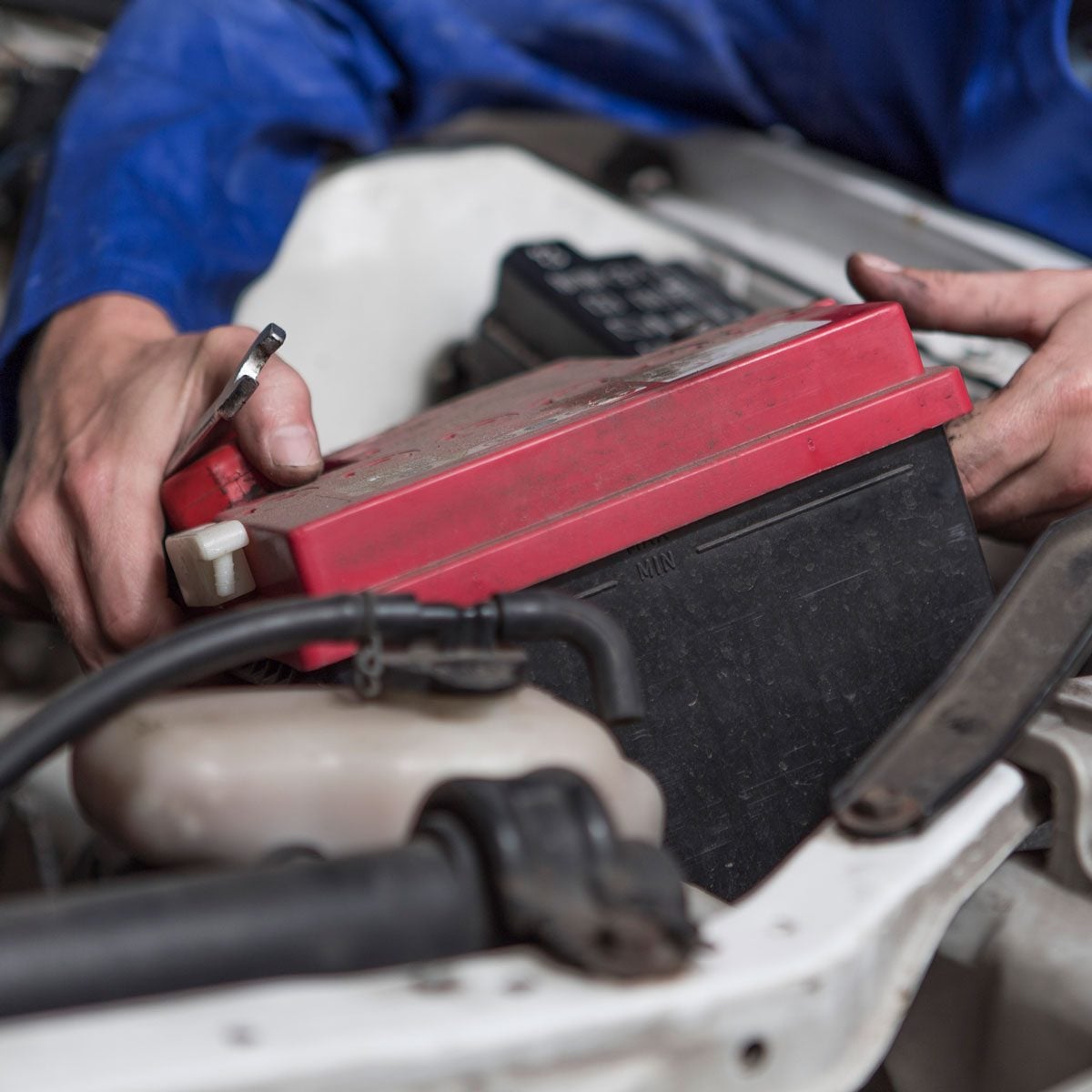
You turn the key, press the start button, and hear the automotive equivalent of a tired shrug: click, click, nothing. After a jump-start, the engine runs normally, so you assume the crisis is over. Then the battery dies again the next morning. At this point, your car is not being mysterious. It is sending a fairly direct messagejust without the courtesy of subtitles.
A car battery that keeps dying usually points to one of four broad problems: the battery cannot hold a charge, the charging system is not replenishing it, an electrical component is draining it while the vehicle is off, or your driving habits never give it enough time to recover. Loose connections, extreme temperatures, incorrect battery installation, and malfunctioning electronic modules can also contribute.
This guide explains the most common causes of repeated battery failure, how to narrow down the problem, and when a simple battery replacement is not actually the solution.
Why Does My Car Battery Keep Dying? The Quick Answer
If your car battery repeatedly goes dead, inspect these possibilities first:
- Headlights, interior lights, or accessories were left on.
- A parasitic electrical draw continues after the car is shut off.
- The battery is old, damaged, deeply discharged, or unable to hold a charge.
- The alternator or charging system is failing.
- Battery terminals, cables, or ground connections are loose or corroded.
- The vehicle is driven infrequently or only on short trips.
- Extreme heat or cold has weakened the battery.
- The wrong type or size of battery was installed.
- A computer module, relay, switch, or aftermarket accessory is malfunctioning.
The timing of the failure provides an important clue. A battery that dies overnight suggests a parasitic drain or weak battery. A vehicle that loses electrical power while driving is more likely to have a charging-system problem. A new battery that quickly goes dead usually means the original cause was never repaired.
10 Common Reasons a Car Battery Keeps Dying
1. Lights or Accessories Are Staying On
The simplest explanation is often the correct one. Headlights, map lights, vanity mirror lights, glove-box lamps, and cargo-area lights can remain on after you leave the vehicle. A door or trunk may look closed but fail to engage the switch that turns its light off.
Phone chargers, radar detectors, portable refrigerators, dash cameras, and other devices can also draw power through a 12-volt outlet. Some outlets switch off with the ignition, while others remain powered continuously.
Accessory mode deserves special attention. Sitting in a parked vehicle with the engine off while using the stereo, climate-control fan, or infotainment system can drain a battery surprisingly quickly. The battery is designed to provide a brief burst of starting power, not host a three-hour parking-lot podcast festival.
2. The Vehicle Has a Parasitic Battery Drain
Modern vehicles normally use a small amount of electricity while parked. The clock, alarm, keyless-entry receiver, computer memory, and control modules may remain partially active. This normal key-off draw should not prevent a healthy battery from starting the car after a reasonable parking period.
A parasitic drain occurs when a component continues consuming too much electricity after the vehicle should have shut down. Common causes include:
- A stuck relay
- A glove-box, trunk, or vanity light that remains illuminated
- A malfunctioning body-control or communications module
- Damaged wiring or a short circuit
- An improperly installed stereo, alarm, amplifier, or remote starter
- A dash camera wired to constant power
- An alternator with a failed diode
Parasitic drains can be intermittent. A module may shut down properly nine times and remain awake on the tenth, which explains why the vehicle starts normally for several days before suddenly becoming an expensive driveway ornament.
3. The Battery Is Old or Internally Damaged
Most conventional 12-volt automotive batteries provide roughly three to five years of service, although climate, maintenance, battery quality, and driving conditions can shorten or extend that range.
As a lead-acid battery ages, its internal plates degrade and its ability to store energy declines. Repeated deep discharges can accelerate sulfation, a process that reduces usable capacity. A battery may accept enough charge to start the engine once but lose that charge quickly while parked.
Signs of an aging or failing battery include slow cranking, swollen or distorted casing, leaking fluid, an unpleasant sulfur-like odor, repeated jump-starts, and voltage that drops rapidly after charging.
4. The Alternator Is Not Charging Correctly
The battery starts the engine, but the alternator supplies electricity while the engine runs and replenishes the battery afterward. If alternator output is too low, the car may continue operating by drawing from the battery until the remaining energy is exhausted.
A failing alternator can produce symptoms such as:
- A battery or charging-system warning light
- Headlights that dim, brighten, or flicker
- Slow power windows or erratic electronics
- Whining or grinding noises near the alternator
- Engine stalling after a jump-start
- A battery that repeatedly tests low despite regular driving
The alternator itself is not always the guilty party. A loose drive belt, faulty voltage regulator, damaged wiring, poor ground connection, or corroded connector can also prevent proper charging.
5. Battery Terminals or Ground Connections Are Corroded
A fully charged battery is not very useful if electricity cannot travel through its connections. White, green, or blue buildup around the terminals creates resistance, while loose cable clamps can interrupt both starting and charging current.
Inspect the positive and negative terminals, cable ends, engine ground strap, and body ground connections. Cables that appear fine externally may contain corrosion under their insulation.
Minor terminal corrosion can sometimes be cleaned safely, but cracked cables, damaged clamps, leaking batteries, and severe corrosion should be professionally evaluated. Always turn the vehicle off, wear eye protection, keep sparks and flames away, and follow the manufacturer’s disconnection procedure.
6. You Mostly Take Short Trips
Starting an engine requires a substantial burst of energy. The alternator needs time to replace that energy, particularly when headlights, defrosters, heated seats, climate control, and electronics are operating.
If most trips last only a few minutes, the battery may gradually lose more power than it receives. This pattern is especially hard on older batteries and vehicles with heavy electrical loads. Letting the engine idle briefly is not necessarily enough; normal driving generally allows the charging system to work more effectively.
Repeated short trips can create a slow downward spiral: weaker battery, slower starting, deeper discharge, and even weaker battery. Eventually, a routine grocery run becomes an unscheduled lesson in jumper-cable etiquette.
7. The Car Sits for Long Periods
A parked battery slowly loses charge through natural self-discharge and the vehicle’s normal standby electrical consumption. A healthy battery may tolerate a reasonable period without driving, but an older battery, cold weather, or excessive key-off draw can shorten that time considerably.
Vehicles used seasonally or driven only occasionally may benefit from a compatible smart battery maintainer. Unlike a basic charger that continuously pushes current, a quality maintainer monitors battery condition and adjusts its output. Use only equipment approved for the battery chemistry and follow the vehicle manufacturer’s instructions.
8. Extreme Temperatures Are Weakening the Battery
Cold weather gets blamed for many no-start mornings because low temperatures slow the battery’s chemical reactions while the engine requires more energy to crank. However, summer heat can do long-term damage by accelerating internal corrosion and fluid loss.
In other words, summer may quietly injure the battery, and winter arrives later to reveal the evidence. A marginal battery that starts normally on a mild afternoon may fail after the first freezing night.
Drivers in very hot or cold regions should have the battery and charging system tested before the most demanding season, especially when the battery is more than three years old.
9. The Wrong Battery Was Installed
Automotive batteries are not interchangeable simply because they fit in the tray. The correct battery must meet requirements for physical group size, terminal orientation, reserve capacity, cold-cranking performance, and battery technology.
Vehicles equipped with automatic start-stop systems may require an enhanced flooded battery or absorbed glass mat battery. Replacing an AGM battery with an ordinary flooded battery can lead to poor performance and premature failure.
Some modern vehicles also require the replacement battery to be registered or initialized in the battery-management system. Skipping this step may cause improper charging strategies, warning messages, or shortened battery life.
10. A Software or Electronic Module Problem Is Keeping the Car Awake
Modern cars contain dozens of interconnected computers. After the vehicle is locked, these modules normally enter sleep mode in stages. A faulty sensor, communications module, infotainment system, power liftgate, keyless-entry receiver, or software error may prevent that process.
In some cases, the manufacturer may release a software update, technical service bulletin, revised module, or wiring repair. If the battery-drain problem is associated with a particular make, model, and year, ask the dealer to check for applicable updates, service campaigns, and recalls rather than simply installing battery number three and hoping it develops better manners.
What the Timing of the Failure Can Tell You
The Battery Dies Overnight
An overnight failure commonly points to a battery with very little remaining capacity, a light or accessory left on, or an excessive parasitic draw. Fully charge and test the battery before measuring key-off current; testing a nearly discharged battery can produce misleading results.
The Battery Dies After a Few Days of Parking
This pattern may indicate a moderate parasitic drain, infrequent driving, an aging battery, or normal standby consumption acting on a battery that was never fully charged.
The Battery Dies While You Are Driving
Loss of power while driving strongly suggests an alternator, belt, cable, wiring, or charging-system failure. Safely pull over if the charging warning light appears with dimming lights, failing instruments, or loss of power steering assistance. Continuing to drive may leave the vehicle stalled in traffic.
A New Battery Keeps Dying
A new battery does not correct a parasitic drain, weak alternator, defective starter, bad connection, or software problem. It may simply provide enough capacity to hide the issue temporarily. Repeated deep discharge can then damage the new battery as well.
The Car Only Clicks but the Lights Still Work
Headlights and dashboard lights require much less current than the starter motor. Therefore, illuminated lights do not prove the battery is healthy. Rapid clicking often indicates low voltage or a poor connection, while one solid click can also point toward a starter or starter-solenoid problem.
How to Diagnose a Battery That Keeps Going Dead
Step 1: Inspect the Obvious Items
Confirm that the headlights, interior lights, cargo lights, and accessories turn off. Check that every door, the hood, and the trunk latch correctly. Unplug aftermarket devices and look for loose, dirty, or damaged battery connections.
Step 2: Fully Charge and Test the Battery
A discharged battery must be charged before it can be evaluated accurately. A healthy, fully charged 12-volt lead-acid battery commonly reads around 12.6 volts after resting, although temperature and battery chemistry affect the reading. Voltage alone does not reveal total capacity, so a professional conductance or load test is more informative.
If the battery fails a proper test, replace it with the exact type and specification required by the vehicle. If it passes, continue diagnosing instead of blaming the battery out of habit.
Step 3: Check Charging-System Performance
Many conventional charging systems produce approximately 13.7 to 14.7 volts with the engine running. However, modern computer-controlled systems intentionally vary alternator output, so a single voltage reading outside that range does not automatically prove failure.
A complete charging-system test should evaluate output under load, voltage drop through the cables, alternator ripple, belt condition, and control-system operation.
Step 4: Measure Key-Off Current Draw
After shutting down and locking the vehicle, technicians allow time for its electronic modules to enter sleep mode. A meter can then measure current flowing from the battery with the ignition off.
Normal draw varies by vehicle. Many cars settle in the range of a few dozen milliamps, while electronically complex models may have different manufacturer specifications. A reading that remains unusually high after every module should be asleep indicates a parasitic drain.
Technicians typically isolate the affected circuit by monitoring the draw while testing fuses, relays, modules, and voltage drops across protected circuits. This process can be time-consuming when the drain is intermittent.
Step 5: Review Service Information
Check for recalls, technical service bulletins, software updates, and known issues associated with the exact model year and equipment package. A drain linked to a telematics module or power liftgate may be well documented even if a general repair shop has not encountered it before.
Common Experiences When a Car Battery Keeps Dying
The following composite scenarios reflect patterns commonly encountered by vehicle owners and repair technicians. They are not presented as personal experiences, but they illustrate why repeated battery problems require diagnosis rather than guesswork.
The Weekend-Only Vehicle
An owner drives a sedan only on Saturdays, usually for a five-mile grocery trip. The battery is two years old, and the charging system appears normal. Nevertheless, the car occasionally needs a jump after sitting all week.
The problem is cumulative. Each cold start consumes energy, the short drive replaces only part of it, and the vehicle’s security and computer systems continue using a small amount of power while parked. Once the battery is fully charged with an appropriate charger and the owner begins taking a longer drive periodically, the symptoms disappear. The lesson is that a functioning alternator cannot replenish energy when it is rarely given enough operating time.
The Mystery Trunk Light
Another vehicle repeatedly dies overnight even though its battery and alternator pass testing. The trunk appears closed, but a misadjusted latch leaves the cargo light energized. Because the light is hidden inside the trunk, the driver never sees it.
A technician confirms the problem by recording the light through a phone camera placed inside the trunk before closing it. Adjusting the latch ends weeks of jump-starts. Small bulbs can create large frustrations when given eight uninterrupted hours to misbehave.
The New Battery That Was Not the Cure
A driver replaces a four-year-old battery after several no-start incidents. The new battery works perfectly for ten days and then dies. A second shop discovers that an aftermarket amplifier is wired to constant power and never turns off.
The first battery was old, but it was also being repeatedly discharged by the amplifier. Replacing it addressed the victim rather than the cause. After the wiring is corrected and the new battery is fully charged and retested, the vehicle starts normally.
The Alternator That Failed Slowly
Some charging-system failures are dramatic, but others develop gradually. One owner notices slightly dim headlights and slower power windows before the battery warning light briefly appears. The vehicle continues running, so the warning is ignored.
Several days later, the engine stalls at a traffic light. Testing reveals that the alternator had been producing insufficient output. The battery repeatedly covered the electrical deficit until it was completely discharged. The useful clue was not merely that the battery died; it was that electrical performance deteriorated while the engine was running.
The Electronic Module That Would Not Sleep
A late-model crossover starts reliably when driven every day but dies after sitting for a long weekend. Battery and alternator tests show no obvious defect. A parasitic-draw test initially looks normal, but current consumption suddenly increases several minutes later.
Further investigation finds that a communications module periodically wakes up and remains active. A manufacturer software update corrects the behavior. This situation demonstrates why modern battery diagnosis sometimes requires scan tools, service bulletins, and patient monitoring rather than a quick glance at a voltmeter.
Across these experiences, the recurring lesson is simple: battery replacement should follow testing, not replace it. A dead battery is a symptom. The real repair depends on understanding why it became discharged.
How to Prevent Your Car Battery From Dying Again
- Have the battery and charging system tested regularly, particularly after the battery reaches three years of age.
- Keep the battery terminals clean, secure, and free of heavy corrosion.
- Turn off interior lights and unplug unnecessary accessories before leaving the vehicle.
- Avoid repeatedly using accessory mode for long periods with the engine off.
- Include occasional longer drives if your routine consists mainly of short trips.
- Use a compatible smart maintainer when storing a vehicle for extended periods.
- Install the battery type and capacity specified by the manufacturer.
- Complete any required battery registration or management-system reset.
- Investigate warning lights, flickering electronics, and slow cranking before the car refuses to start.
When Should You Call a Mechanic?
Professional diagnosis is advisable when a properly charged battery repeatedly dies, the vehicle stalls while driving, the charging light remains on, wiring becomes hot, the battery case swells, or you smell sulfur. Electrical testing should also be left to a qualified technician when the vehicle contains a high-voltage hybrid or electric-drive system.
Do not repeatedly jump-start a vehicle without finding the cause. Deep discharges can damage the battery, while a failing charging system may eventually strand the vehicle or affect sensitive electronics.
Conclusion
When a car battery keeps dying, buying another battery may solve the problembut only when the battery itself is responsible. Persistent failures often come from parasitic drain, poor charging, damaged cables, short-trip driving, extended storage, or electronic modules that refuse to shut down.
Start with the basic checks, fully charge and test the battery, evaluate the charging system, and measure key-off electrical draw when necessary. Follow the evidence instead of replacing parts at random. Your wallet will appreciate the strategy, and your morning commute will contain considerably less clicking.
Note: This article provides general information for conventional 12-volt automotive battery systems. Procedures and specifications vary by vehicle. Consult the owner’s manual or a qualified technician before disconnecting a battery, testing high-current circuits, or servicing a hybrid or electric vehicle.














