
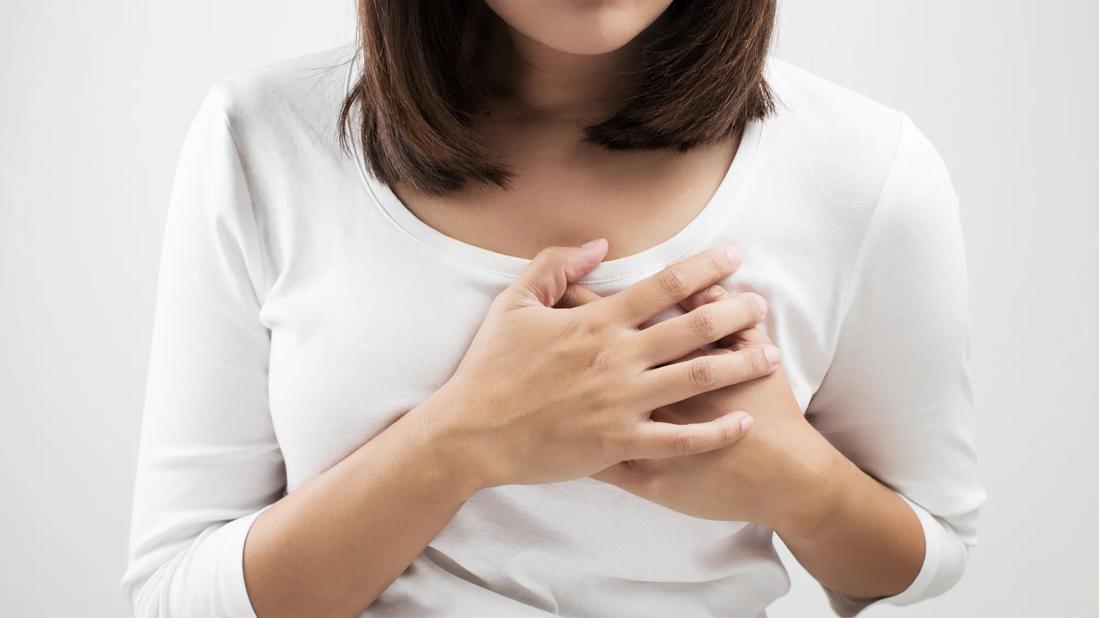
Note: This article is for general educational purposes only. Chest pain can be caused by something harmless, but it can also signal a medical emergency. If your chest pain is new, severe, persistent, or comes with shortness of breath, sweating, dizziness, fainting, nausea, or pain spreading to your arm, jaw, neck, back, or shoulder, call 911 or seek emergency care right away.
That Sudden “Ouch!” in Your Chest: What Is Going On?
Random sharp chest pain has a special talent for appearing at the worst possible moment. You may be answering emails, walking through the grocery store, lying in bed, or doing absolutely nothing dramatic whenzapa stabbing pain hits your chest like your rib cage just received a tiny lightning bolt. Naturally, your brain reacts with calm, balanced thoughts such as, “Well, this is clearly the end.”
The truth is more complicated and, thankfully, often less terrifying. Sharp chest pain can come from the heart, lungs, muscles, ribs, nerves, digestive system, or even anxiety. Sometimes it is a harmless chest wall twinge. Sometimes it is acid reflux wearing a fake mustache and pretending to be heart trouble. And sometimes, yes, chest pain can be serious enough to require immediate medical attention.
The main keyword here is random sharp chest pain, but the real goal is understanding patterns. Is the pain brief or lasting? Does it happen when you breathe deeply, move, eat, lie down, exercise, or feel stressed? Does pressing on the area reproduce the pain? Are there warning symptoms? Chest pain is not a guessing game you want to play with confidence and no information. It is more like a smoke alarm: sometimes it is burnt toast, but you still check for fire.
When Sharp Chest Pain Is an Emergency
Before we explore the less scary causes, let’s make one thing clear: do not ignore chest pain that feels unusual, intense, or persistent. A heart attack does not always feel like movie-style chest clutching. It may feel like pressure, squeezing, heaviness, fullness, burning, or discomfort in the center of the chest. It may also spread to the arm, shoulder, neck, jaw, back, or upper stomach.
Call 911 or seek emergency care if chest pain comes with:
- Shortness of breath or trouble breathing
- Sweating, nausea, vomiting, or dizziness
- Fainting or feeling like you might pass out
- Chest pressure, tightness, squeezing, or heaviness
- Pain spreading to the arm, jaw, neck, back, or shoulder
- A fast, irregular, or unusually pounding heartbeat
- Coughing blood
- Sudden severe pain after exercise, travel, injury, or surgery
- New chest pain if you have diabetes, high blood pressure, high cholesterol, heart disease, or smoke
Women, older adults, and people with diabetes may have less obvious heart attack symptoms. They may experience fatigue, shortness of breath, nausea, back pain, jaw discomfort, or vague chest discomfort rather than classic crushing pain. That is why “I’m probably fine” is not a medical strategy.
Common Reasons You Get Random Sharp Chest Pain
Sharp chest pain can have many causes. Some are mild and temporary. Others need a doctor’s evaluation. Below are the most common possibilities, explained in plain English without turning your chest into a haunted house.
1. Precordial Catch Syndrome: The Tiny Chest Stab That Usually Is Not Dangerous
Precordial catch syndrome is one of the classic causes of sudden, sharp chest pain, especially in teens and young adults, though adults can experience it too. The pain is usually located on the left side of the chest, often near or below the nipple. It feels sharp, stabbing, or needle-like and tends to affect one small spot.
The strange part? It often happens while resting or sitting, not during intense activity. Taking a deep breath may make it worse, which can be frightening. But the pain usually lasts seconds to a few minutes and then disappears. It is not linked to heart or lung disease. Possible explanations include a pinched nerve, muscle spasm, posture, or irritation in the chest wall.
One clue is that precordial catch syndrome does not usually come with sweating, nausea, fainting, spreading pain, or ongoing shortness of breath. Still, if the pain changes, becomes frequent, lasts longer, or comes with other symptoms, get checked.
2. Costochondritis: When Rib Cartilage Gets Dramatic
Costochondritis is inflammation of the cartilage where your ribs connect to your breastbone. It can cause sharp, aching, or pressure-like chest pain, often near the front of the chest. The pain may get worse when you cough, stretch, twist, lift something, or take a deep breath.
This condition can mimic heart pain, which is why it sends plenty of people into panic mode. One useful clue is tenderness. If pressing on the painful rib area reproduces the pain, a chest wall cause such as costochondritis becomes more likely. However, that clue is not a guarantee, and chest pain should be evaluated if it is new, severe, or concerning.
Costochondritis may appear after heavy lifting, intense exercise, respiratory infections, repeated coughing, poor posture, or no obvious reason at all. Your body is occasionally mysterious for no good reason, like a printer that says “paper jam” when there is no paper jam.
3. Muscle Strain: Your Chest Muscles Have Opinions
Muscle strain is another common cause of random sharp chest pain. The chest wall includes muscles between the ribs, around the shoulders, and across the front of the chest. These muscles can become irritated after lifting weights, carrying groceries, moving furniture, coughing hard, sleeping awkwardly, or attempting a heroic push-up comeback after six months of “rest days.”
Muscular chest pain often gets worse with movement, twisting, stretching, deep breathing, or pressing on the sore area. It may feel sharp when you move a certain way and then calm down when you rest. The pain can be alarming because it is in the chest, but the pattern often points to the muscles and ribs rather than the heart.
4. Acid Reflux or GERD: Heartburn Wearing a Scary Costume
Acid reflux happens when stomach acid flows backward into the esophagus. When reflux becomes frequent or chronic, it may be called GERD. Although reflux often causes burning pain, it can also cause chest pain that feels sharp, tight, or pressure-like.
GERD-related chest pain often appears after eating, especially after spicy, fatty, acidic, or large meals. It may worsen when lying down or bending over. You may also notice a sour taste, burping, nausea, throat irritation, chronic cough, hoarseness, or trouble swallowing.
The tricky part is that reflux and heart problems can overlap in how they feel. If you have persistent chest pain and you are not sure whether it is heartburn, treat it seriously and seek medical care. Antacids are not a diagnostic machine, unfortunately. They are helpful, but they do not wear a white coat.
5. Anxiety and Panic Attacks: The Body’s False Fire Alarm
Anxiety can cause real physical chest pain. During stress or panic, the body releases stress hormones, breathing may become rapid, chest muscles can tighten, and the heart may pound. The result can be sharp chest pain, tightness, shortness of breath, tingling fingers, dizziness, sweating, trembling, nausea, and a sense of impending doom.
Panic attacks often come on suddenly and peak within minutes. They can feel terrifyingly similar to a heart attack. The important point is this: even if you have anxiety, do not automatically blame chest pain on anxiety, especially if it is new, different, severe, or linked with exertion. Anxiety can cause chest pain, but anxiety does not give you a free pass to skip medical evaluation when symptoms are concerning.
6. Pleurisy: Pain That Gets Worse When You Breathe
Pleurisy is inflammation of the lining around the lungs and chest wall. It often causes sharp chest pain that worsens when you breathe deeply, cough, sneeze, or move your upper body. The pain may spread to the shoulder or back. Some people also have cough, fever, or shortness of breath, depending on the cause.
Pleurisy may be related to infections, autoimmune conditions, pneumonia, or other lung problems. Because some causes of pleuritic chest pain can be serious, chest pain that worsens with breathing deserves medical attention, especially if it is sudden, severe, or paired with breathing difficulty.
7. Pulmonary Embolism: A Serious Cause You Should Know
A pulmonary embolism, or PE, happens when a blood clot travels to the lungs and blocks blood flow. It can cause sudden sharp chest pain, especially pain that worsens with deep breathing. It may also cause sudden shortness of breath, fast heartbeat, coughing blood, dizziness, fainting, or anxiety-like symptoms.
Risk factors include recent surgery, long travel, prolonged immobility, pregnancy, smoking, cancer, hormone therapy, certain clotting disorders, and a history of deep vein thrombosis. Leg swelling, warmth, redness, or calf pain may suggest a clot in the leg. A PE is a medical emergency. If these symptoms fit, do not wait around to see if your lung “works it out.” Lungs are wonderful, but they are not negotiators.
8. Pneumothorax: A Collapsed Lung Can Cause Sudden Sharp Pain
A pneumothorax, commonly called a collapsed lung, occurs when air leaks into the space between the lung and chest wall. It can happen after chest injury, medical procedures, lung disease, or sometimes for no obvious reason. Symptoms often include sudden one-sided chest pain and shortness of breath.
Some small pneumothoraxes may heal with observation, but others require urgent treatment to remove trapped air. If you have sudden sharp chest pain with breathing trouble, especially on one side, seek emergency care.
9. Pericarditis: Inflammation Around the Heart
Pericarditis is inflammation of the thin sac surrounding the heart. It often causes sharp chest pain that may feel worse when lying down and better when sitting up or leaning forward. The pain may follow a viral illness, though there are many possible causes.
Because pericarditis involves the area around the heart and can resemble other dangerous conditions, it should be evaluated by a healthcare professional. Treatment depends on the cause and severity.
10. Heart-Related Pain: Not Always Sharp, But Never Ignore It
Heart-related chest pain is often described as pressure, heaviness, squeezing, burning, or tightness rather than a quick stabbing sensation. However, symptoms vary. Some people report sharp or brief pains, especially women and older adults. Heart pain may occur during exertion, emotional stress, or after heavy meals, and may improve with rest if it is angina.
Chest pain related to a heart attack may last more than a few minutes or come and go. It may be accompanied by shortness of breath, sweating, nausea, fatigue, lightheadedness, or pain spreading to other parts of the upper body. If there is any doubt, get emergency help.
How Doctors Figure Out What Is Causing Chest Pain
When you seek medical care for chest pain, clinicians do not rely on one clue. They look at the full story. They may ask when the pain started, where it is located, how long it lasts, what it feels like, what makes it better or worse, and whether you have symptoms such as fever, cough, shortness of breath, nausea, sweating, palpitations, leg swelling, or fainting.
Depending on your symptoms and risk factors, evaluation may include a physical exam, electrocardiogram, blood tests for heart damage, chest X-ray, CT scan, ultrasound, stress testing, or digestive evaluation. This does not mean every chest twinge needs every test. It means chest pain is sorted carefully because the causes range from “annoying but harmless” to “please do not drive yourself to the hospital.”
What You Can Track Before Seeing a Doctor
If your chest pain is mild, brief, and not an emergency, tracking details can help your doctor. Write down what you were doing when the pain started, how long it lasted, where it was, whether it spread, and whether it changed with breathing, eating, movement, posture, or stress.
Also note recent triggers: heavy lifting, intense workouts, respiratory infections, long flights, new medications, acid reflux symptoms, panic episodes, or injuries. A simple symptom diary can turn “my chest randomly hates me” into useful medical information.
Practical Ways to Reduce Benign Chest Pain Triggers
For non-emergency causes, lifestyle changes may help reduce repeat episodes. If muscle strain or costochondritis is suspected, rest from aggravating movements, gentle stretching, posture improvement, heat or cold packs, and over-the-counter pain relievers may help. Ask a clinician before using medications if you have kidney disease, stomach ulcers, take blood thinners, are pregnant, or have other health conditions.
If reflux is a likely trigger, try smaller meals, avoid lying down soon after eating, reduce spicy or fatty foods, limit late-night snacks, and elevate your head during sleep. If anxiety contributes, breathing exercises, therapy, regular movement, sleep routines, and reducing caffeine may help. These steps are not magic, but they are cheaper than repeatedly asking the internet whether your left rib is plotting against you.
Real-Life Experiences: What Random Sharp Chest Pain Can Feel Like
Many people describe random sharp chest pain as a quick, startling jab that interrupts an ordinary day. One common experience is the “desk pain” scenario. You sit hunched over a laptop, shoulders curled forward like a shrimp with deadlines, and suddenly feel a needle-like stab on the left side of your chest. You freeze. Breathing deeply makes it sharper. After a minute or two, it fades. Later, you realize you had been sitting twisted for hours, barely moving, with your chest wall compressed. That pattern can happen with posture-related chest wall irritation or precordial catch-like pain.
Another familiar story is the “new workout surprise.” Someone decides to become a fitness legend on Monday and performs push-ups, bench presses, burpees, or an ambitious home workout led by an instructor who appears powered by electricity. The next day, a sharp pain appears near the ribs or breastbone when they twist, cough, or lift a bag. It feels scary because it is in the chest, but the timing and movement-related pattern may point toward muscle strain or costochondritis.
Then there is the “pizza at 10 p.m.” experience. After a heavy dinner, soda, and a dramatic relationship with hot sauce, chest discomfort appears while lying down. It may burn, squeeze, or stab behind the breastbone. There may be burping, sour taste, throat clearing, or nausea. This can fit reflux, especially when symptoms worsen after meals or when flat. Still, persistent chest pain should not be dismissed as heartburn unless a clinician has helped rule out heart-related causes.
Some people experience sharp chest pain during intense stress. For example, a person may be in a crowded store, about to give a presentation, or dealing with bad news when their heart starts racing. Breathing becomes shallow, fingers tingle, and chest tightness or stabbing pain appears. The wave peaks, then slowly passes. This can sound like a panic attack, but first-time or unusual chest symptoms should be checked because panic and heart symptoms can overlap.
A more concerning experience is sharp chest pain with sudden shortness of breath. Imagine someone gets off a long flight and later develops chest pain that worsens with deep breathing, along with a racing heart or dizziness. That pattern should raise concern for a possible blood clot in the lungs, especially if there is leg swelling or calf pain. This is not a “sleep it off” situation.
Another red-flag story is one-sided sharp chest pain after injury or with sudden breathing difficulty. A person may feel a pop-like sensation, chest pain, and shortness of breath. That could suggest a pneumothorax or another lung problem requiring urgent evaluation.
The lesson from these experiences is not to diagnose yourself based on vibes. It is to notice patterns. Brief, pinpoint pain that changes with posture or movement may be less concerning than crushing pressure with sweating and nausea, but chest pain deserves respect. Your body may be sending a minor complaint, a major warning, or a confusing memo written by three departments at once. When symptoms are new, severe, persistent, or paired with warning signs, get medical help.
Conclusion: Random Sharp Chest Pain Is Common, But Context Matters
Random sharp chest pain can happen for many reasons, including precordial catch syndrome, costochondritis, muscle strain, acid reflux, anxiety, pleurisy, pericarditis, pulmonary embolism, pneumothorax, or heart-related conditions. The pain may be harmless and brief, or it may signal something urgent. The difference often depends on timing, triggers, duration, location, related symptoms, and personal risk factors.
The safest rule is simple: if chest pain is new, severe, unexplained, persistent, or comes with breathing trouble, sweating, nausea, fainting, dizziness, or spreading pain, seek emergency care. If the pain is mild and goes away but keeps returning, schedule a medical evaluation. Your chest is prime real estate. Do not let random stabbing pain move in without at least checking its paperwork.














