
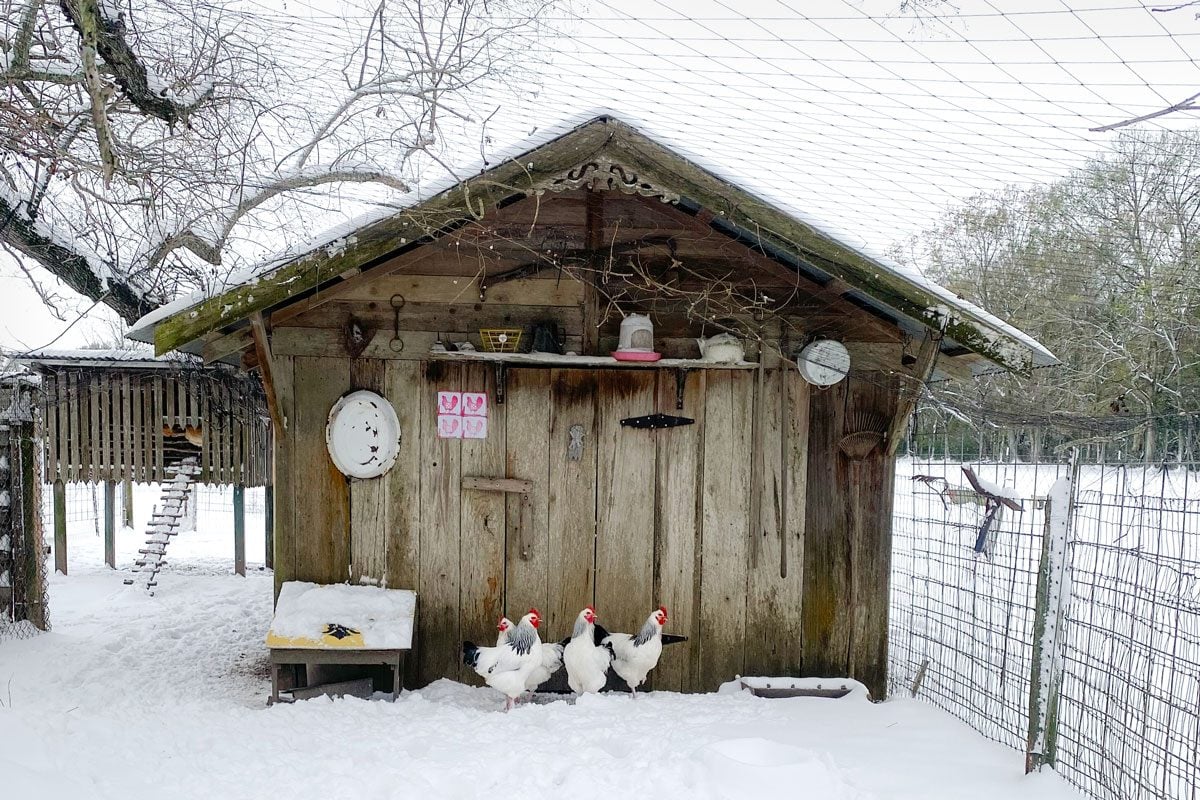
Winterizing a chicken coupyes, we mean chicken coop, not a tiny feathered government overthrowis one of the most important seasonal chores for backyard chicken keepers. When cold weather rolls in, chickens do not need a five-star spa, heated slippers, or a tiny cocoa bar. They do need a dry, draft-free, well-ventilated shelter, dependable water, safe roosts, clean bedding, and protection from predators, wind, snow, and moisture.
The good news? Chickens are tougher than they look. Under those feathers is a compact, clucking survival machine wearing its own down jacket. The bad news? Many winter coop problems are caused by well-meaning humans who seal the coop too tightly, use unsafe heat sources, forget about frozen water, or let bedding turn into a damp science experiment. Winter chicken care is not about making the coop tropical. It is about keeping the flock dry, protected, comfortable, and able to behave like chickens.
This guide explains how to winterize a chicken coop the practical way: no panic, no overcomplication, and no turning your backyard into a poultry-themed ski resort.
Why Winterizing a Chicken Coop Matters
Cold weather changes everything inside a chicken coop. Water freezes. Snow blocks run access. Wind sneaks through cracks. Droppings build up faster because hens spend more time indoors. Moisture from breathing, manure, and waterers can collect in the air. If that moisture has nowhere to escape, it can condense on walls, windows, combs, and wattles. That is when frostbite becomes a real risk.
A properly winterized chicken coop balances two ideas that sound like enemies but are actually best friends: insulation and ventilation. The coop should block direct drafts at chicken level, especially around roosts, while still allowing moist, stale air to leave near the top. Think of it like wearing a warm jacket with breathable fabric. Warm is good. Sweaty and sealed in like a leftover burrito is not.
Start With a Full Coop Inspection
Before the first serious cold snap, walk around the coop with a notebook, flashlight, and suspicious attitude. Winter has a talent for finding weak points. Look for gaps in siding, loose hardware cloth, leaky roofing, broken latches, rotting boards, and places where snowmelt could run into the bedding.
Check the Roof and Walls
A leaking roof is one of the fastest ways to ruin winter bedding. Inspect shingles, metal panels, seams, and edges. If water drips into the coop during rain, it may become ice during winter. Patch holes, tighten screws, and add weatherproof flashing where needed.
Walls should block wind and precipitation. Small cracks can be sealed with safe exterior caulk, wood strips, or hardware cloth plus a weather barrier. Avoid sealing every opening, though. The goal is not an airtight bunker. Chickens need fresh air, and ammonia from droppings needs a way out.
Inspect Doors, Latches, and Predator Barriers
Winter predators are motivated. Raccoons, rats, foxes, weasels, and neighborhood “very innocent” dogs may become more persistent when food is scarce. Make sure doors close tightly, latches are raccoon-resistant, and hardware cloth is secured with screws and washers instead of flimsy staples. Chicken wire keeps chickens in, but it does not reliably keep predators out.
Ventilation: The Secret Ingredient Most Beginners Miss
If winter chicken care had a villain, it would not be cold. It would be moisture. A dry chicken can handle cold far better than a damp chicken. That is why ventilation matters so much. Good ventilation removes humidity and ammonia without creating a cold breeze directly on the birds.
Place winter ventilation high above roost level, such as under the roofline, in gable vents, or through covered upper windows. This allows warm, moist air to rise and escape while keeping the roosting area calm. If you feel a breeze on your face while sitting where the chickens sleep, the birds will feel it too. That is a draft, not ventilation.
A useful test is simple: when you enter the coop in the morning, does it smell sharp, damp, or eye-watering? Do you see condensation on windows or frost forming inside? Those are signs the coop needs more air exchange, cleaner bedding, or better manure management.
Draft-Proof Without Suffocating the Coop
Draft-proofing means blocking direct wind, especially around roosts and floor-level openings. It does not mean wrapping the coop like a leftover sandwich. Cover lower vents, repair cracks near the roost, and use windbreaks on the run. Leave upper ventilation open and protected from rain and snow.
For exposed runs, clear plastic panels, greenhouse plastic, tarps, or polycarbonate sheets can help block wind and blowing snow. Leave some air gaps so the run does not become humid and stale. A covered run gives chickens more usable space on miserable days, and more space means fewer boredom problems. Bored chickens are basically tiny dinosaurs with office drama.
Choose the Right Winter Bedding
Dry bedding is a winter essential. Pine shavings are popular because they absorb moisture, dry reasonably well, and are easy to manage. Straw can provide insulation, but it may mat down and hold moisture if not maintained. Hay is usually a poor choice because it can mold more easily and is better saved for animals that actually eat it.
Start winter with a clean coop. Remove old bedding, scrape roosts, clean nest boxes, and check corners for hidden damp spots. Add a generous layer of bedding, especially under roosts where droppings collect. In cold climates, bedding may need to be deeper than in summer.
Deep Litter Method: Helpful, But Not Magic
The deep litter method can work well when managed correctly. Instead of removing all bedding frequently, you add dry carbon material such as pine shavings or dry leaves, stir the litter, and let beneficial decomposition happen slowly. Done well, it can help manage manure and provide mild warmth. Done badly, it becomes a damp ammonia pancake. Nobody wants that, especially the chickens.
If you use deep litter, keep it dry, fluffy, and odor-free. Add fresh bedding whenever droppings accumulate. Remove wet areas immediately, especially near waterers. If ammonia smell appears, your system is overloaded and needs cleaning, more ventilation, or more dry material.
Keep Water From Freezing
Fresh water is just as important in winter as in summer. Chickens may eat more in cold weather, and they need water to digest feed and maintain egg production. A hen cannot lay well if her water supply has turned into a decorative ice sculpture.
There are several options. A heated poultry waterer is convenient if you have safe, properly installed outdoor-rated electricity. Keep cords protected from pecking, moisture, and bedding. If electricity is not available, bring warm water out in the morning and again later in the day. Some keepers rotate two waterers: one thawing indoors while the other is in the coop or run.
Place waterers where spills will not soak bedding. If possible, keep water in the run rather than inside the sleeping area, as long as birds can access it during the day. Wet bedding is one of the fastest roads to frostbite and respiratory stress.
Feed for Cold Weather Energy
In winter, chickens often eat more because maintaining body heat requires energy. Keep a complete, balanced layer feed available during waking hours. Treats should stay limited. Scratch grains may encourage natural pecking and can be offered sparingly, but they are not a complete diet.
Think of scratch like popcorn. Fun? Yes. A complete dinner? Not unless you are making questionable life choices. Too many treats can dilute protein, calcium, vitamins, and minerals. For laying hens, balanced nutrition supports feather condition, immune function, and egg production.
Store feed in sealed metal or heavy-duty containers to keep out rodents and wild birds. Spilled feed should be cleaned quickly. Winter pests are opportunists, and an open feed bag is basically a neon buffet sign.
Roosts: Small Detail, Big Winter Difference
Chickens sleep on roosts, and winter roost design matters. A good roost allows birds to settle comfortably and cover their feet with their feathers. Many keepers use a flat-side-up 2×4 board because it gives chickens a stable surface and helps keep toes tucked under warm feathers.
Avoid narrow metal roosts in winter. Metal can feel colder and may increase the risk of chilled feet. Wood is better. Make sure there is enough roosting space for every bird so lower-ranking hens are not forced onto the floor or into nest boxes. Crowding leads to stress, dirty eggs, and squabbles that sound like a tiny courtroom with feathers.
Prevent Frostbite Before It Starts
Frostbite is most likely to affect combs, wattles, and toes, especially in damp, poorly ventilated, drafty conditions. Large-combed breeds may be more vulnerable in very cold areas. Prevention focuses on three things: dry air, no direct wind at roost level, and proper roosting space.
Do not rely on heat lamps as the main solution. Many backyard chicken keepers avoid heat lamps because of fire risk, especially around bedding and dust. If supplemental heat is ever considered during extreme conditions, use equipment designed for agricultural use, follow safety instructions exactly, and prioritize fire prevention. In most backyard situations, a dry, draft-free, well-ventilated coop is safer than a risky heat setup.
Should You Insulate a Chicken Coop?
Insulation can be helpful in very cold regions, but it is not always necessary. The coop must still breathe. Insulation without ventilation can trap moisture, which defeats the purpose. If you insulate walls or ceilings, cover insulation so chickens cannot peck at it. Chickens will investigate exposed foam like they have been hired as demolition contractors.
Insulation is most useful when paired with good design: dry bedding, upper vents, wind protection, and predator-proof construction. A small flock in a properly built coop may do well without added heat. Cold-hardy breeds with small combs and dense feathering are especially suited for winter climates.
Winterize the Chicken Run
A winter-ready run gives chickens a place to move, scratch, dust bathe, and escape boredom. Cover part of the run roof if possible to reduce snow and mud. Add windbreaks on the prevailing-wind side. Put down straw, dry leaves, wood chips, or coarse mulch to keep feet off ice and mud.
Many chickens dislike walking on snow. Some will stare at it as if the sky has personally betrayed them. Creating paths with straw or leaves can encourage them to leave the coop. More outdoor time means less indoor moisture and less pecking from boredom.
Lighting and Egg Production in Winter
Shorter days naturally reduce egg production. Some chicken keepers add artificial light to maintain laying, while others let hens rest. If you use supplemental light, use a timer and increase light gradually. Avoid excessive light hours, as hens need darkness for rest.
Light should be installed safely, away from dust and bedding, and not in a place where birds can knock it down. Remember, egg production is not the only sign of a healthy flock. Molting, age, breed, nutrition, and daylight all affect laying.
Winter Health and Biosecurity
Cold weather is a good time to tighten biosecurity. Use dedicated coop shoes or boots, wash hands after handling birds or eggs, and keep poultry supplies outside living areas. Clean nest boxes and roosts regularly to help keep eggs cleaner.
Limit contact with wild birds, rodents, and their droppings. Secure feed, clean spills, and block rodent entry points. Wild birds and rodents can contaminate feed and water, and they may introduce disease. A winterized coop should be comfortable for chickens, not an Airbnb for mice.
Common Winterizing Mistakes to Avoid
Sealing the Coop Too Tightly
This is the classic beginner mistake. A tight coop may feel warmer, but trapped moisture increases frostbite risk and ammonia problems. Keep upper ventilation open.
Letting Bedding Stay Wet
Wet bedding chills birds and creates odor. Remove wet spots quickly and fix the source of spills or leaks.
Depending on Treats Instead of Balanced Feed
Warm oatmeal and scratch grains sound cozy, but complete feed should remain the foundation of the winter diet.
Ignoring Frozen Water
Chickens need water daily. Frozen water can reduce feed intake, stress the flock, and hurt egg production.
Using Unsafe Heat Sources
Heat lamps and dusty bedding are a risky combination. Focus first on dry bedding, wind protection, and ventilation.
A Simple Weekend Winterizing Checklist
Winterizing a chicken coop does not have to take weeks. In one weekend, you can make a major difference. Start by cleaning out old bedding, scraping droppings, and checking for moisture damage. Next, patch roof leaks and wall gaps while keeping upper vents open. Add fresh bedding, secure waterers, inspect roosts, and predator-proof doors and windows.
Then move to the run. Add windbreaks, cover part of the roof if possible, and create dry walking areas. Store feed in sealed containers and set up a water plan before freezing temperatures arrive. Finally, observe your flock in the morning and evening. Chicken behavior is a useful report card. If birds are active, eating, drinking, roosting normally, and breathing clean air, your winter setup is likely working.
Real-Life Experience: What Winterizing a Chicken Coup Teaches You
The first thing winter chicken keeping teaches you is humility. You may spend Saturday afternoon carefully preparing the coop, arranging bedding like a poultry interior designer, and congratulating yourself on a job well done. Then the hens walk in, scratch everything into a new zip code, and stare at you as if your design sense is personally offensive.
In real backyard experience, the most valuable winter lesson is that dryness beats warmth. Many new chicken keepers worry about temperature first. They imagine their hens shivering dramatically under moonlight, writing tiny complaint letters. But after a few cold seasons, you learn that a dry, calm, well-ventilated coop matters more than chasing a specific indoor temperature. Chickens can puff up their feathers, huddle on roosts, and conserve body heat. What they cannot do well is thrive in damp bedding, stale ammonia, and icy drafts.
One practical habit that pays off is the morning coop check. Open the door and pause before doing anything else. Smell the air. Look at the windows. Check the bedding under the roost. If the coop smells clean and the bedding is dry, you are probably on the right track. If it smells sharp or feels damp, fix it immediately. Add bedding, remove wet spots, improve ventilation, or move the waterer. The chickens may not applaud, but they will reward you by staying healthier and making fewer dramatic noises.
Another experience-based tip is to prepare water before you think you need to. The first hard freeze has a way of arriving when you are busy, tired, or wearing shoes completely unsuited to ice. Heated waterers, rotating water containers, or twice-daily warm water trips all work, but the plan must exist before the water freezes. Nothing builds character like carrying a frozen poultry waterer indoors while muttering motivational phrases at sunrise.
Winter also reveals whether your run is truly useful. A bare, windy run may technically exist, but chickens may refuse to use it. Add windbreaks, dry footing, and a covered corner, and suddenly the flock has a winter playground. Hang a cabbage, scatter a small amount of scratch in dry bedding, or add leaves for scratching. Boredom control is not just entertainment. It reduces pecking, stress, and the kind of flock gossip that ends with one hen guarding the feeder like a grumpy dragon.
The biggest personal takeaway is to observe before overcorrecting. Not every cold day is an emergency. If the birds are eating, drinking, moving normally, roosting together, and have dry feathers and clean air, they are probably fine. Backyard chicken keeping in winter is less about fancy gadgets and more about steady habits: dry bedding, fresh water, secure housing, good ventilation, and a watchful eye. Do those well, and your chicken coup will survive winter without staging an actual coup against management.
Conclusion
Winterizing a chicken coup is really about respecting what chickens already do well while protecting them from the problems they cannot solve alone. They bring the feathers. You bring the dry bedding, clean water, safe shelter, predator protection, and ventilation. Together, it works.
The best winter coop is not overheated or sealed tight. It is dry, draft-free at roost level, ventilated above the birds, easy to clean, and secure from predators. Add a reliable water plan, balanced feed, safe roosts, and a usable run, and your flock can handle cold weather with surprising confidence. They may still complain, of course. Chickens have opinions. But with the right winter setup, those opinions will come from healthy, comfortable birds instead of stressed, damp, chilly ones.














