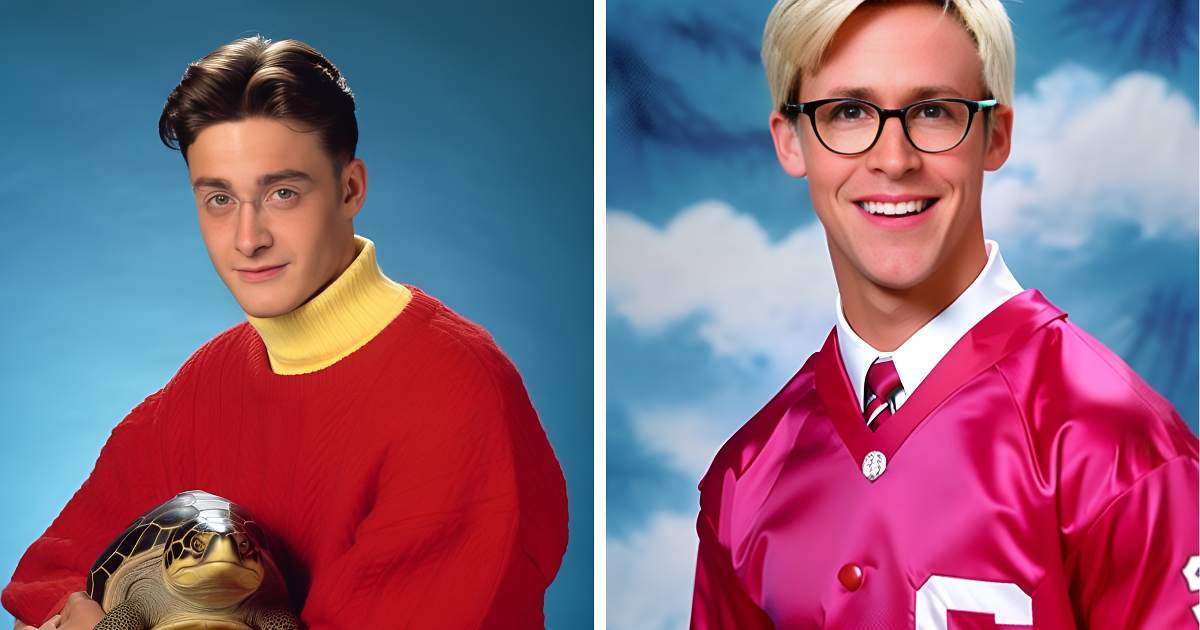
First came polished headshots. Then came AI avatars. And then the internet did what the internet does best: it got weird, nostalgic, and hilariously specific. The yearbook photo trend especially the version that reimagines fantasy characters as students, teachers, and overachievers in a retro high school is peak social media chaos in the best possible way.
If you’ve seen feeds filled with soft blue-gray backdrops, dramatic bangs, varsity jackets, and suspiciously confident smiles, you already know the vibe. But this trend is more than a goofy visual gag. It blends nostalgia, identity play, fandom culture, and AI image-making into one highly shareable format. In other words: it’s a meme, a mood, and a mini cultural case study.
In this article, we’ll break down why the yearbook photo trend exploded, why fantasy characters back to school feels so instantly funny, what makes these “22 pics” listicles so clickable, and how to enjoy the trend without ignoring privacy, copyright, and common-sense guardrails. We’ll also end with an extended experience section (yes, a full extra 500+ words) for anyone curious about what it actually feels like to create and share these images.
What Is the Yearbook Photo Trend?
The modern AI yearbook trend took off when photo apps began turning selfies into retro school portraits usually inspired by American high school yearbooks from the late ’80s and ’90s. The format is simple and irresistible: upload a batch of selfies, wait for the app to generate a set of stylized portraits, and then post the funniest, coolest, or most cursed results online.
The “fantasy characters back to school” twist adds another layer of fun. Instead of only imagining yourself as a prom king or debate captain, creators started applying the same yearbook aesthetic to wizards, elves, knights, dragons, and other familiar fantasy archetypes. Suddenly, the internet wasn’t just reliving high school it was enrolling entire fictional universes into homeroom.
That combination of retro school portraits and fantasy character humor works because it’s instantly legible. Everyone understands yearbook tropes. Everyone understands fantasy tropes. Put them together and your brain immediately fills in the joke.
Why This Trend Works So Well (and So Fast)
1) Nostalgia Is a Built-In Engagement Engine
Yearbooks are emotional shortcuts. They carry the visual language of adolescence: awkward smiles, identity experiments, and the unshakable belief that frosted tips were a good idea. Even people who didn’t grow up in that exact era recognize the aesthetic from movies, TV, and pop culture.
Nostalgia also gives people permission to laugh at themselves. The trend doesn’t require perfection; in fact, the slightly off results are often the point. When a heroic sorcerer looks like he plays JV tennis and writes poetry in secret, the contrast is comedy gold.
2) Fantasy Characters Make the Joke Bigger
A regular AI yearbook image says, “Look at me in a retro timeline.” A fantasy yearbook image says, “Look at this immortal elf pretending he has algebra at 10:15.” That jump from self-styling to world-building is what makes the meme format so sticky.
Fans love alternate-universe setups. “Back to school” is one of the most universal alternate-universe templates in fandom culture because it creates immediate roles, relationships, and conflict. Who’s the class clown? Who’s student council president? Who got suspended for summoning something in the cafeteria?
3) It’s Shareable Even When the Results Are a Mess
Most trends die when the output isn’t perfect. This one thrives on imperfection. Extra fingers? Weird tie? Why does the dwarf look 6’4″? Congratulations you now have a better post. The gap between “epic fantasy” and “mall-photo-studio yearbook energy” is what makes people stop scrolling.
4) It Feels Personal and Performative at the Same Time
People use these images to experiment with identity, humor, and self-presentation. Some post only flattering results. Others post a carousel that starts cute and ends in pure visual nonsense. Either way, the trend lets users curate how they want to be seen while still pretending, “Oh, this? Just a random AI thing.”
Yearbook Photo Trend Takes Fantasy Characters Back To School (22 Pics)
Below are 22 “pics” in the spirit of the trend the kinds of character concepts and captions that keep this format funny, recognizable, and wildly shareable.
-
The Wizard Valedictorian
Perfect posture, suspiciously symmetrical hair, and a yearbook quote that definitely sounds like a prophecy. Everyone says he “studies too much,” which is true if spellbooks count.
-
The Dragon Exchange Student
Wearing a varsity jacket two sizes too small and trying very hard not to breathe fire during picture day. The photographer politely says, “Chin up,” then regrets everything.
-
The Elf Who Runs Debate Club
Impossibly polished, academically unstoppable, and somehow annoyed by every question before it’s asked. Looks like they’ve been judging your sentence structure for 400 years.
-
The Barbarian With Honor Roll Energy
Everyone assumes this student only lifts weights, but the transcript says otherwise. AP History. AP Literature. Also broke the gym door once. Multifaceted.
-
The Necromancer Yearbook Editor
Black turtleneck, silver chain, tired eyes, and the strongest opinions on kerning in the entire kingdom. “We can fix this in layout” has never sounded more ominous.
-
The Paladin Class President
Campaign slogan: “Order, Honor, and Better Cafeteria Portions.” Smile says homecoming candidate; posture says they’ve already drafted the code of conduct.
-
The Rogue Who Somehow Passed Photography
Half the portraits are blurred because they moved during every flash. Still turned in the best senior project and never explained where the props came from.
-
The Forest Witch in Marching Band
Cute bangs, haunted eyes, and a flute solo that made three freshmen cry. Looks like she knows five herbs for stress relief and one curse for rude classmates.
-
The Knight Who Peaked in JV Fencing
Yearbook pose is aggressively confident. Medal count is real. Emotional maturity? Still loading. This is a top-tier “your favorite hero was once very cringe” concept.
-
The Fairy Cheer Captain
Glitter, precision, and just enough menace to keep the squad in sync. The smile is radiant; the group chat management style is legendary.
-
The Dwarf Shop-Class Legend
Protective goggles, rolled-up sleeves, and a reputation for fixing lockers with custom metalwork. Faculty says “gifted.” Students say “do not challenge him.”
-
The Oracle Guidance Counselor Intern
Somehow both 17 and spiritually ancient. Gives excellent advice, terrible directions, and keeps saying, “I saw this conversation coming.”
-
The Monster-Hunter Hall Monitor
Trench coat, clipboard, and a deeply personal vendetta against running in the hallway. Looks like they carry holy water and detention slips in the same pocket.
-
The Goblin Robotics Team Captain
Chaotic genius energy. The robot works, but nobody is sure whether it was built for competition or revenge. Either way, the judges are impressed and slightly afraid.
-
The Mermaid on Swim Team (Obviously)
The easiest joke in the set and still a crowd favorite. The yearbook photo is dry-land formal; the action shot is where the legend begins.
-
The Vampire Who Never Blinks in Pictures
Every portrait is weirdly perfect, as if composed over centuries. Classmates think it’s a filter. It is not a filter.
-
The Werewolf With Homecoming King Potential
Looks incredible in the formal portrait, then mysteriously misses every full-moon football game. Yearbook committee avoids follow-up questions.
-
The Sorcerer Theater Kid
This person treats every hallway conversation like a monologue and every lab accident like “creative risk.” The portrait somehow includes dramatic lighting no one remembers setting up.
-
The Time Traveler Transfer Student
Outfit says 1996, shoes say 2086, attitude says “I’ve done this semester before.” A+ meme format for anyone who enjoys paradoxes and bad attendance excuses.
-
The Potion Club Treasurer
Calm smile, color-coded labels, and the exact vibe of someone who could either save the bake sale or accidentally dissolve a desk. Responsible chaos is still chaos.
-
The Dark Lord in Senior Portrait Retake
The original shot was “too intense,” apparently. Retake version is still intense, just with better hair and a softer backdrop. Growth.
-
The Chosen One, Age 16, Already Tired
Hoodie, eye bags, and a smile that says “I have finals and a destiny.” If one image sums up the entire fantasy-yearbook trend, it’s this one.
How to Create Better Fantasy Yearbook Photos (Without Looking Like a Glitchy Hall Pass)
Use a Strong Mix of Input Photos
If you’re using an AI photo tool, variety helps. Include different angles, expressions, and lighting so the model doesn’t produce 60 versions of the same face wearing increasingly confusing blazers.
Pick a Theme Before You Generate
“Fantasy” is broad. Narrow it down: medieval academy, enchanted prep school, monster prom, magical honors society, or villain reform program. A clearer concept usually produces funnier and more consistent results.
Write Captions Like a Yearbook Committee With a Sense of Humor
The image gets the click, but the caption gets the share. Think superlatives, fake clubs, awkward achievements, and overly serious quotes. “Most Likely to Open a Portal in Chemistry” is timeless.
Don’t Over-Edit the Weirdness Out
Perfect images are nice. Slightly bizarre images are memorable. Leave in one or two odd details if they add to the joke. The internet respects confidence and occasionally, chaotic lapels.
Privacy, Bias, and Copyright: The Grown-Up Sidebar Nobody Wants but Everybody Needs
Yes, the trend is funny. Yes, the results can be amazing. And yes, you should still pause before uploading your face to any app. AI portrait tools often rely on user-uploaded images, and policies about storage, deletion, model training, and data use can vary. Read the privacy policy and terms, especially if the app mentions biometric or facial data.
There’s also the bias issue. AI image tools can produce flattering results for some users and strange, inaccurate, or stereotyped results for others. That doesn’t mean the trend is off-limits, but it does mean we should talk honestly about how these tools work and who gets represented well.
Finally, if you’re turning famous characters into school portraits, remember the line between fan creativity and commercial use. Posting a funny fandom meme is one thing. Selling a product line built on recognizable copyrighted characters is another. If you plan to monetize your images, get legal clarity first.
Why “22 Pics” Headlines Still Work
Let’s address the giant retro school bus in the room: the “(22 Pics)” part of the title. This format keeps winning because it promises quick entertainment with built-in variety. Readers know exactly what they’re getting: a visual concept, multiple examples, and a low-friction scroll experience.
For SEO, it also helps match how people search. Users often type phrases like “funny AI yearbook photos,” “fantasy yearbook trend,” “best AI yearbook pics,” or “yearbook photo trend characters.” A numbered list gives structure to both search engines and human readers, which is a rare moment of peace in the modern internet.
Extended Experience Notes (500+ Words): What It Feels Like to Join the Fantasy Yearbook Trend
The funniest part of trying the yearbook photo trend isn’t posting the images. It’s the waiting. You upload your selfies, hit generate, and instantly enter a psychological state I can only describe as “optimistic dread.” You know the AI might produce a masterpiece. You also know it might transform you into a suspiciously handsome exchange student with one eyebrow and a necktie that appears to be made of fog.
That uncertainty is part of the appeal. Unlike traditional photo editing, where you control every adjustment, AI-generated yearbook photos feel like opening a mystery box. The result isn’t just a portrait it’s an interpretation. And when you’re aiming for fantasy characters back to school, the interpretation is half the joke. You’re not asking for realism. You’re asking for a convincing lie with good lighting.
The first emotional wave is usually laughter. Even the strong results have tiny details that make them feel wonderfully specific: a background that screams “school photo package C,” a smile too serious for a person allegedly enrolled in Intro to Alchemy, or a blazer that somehow looks like both uniform fabric and dragon scale. When the bad results show up, they’re often even better. Those are the ones friends screenshot, zoom in, and discuss like forensic analysts.
The second wave is storytelling. Once you have a set of images, your brain starts assigning roles. “This one is definitely student council.” “This one failed potion lab.” “This one is the principal’s favorite and everyone is tired of it.” The trend becomes less about image generation and more about collaborative world-building. That’s why these posts perform so well in group chats: people don’t just react to the picture, they add lore.
There’s also a surprisingly personal side to it. A lot of users end up seeing versions of themselves they never got to experiment with in real life different fashion eras, different aesthetics, different attitudes. The fantasy setting makes that experimentation feel safe and playful. You’re not saying, “This is the real me.” You’re saying, “This is me if I attended a magical school and took AP Rune Studies.” It’s identity play without the pressure of a permanent label.
That said, the experience can get weird in less fun ways. Sometimes the AI over-beautifies everything. Sometimes it smooths features, changes skin tone, or invents facial structure that doesn’t look like you. When that happens, the gap between “haha, fun trend” and “hmm, that’s uncomfortable” becomes obvious. It’s a useful reminder that AI tools reflect training data patterns and design choices not neutral truth.
Another real part of the experience is social comparison. If everyone posts only their best five images, the trend can look effortless. In reality, many users get a mixed batch and curate heavily. That’s not dishonest; it’s just social media being social media. But it helps to remember that the polished carousel you’re seeing likely has a small graveyard of weird rejects sitting just out of frame.
The best way to enjoy the trend, in my view, is to lean into humor, not perfection. Post the good ones, sure but include one chaotic image and a funny caption. Treat it like a fandom game, not a self-worth exam. If you’re making a full “22 pics” style post, structure it like a yearbook: superlatives, fake clubs, awkward milestones, and overdramatic quotes. The more story you build around the images, the more memorable the post becomes.
In the end, the AI yearbook trend works because it combines three internet superpowers: nostalgia, identity play, and shareable absurdity. The fantasy version turns that formula up another notch by giving everyone permission to be both epic and embarrassing at the same time which, honestly, is a pretty accurate description of high school anyway.
Final Thoughts
The yearbook photo trend is more than a passing visual gimmick. It’s a snapshot of how people use AI tools for humor, self-expression, and fandom remixing. When creators take fantasy characters back to school, they’re doing more than making a joke they’re turning familiar archetypes into social media storytelling formats that feel instantly relatable.
Just keep one foot in the fun and one foot in reality: enjoy the nostalgia, read the policies, respect creators, and don’t let an AI-generated sophomore portrait decide your destiny.